

How Do You Steam Clothes Properly?
To properly steam clothes, hang the garment vertically, fill your steamer with clean water, and allow it to reach full temperature. Steam from top to bottom using slow, even strokes while keeping the fabric gently taut. This vertical steaming method removes wrinkles efficiently while helping protect delicate fibers and maintain the garment's shape.
- Hang clothes on a sturdy hanger
- Use vertical steam from top to bottom
- Keep slight distance for delicate fabrics
- Stretch fabric gently for smoother results
- Allow garment to dry before wearing
How to Properly Steam Clothes for Wrinkle-Free Results Every Time
Wrinkles can quietly steal confidence. Whether it's a rushed morning or a last-minute event, learning how to steam clothes properly gives you fast, safe, and consistent results. This expert guide explains the proper way to steam clothes, how garment steamers work, fabric-specific techniques, and common mistakes to avoid so every outfit looks polished.
⏱ 5 min read
Discover the easiest way to smooth clothes in minutes
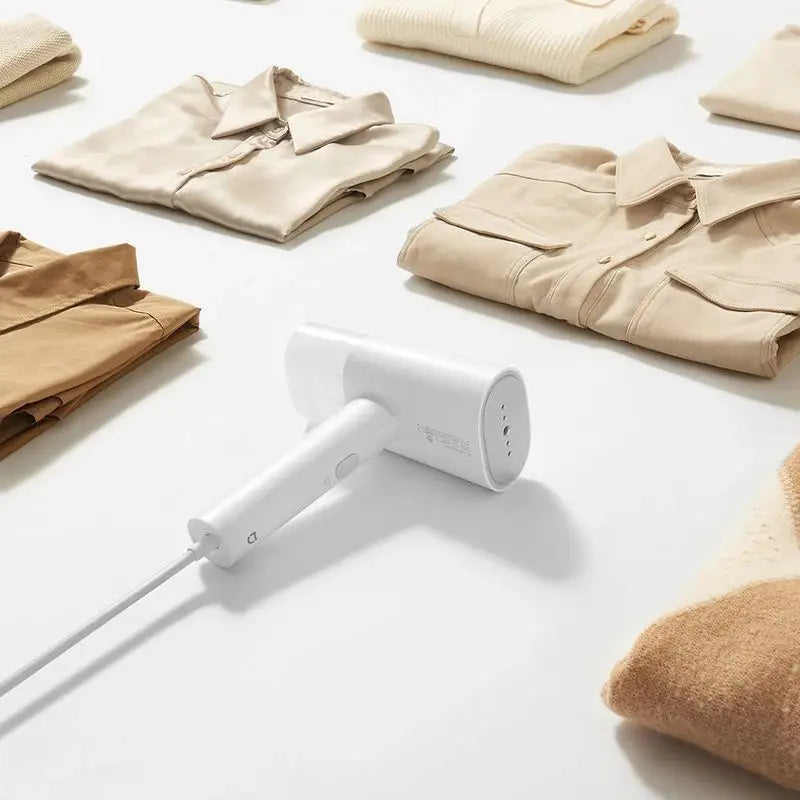
How to steam clothes for quick, wrinkle-free results. See it in action.
How Does a Garment Steamer Work?
How Steam Relaxes Fabric Fibers
A garment steamer heats water until it becomes steam, which penetrates fabric fibers and temporarily relaxes them. As the fibers soften, wrinkles release naturally without the direct pressure of a hot iron. Vertical steam also refreshes garments by reducing light odors and helping fabrics regain their natural drape.
When to Steam Instead of Iron
Steaming is ideal for delicate fabrics, dresses, blouses, jackets, curtains, and garments with pleats or embellishments that could be damaged by an iron. Ironing remains the better choice when crisp creases are required, such as on dress shirts or formal trousers. For everyday wrinkle removal, steaming is often the fastest and gentlest option.
What You Need Before You Start Steaming Clothes
Types of Garment Steamers (Handheld vs Upright)
Handheld garment steamers are lightweight, portable, and ideal for travel or quick touch-ups. Upright steamers produce longer periods of continuous steam, making them better suited for larger loads, thicker garments, or frequent use.
Essential Setup for Best Results
- Use clean water and distilled water if recommended by your steamer manufacturer.
- Hang garments on a sturdy hanger so they can hang freely.
- Leave enough room to steam vertically from top to bottom.
- Keep a heat-resistant surface nearby for safely placing the hot steamer.
- Check the garment care label before steaming unfamiliar fabrics.
Step-by-Step: How to Steam Clothes the Proper Way
Step 1 – Prepare the Garment
Hang the garment so it hangs naturally without twisting. Button shirts or zip jackets to help them maintain their shape while steaming.
Step 2 – Fill and Heat the Steamer
Fill the water tank according to the manufacturer's instructions and wait until the steamer produces a steady stream of steam. Starting too early may leave wrinkles behind.
Step 3 – Use Proper Vertical Steam Technique
Hold the steamer upright and work in slow downward passes. Keep the fabric gently taut with your free hand, and maintain a small distance from delicate materials unless the manufacturer recommends direct contact.
Step 4 – Steam Slowly From Top to Bottom
Steam one section at a time, beginning at the shoulders or collar and moving downward. Thick fabrics may require a second pass, but avoid excessive steaming that can leave garments overly damp.
Step 5 – Let the Garment Dry Before Wearing
Allow the garment to air dry for a few minutes before wearing or storing it. This helps wrinkles stay relaxed while preventing moisture from becoming trapped in the fabric.
Learn step-by-step how to steam at home
How to Steam Different Types of Clothing and Fabrics
How to Steam a Shirt
Begin with the collar, then steam the shoulders, sleeves, and body using slow vertical strokes. Pull each section gently to achieve a smoother finish.
How to Steam a Dress
Start at the neckline and work downward. For layered dresses, steam each layer separately so wrinkles are removed evenly without trapping moisture.
Cotton and Linen
These fabrics are durable and often need slower passes with consistent steam. Deep wrinkles may require multiple gentle passes instead of rushing.
Silk and Delicate Fabrics
Keep the steamer slightly farther from the fabric and avoid lingering in one area. Always check the care label first, as some specialty fabrics should not be steamed.
Wool and Synthetic Fabrics
Wool responds well to gentle steaming that refreshes fibers without flattening them. Most synthetic fabrics can also be steamed safely, but use moderate steam and avoid overheating materials that are sensitive to high temperatures.
Common Steaming Mistakes to Avoid
- Holding the steamer too close to delicate fabrics.
- Using hard or dirty water that can leave mineral deposits or water spots.
- Steaming clothes without properly hanging them.
- Ignoring garment care labels.
- Moving the steamer too quickly to fully relax wrinkles.
- Over-steaming until the fabric becomes excessively damp.
Steaming Safety Tips
- Never point hot steam toward your hands or face.
- Keep children and pets away while the steamer is operating.
- Place the steamer on a stable, heat-resistant surface when not in use.
- Unplug the appliance and allow it to cool before emptying the water tank.
- Inspect the cord and water tank regularly for signs of wear.
Troubleshooting Steaming Problems
- Wrinkles remain: Slow your passes and keep the fabric taut.
- Water spots appear: Allow the steamer to fully heat before use and use clean water.
- Low steam output: Refill the tank, descale the unit if needed, and check for clogged steam vents.
- Uneven results: Steam garments in sections from top to bottom rather than randomly.













