

❓ What’s the best way to use a digital body scale for accuracy?
For the most accurate results, place your digital body scale on a hard, flat surface and step on barefoot at the same time each morning. Avoid weighing right after meals or workouts. Consistency in timing, surface, and body condition ensures reliable readings and helps track weight trends effectively over weeks, not days.
How to Use a Digital Body Scale the Right Way (Avoid These 5 Mistakes)
Using a digital body scale seems simple—step on and read the number. But small mistakes like weighing on carpet or using the scale at different times of day can cause inconsistent readings. Whether you’re using a basic digital weighing scale glass model or a smart body composition scale, understanding how to use it properly ensures accurate tracking and meaningful progress.
This guide explains how digital scales work, how to use them correctly, and the common mistakes that cause inaccurate measurements.
⏱ 7 min read
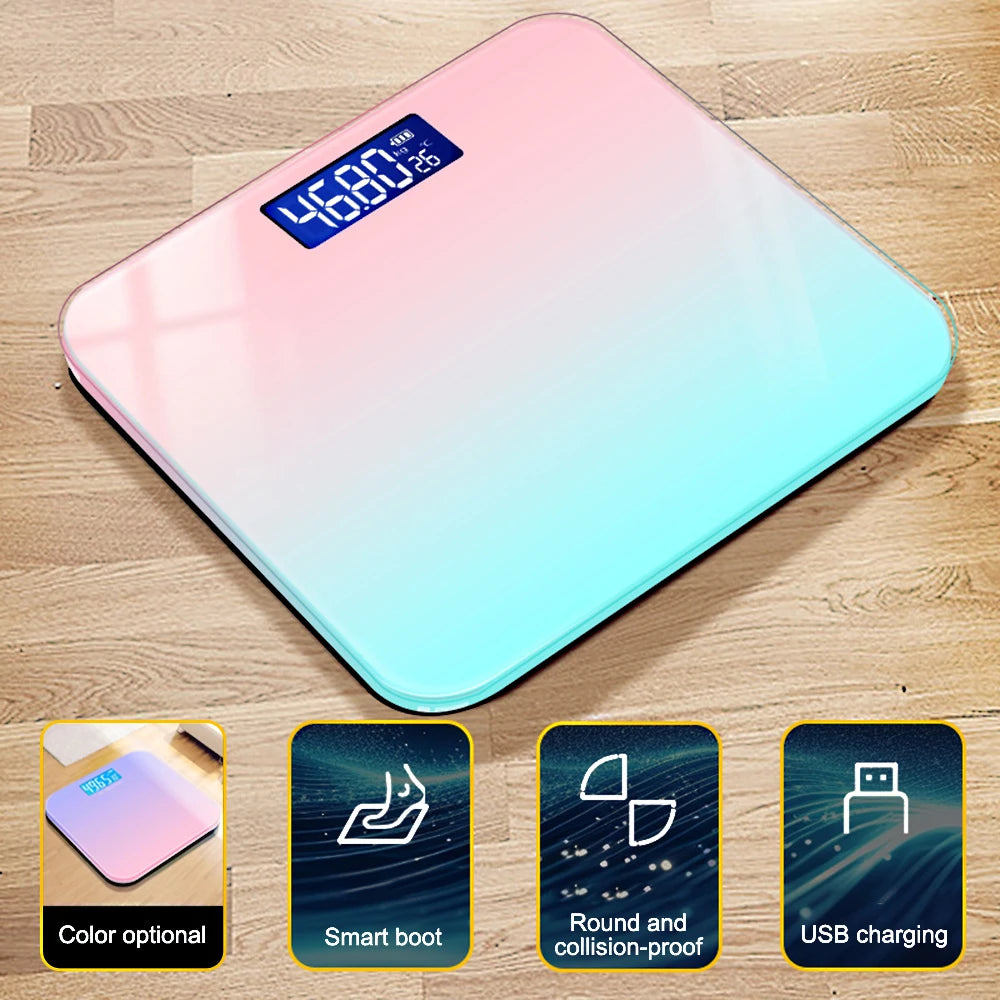
💡 See it in action: Digital body scale with smart tracking — great for modern wellness goals.
What Is a Digital Body Scale?
A digital body scale is an electronic device that measures body weight using pressure sensors instead of mechanical springs. Unlike traditional analog scales, digital models display your weight on a screen and often include advanced features such as body composition analysis and smartphone syncing.
Modern smart scales can measure more than just weight. Many models estimate body fat percentage, muscle mass, BMI, and water levels using bioelectrical impedance technology.
How Digital Body Scales Measure Weight
Digital scales use strain gauge sensors located under the platform. When you step on the scale, these sensors detect pressure and convert it into an electrical signal. The internal processor calculates the weight and displays the result on the screen within seconds.
This electronic measurement system is generally more precise than mechanical scales, but accuracy depends heavily on correct placement, calibration, and proper weighing technique.
What Smart Scales Measure Beyond Weight
Many digital body scales now include body composition tracking. These smart scales send a very small electrical current through the body to estimate additional metrics such as:
- Body fat percentage
- Body mass index (BMI)
- Muscle mass
- Bone mass
- Body water percentage
While these readings are estimates rather than medical measurements, they can still help you monitor long-term health trends.
Step-by-Step: How to Use a Digital Body Scale Correctly
Using a digital body scale properly ensures your weight readings are accurate and consistent. Follow these simple steps to weigh yourself the right way.
Step 1: Place the Scale on a Hard, Flat Surface
Always place your scale on a solid floor such as tile, hardwood, or concrete. Soft surfaces like carpet can cause inaccurate readings because the sensors cannot measure pressure evenly.
Step 2: Turn On and Calibrate the Scale
Most digital scales automatically calibrate when turned on. Tap the scale lightly with your foot, wait for it to display zero, and allow it to reset before stepping on.
Step 3: Stand Correctly on the Scale
Step onto the center of the platform with both feet evenly spaced. Stand still, keep your weight balanced, and avoid holding onto nearby objects.
Step 4: Wait for the Reading to Stabilize
Remain still until the display stops fluctuating and locks in your weight. Many scales flash the numbers briefly before settling on the final reading.
Step 5: Record Your Weight for Consistency
Track your weight over time rather than focusing on a single measurement. Recording daily or weekly readings helps you identify real trends instead of normal day-to-day fluctuations.
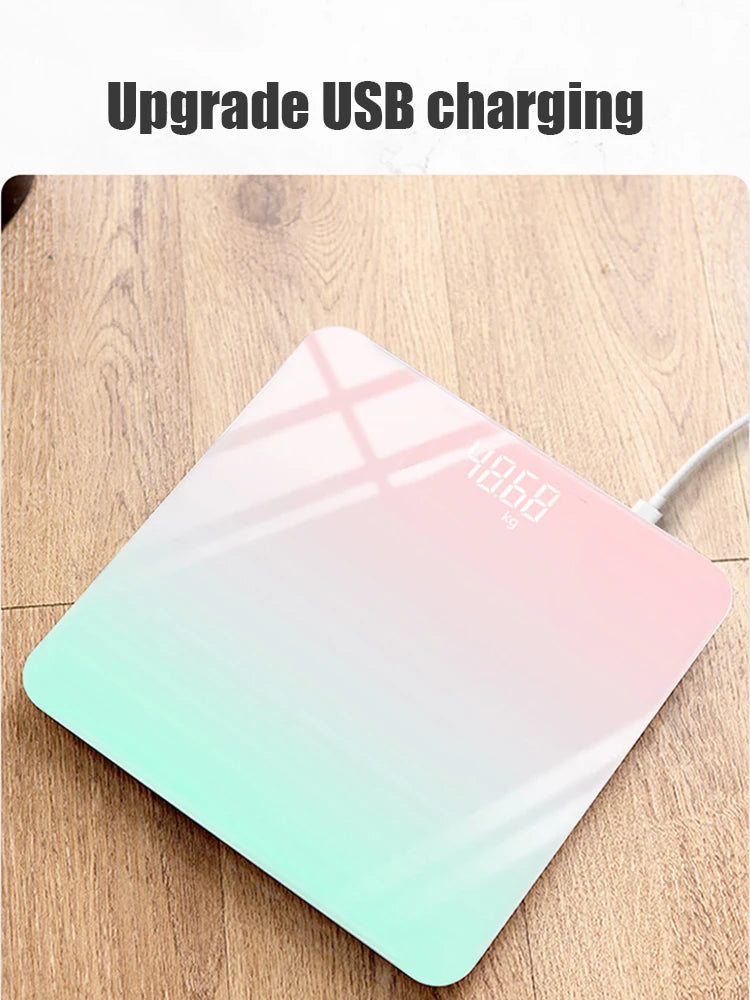
💡 Glass digital body scale with Bluetooth — stylish and smart. Compare features now.
Top 5 Mistakes That Sabotage Your Digital Body Scale
Even the most advanced digital body fat scale can give incorrect readings if used improperly. Avoid these common mistakes.
Weighing on Carpet or Uneven Floors
Soft surfaces interfere with the pressure sensors inside the scale. Always place your scale on a solid, flat surface like tile or hardwood for consistent measurements.
Weighing at Different Times Every Day
Your body weight changes throughout the day due to hydration and food intake. Weighing yourself at random times makes it difficult to compare results accurately.
Moving the Scale Between Weigh-Ins
Digital scales often recalibrate based on their position. Moving the scale frequently can cause slight variations in readings.
Standing Incorrectly on the Platform
Leaning forward, shifting your weight, or holding onto a wall can affect measurements. Stand centered and balanced for the best results.
Ignoring Calibration or Low Battery Warnings
Low batteries and missed calibration can cause unstable readings. Replace batteries when needed and reset the scale if the numbers appear inconsistent.
Digital Body Scale Accuracy Tips (How to Get Consistent Results)
If you want reliable readings from your digital body scale, consistency is key. Small changes in timing, placement, or clothing can affect the number you see.
Weigh Yourself at the Same Time Each Day
The best time to weigh yourself is in the morning after using the bathroom and before eating or drinking. This provides the most stable and comparable measurements.
Keep the Scale in the Same Location
Moving your scale to different areas of the house can affect calibration. Place it in one location and leave it there to maintain consistent readings.
Use Minimal Clothing or the Same Clothing
Heavy clothing can easily add one or two pounds to your weight. For the most accurate results, weigh yourself wearing minimal clothing or the same clothing each time.
Track Weight Trends Instead of Single Readings
Body weight naturally fluctuates throughout the day. Instead of focusing on a single number, monitor your weight over days or weeks to understand the overall trend.
Why Your Digital Scale Shows Different Weight
It’s normal for digital scales to display slightly different readings at times. Several factors can cause weight fluctuations or inconsistent measurements.
Natural Body Weight Fluctuations
Your body weight can change throughout the day due to hydration, food intake, and digestion. A fluctuation of one to three pounds in a single day is common.
Hydration and Food Intake
Drinking water, eating meals, or exercising can temporarily increase or decrease your weight. This is why weighing yourself at the same time each day is important.
Scale Surface and Calibration Issues
If your scale sits on carpet or uneven flooring, the sensors may not measure pressure correctly. Moving the scale frequently can also affect calibration.
Sensor or Battery Problems
Low batteries or worn sensors may cause unstable readings. Replacing the batteries or resetting the scale can often resolve the issue.
Digital Body Scale Calibration Tips
Calibrating your digital scale helps ensure it provides accurate readings. Most modern scales calibrate automatically, but occasionally resetting them can improve accuracy.
How to Calibrate Most Digital Scales
- Place the scale on a flat surface.
- Turn it on and allow it to display zero.
- Step on briefly and step off.
- Wait for the scale to reset before weighing yourself.
When Your Scale Needs Recalibration
Your scale may need recalibration if it was moved to a new location, displays inconsistent numbers, or shows a reading that seems unrealistic.
Signs Your Digital Scale Is Inaccurate
- The number changes dramatically between measurements
- The scale does not return to zero
- Different users receive unrealistic readings
Understanding Smart Scale Metrics (Body Fat, BMI, Muscle Mass)
Many modern digital body scales include body composition tracking. These features estimate different aspects of your body using bioelectrical impedance analysis.
How Bioelectrical Impedance Works
Smart scales send a very small electrical current through the body via sensors on the platform. Because fat, muscle, and water conduct electricity differently, the scale estimates body composition based on the resistance detected.
Why Smart Scale Measurements Vary
Hydration levels, exercise, and even the time of day can influence bioelectrical impedance readings. These measurements are best used for tracking trends rather than precise medical evaluation.
Which Metrics Actually Matter
For most people, focusing on weight trends, body fat percentage, and overall consistency provides the most meaningful insight into health progress.
Mini-FAQ: Digital Body Scales
-
Q: Why does my digital scale show different weights?
A: Weight can fluctuate due to hydration, food intake, time of day, or scale placement. For consistency, weigh yourself at the same time each day on a flat surface. -
Q: How often should I calibrate my digital scale?
A: Most scales recalibrate automatically, but resetting them once a month or after moving them can help maintain accuracy. -
Q: What is the best time to weigh yourself?
A: Morning is best—after using the bathroom and before eating or drinking. -
Q: Are smart scale body fat readings accurate?
A: Smart scale body fat measurements are estimates, but they are useful for tracking long-term trends when measured consistently.

💡 Try the digital body scale trusted by health-focused women. Available now!
Explore more smart wellness solutions in our curated Body Care and Health Devices collection or browse the latest guides in the Beauty & Self-Care Blog.
Related Articles:
- Digital Body Fat Scale Tutorial: Maximize Accuracy Every Time
- How to Measure Your Body Shape Using Measurements + Digital Tools
- How to Track Weight Room Workouts Using Smart BMI Scales
- Your Scale Bluetooth App Isn’t Syncing? Here’s the Fix
- Stop Guessing: How to Set Up Your Bluetooth Smart Scale in 3 Minutes
Pillar Articles:













