How to Use a Foot Massager for Plantar Fasciitis (Step-by-Step Guide)
Foot massagers may help relieve plantar fasciitis symptoms by reducing muscle tension, easing stiffness, and providing short-term comfort around the heel and arch. The best results usually come from using a foot massager gently and consistently as part of a broader plantar fasciitis treatment plan that may also include stretching, strengthening, supportive footwear, and other therapies.
- A foot massager may help reduce plantar fasciitis-related heel pain and stiffness, but it does not treat the underlying cause by itself.
- Start with low pressure or vibration and stop if symptoms become sharper or significantly worse.
- Short sessions of about 5–15 minutes are often a reasonable starting point; longer or more frequent use is not automatically better.
- Massage can be combined with calf and plantar fascia stretching, strengthening, supportive footwear, and other recommended treatments.
- People with diabetes, reduced sensation, circulation problems, or persistent or severe pain should seek professional guidance before using an intense massager.
Can a Foot Massager Help Plantar Fasciitis?
Yes, a foot massager can help some people manage plantar fasciitis symptoms by temporarily reducing tightness, stiffness, and discomfort in the foot and surrounding muscles. Massage may be particularly useful when the plantar fascia and calf muscles feel tight after walking, exercise, or prolonged standing.
However, a foot massager is best viewed as a symptom-management tool rather than a standalone cure. Plantar fasciitis often improves with a combination of activity modification, stretching, strengthening, appropriate footwear, and other treatments selected according to the cause and severity of the pain.
What the Evidence Says
Massage and other soft-tissue techniques may provide short-term relief by reducing muscle tension and improving comfort. The potential benefit is especially relevant when tight calf muscles or surrounding soft tissues contribute to increased stress on the plantar fascia.
For this reason, a foot massager for plantar fasciitis may be useful as part of a broader recovery routine. The goal is not to aggressively “break up” tissue or force pressure into a painful heel. Instead, comfortable massage can help you relax tense tissues and move more easily while other treatments address strength, flexibility, footwear, and load management.
When Massage Helps Most
A foot massager may be most useful when discomfort is associated with muscle tightness, stiffness after rest, prolonged standing, or activity-related fatigue. Gentle massage can also be convenient after a long day when the feet feel tense and sore.
Many people find that a short session followed by gentle stretching is more comfortable than using intense pressure for a long period. Your response matters: mild, temporary tenderness may occur, but sharp, escalating, or persistent pain is a reason to reduce the intensity or stop.
Limitations and Realistic Expectations
- A foot massager does not automatically correct the cause of plantar fasciitis.
- Deep pressure may aggravate an already sensitive or irritated area.
- Heat may feel soothing, but it is not appropriate for every situation or every person.
- Persistent, severe, or worsening heel pain may require evaluation by a healthcare professional.
What Is Plantar Fasciitis and Why Heel Pain Develops
Plantar fasciitis is a common cause of pain along the bottom of the foot, particularly near the heel. The plantar fascia is a strong band of connective tissue that runs from the heel bone toward the toes and helps support the foot's arch.
Plantar Fascia Anatomy
The plantar fascia helps absorb load and contributes to the mechanics of walking and running. Repeated stress from standing, walking, running, changes in activity, or other factors can irritate the tissues around the heel and arch.
When the foot is repeatedly exposed to more load than it can comfortably tolerate, symptoms may develop gradually. This is one reason why simply applying more pressure to a painful area is not always the best approach. A foot massage device may help relax surrounding tissues, but recovery also depends on managing the forces placed on the foot.
Common Symptoms and Causes
- Sharp or aching pain near the heel or arch
- Pain that may be worse with the first steps after sleeping or resting
- Stiffness after prolonged sitting
- Discomfort that increases with extended standing or walking
- Tight calf muscles or limited ankle flexibility
- Symptoms associated with a sudden increase in running, walking, or other activity
Risk factors can include repetitive loading, prolonged standing, changes in exercise volume, and footwear that does not provide adequate comfort or support for your needs. A foot massager may help with some of the associated tightness, but it should be part of a complete approach to foot care.
Choose the Right Foot Massager for Plantar Fasciitis
The best foot massager for plantar fasciitis depends on how sensitive your feet are, how much control you want over pressure, and whether you prefer a simple manual tool or an electric device. More intensity is not necessarily better, especially when the heel is painful.
Electric Foot Massager Machines
An electric foot massager can provide consistent vibration, rolling, kneading, or other forms of mechanical stimulation with less effort than a manual tool. These devices may be convenient for regular use, particularly when you want a predictable routine after work or exercise.
Look for adjustable intensity and settings that allow you to begin gently. A model that feels comfortable at a low setting may be more useful than one that only feels effective when used aggressively.
Foot Rollers and Massage Balls
Foot rollers and massage balls offer more direct control over pressure and movement. They are portable, relatively simple to use, and can target specific areas of the sole.
The main limitation is that it is easy to apply too much pressure, particularly when attempting to massage directly over a painful heel. Slow, controlled movement is generally preferable to forceful rolling.
Shiatsu, Compression and Heated Models
Shiatsu-style devices may use mechanical kneading or rotating nodes, while compression models use air pressure around parts of the foot. Heated models add warmth to the massage experience.
These features may improve comfort for some users, but they also make it important to understand your sensitivity to pressure and heat. If a device causes sharp pain, numbness, burning, or a noticeable increase in symptoms, stop using it.
Which Option Fits Your Symptoms?
- Choose an electric foot massager if you want convenience, consistent stimulation, and adjustable settings.
- Choose a foot roller or massage ball if you want maximum control over location and pressure.
- Choose a heated model if warmth feels comfortable and you do not have reduced heat sensation or another condition that makes heat unsafe.
- Choose lower-intensity options if your heel is highly sensitive or symptoms flare easily.
How to Use a Foot Massager for Plantar Fasciitis Step by Step
Prepare Your Foot
- Sit in a stable, comfortable position rather than standing on the device.
- Check your feet for open wounds, irritated skin, or other areas that should not be massaged.
- Read the manufacturer's instructions before using an electric foot massager.
- Keep the device on a stable surface and make sure you can stop the session easily.
Choose the Right Settings
Begin with the lowest comfortable pressure, vibration, or massage setting. If the device includes heat, start with a comfortable temperature rather than the highest setting.
The sensation should feel soothing or comfortably stimulating—not sharp, burning, or intensely painful. Increase intensity gradually only if your foot responds well.
Massage Sequence
- Begin with a gentle setting for a short warm-up period.
- Allow the device to work across the foot without immediately targeting the most painful spot with maximum pressure.
- Use gentle, controlled stimulation around the arch and surrounding tissues.
- Reduce pressure if the heel feels irritated or increasingly tender.
- Stop the session if you develop sharp pain, numbness, burning, or worsening symptoms.
For a foot massager machine, follow the device's recommended instructions and avoid assuming that a longer session will produce better results.
Finish With Stretching and Recovery
After massage, gentle calf and plantar fascia stretches may help maintain mobility. Avoid immediately following a comfortable massage session with high-impact activity if your foot is already irritated.
Hydration, supportive footwear, and appropriate activity modification can also help you build a more complete recovery routine.
How Long Should You Use a Foot Massager for Plantar Fasciitis?
Session Length
Start with approximately 5–10 minutes if your foot is sensitive, then consider increasing to around 10–15 minutes if the response is comfortable. Some people may tolerate sessions of up to 20 minutes, but longer sessions are not automatically more effective.
Daily and Weekly Frequency
Many people can try a short session once daily and adjust according to how their feet respond. If a session consistently leaves you more painful afterward, reduce the duration or intensity rather than increasing use.
Consistency is generally more practical than occasional aggressive massage. A gentle routine that you can perform regularly may be easier to combine with stretching and strengthening exercises.
Progression From Flare-Ups to Maintenance
During a symptom flare-up, use less pressure and shorter sessions. As your foot becomes more tolerant, you may gradually return to a regular maintenance routine. If symptoms continue to worsen despite reducing intensity and activity, consider seeking professional advice.
How to Use a Foot Roller for Plantar Fasciitis
A foot roller can provide targeted pressure along the sole, but it should be used gently. The goal is to reduce uncomfortable tightness without aggressively pressing into a painful heel.
Rolling Technique
- Sit in a chair with your foot supported comfortably.
- Place the roller under the sole of the foot.
- Roll slowly from the area behind the toes toward the heel and back again.
- Use controlled movements rather than fast, forceful rolling.
- Stop if symptoms become sharp or significantly worse.
Pressure Control
Begin with light pressure and increase only if the sensation remains comfortable. You should be able to control the amount of weight placed on the roller by adjusting your seated position.
Avoid treating pain as a sign that the roller is “working better.” Excessive pressure can irritate sensitive tissues and may make it harder to judge whether your overall recovery routine is helping.
Common Mistakes
- Rolling directly over a highly painful spot with excessive force
- Using a hard roller for too long during a flare-up
- Moving too quickly to control pressure
- Ignoring pain that remains worse after the session
Benefits of Foot Massage for Heel Pain Relief
Pain Relief
Gentle foot massage may temporarily reduce discomfort by helping relax tense muscles and improving the overall sensation of the foot. The degree and duration of relief vary from person to person.
Mobility and Flexibility
When foot and calf tissues feel less stiff, movement may feel more comfortable. This can make it easier to perform stretching and mobility exercises that are commonly included in plantar fasciitis care.
Muscle Recovery
Massage may help reduce the sensation of muscle tightness after prolonged standing, walking, or exercise. It can be especially useful as part of a broader recovery routine rather than as the only treatment.
Circulation
Mechanical stimulation and warmth may create a temporary feeling of increased warmth and comfort in the feet. However, people with circulation problems or reduced sensation should use extra caution and seek professional guidance when appropriate.
Combine Massage With Other Plantar Fasciitis Treatments
Massage is often most useful when combined with other approaches that address flexibility, strength, activity load, and foot comfort. A multimodal routine may provide more complete support than relying on a foot massager alone.
Calf and Plantar Fascia Stretches
Gentle calf and foot stretches can help address stiffness that may contribute to discomfort during walking. Stretching should be controlled and should not create sharp pain.
See a plantar fasciitis stretching guide for additional techniques and a more structured routine.
Strengthening Exercises
Strengthening exercises for the foot, ankle, and lower leg can support movement and load tolerance. A gradual approach is important, particularly if exercise has recently increased your symptoms.
Explore foot recovery and mobility exercises to complement massage with movement-based care.
Ice, Orthotics and Night Splints
Some people use cold therapy after activity-related irritation, while supportive footwear or orthotic devices may improve comfort during daily activities. Night splints may also be recommended in some cases, particularly when morning symptoms are prominent.
The most appropriate combination depends on your symptoms and individual circumstances. For more context, see this guide to heel pain causes and treatment .
Common Mistakes to Avoid
Using Too Much Pressure
One of the most common mistakes is assuming that deeper pressure produces faster results. Plantar fasciitis-related heel pain can be sensitive, and excessive pressure may increase irritation. Start gently and adjust based on your response.
Using Heat During Acute Inflammation
Heat can feel soothing for stiffness and muscle tension, but warmth is not ideal for every situation. If your foot is noticeably hot, swollen, or acutely irritated, avoid relying on heat to mask worsening symptoms and consider professional guidance about appropriate care.
Skipping Stretching
Massage may temporarily improve comfort, but it does not replace mobility and strengthening work. Skipping stretching or other recommended exercises can make it harder to address factors that contribute to recurring symptoms.
Safety Tips and When to See a Healthcare Professional
Who Should Avoid Foot Massage
Avoid massaging areas with open wounds, active skin infections, significant swelling, or unexplained severe pain. If you have recently experienced a significant foot injury, seek appropriate medical advice before using an intense massage device.
Diabetes and Neuropathy Precautions
People with diabetes, neuropathy, reduced sensation, or circulation problems should use particular caution with heated or high-pressure foot massagers. Reduced sensation can make it difficult to recognize excessive heat or pressure before tissue irritation occurs.
Ask a healthcare professional whether a specific device is appropriate for you before using it if you have reduced sensation or another condition that affects foot safety.
Warning Signs Requiring Medical Care
Seek professional evaluation for severe or persistent pain, significant swelling, unexplained numbness, weakness, signs of infection, or symptoms that continue to worsen despite reducing activity and using gentle self-care.
A foot massager may support comfort, but it should not delay evaluation when symptoms are severe or do not improve.
Explore complementary options in the Body Care and Health Devices collection to build a broader recovery routine.
Which Foot Massager Is Best for Plantar Fasciitis?
For those seeking a convenient electric option, the KentDO Electric Foot Massager is designed for everyday use without complex settings. Choose a comfortable intensity, begin with shorter sessions, and adjust your routine according to how your feet respond.
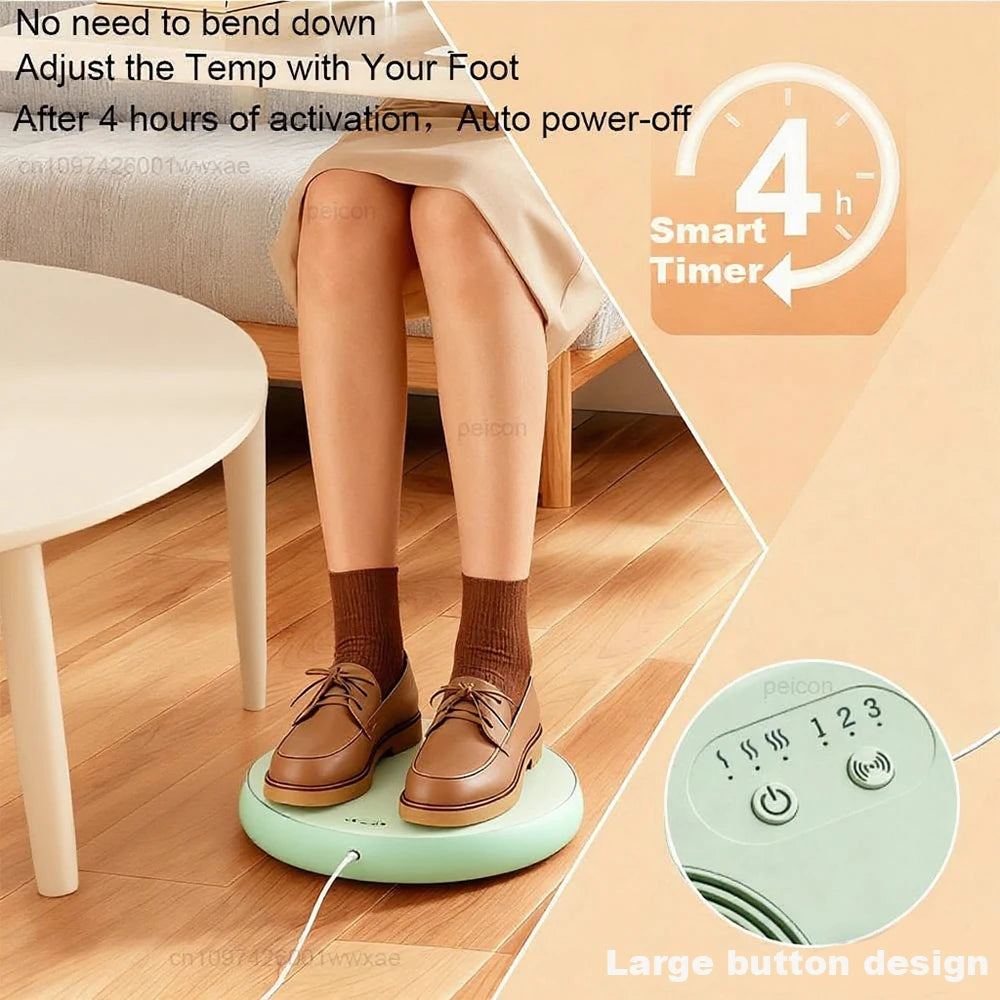
Heated vibrating foot massager for daily comfort — See it in action
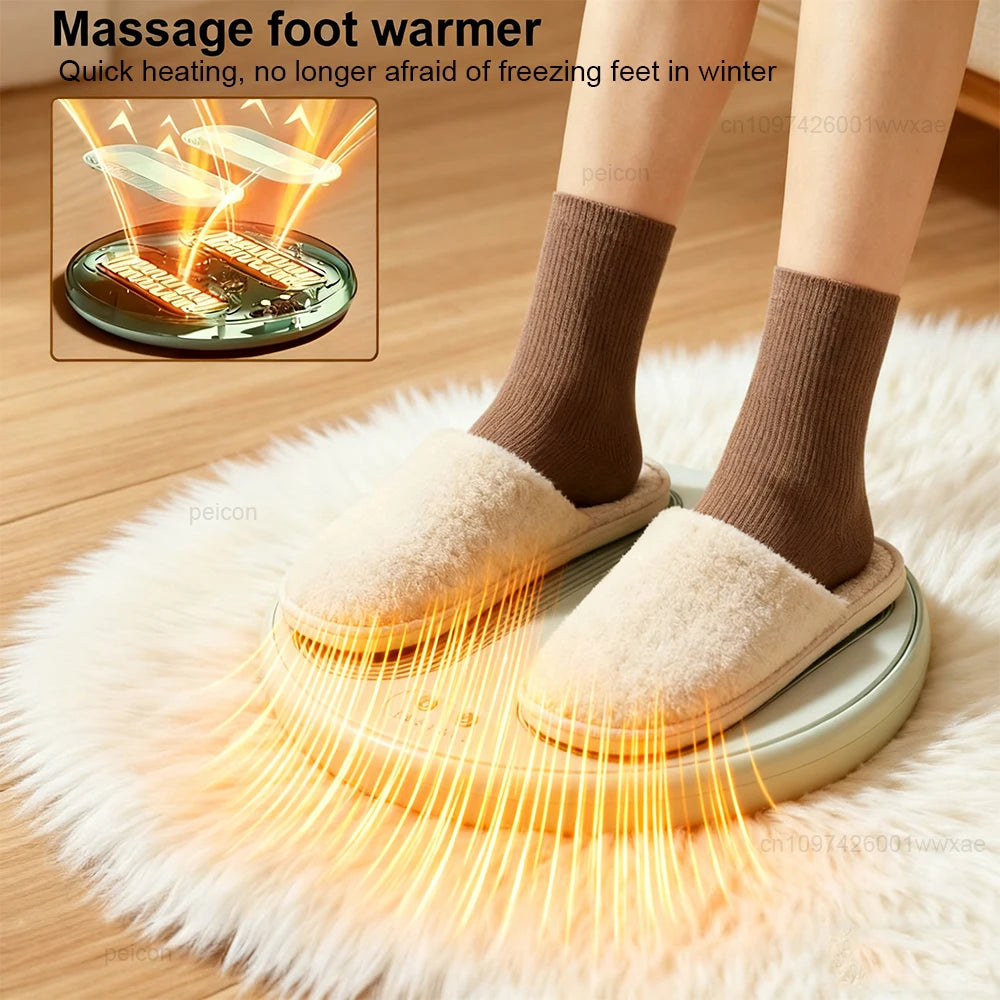
Targeted vibration supports circulation and comfort — Try it tonight
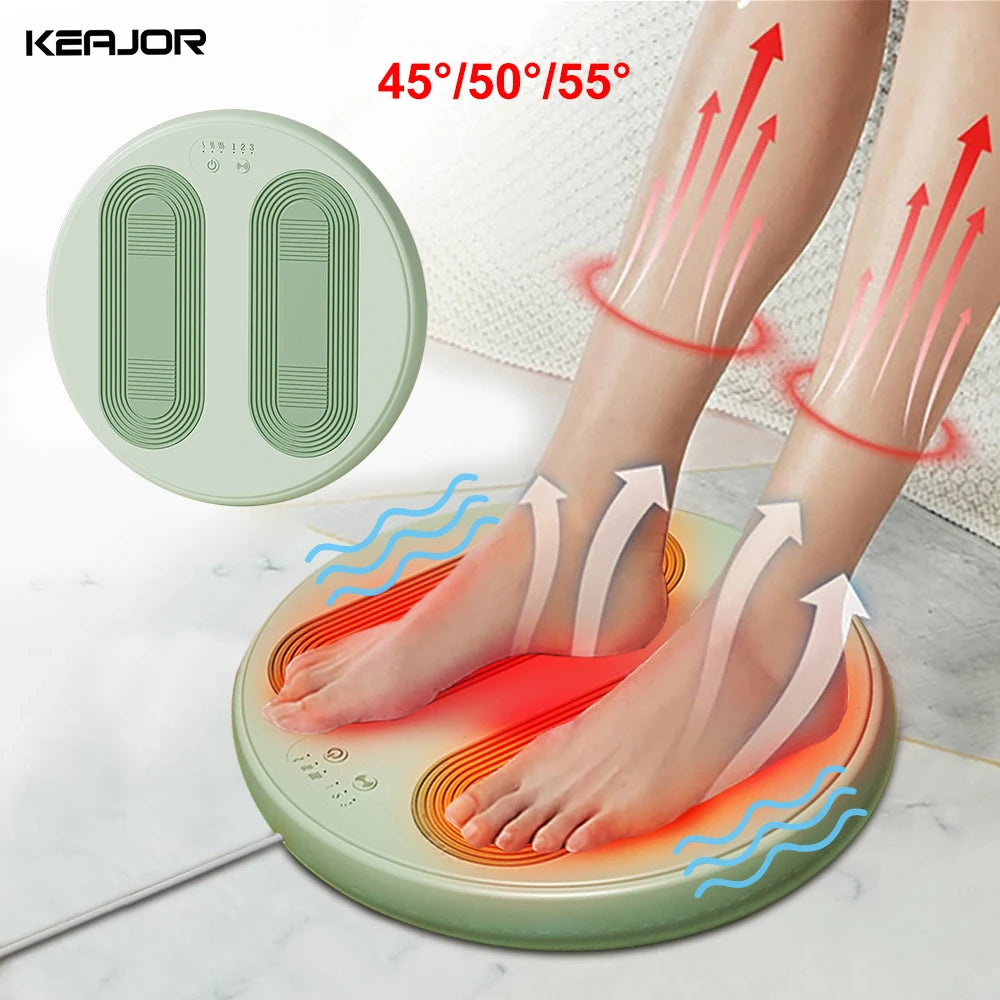
Upgrade your routine with a heated vibrating foot massager — Feel the difference
Frequently Asked Questions
Can a foot massager make plantar fasciitis worse?
Yes. Excessive pressure, overly intense vibration, or sessions that are too long may aggravate sensitive tissues and increase discomfort. Start with low intensity and stop if the pain becomes sharp or symptoms remain noticeably worse after use.
Should I use heat or massage first for plantar fasciitis?
There is no single order that works for everyone. If warmth feels comfortable, gentle heat may help you relax before massage. If your foot is acutely hot, swollen, or irritated, avoid using heat to mask worsening symptoms and consider professional guidance.
Can I use a foot massager every day for plantar fasciitis?
Many people can use a foot massager regularly if sessions are gentle and their symptoms do not worsen. Start with a short session and adjust frequency based on your response. Daily use is not appropriate if massage consistently increases pain or irritation.
What massage setting is best for plantar fasciitis?
The best setting is usually the lowest intensity that feels comfortable and does not increase symptoms. Begin with gentle vibration or pressure, then increase gradually only if your foot tolerates it well.
How long does it take for massage to relieve plantar fasciitis?
Some people notice temporary comfort during or shortly after a gentle massage session, while others may need consistent use as part of a broader recovery routine. Massage alone does not guarantee a specific recovery timeline because plantar fasciitis can have different contributing factors.
What makes this different from a homedics vibration foot massager with heat?
Foot massagers differ in their vibration patterns, pressure, heat settings, ergonomics, and controls. The most important consideration for plantar fasciitis is whether the device allows you to use a comfortable level of stimulation without aggravating your symptoms.