

Does a Heated Car Blanket Drain Your Battery?
Yes, a heated car blanket can drain your battery when the engine is off, but the risk depends on its power draw, your battery's condition, and how long you use it. Most 12V heated car blankets draw roughly 3–5 amps, or about 40–60 watts, although exact consumption varies by model and heat setting.
When the engine is running, the alternator supplies electrical power and recharges the battery, making normal use during a drive much less likely to cause battery problems. With the engine off, however, the blanket draws directly from the battery. Understanding heated car blanket battery consumption helps you choose safer runtimes and avoid a vehicle that will not start.
How to Use a Heated Car Blanket Safely: Complete Winter Car Safety Guide
⏱ 8 min read
Cold-weather drives can be uncomfortable, especially during long road trips, traffic delays, roadside emergencies, or stops in freezing conditions. A 12V heated car blanket can provide targeted warmth without heating the entire cabin, but safe use depends on more than simply plugging it into a car outlet. You need to match the blanket to your vehicle, understand power draw, protect the battery, and know when not to use it.
Learn how a 12V heated car blanket works with your vehicle's power system and how to use it safely in cold weather.
What is the safest way to use a heated blanket in a car? Use a vehicle-compatible 12V blanket, inspect the electrical connections, keep the blanket dry and unobstructed, and use the vehicle's charging system for extended sessions whenever possible.
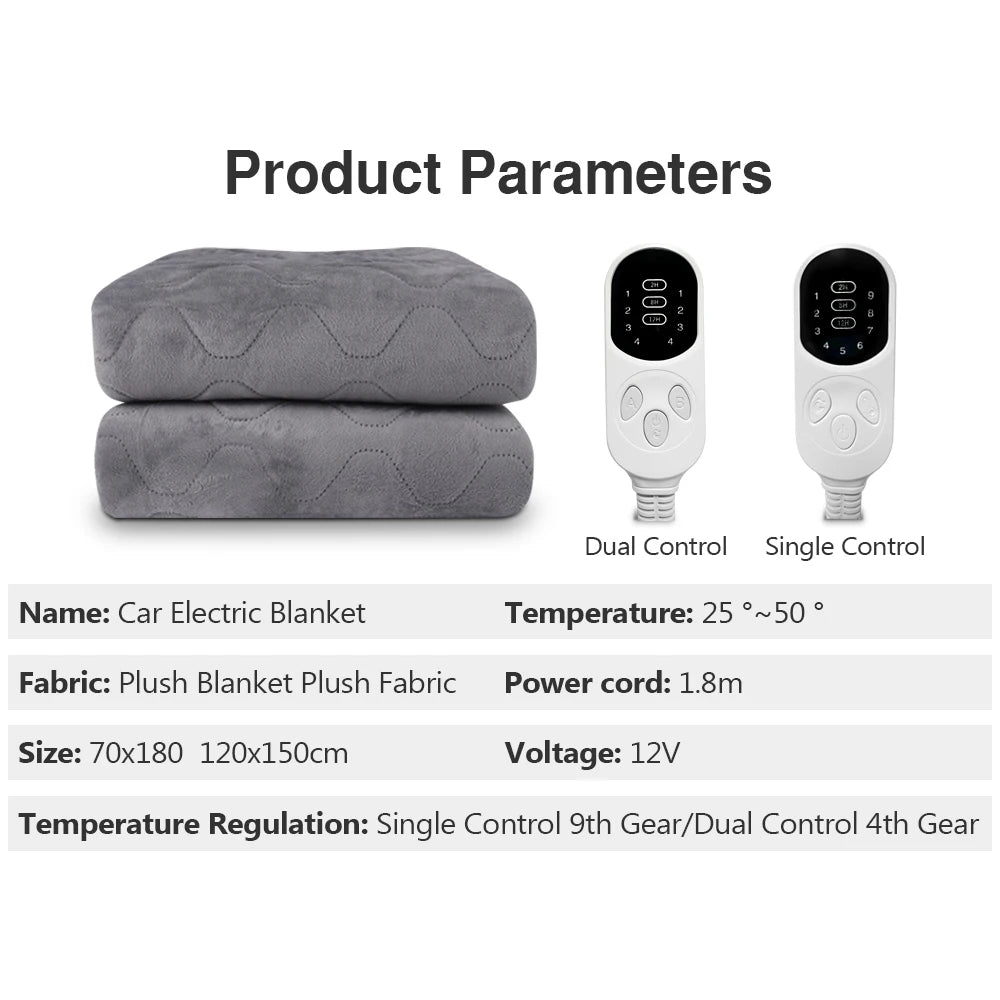
Stay warm without stress — use heated car blanket safely on every winter drive See it in action
Quick Heated Car Blanket Safety Checklist Before You Start
Before using a heated car blanket, take a few seconds to check the blanket, power connection, and vehicle. This simple winter car blanket safety guide can prevent many common electrical and overheating problems.
Confirm Blanket Compatibility
Check that the blanket is designed for your vehicle's power system. A standard 12V car blanket should be used with a compatible 12V automotive outlet or power source. Do not assume that every electric blanket is suitable for a vehicle.
Inspect Cords, Plugs, and Outlet
Look for frayed wires, exposed conductors, melted plastic, bent connectors, corrosion, or a loose plug. Check the vehicle outlet as well. If either the blanket or the outlet appears damaged, do not use the setup until the problem is properly addressed.
Start the Engine for Extended Use
For longer sessions, using the blanket while the engine is running generally reduces the risk of discharging the starting battery because the alternator supplies power. Follow local laws and safe driving practices, and never rely on idling as a substitute for proper emergency planning.
Keep the Blanket Dry and Unobstructed
Keep the blanket away from water and allow heat to dissipate as designed. Do not fold, bunch, compress, or cover a powered heated blanket with heavy objects or materials that could trap heat.
How Does a Heated Car Blanket Work?
Understanding how a heated car blanket works makes safe operation easier. A 12V automotive blanket uses internal electrical heating elements to convert electricity into heat. The vehicle's 12V power system supplies the energy, while the blanket's controller may regulate temperature through different heat settings.
12V Heating System Explained
A 12V heated car blanket is designed for automotive electrical systems. When connected to a compatible vehicle outlet, electrical current passes through the blanket's heating elements, producing warmth across the fabric. The actual power draw depends on the blanket design, heat setting, and operating conditions.
Household Electric Blanket vs 12V Car Blanket
A household electric blanket is typically designed for a mains electricity supply, while a 12V car blanket is designed for automotive power. They are not automatically interchangeable. Using a household blanket in a car may require an inverter, and the inverter and vehicle outlet must be properly rated for the load.
For most drivers, a purpose-built 12V blanket is the simpler option because its electrical design is intended for vehicle use. Always follow the product manufacturer's instructions.
Understanding Power Draw and Heat Output
Higher heat settings generally use more electricity. A blanket that draws 4 amps from a 12V system uses approximately 48 watts under ideal conditions, although actual consumption varies. This is why checking the product's rated voltage and amperage is more useful than assuming all heated blankets consume the same amount of power.
How to Power a Heated Blanket in Your Car Safely
Using the Car Power Outlet Correctly
Connect a compatible 12V heated blanket directly to a suitable vehicle power outlet whenever possible. Avoid improvised wiring, damaged adapters, or unapproved extension arrangements. Make sure the plug is fully seated without forcing it into the socket.
Check Outlet Amperage and Fuse Limits
Before using a high-draw accessory, check the vehicle manual for the outlet's maximum rated load and the blanket's electrical specifications. A power outlet may be protected by a fuse with a specific limit. The blanket's requirements should not exceed the outlet or circuit rating.
If a fuse repeatedly blows, do not simply install a higher-rated fuse. The repeated failure may indicate an overload, short circuit, damaged accessory, or vehicle electrical problem that needs attention.
Portable Power Stations vs Vehicle Battery
A properly rated portable power station can provide an alternative source of electricity when the engine is off. Runtime depends on the station's usable capacity and the blanket's power draw. A larger battery does not automatically make every connection safe, so check output voltage, current limits, connectors, and manufacturer instructions before use.
Prevent Excessive Battery Consumption
To reduce heated car blanket battery consumption , avoid leaving the blanket powered during long engine-off periods. Turn it off when you no longer need it, unplug it when appropriate, and pay attention to signs of a weak vehicle battery. Cold weather can already make starting more demanding, particularly for an older or poorly charged battery.
See how a 12V electric blanket fits seamlessly into daily travel.
Step-by-Step Guide to Using Your Heated Car Blanket Safely
Connect the Blanket Correctly
Park safely, inspect the blanket and cable, and confirm that the vehicle outlet and blanket have compatible electrical specifications. Insert the plug securely without forcing or modifying the connector.
Position the Blanket Safely
Lay the blanket flat across your lap or over the area intended by the manufacturer. Avoid folding or bunching it while powered, as uneven positioning can create concentrated hot spots and interfere with heat dissipation.
Keep the blanket away from pedals, steering controls, gear selectors, and other equipment needed to operate the vehicle. The driver must always be able to control the vehicle without obstruction.
Adjust Heat During Use
Start at a lower setting and increase the temperature only as needed. Monitor your comfort and the blanket's condition during use. If you notice unusual heat, odor, discoloration, sparking, or other abnormal behavior, turn it off and disconnect it.
Turn Off, Unplug, and Store Properly
Turn the blanket off before disconnecting it. When leaving the vehicle, unplug it unless the manufacturer specifically provides different instructions for the system. Allow the blanket to cool as appropriate, then store it dry and without sharply twisting the cable.
Does a Heated Car Blanket Drain Your Battery?
Engine On vs Engine Off
When the engine is running, the alternator normally supplies electrical power to the vehicle and helps maintain the battery's charge. This makes a compatible 12V heated car blanket generally more suitable for extended use during a drive.
When the engine is off, the blanket draws electricity from the battery. The longer it runs, the more energy it uses. A vehicle with a weak, old, partially charged, or cold battery may have less reserve capacity than expected.
How Long Can You Safely Run It?
There is no universal safe runtime for every vehicle and blanket. A blanket's power draw, battery capacity, battery age, ambient temperature, and the vehicle's electrical condition all affect the result. Short engine-off use may have a limited impact on a healthy battery, but extended use can leave insufficient charge for starting the vehicle.
For that reason, avoid treating a fixed time limit as a guarantee. If you need warmth for a prolonged period while the engine is off, use a properly rated independent power source rather than relying on the vehicle's starting battery.
Typical Battery Consumption
For a rough example, a 12V blanket drawing 4 amps uses approximately 48 watts. A 60-watt blanket draws about 5 amps at 12V. Actual vehicle battery performance is more complicated than simply dividing battery capacity by amperage because starting batteries are not designed to be fully discharged, and cold temperatures can reduce available performance.
When to Disconnect
Disconnect the blanket when you no longer need it, before leaving the vehicle unattended, and whenever you notice unusual operation. If the vehicle shows signs of low electrical power or you are concerned about starting capacity, stop using the blanket and prioritize preserving the battery.
Vehicle Compatibility Guide
A car power outlet heated blanket can work in many types of vehicles, but the outlet design and electrical limits vary. Always check the vehicle and blanket specifications before use.
Cars and SUVs
Many cars and SUVs include 12V accessory outlets that can power compatible automotive accessories. However, some outlets switch off when the ignition is off, while others may remain powered. Check the vehicle manual rather than assuming the outlet behaves the same way in every model.
Pickup Trucks
Pickup trucks may have multiple accessory outlets with different locations and ratings. Keep the blanket cable clear of doors, seat rails, pedals, and other moving parts. Check the rating of the specific outlet you plan to use.
RVs and Campers
RVs and campers may have multiple electrical systems, including 12V battery circuits and household-style outlets. A 12V blanket should be connected only to a compatible circuit. If using an inverter or portable power station, verify that the output is suitable for the blanket and that the system can handle the load.
Vehicles That Should Not Use Certain Blankets
Do not use a blanket if its voltage, connector, or power requirements are incompatible with the vehicle or power source. Do not modify plugs or bypass fuses to make an incompatible product work. When in doubt, follow the blanket manufacturer's instructions and the vehicle owner's manual.
Common Mistakes and How to Avoid Them
Using Damaged Cords
Frayed cables, exposed wires, cracked plugs, melted connectors, and other damage can create electrical and overheating hazards. Replace damaged equipment instead of attempting an improvised repair.
Blocking Ventilation or Folding While Powered
Do not bunch, tightly fold, compress, or cover a powered blanket in a way that could trap heat. Keep it positioned according to the manufacturer's instructions.
Leaving the Blanket Plugged In Unattended
Can you leave a heated blanket plugged in your car? It is safer not to leave a powered blanket running unattended, especially with the engine off. Turn it off and disconnect it when you leave the vehicle unless the manufacturer's instructions specifically state otherwise for the intended setup.
Using Household Blankets With Vehicle Power
Do not plug a household electric blanket directly into a vehicle outlet. A household model may require an inverter, and the inverter must be appropriately rated for the blanket's power requirements. A purpose-built 12V automotive blanket is generally the more straightforward choice for vehicle use.
When You Should Not Use a Heated Car Blanket
Sleeping While Powered
A heated car blanket should not be treated as a substitute for proper cold-weather shelter or emergency planning. Avoid sleeping under a powered blanket unless the manufacturer specifically provides instructions for that use and the entire setup is designed for it.
Wet Conditions
Keep the blanket, plug, controller, and electrical connections dry. Do not use electrical heating equipment when it is wet or exposed to water unless the product is specifically designed and rated for that environment.
Damaged Electrical Components
Stop using the blanket if the cord, controller, plug, or heating element appears damaged or behaves abnormally. Do not continue using equipment that smells burnt, sparks, overheats unexpectedly, or shows visible damage.
Medical or Manufacturer Restrictions
Follow the manufacturer's warnings and usage instructions. If you have a medical condition that affects heat sensitivity or your ability to detect excessive warmth, ask a qualified healthcare professional about appropriate use.
Troubleshooting Common Heated Car Blanket Problems
Blanket Won't Heat
Check that the blanket is switched on, the plug is fully connected, and the vehicle outlet is active. If the outlet works with another compatible accessory but the blanket does not heat, the blanket, controller, or cable may need inspection or replacement.
Blown Fuse
A blown fuse may indicate an overloaded circuit, short circuit, damaged cable, or another electrical problem. Replace a fuse only with the correct type and rating specified by the vehicle manufacturer. If the fuse blows again, stop using the accessory and have the issue checked.
Overheating
If the blanket becomes unusually hot, develops a burning smell, changes color, or behaves abnormally, turn it off and disconnect it. Do not continue testing a potentially damaged heating product.
Power Outlet Not Working
Check whether the outlet is controlled by the ignition and whether another compatible accessory works. If the outlet remains inactive or repeatedly blows a fuse, consult the vehicle manual or a qualified technician rather than bypassing the circuit.
Cleaning, Maintenance, and Storage
Cleaning Instructions
Follow the blanket manufacturer's care instructions before washing or cleaning. Remove detachable controllers or power components if the instructions require it, and never immerse electrical components unless the product is specifically designed for that purpose.
Routine Inspections
Before and after the cold season, inspect the fabric, heating area, cable, connector, controller, and plug. Look for wear, discoloration, loose connections, or damage that could affect safe operation.
Proper Cable Storage
Store the cable without sharply bending or tightly wrapping it around the controller or plug. Avoid placing heavy objects on the cable during storage.
Off-Season Storage
Store the blanket clean and completely dry in a cool, dry location. Follow the manufacturer's folding or rolling instructions to help protect the internal heating elements.
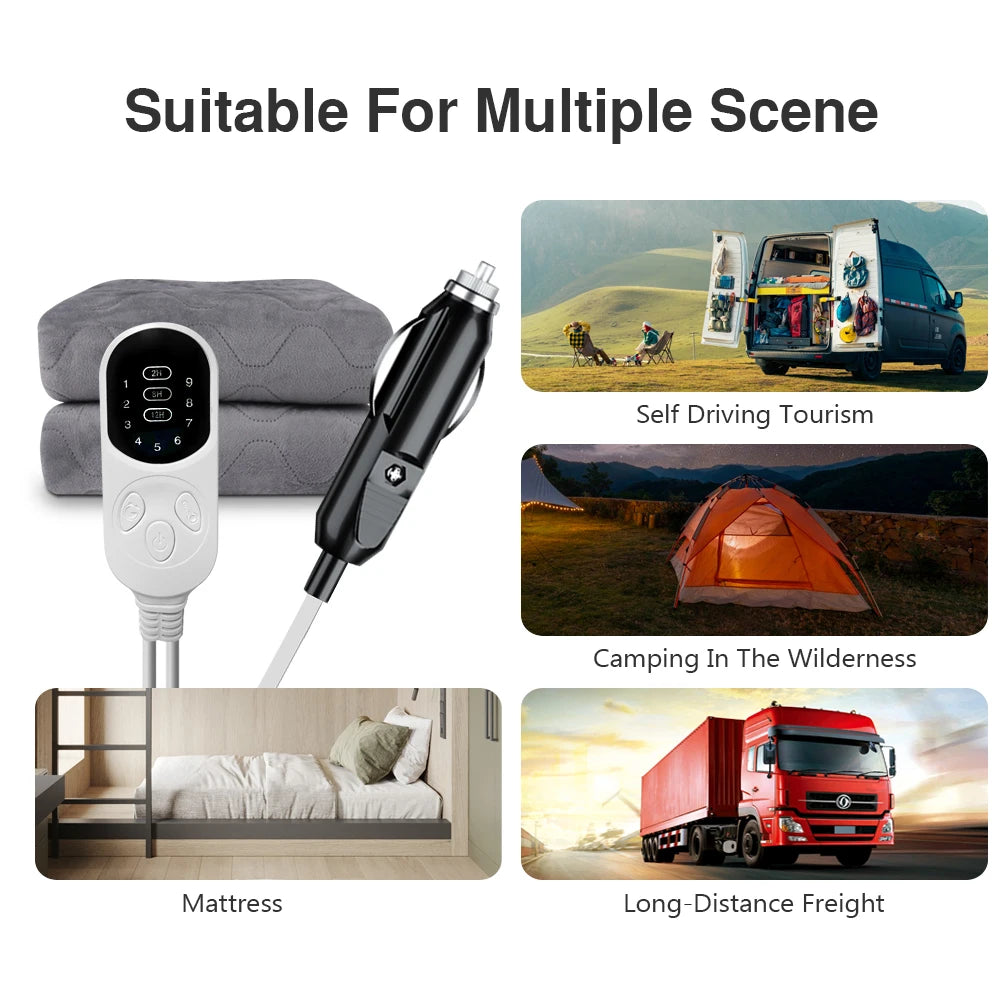
Designed for your power outlet in car — warmth without battery anxiety
Winter Emergency Travel Tips Beyond Your Heated Blanket
Build a Winter Emergency Kit
A heated blanket is only one part of a winter preparedness plan. Consider carrying warm clothing, blankets that do not require electricity, water, food, a flashlight, a phone charger or backup battery, reflective equipment, and other items recommended for your driving conditions.
Reduce Engine Idling Risks
If you are stranded, follow local emergency guidance and avoid unnecessary idling. Never run a vehicle in an enclosed or poorly ventilated space because exhaust fumes can be dangerous. Keep the exhaust area clear of snow and other obstructions.
Stay Warm Safely if Stranded
Use layered clothing and non-electric insulation as backup warmth. If you need to run the engine for heat, follow safe ventilation practices and make sure the exhaust pipe is clear. A heated blanket can provide targeted warmth, but it should not replace a broader winter emergency plan.
Explore practical warmth solutions built for long drives.
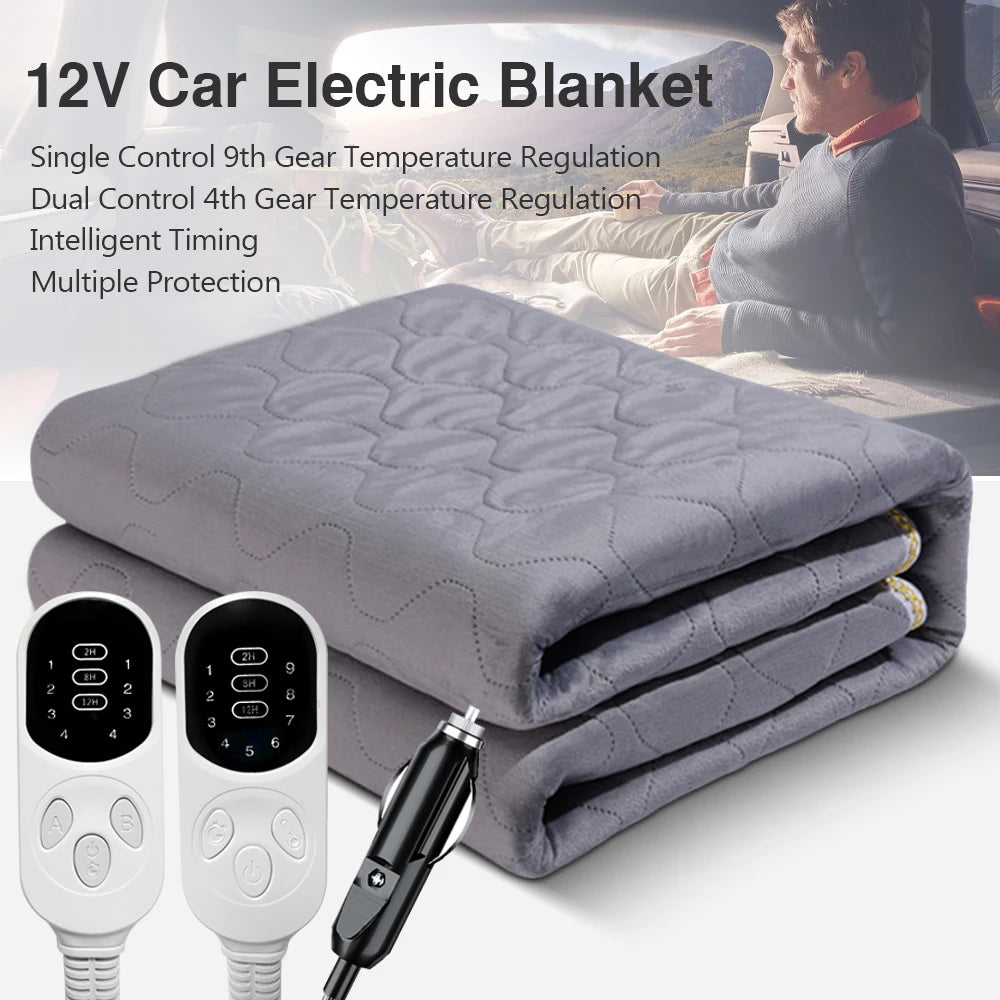
Confidence on cold nights — avoid freezing car during road trips ❄️ See it in action
Winter Car Blanket Safety Guide: FAQs
Can I leave a heated car blanket plugged in overnight?
It is generally not recommended. With the engine off, the blanket can continue drawing power from the vehicle battery, and leaving a powered heating product unattended adds unnecessary risk. Follow the manufacturer's instructions and disconnect it when it is no longer needed.
Is it safe for kids or pets?
Use extra caution and supervise children or pets. Keep the blanket flat, use the manufacturer's recommended settings, and make sure the user cannot accidentally obstruct the blanket or damage the cord. Never leave a child or pet unattended with a powered heating product.
What makes a good 12V electric blanket?
Look for a vehicle-compatible 12V design, clear power specifications, adjustable heat settings, appropriate safety features, durable construction, and clear manufacturer instructions. Relevant safety certifications may also help, depending on the product and market.
How long can I run a heated blanket in my car?
With the engine running, a compatible blanket can generally be used for extended periods within the manufacturer's instructions. With the engine off, runtime depends on the blanket's power draw and the vehicle battery's available capacity. There is no universal safe time limit, so avoid long engine-off use when relying on the starting battery.
Do heated car blankets pose a fire risk?
Any electrical heating product requires proper use. Risk can increase when a blanket is damaged, folded or compressed while powered, exposed to water, connected to an overloaded circuit, or used contrary to the manufacturer's instructions. Stop using a blanket if it shows unusual heat, odor, sparking, or damage.
Can I use a household electric blanket with a car inverter?
Possibly, but only if the inverter and vehicle power system are properly rated for the blanket's electrical requirements. An inverter also introduces additional conversion losses and electrical considerations. A purpose-built 12V automotive blanket is usually simpler for vehicle use.
Will a heated car blanket blow my vehicle fuse?
It can happen if the blanket or its connection exceeds the outlet or circuit's rated capacity, or if there is a fault. Check the blanket's specifications and vehicle manual. Never replace a blown fuse with one of a higher rating just to keep the blanket operating.
Can I use a heated car blanket while the engine is off?
Yes, some blankets can operate while the engine is off, but they draw power from the battery. Short use may have a limited effect on a healthy battery, while extended use can reduce the charge enough to cause starting problems. Use an appropriately rated independent power source for longer engine-off sessions when possible.
How much power does a 12V heated blanket use?
Many 12V heated blankets draw approximately 3–5 amps, or around 36–60 watts, depending on the model and heat setting. Check the product label or manufacturer's specifications for the exact power requirement.
Is it safe to sleep under a heated car blanket?
Do not assume that a heated car blanket is safe for sleeping. Follow the manufacturer's intended-use instructions and warnings. Never sleep with a damaged or improperly positioned electrical heating product, and do not use it as a substitute for safe shelter and proper cold-weather planning.
Can I use a heated blanket in an RV or camper?
Yes, if the blanket's voltage and power requirements match the RV or camper's electrical system. Check whether you are using a compatible 12V circuit, inverter, or portable power station, and confirm that the selected outlet and power source can safely handle the load.
Why is my heated car blanket not getting warm?
Check the power connection, controller, outlet, and vehicle fuse according to the manufacturer's instructions. If the outlet works but the blanket remains cold, or if the blanket shows damage or unusual behavior, stop using it and contact the manufacturer or replace it as appropriate.
How should I store a heated car blanket after winter?
Clean it according to the manufacturer's instructions, make sure it is completely dry, inspect the cord and controller, and store it in a cool, dry place. Avoid sharply bending the cable or placing heavy objects on the blanket.
For additional comfort and recovery at home after cold-weather travel, many drivers explore practical solutions from Body Care and Health Devices or relaxation essentials found in Lifestyle collections.
Related Guide: Step-by-Step Guide to Using a Heating Blanket Dual Control













