

Does a Heating Pad Help Ankle Pain?
A heating pad for the ankle can be an effective way to relieve pain caused by muscle tightness, joint stiffness, mild arthritis, overuse, or the recovery phase after an injury. Gentle heat increases blood circulation, relaxes surrounding muscles, and improves tissue flexibility, making movement more comfortable.
Heat is not the best choice immediately after an injury. During the first 24–72 hours of a sprain, cold therapy helps control swelling and inflammation. Once swelling has largely resolved, ankle heat therapy can support recovery by easing stiffness and restoring mobility.
Conditions That Respond Best to Heat
- Chronic ankle stiffness
- Recovery after a sprain once swelling has subsided
- Mild ankle osteoarthritis
- Tight muscles and tendons around the ankle
- Soreness after prolonged standing, walking, or exercise
How to Use a Heating Pad for Ankle Pain Effectively
⏱ 7 min read — Whether your ankle feels stiff after a long day, sore from exercise, or uncomfortable during recovery from a previous injury, using a heating pad correctly can reduce discomfort and help you move more comfortably. Knowing when to use heat—and when to avoid it—is just as important as choosing the right heating pad.
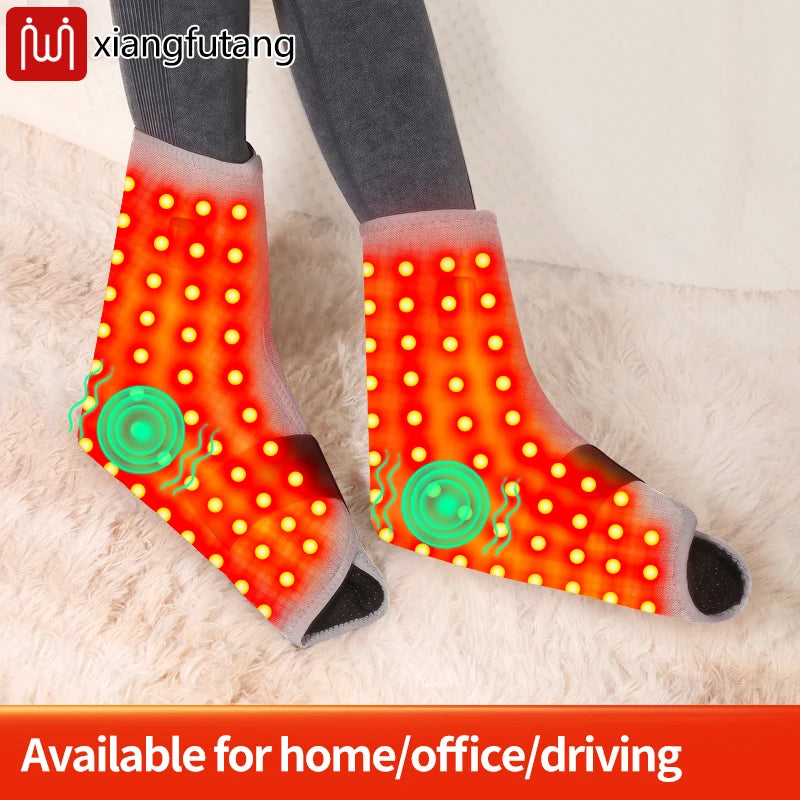
heating pad ankle comfort for daily relief — See it in action
Quick Comparison Table
| Heating Pad | Heat Levels | Corded/Cordless | Wrap Design | Auto Shutoff | Best For |
|---|---|---|---|---|---|
| Red Light Heated Ankle Wrap | Multiple | Cordless | Yes | Yes | Daily recovery & mobility |
| ThermaCare HeatWrap | Single | Cordless | Yes | N/A | Travel and temporary relief |
| Comfytemp Heated Ankle Wrap | Multiple | Corded | Yes | Yes | Home use |
| Sunbeam Heating Pad | Multiple | Corded | No | Yes | General heat therapy |
Best Heating Pads for Ankle Pain (2026 Reviews)
Top Picks Comparison
The best heating pad for ankle pain depends on whether you prioritize portability, wrap support, adjustable heat, or budget. An ankle-specific wrap generally provides more consistent warmth than a flat heating pad because it stays in contact with the joint during treatment.
Best Overall
Red Light Heated Ankle Wrap combines adjustable heat with a wrap-around design that delivers even warmth around the ankle. The secure fit makes it suitable for daily ankle heat therapy during recovery from stiffness or chronic discomfort.
Best Cordless Option
ThermaCare HeatWrap provides disposable cordless heat for people who need temporary pain relief while commuting, traveling, or working.
Best Budget Pick
Sunbeam Heating Pad offers dependable moist or dry heat at an affordable price, although it isn't specifically shaped for the ankle.
Best Wrap Design
Comfytemp Heated Ankle Wrap features adjustable straps that help maintain close contact with the ankle joint, making it a practical choice for home recovery sessions.
Why Ankle Pain Lingers Longer Than Expected
Ankles support your entire body weight with every step, making them especially vulnerable to lingering discomfort. Previous sprains, repetitive stress, arthritis, prolonged standing, and reduced circulation can all contribute to persistent stiffness and soreness.
Inflammation usually settles within days after a mild injury, but surrounding muscles, tendons, and connective tissues may remain tight for weeks. During this stage, gentle warmth combined with gradual movement often helps restore flexibility more effectively than continued icing alone.
Heat vs Ice for Ankle Pain: When to Use Each
Choosing between heat and ice depends largely on whether you're dealing with active inflammation or stiffness during recovery.
Use Ice for Acute Injuries (First 24–72 Hours)
- Reduces swelling and inflammation
- Helps numb sharp pain
- Recommended after sprains, twists, or sudden injuries
Use Heat for Stiffness and Recovery Phase
- Relaxes tight muscles and ligaments
- Improves blood circulation
- Increases joint flexibility before gentle exercise
- Supports recovery from lingering ankle pain
Heat vs Ice Decision Chart
| Condition | Best Choice |
|---|---|
| Fresh ankle sprain | Ice |
| Visible swelling | Ice |
| Morning stiffness | Heat |
| Old ankle injury | Heat |
| Exercise warm-up | Heat |
When to Use Heat on a Sprained Ankle
Knowing when to switch from ice to a heating pad is essential for safe recovery.
Acute Phase (0–72 Hours)
Avoid using heat. Swelling and inflammation are still active, and heat can increase blood flow that may worsen swelling.
Subacute Phase (3–7 Days)
If swelling has noticeably improved, short sessions of gentle heat may help restore flexibility before stretching or rehabilitation exercises.
Chronic Phase (After 1 Week)
For many mild sprains, heat therapy becomes more beneficial during this stage. Regular warmth can reduce stiffness, improve mobility, and prepare the ankle for strengthening exercises.
When NOT to Use Heat on a Sprained Ankle
Heat therapy isn't appropriate for every ankle problem. Avoid using a heating pad if:
- The injury occurred within the past 24–72 hours
- Your ankle is visibly swollen, red, or hot
- You have an open wound or skin infection
- You have significantly reduced sensation due to nerve damage or diabetes
- Your healthcare provider has advised against heat therapy
If you're uncertain whether inflammation has resolved, continue with cold therapy until swelling has clearly improved.
How to Use a Heating Pad for Ankle Pain Safely
Following proper technique helps maximize comfort while reducing the risk of burns.
- Select a low or medium heat setting.
- Place a thin cloth between the heating pad and your skin if the device becomes too warm.
- Wrap the pad evenly around the ankle joint without restricting circulation.
- Remain seated or lying down while using the heating pad.
- Limit each session to 15–20 minutes.
- Inspect your skin afterward for excessive redness or irritation.
Ideal Temperature and Duration Guidelines
- Comfortably warm rather than hot
- 15–20 minutes per treatment
- Up to 2–3 sessions daily when needed
Positioning Tips
Wrap-style heating pads generally provide the most even warmth because they maintain close contact with both sides of the ankle. Elevating your foot slightly during treatment can also improve comfort.
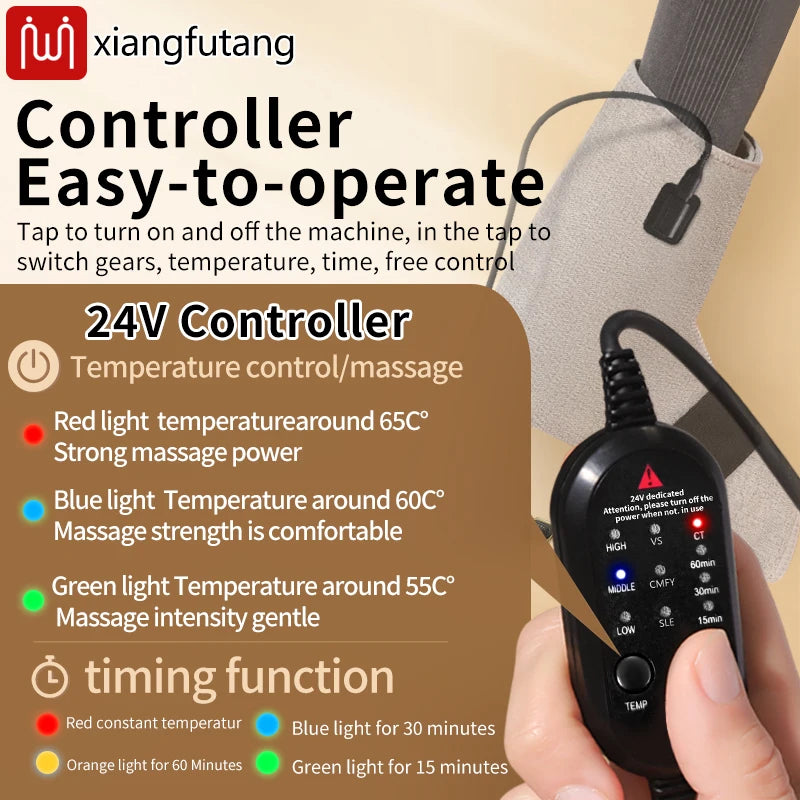
electric ankle heating pad for deep warmth — See it in action
Benefits of Using an Ankle Heating Pad for Recovery
- Improves circulation to muscles and soft tissues
- Reduces stiffness before stretching or exercise
- Relieves chronic ankle discomfort from overuse or arthritis
- Increases flexibility for daily activities
- Supports mobility throughout rehabilitation
How to Choose the Right Heating Pad for Ankle Pain
Heating Performance
Look for adjustable temperature settings so you can tailor the heat to your comfort level instead of relying on a single heat output.
Fit and Compression
Wrap-around designs maintain consistent contact with the ankle and often provide gentle compression that helps the pad stay securely in place.
Corded vs Cordless
Corded models are ideal for longer home treatments, while cordless ankle wraps offer greater portability and convenience for work or travel.
Safety Features
Choose products with automatic shutoff, overheating protection, and washable covers whenever possible.
- Applying heat too soon after an injury
- Using temperatures that are too high
- Sleeping with the heating pad on
- Ignoring ongoing swelling or redness
- Using heat instead of following a rehabilitation plan
Using Heat Therapy for Different Ankle Conditions
Sprains
Heat is helpful only after the acute inflammatory stage has passed.
Arthritis
Warmth can reduce joint stiffness and improve mobility before walking or exercise.
Tendonitis
Heat may help chronic tendon tightness, but avoid using it during active inflammation following overuse.
Chronic Stiffness
Regular heat sessions before stretching or strengthening exercises can improve flexibility and daily comfort.
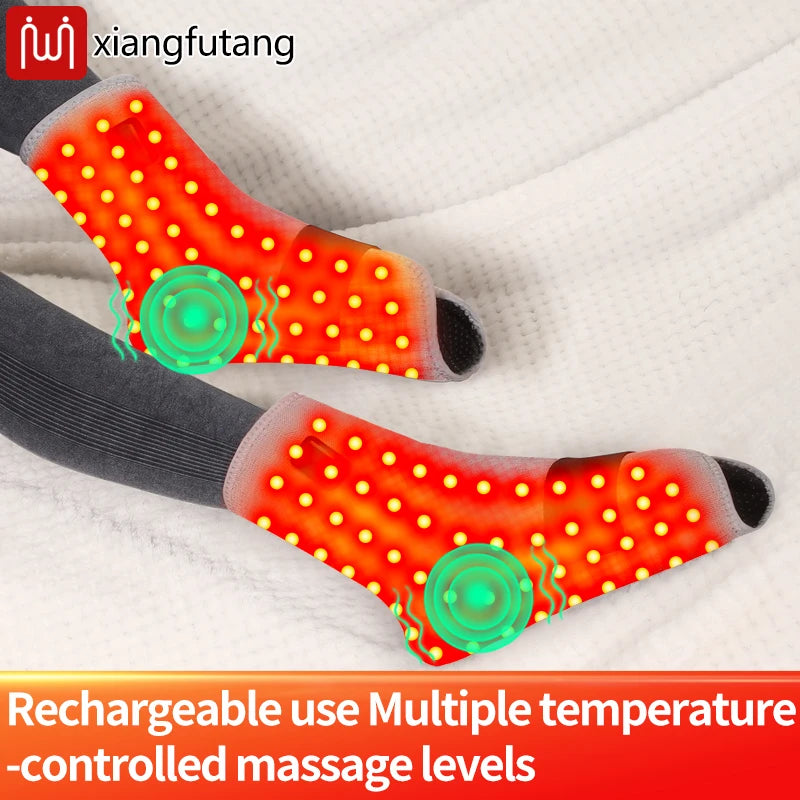
ankle heat pad for recovery comfort — See it in action
FAQs About Heating Pads for Ankle Pain
What is the best heating pad for ankle pain?
A wrap-style heating pad designed specifically for the ankle generally provides better coverage and stays in place more effectively than a flat heating pad. Features such as adjustable heat, automatic shutoff, and a secure fit improve both comfort and safety.
Is a heating pad good for a sprained ankle?
Yes—but only after the initial swelling has subsided. During the first 24–72 hours after a sprain, ice is usually the preferred treatment.
When should you switch from ice to heat after an ankle sprain?
Most people can consider switching once swelling, redness, and warmth have significantly improved, typically after several days. Recovery varies depending on the severity of the injury.
Can heat reduce ankle swelling?
No. Heat generally does not reduce swelling and may temporarily increase it. Cold therapy is more appropriate while swelling is present.
How long should you use a heating pad on your ankle?
Use a heating pad for approximately 15–20 minutes per session, up to two or three times daily unless instructed otherwise by your healthcare provider.
Are cordless ankle heating wraps worth buying?
They can be a convenient option for people who need portable ankle heat therapy during travel, work, or daily activities while still benefiting from wrap-around warmth.
Can you sleep with a heating pad on your ankle?
No. Sleeping with a heating pad increases the risk of burns and skin irritation, even if the device has an automatic shutoff feature.
Who should avoid heat therapy for ankle pain?
People with active swelling, open wounds, severe circulation problems, reduced sensation, or certain medical conditions should consult a healthcare professional before using heat therapy.













