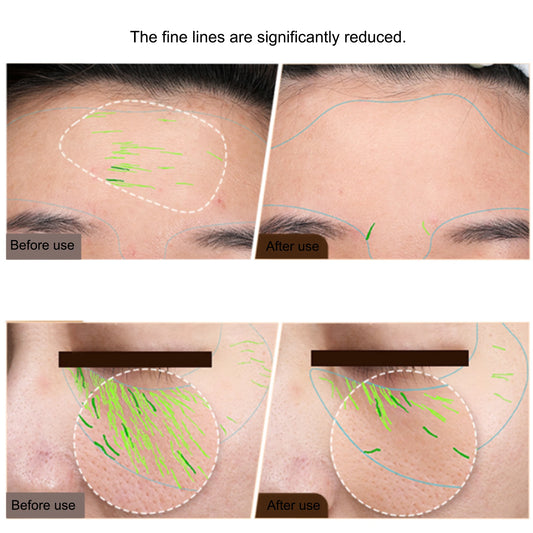
Does a massage roller really speed up muscle recovery?
Yes—when used correctly, how to use a massage roller techniques can help reduce delayed onset muscle soreness (DOMS), improve short-term flexibility, and restore normal movement after exercise. Massage rollers support self-myofascial release by applying controlled pressure to muscles and surrounding fascia, making them a valuable recovery tool when combined with proper hydration, mobility work, sleep, and progressive training.
How to Use a Massage Roller for Faster Muscle Recovery
⏱ 8 min read
Whether you're recovering from an intense workout, long hours at a desk, or everyday muscle stiffness, learning how to use a massage roller properly can make recovery more comfortable and effective. In this guide you'll learn which roller to choose, how much pressure to use, step-by-step rolling techniques, the best methods for each muscle group, common mistakes to avoid, and when rolling may not be appropriate.
Explore the Ice Massage Roller Ball
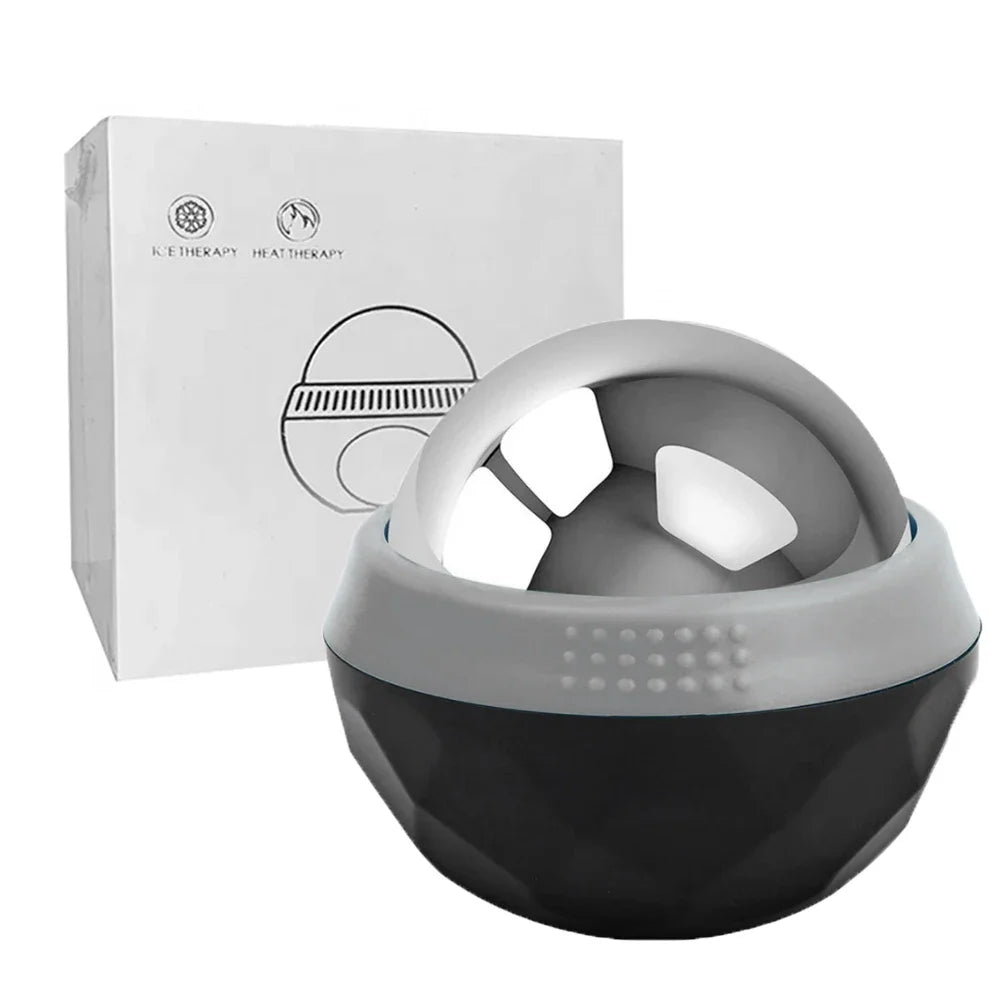
Deep tissue muscle recovery tool in action — See it in action
How Does a Massage Roller Work?
A massage roller is a self-myofascial release (SMR) tool that applies steady pressure across muscles and connective tissue. Depending on your needs, you may use a traditional foam roller, a handheld massage roller, a massage stick, or a compact roller ball. Each works on the same principle: controlled pressure combined with slow movement helps reduce muscle tension and improve mobility.
How Foam Rolling Affects Muscles and Fascia
Muscles are surrounded by fascia—a thin layer of connective tissue that helps muscles glide smoothly during movement. After repetitive activity, fascia and muscles can temporarily become stiff or sensitive. Slow rolling encourages relaxation of these tissues, helping improve range of motion while reducing feelings of tightness.
Rolling vs Stretching: What's the Difference?
Foam rolling primarily improves tissue quality and movement preparation, while stretching focuses on muscle length and flexibility. Using both together often produces better mobility than relying on either technique alone. A practical sequence is to roll first, then perform dynamic or static stretching depending on your workout.
Self-Myofascial Release Explained
Self-myofascial release doesn't "break up knots" literally. Instead, it helps calm sensitive tissues, temporarily reduces muscle stiffness, and improves movement by stimulating the nervous system and increasing local circulation. This is why consistent, moderate pressure usually works better than aggressive rolling.
Prepare Before You Start Rolling
Choose the Right Roller
- Smooth foam roller: Best for beginners and full-body recovery.
- Textured foam roller: Provides deeper pressure for experienced users.
- Massage stick: Useful for calves, forearms, and hamstrings.
- Roller ball: Excellent for targeted trigger points, feet, shoulders, and hips.
How Much Pressure Should You Use?
Use enough pressure to feel mild to moderate discomfort—roughly 4 to 6 out of 10. Sharp pain, numbness, or tingling are signs to reduce pressure immediately. Beginners can support more body weight with their hands or opposite leg until they become comfortable.
Breathing and Body Position
Take slow breaths throughout each movement instead of holding your breath. Keep your body aligned, move with control, and perform a brief warm-up such as walking or light mobility exercises before rolling cold muscles.
Key Benefits of Using a Massage Roller
Regular massage roller use supports both workout recovery and daily mobility.
Faster Recovery Between Workouts
Foam rolling may help reduce the severity of post-exercise soreness, allowing you to return to training with greater comfort.
Improved Mobility
Rolling can temporarily increase joint range of motion without reducing muscle strength, making it useful before training sessions.
Reduced Muscle Tightness
Targeted pressure helps sensitive areas feel less stiff, especially after prolonged sitting or repetitive exercise.
Try the Ice Massage Roller Ball
How to Use a Massage Roller Properly (Step-by-Step)
Following proper technique is more important than applying maximum pressure.
Step 1: Position Your Body
Place the roller beneath the target muscle—not directly on joints or bones. Support your weight with your hands or opposite limb so you can move smoothly.
Step 2: Roll Slowly
Move approximately 1 to 2 inches per second. Slow movement gives muscles time to relax and helps you identify sensitive areas.
Step 3: Pause on Tender Spots
When you find a tender area, pause for 20 to 30 seconds while breathing normally. Avoid bouncing or repeatedly rolling aggressively over one spot.
Step 4: Control Pressure and Breathing
If discomfort becomes intense, reduce body weight on the roller rather than pushing through pain. Relaxed breathing helps decrease muscle guarding.
Step 5: Repeat and Reassess
Roll each muscle for 30 to 60 seconds, then stand up and move naturally. If mobility improves, you've likely used an appropriate amount of pressure.
How to Use a Massage Roller on Each Muscle Group
Calves
Sit with the roller beneath your calves and roll from the Achilles tendon toward the knee. Cross one leg over the other if additional pressure is needed.
Sit upright with the roller under the back of your thighs. Roll slowly from just above the knee toward the glutes while avoiding direct pressure behind the knee.
Quadriceps
Lie face down with the roller beneath your thighs. Roll from the hip toward the top of the knee using your forearms for support.
Glutes and Hips
Sit on the roller and lean slightly to one side to target each glute individually. Small, controlled movements are often more effective than long passes.
IT Band
Instead of rolling directly over the entire IT band aggressively, focus more on the surrounding muscles, including the quadriceps, hamstrings, and outer glutes, since these areas often contribute to lateral thigh tightness.
Upper Back
Support your head with both hands and roll from the middle of your back toward your shoulder blades. Keep your core engaged throughout the movement.
Shoulders
A massage roller ball or handheld roller works well around the rear shoulders and upper trapezius muscles. Apply gentle pressure while moving slowly.
Lower Back: What to Avoid
Avoid rolling directly on the lumbar spine. Instead, target the glutes, hips, and muscles surrounding the lower back, which often provide better relief.
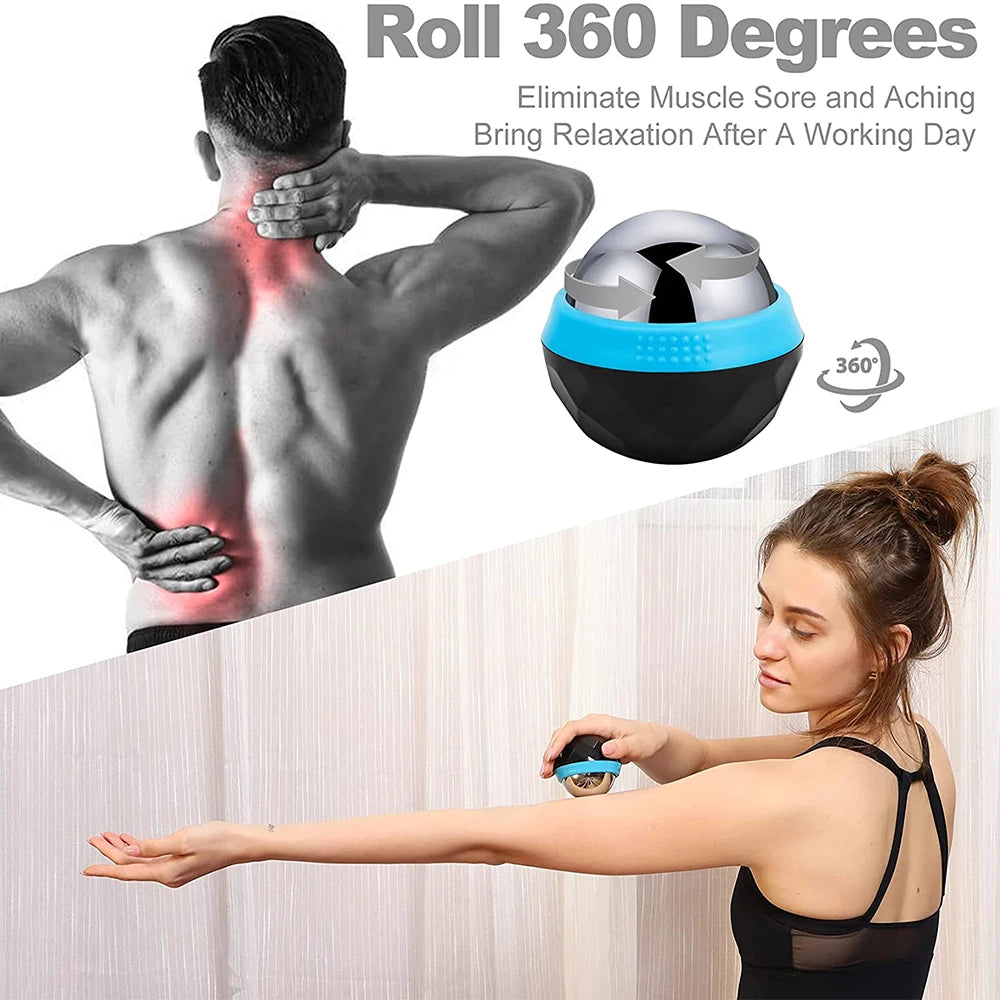
Myofascial release massage equipment technique — See it in action
When Should You Use a Massage Roller?
Before Exercise
Use light rolling for 30 to 60 seconds per muscle to prepare movement and improve mobility before your warm-up.
After Exercise
Post-workout rolling can help reduce feelings of stiffness while supporting relaxation after intense activity.
For DOMS
If muscles become sore 24 to 48 hours after training, gentle rolling may help reduce discomfort without adding additional stress.
For Daily Mobility
People who sit for long periods often benefit from short daily sessions targeting the calves, hips, upper back, and glutes.
How Long and How Often Should You Use a Massage Roller?
Ideal Time Per Muscle Group
Spend approximately 30 to 60 seconds on each muscle group. Exceptionally tight areas may benefit from up to 90 seconds, but longer isn't necessarily better.
Daily vs Post-Workout Use
You can safely use a massage roller most days if pressure remains moderate. Many people perform brief sessions before workouts for mobility and longer sessions afterward for recovery.
Common Mistakes When Using a Foam Roller
Rolling Too Fast
Moving quickly reduces effectiveness because muscles have less time to relax.
Using Too Much Pressure
More pressure doesn't equal faster recovery. Excessive force may increase muscle guarding instead of reducing it.
Rolling Over Joints
Keep pressure on soft tissue only. Avoid rolling directly across knees, elbows, ankles, or the spine.
Holding Your Breath
Steady breathing allows muscles to relax and improves comfort during each pass.
Ignoring Pain Signals
Mild tenderness is expected, but sharp pain, tingling, or numbness means you should stop and reassess your technique.
When You Should Avoid Using a Massage Roller
Acute Injuries
Avoid rolling immediately after sprains, strains, or sudden injuries accompanied by swelling.
Fractures and Open Wounds
Never apply pressure over healing fractures, surgical sites, burns, or open skin.
Blood Clot Risks
If you have a suspected deep vein thrombosis (DVT), significant varicose vein complications, or other vascular concerns, avoid massage rolling unless advised by your healthcare provider.
Medical Conditions Requiring Clearance
People with osteoporosis, bleeding disorders, uncontrolled diabetes affecting sensation, or other significant medical conditions should consult a qualified healthcare professional before beginning a foam rolling program.
5-Minute Beginner Foam Rolling Routine at Home
Lower Body Routine
- Calves – 1 minute
- Hamstrings – 1 minute
- Quadriceps – 1 minute
Upper Body Routine
- Upper back – 1 minute
- Glutes – 1 minute
This sequence works well after walking, running, strength training, or prolonged sitting. Focus on slow, controlled movements instead of covering as much distance as possible.
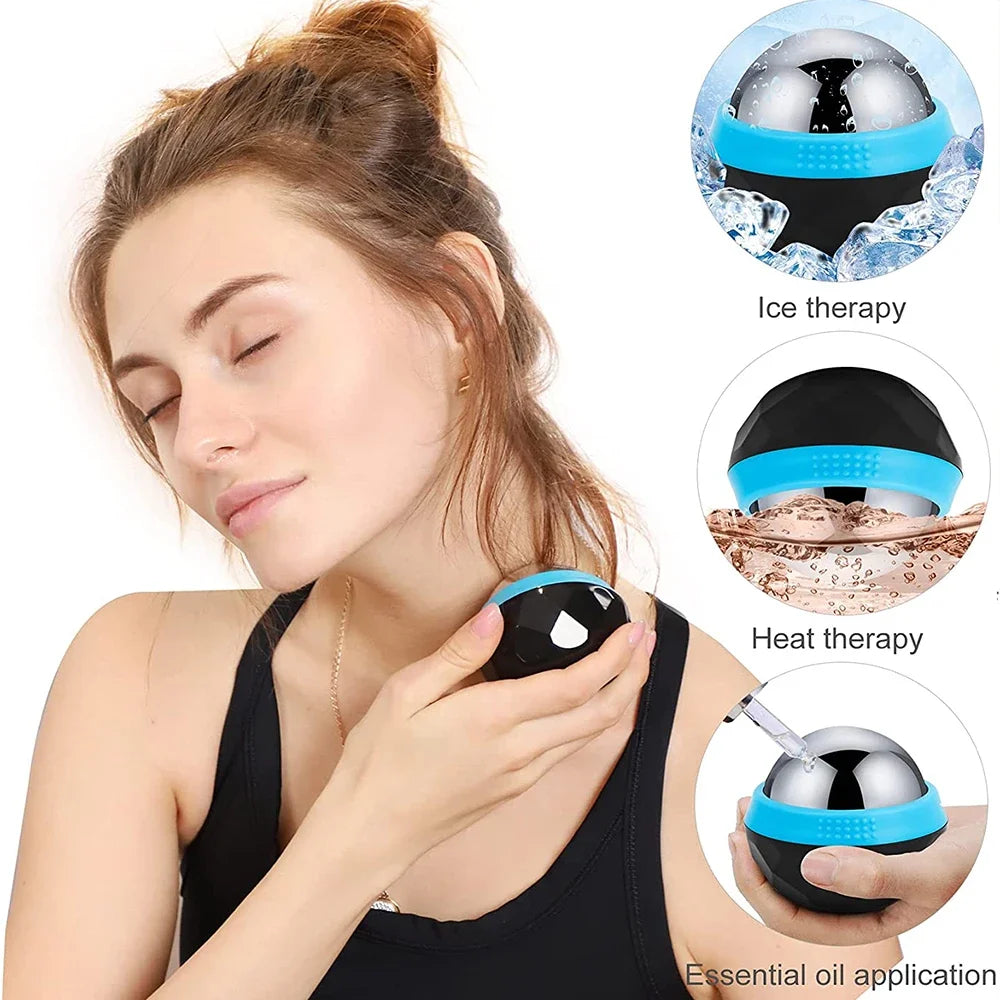
Athletic recovery massage accessories — See it in action
Get your Ice Massage Roller Ball
Mini FAQ About Massage Roller Use
How often should I use a massage roller?
Most people benefit from 5 to 10 minutes of rolling several times per week. Daily sessions are also appropriate if pressure stays moderate and muscles recover well.
Can rolling replace stretching?
No. Foam rolling and stretching complement one another. Rolling prepares tissues, while stretching develops flexibility.
Is soreness normal?
Yes. Mild tenderness during rolling is common, especially in tight muscles. Sharp pain or lingering discomfort afterward is not.
Should I foam roll before or after workouts?
Both can be beneficial. Before exercise, use shorter sessions to improve mobility. After exercise, use slower rolling to promote recovery.
Can I foam roll every day?
Yes, provided you avoid excessive pressure and allow overly sore areas time to recover.
Who should not use a massage roller?
People with acute injuries, suspected blood clots, fractures, open wounds, or medical conditions requiring physician clearance should avoid foam rolling until advised otherwise.
Order now — limited stock!
Explore more wellness tools in our Body Care and Health Devices collection or discover expert tips in the Body & Face Blog .
Key Takeaways for Better Muscle Recovery
- Choose the right type of massage roller for your experience level and target muscles.
- Roll slowly using moderate pressure rather than forcing painful movements.
- Spend 30 to 60 seconds on each muscle group and breathe throughout each pass.
- Use rolling before workouts for mobility and after workouts to support recovery.
- Combine foam rolling with hydration, stretching, strength training, and adequate sleep for the best long-term results.
Learning how to use a massage roller properly is less about applying maximum force and more about consistent, controlled technique. With regular practice, it can become an effective part of a balanced recovery routine that supports healthier movement and reduced post-exercise stiffness.