

Does a neck gaiter prevent glasses from fogging in cold weather?
A neck gaiter that doesn't fog up glasses can help reduce lens condensation by controlling where warm, moist breath travels. When the fabric fits correctly around the face and uses breathable, moisture-managing materials, it can redirect airflow downward instead of allowing vapor to rise toward cold lenses.
⏱ 7 min read
How to Use a Neck Gaiter for Cold Weather Without Fogging Glasses
Foggy glasses can quickly turn a comfortable winter walk, commute, or outdoor adventure into a frustrating experience. The right neck gaiter for cold weather does more than provide warmth—it helps manage breath, moisture, and airflow so you can stay comfortable while keeping your vision clear. By choosing the right design and wearing it correctly, you can reduce condensation even during cold and windy conditions.
Which wearing style keeps warmth in without fogging your lenses? The answer depends on airflow control, fabric choice, and how the gaiter fits around your face.
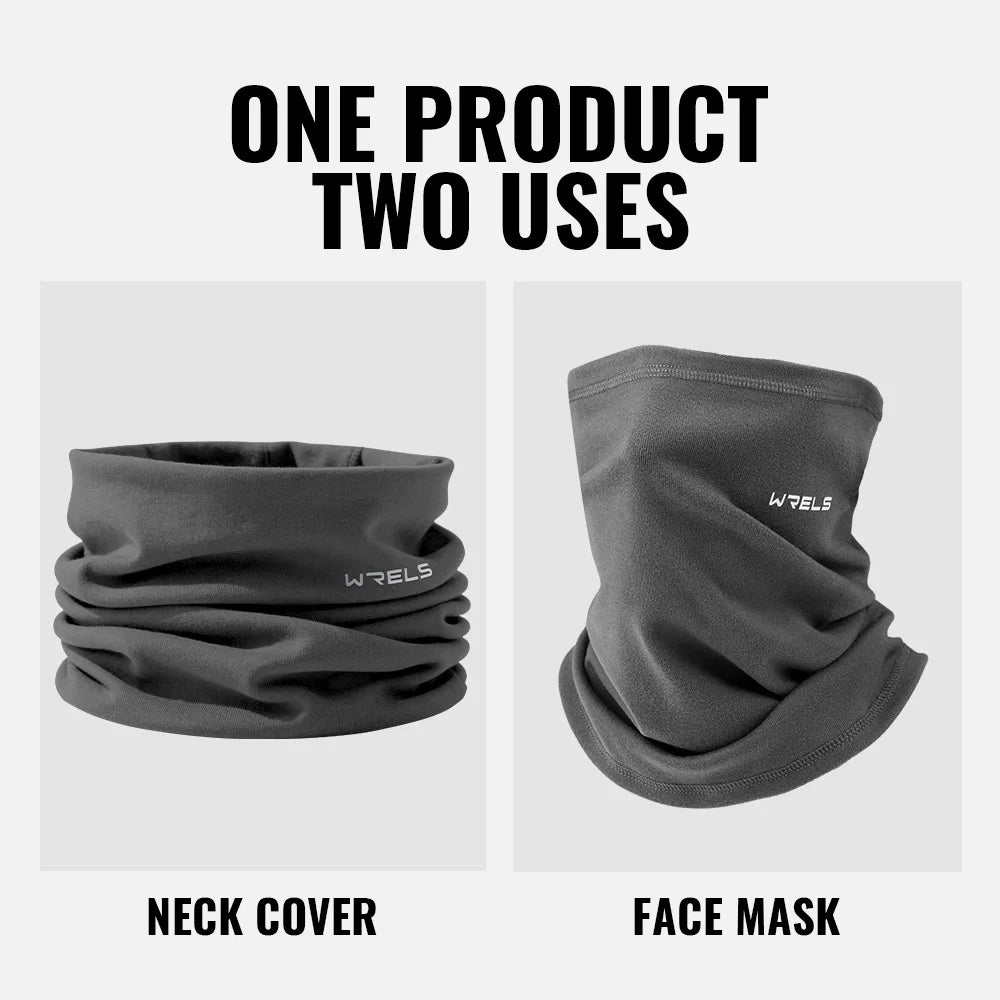
A breathable neck gaiter for cold weather that helps manage airflow around glasses See it in action
Why Glasses Fog Up When Wearing a Neck Gaiter
Understanding why glasses fog is the first step to finding a neck gaiter that doesn't fog up glasses. Lens fogging happens because of condensation: warm, moisture-filled air from your breath reaches a cold lens surface, causing tiny water droplets to form. This effect becomes more noticeable in winter because the temperature difference between your face and the outside air is greater.
The Science Behind Lens Fogging
When you breathe in cold weather, the air leaving your mouth and nose is warmer and contains more moisture than the surrounding environment. If that warm air moves upward toward your glasses, it cools quickly against the lenses and creates visible fog.
- Warm exhaled air rises naturally toward eyewear
- Cold lenses create the surface needed for condensation
- High humidity around the face increases fog buildup
- Heavy, non-breathable fabrics can trap moisture instead of releasing it
To prevent glasses fogging with a neck gaiter, the goal is not simply covering more of your face. Effective designs manage airflow by balancing insulation with breathability, allowing moisture to escape while keeping cold air out.
How Neck Gaiter Design Changes Airflow
Not every neck gaiter performs the same for glasses wearers. A loose scarf or poorly fitted face covering may push warm breath directly upward, while a properly designed anti fog neck gaiter helps guide airflow away from your lenses.
Features that can improve performance include:
- Contoured upper edges: Help create a better seal and reduce uncontrolled airflow toward glasses.
- Breathable fabrics: Allow moisture vapor to move away from the face instead of collecting near lenses.
- Stretch construction: Keeps the gaiter positioned correctly during movement.
- Moisture-wicking layers: Help maintain comfort during exercise or long outdoor use.
A well-designed winter face covering for glasses users should provide warmth without trapping excessive heat and moisture. This balance is what separates an effective neck gaiter for glasses wearers from a standard cold-weather accessory.
Can a Neck Gaiter Prevent Glasses From Fogging?
A neck gaiter can reduce glasses fogging, but it cannot eliminate condensation in every situation. The results depend on the gaiter's material, fit, weather conditions, and activity level. A breathable anti fog face covering winter users choose should manage airflow instead of completely blocking it.
When It Works
A neck gaiter works best when it creates controlled airflow around your nose and mouth. Proper positioning helps warm breath move downward or through breathable fabric instead of directly onto your lenses.
- The gaiter fits comfortably without large gaps near the nose
- The material allows moisture to escape
- The fabric stays in place during movement
- Your activity level matches the gaiter's ventilation design
For daily commuting, walking, and moderate outdoor activities, a quality neck gaiter for glasses wearers can provide a strong balance of warmth and clearer vision.
Common Causes of Failure
Even the best neck gaiter may struggle if airflow is restricted or the fit is incorrect. Common reasons glasses still fog include:
- Pulling the gaiter too high and directing breath toward lenses
- Using thick fabric that traps warm moisture
- Wearing a loose fit that allows uncontrolled upward airflow
- High-intensity activities that produce more heat and moisture
Choosing the right design and adjusting the fit for your activity are essential steps for improving anti-fog performance in cold weather.
How to Wear a Neck Gaiter Without Fogging Your Glasses
Learning how to wear a neck gaiter without fogging glasses comes down to controlling airflow rather than simply adding more coverage. The right fit helps keep cold air out while allowing warm, moist breath to escape away from your lenses. Small adjustments around the nose, chin, and fabric position can make a noticeable difference in winter conditions.
Adjusting Fit Around the Nose
The area around your nose has the biggest impact on fog prevention. A neck gaiter that sits too high or fits too loosely can push warm air directly toward your glasses.
- Position the upper edge correctly: Place the gaiter close to the base of your nose without pressing tightly against your nostrils. Avoid creating a sealed pocket that traps warm breath near your lenses.
- Create a controlled airflow path: A small inward fold along the top edge can help guide exhaled air downward instead of allowing it to rise toward your glasses.
- Use a structured fit when available: Some neck gaiters include flexible nose wires or reinforced edges that help improve the seal and reduce upward airflow for glasses wearers.
Redirecting Exhaled Air
Even a high-quality anti fog neck gaiter works better when your breathing pattern and fabric position support airflow control.
- Direct your exhale slightly downward rather than toward the upper edge of the gaiter.
- Keep the lower portion secure under your chin to prevent cold air gaps that disturb airflow.
- Choose breathable, moisture-wicking materials that release humidity instead of trapping it against your face.
The goal is to maintain warmth while preventing moisture buildup around your eyewear. A breathable winter face covering for glasses users should manage heat and humidity at the same time.
Activity-Specific Fit Tips
Your ideal neck gaiter setup changes depending on how much movement and airflow your activity creates.
- Cycling: Use a snug-fitting gaiter with moisture control to handle increased wind exposure and faster breathing. Loose fabric can shift during rides and redirect breath toward your lenses.
- Skiing: Balance insulation with ventilation. A gaiter that traps too much heat can increase moisture and contribute to fogging around goggles or glasses.
- Commuting: Choose a comfortable everyday fit that stays in place under jackets and coats without being pushed upward by outer layers.
- Hiking: Adjust coverage as your body temperature changes. During climbs, increased ventilation may help reduce moisture buildup.
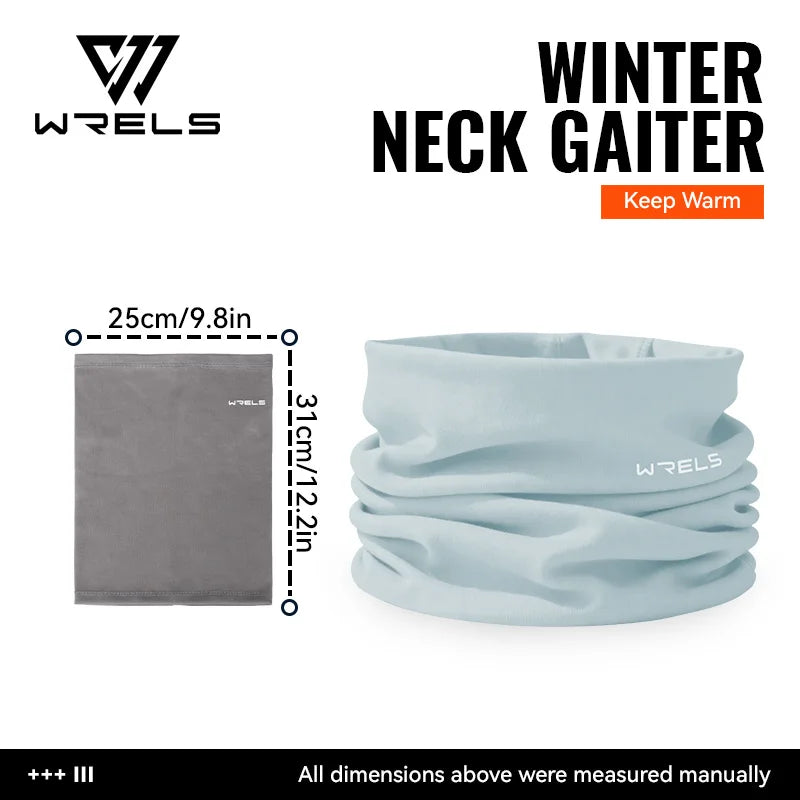
Correct positioning of a cold weather neck gaiter helps improve comfort and reduce lens fogging Try this fit
How to Choose a Neck Gaiter That Doesn't Fog Up Glasses
The best neck gaiter for cold weather and glasses should balance warmth, breathability, and moisture control. A thick fabric alone does not guarantee better performance. In many cases, poor ventilation can increase condensation by trapping humid air close to your face.
Best Fabrics: Merino Wool vs Polyester vs Fleece vs Mesh Blends
Different materials provide different advantages for glasses wearers. Understanding fabric performance helps you choose an anti fog neck gaiter that matches your environment and activity.
- Merino wool: Naturally manages moisture and provides insulation without excessive bulk. It works well for temperature changes and longer outdoor activities.
- Polyester blends: Lightweight, durable, and fast-drying. These materials are commonly used for active winter gear because they move moisture away from the skin.
- Fleece: Provides excellent warmth and softness. Fleece-lined designs work well in cold, dry conditions when combined with breathable construction.
- Mesh blends: Improve airflow and ventilation, making them useful for higher-intensity activities where moisture buildup is a concern.
Design Features That Reduce Upward Airflow
Material choice matters, but construction determines how effectively a neck gaiter manages breath around glasses.
- Flexible nose contour: Helps minimize gaps where warm breath can escape upward.
- Ventilation zones: Allow moisture to move away from the face during activity.
- Stretch fit: Keeps the gaiter positioned correctly without restricting comfort.
- Adjustable coverage: Allows users to switch between maximum warmth and increased airflow.
Choosing the Right Fit for Different Activities
The best neck gaiter for glasses wearers depends on how and where you use it.
- Daily commuting: Prioritize comfort, lightweight warmth, and moisture management.
- Winter walking: Choose soft insulation with enough breathability for steady movement.
- Running or cycling: Look for lightweight materials that release heat quickly.
- Snow sports: Select designs that combine insulation with controlled ventilation.
| Feature | Why It Matters |
|---|---|
| Thermal lining | Provides warmth while avoiding unnecessary bulk around the face |
| Moisture-wicking fabric | Helps reduce humidity that contributes to lens condensation |
| Wind resistance | Protects skin while maintaining comfortable airflow control |
| Stretch construction | Keeps the gaiter secure while allowing natural movement |
| Breathable panels | Improve ventilation during higher-intensity activities |
Extra Anti-Fog Tips That Actually Help
A well-designed neck gaiter is the foundation for clearer lenses, but a few additional adjustments can further reduce fogging in cold conditions. These solutions work best when combined with proper fit, breathable materials, and controlled airflow.
Nose Wire Inserts
A flexible nose wire can improve the seal around the upper edge of a gaiter by reducing gaps where warm breath escapes toward your glasses. This feature is especially useful for people who experience frequent fogging during commuting, cycling, or outdoor work.
- Helps guide exhaled air away from lenses
- Creates a more secure fit during movement
- Reduces airflow changes caused by wind or activity
Anti-Fog Lens Treatments
Anti-fog lens sprays and wipes can provide additional protection by reducing moisture buildup on the glass surface. They are most effective when applied to clean, dry lenses and used according to the product instructions.
- Clean lenses before applying any anti-fog treatment
- Use products designed for your specific lens coating
- Combine lens treatments with proper gaiter airflow management
Glasses Positioning
The position of your glasses can influence how easily warm air reaches the lenses. Small adjustments may improve ventilation and reduce condensation.
- Keep frames slightly away from your face when possible to improve airflow
- Avoid pressing the glasses tightly against fabric that redirects breath upward
- Check that the gaiter edge is not pushing directly against the bottom of the frames
Layering Without Trapping Breath
Cold-weather layers should work together rather than block ventilation. Bulky collars, tight jackets, or overlapping fabrics can push warm air upward and increase fogging.
- Choose outer layers that allow the gaiter to sit naturally
- Avoid compressing breathable fabric around your mouth and nose
- Adjust coverage during high-intensity activities to release excess heat
For glasses users, the best results come from combining an anti fog face covering winter setup with the correct fit, breathable construction, and eyewear positioning.
Best Neck Gaiters That Don't Fog Up Glasses
The best neck gaiter for cold weather and glasses should provide warmth while managing moisture and airflow. Different designs work better for different activities, so the right choice depends on whether you need everyday comfort, high-performance ventilation, or maximum cold protection.
Best Overall: Fleece-Lined Windproof Gaiter
Fleece-Lined Windproof Gaiter is designed for users who want a balance of warmth, comfort, and everyday anti-fog performance.
- Pros: Soft insulation, wind protection, comfortable fit for daily outdoor use
- Best for: Commuting, walking, travel, and general winter activities
- Performance summary: A strong all-around option for glasses wearers who need warmth without excessive moisture buildup
Best for Running and Cycling: Insulated Sports Neck Gaiter
Insulated Sports Neck Gaiter is suited for active users who generate more heat and need improved moisture control during movement.
- Pros: Lightweight feel, designed for active conditions, supports better airflow management
- Best for: Cycling, running, hiking, and outdoor exercise
- Performance summary: Helps reduce discomfort caused by sweat and trapped heat during higher-intensity activities
Best for Hiking and Commuting: Lightweight Thermal Gaiter
Lightweight Thermal Gaiter provides a practical option for users who need daily warmth without heavy insulation.
- Pros: Breathable design, easy layering, comfortable for extended wear
- Best for: Work commutes, casual outdoor use, and mild winter weather
- Performance summary: Offers a good balance between temperature control and moisture management
Best Budget Option
A simple breathable neck gaiter can work well for occasional winter use if it provides a secure fit and allows moisture to escape. Prioritize fabric quality and airflow management over extra features that you may not need.
- Pros: Affordable, lightweight, easy to carry
- Best for: Short outdoor activities and occasional cold-weather use
- Performance summary: Works best in combination with proper fitting techniques and anti-fog eyewear habits
Best Neck Gaiters That Don't Fog Up Glasses (With Real-World Testing)
The best anti-fog neck gaiter depends on your activity, weather conditions, and how much breathability you need. A strong option for glasses wearers should combine warmth, moisture management, and airflow control rather than simply adding insulation.
Top Picks for Everyday Use
- Fleece-Lined Windproof Gaiter – A warm everyday option with soft insulation and a comfortable fit that helps manage breath direction during cold-weather walks, commuting, and outdoor activities.
- Lightweight Thermal Gaiter – A breathable choice for daily use with moisture-wicking properties that help reduce humidity buildup around glasses.
Best for Running and Cycling
- Insulated Sports Neck Gaiter – Designed for active movement with airflow-focused construction that supports comfort during exercise, cycling, and outdoor training.
Best for Skiing and Extreme Cold
- Extreme Winter Gaiter – Built for harsh winter conditions with heavier insulation and coverage for snowy environments where warmth is the priority.
Price vs. Performance Comparison
| Gaiter | Best For | Warmth | Breathability | Anti-Fog Performance |
|---|---|---|---|---|
| Fleece-Lined Windproof | Daily use and commuting | High | Good | Excellent balance of warmth and airflow control |
| Lightweight Thermal | Everyday outdoor activities | Medium | Very good | Good for moisture management |
| Insulated Sports | Running, cycling, active sports | Medium to high | High | Strong performance during movement |
| Extreme Winter Gaiter | Snow and extreme cold | Very high | Moderate | Best when maximum warmth is required |
Frequently Asked Questions
What type of neck gaiter is least likely to fog glasses?
The least fog-prone neck gaiters usually combine breathable moisture-wicking fabrics, a secure fit around the nose, and airflow management features. Fleece-lined, polyester blend, and vented designs can all work well when they prevent warm breath from moving directly toward the lenses.
Does a nose wire stop glasses from fogging?
A nose wire can significantly reduce fogging by improving the seal around the upper edge of the gaiter. It helps redirect warm breath away from glasses, although performance also depends on fabric breathability and how the gaiter fits.
Is merino wool or polyester better for reducing fog?
Both materials can work depending on the situation. Merino wool naturally manages moisture and provides comfortable insulation, while polyester dries quickly and performs well during active use. For higher-intensity activities, breathable polyester blends are often preferred, while merino can be a strong choice for longer periods outdoors.
Why do my glasses still fog with a neck gaiter?
Glasses may still fog if warm air escapes upward, the gaiter fits too loosely, the fabric traps moisture, or the activity creates more heat than the material can release. Adjusting the fit and choosing a more breathable design can improve results.
Should glasses sit over or under the gaiter?
In most cases, glasses should sit above the gaiter edge rather than being pressed tightly against the fabric. This positioning helps maintain airflow around the lenses and reduces direct contact with warm, humid air.
Are vented neck gaiters warmer than standard models?
Vented neck gaiters are not always warmer, but they often provide better temperature control. By allowing excess moisture and heat to escape, they can feel more comfortable during active outdoor use while still providing protection from cold air.
Can anti-fog sprays be used with any eyeglass lenses?
Many anti-fog sprays are designed for common eyeglass lenses, but users should check product instructions before applying them. Some specialty coatings may require specific cleaning products to avoid damaging the lens surface.
How often should I wash a neck gaiter to keep it breathable?
Wash frequency depends on how often you use the gaiter and how much moisture it absorbs. Regular cleaning helps maintain moisture-wicking performance, while gentle washing and air drying help protect the fabric structure.
For more winter comfort solutions, explore seasonal essentials in the Lifestyle collection, or learn more practical tips from the Body & Face Blog and Beauty & Self-Care Blog .
Related Guide: What Is a Gaiter and How to Wear One for Winter Comfort













