

How to use a weighted hula hoop effectively?
To use a weighted hula hoop effectively, stand tall with your feet shoulder-width apart, place the hoop around your waist, and use controlled forward-and-back hip movements to keep it spinning. Start with short sessions of 5–10 minutes, focus on rhythm rather than speed, and gradually increase workout duration as your coordination and endurance improve.
How to Use a Weighted Hula Hoop (Beginner Step-by-Step Guide + Workout Routine)
Quick Answer: How to Use a Weighted Hula Hoop Correctly
If you're a beginner learning how to use a weighted hula hoop, the key is mastering posture and rhythm before speed. Stand with your feet shoulder-width apart, place the hoop around your waist, and give it a strong spin in one direction.
Basic technique in 5 simple steps
- Stand tall with your core engaged and feet slightly staggered.
- Place the hoop at waist level and press it firmly against your lower back.
- Spin the hoop firmly to one side using a controlled push.
- Shift your hips forward and backward in a small rhythmic motion.
- Keep breathing steady and maintain consistent rhythm for 30–60 seconds.
The goal is not large movements—it is controlled, consistent hip motion that keeps the hoop lifted and spinning.
Beginners typically start with short sessions of 5–10 minutes and gradually increase duration as coordination, confidence, and core strength improve.
Learning how to use a weighted hula hoop isn't just about spinning—it's about building sustainable movement habits that support calorie burning, core strength, coordination, and overall fitness. With proper technique and consistent practice, weighted hula hoop workouts can become an enjoyable part of your home exercise routine.
Tags: how to use a weighted hula hoop, tips for using weighted hula hoop, weighted hula hoop exercise benefits, weighted hula hoop workout routine, core workout, waist slimming, fat burning exercises, home fitness, beginner hula hoop guide, low impact workout
⏱ 7 min read

Learn how to use a weighted hula hoop effectively for core strength and waist slimming results.
Shop KentDO Smart Weighted Fitness Hoop
What Does a Weighted Hula Hoop Do? (And Does It Actually Work?)
A weighted hula hoop creates resistance around your waist, forcing your core muscles to continuously stabilize and move in rhythm. This transforms a simple movement into a low-impact cardiovascular workout that engages your abdominal muscles, hips, glutes, and lower back.
How weighted hula hoops train your core
Unlike traditional lightweight hoops, weighted versions rotate more slowly, giving beginners greater control and increasing the time your muscles remain engaged. This extended muscle activation targets several key areas:
- Transverse abdominis (deep core stabilizer)
- Rectus abdominis (front abdominal muscles)
- Internal and external obliques
- Lower back stabilizers
- Hip flexors and glutes
The biomechanics of weighted hooping require constant balance adjustments, making it an effective form of dynamic core training while remaining gentle on the joints.
Does using a weighted hula hoop help with weight loss?
A weighted hula hoop workout can support fat loss when combined with consistent exercise habits and balanced nutrition. The movement increases calorie expenditure through steady-state cardiovascular activity, but results depend on workout duration, intensity, frequency, and overall lifestyle—not spot reduction.
This makes weighted hula hoop exercise a practical addition to many Lifestyle wellness routines.
Why Weighted Hula Hoops Matter for Core Fitness
Weighted hula hoops have become popular because they combine cardiovascular exercise, coordination training, posture improvement, and core strengthening in one continuous movement pattern.
Unlike traditional abdominal exercises that isolate specific muscles, weighted hooping requires constant stabilization and full-body coordination. This continuous engagement helps develop muscular endurance while providing a low-impact workout suitable for many fitness levels.
Muscles activated during weighted hula hoop exercise
- Rectus abdominis
- Transverse abdominis
- Internal and external obliques
- Erector spinae muscles
- Hip stabilizers
- Gluteal muscles
This combination makes weighted hula hoop exercise an accessible option for people seeking effective core workouts at home without high-impact movements.
Products like the KentDO Smart Weighted Fitness Hoop simplify home workouts by offering adjustable sizing and built-in tracking features that help maintain motivation.
Warm-Up Before Using a Weighted Hula Hoop
Warming up helps activate your core muscles, improve mobility, and reduce the risk of bruising or strain when learning how to use a weighted hula hoop.
Simple 3–5 minute warm-up routine
- Light torso twists (30 seconds)
- Hip circles (30–60 seconds each direction)
- Standing core engagement exercises
- Gentle marching in place
- Shoulder rolls and deep breathing
Warming up improves coordination and increases your chances of successfully maintaining hoop rhythm during your first attempts.
How to Use a Weighted Hula Hoop: Step-by-Step Technique
Step 1: Choose the right hoop weight
Beginners should start with a moderate-weight hoop that feels stable but not excessively heavy. Most new users benefit from hoops weighing approximately 1–2 pounds. Excessive weight can slow movement and increase the risk of bruising.
Many beginners prefer adjustable options like the KentDO Smart Weighted Fitness Hoop because they allow customization for comfort and progression.
Step 2: Correct stance and posture
Stand with your feet shoulder-width apart and position one foot slightly forward. Keep your knees soft, engage your core, and maintain a neutral spine. Avoid leaning excessively forward or backward.
Step 3: Starting the hoop spin
Press the hoop firmly against your lower back and give it a strong, controlled push in your preferred direction. The initial push should generate enough momentum without requiring excessive force.
Step 4: Controlled hip movement
Move your hips in small forward-and-back motions rather than large circles. Precision and rhythm are far more important than speed or power.
Step 5: Maintain rhythm and breathing
Maintain steady breathing and consistent movement patterns. If the hoop falls, simply reset and continue practicing without overexerting yourself.
Common beginner tip
If the hoop keeps falling, reduce the size of your movements and focus on creating a steady rhythm rather than pushing harder.
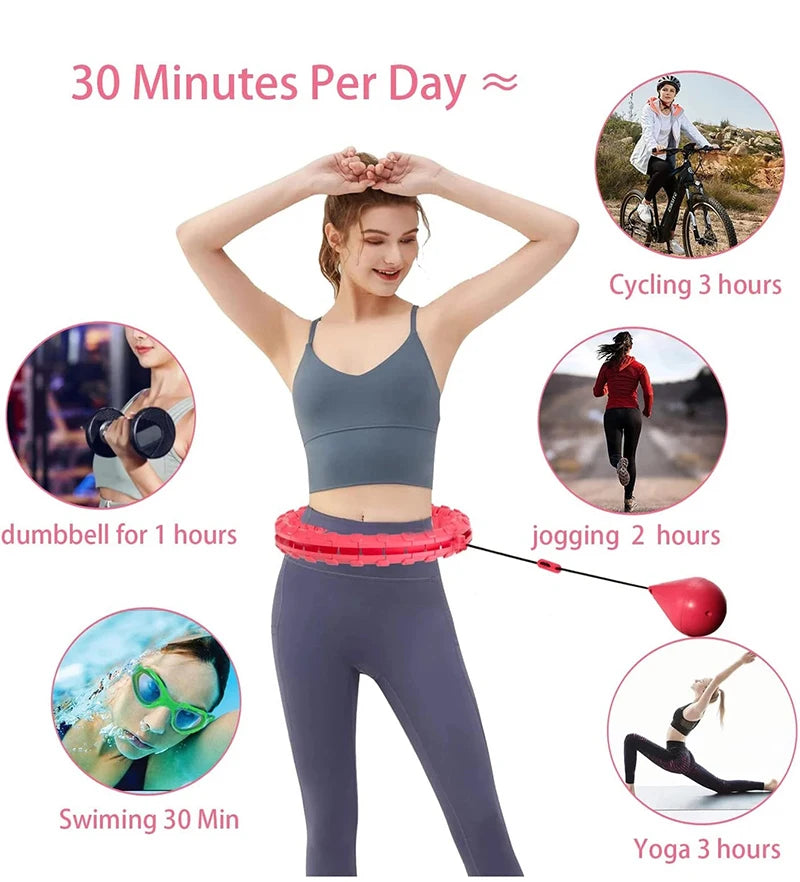
Consistency and proper form make every weighted hula hoop workout more effective.
Explore Body Care & Health Devices
How Long to Use a Weighted Hula Hoop for Results
Consistency matters more than workout length when starting weighted hula hoop exercises.
- Week 1: 5–10 minutes per session
- Week 2: 10–15 minutes per session
- Weeks 3–4: 15–20 minutes per session
- Long-term maintenance: 20–30 minutes, 4–5 times weekly
Many beginners notice improvements in coordination within days and increased endurance after two to four weeks of consistent practice.
Beginner Weighted Hula Hoop Workout Routine
Days 1–3: Learning phase
- 3 sets of 1–2 minutes hooping
- Rest for 1 minute between sets
- Focus on maintaining rhythm
Days 4–7: Stability phase
- 3–5 sets of 2–3 minutes
- Alternate hoop direction
- Focus on reducing hoop drops
2-week progression goal
By the end of two weeks, aim for 10–15 minutes of continuous weighted hula hoop exercise while maintaining steady rhythm and posture control.
7-Day Beginner Progression Plan
- Day 1: Learn stance and spinning technique
- Day 2: Practice 5 minutes total
- Day 3: Focus on rhythm consistency
- Day 4: Alternate spinning directions
- Day 5: Increase total workout time to 8 minutes
- Day 6: Practice continuous spinning
- Day 7: Complete a 10-minute workout session
Weighted vs Regular Hula Hoop: Key Differences
| Feature | Weighted Hoop | Regular Hoop |
|---|---|---|
| Difficulty | Easier for beginners | Requires more coordination |
| Core activation | Higher | Moderate |
| Calorie burn | Moderate to high | Moderate |
| Fitness goals | Exercise and conditioning | Skill and recreation |
For most adults beginning a home fitness routine, weighted hoops provide a more accessible learning curve and greater workout intensity.
Common Problems When Using a Weighted Hula Hoop (And Fixes)
Hoop keeps falling down
This usually occurs because hip movements are too slow or too large. Reduce the size of your movements and focus on maintaining rhythm.
Bruising or soreness
Temporary soreness may occur during the adjustment period. Reduce workout duration, wear supportive clothing, and allow recovery between sessions.
Can't keep the hoop spinning
Most beginners require several practice sessions before developing consistent coordination. Focus on technique rather than speed.
Lower back discomfort
This often results from poor posture or excessive leaning. Engage your core and maintain a neutral spine throughout the workout.
Common Mistakes When Using a Weighted Hula Hoop
- Using too much force: Excessive power often causes the hoop to fall faster.
- Incorrect posture: Leaning backward reduces balance and control.
- Large hip movements: Small controlled movements produce better results.
- Holding your breath: Consistent breathing supports endurance.
- Not engaging the core: Core activation is essential for maintaining rhythm.
Correcting these mistakes early dramatically improves success and reduces frustration.
Pro Tips for Using a Weighted Hula Hoop Safely & Effectively
- Start with sessions lasting 5–10 minutes.
- Always engage your core muscles.
- Alternate spinning directions regularly.
- Wear comfortable clothing to reduce friction.
- Increase duration gradually.
- Stay hydrated during longer workouts.
- Prioritize consistency over intensity.
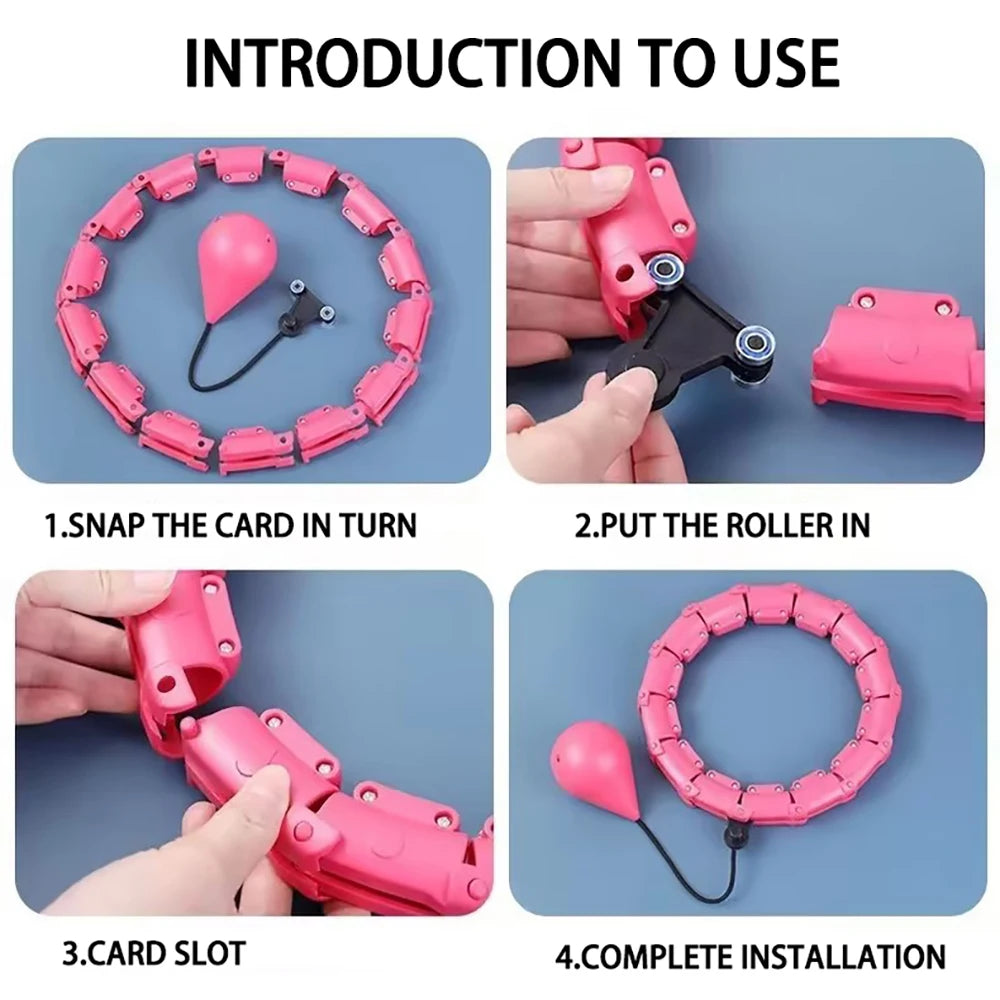
✨ Real users say: The KentDO hoop makes daily fitness easy, fun, and measurable.
Shop KentDO Smart Weighted Hoop
Safety Tips & Bruise Prevention Guide
- Begin with shorter workouts.
- Avoid excessively heavy hoops.
- Wear fitted athletic clothing.
- Take rest days if soreness develops.
- Stop exercising if pain occurs.
- Maintain proper posture throughout each session.
Mild soreness can be normal during the adaptation period, but persistent pain or severe bruising indicates that workout intensity should be reduced.
Real User Results: What Actually Worked
Real-world experiences consistently show that frequency and consistency matter more than workout intensity.
- Week 1: Improved coordination and reduced hoop drops.
- Weeks 2–4: Increased endurance and longer continuous sessions.
- After 1 month: Many users report better core awareness, improved posture, and greater workout adherence.
Users who tracked their workouts and practiced at least three times weekly generally reported the greatest long-term success.
FAQ: Weighted Hula Hoop Questions Answered
How long should I use a weighted hula hoop daily?
Most beginners start with 5–10 minutes per session and gradually increase to 15–30 minutes as endurance improves.
Does a weighted hula hoop reduce belly fat?
Weighted hula hoop workouts can help burn calories and strengthen core muscles, but overall fat loss depends on consistent exercise, calorie balance, and nutrition.
Can beginners use weighted hoops safely?
Yes. Beginners should start with lighter hoops, shorter sessions, and proper technique.
Are heavier hoops better for workouts?
Not necessarily. Excessively heavy hoops can increase discomfort and bruising. Most beginners benefit from hoops weighing around 1–2 pounds.
How often should beginners practice?
Three to four sessions per week is typically enough for beginners to develop coordination and build endurance.
Pillar Article: Adjustable Weighted Hula Hoop Review: Is It Worth the Hype in 2025?
Other Related Articles:
Explore More:













