Share
How to Use an Electric Foot Callus Remover Safely at Home
Wondering how to use an electric foot callus remover safely at home? An electric pedicure tool can help reduce rough, hardened skin without the need for salon visits. When used correctly, it provides a gentle way to smooth cracked heels and callused soles while minimizing the risk of over-filing. This practical guide explains how to prepare your feet, use the device safely, maintain it properly, and keep your feet soft between treatments.
For a complete foot care routine, explore our guides on Beauty & Self-Care Blog for more tips on maintaining healthy, smooth feet between callus removal sessions.
Why At-Home Callus Removal Matters
Calluses develop when repeated friction or pressure causes the skin to thicken as a natural protective response. Common causes include prolonged standing, walking barefoot, and wearing shoes that create pressure points.
While some callused skin is beneficial, excessive buildup can contribute to rough texture, discomfort, and cracked heels. Regular, gentle maintenance helps keep feet comfortable while avoiding excessive thickening.
Learning how to use an electric foot callus remover properly allows you to gradually reduce hardened skin without using blades or aggressive scraping tools, making it a beginner-friendly option for routine foot care.
What Is an Electric Foot Callus Remover and How Does It Work?
An electric foot callus remover is a handheld exfoliating device designed to smooth rough, hardened skin on areas such as the heels, soles, and sides of the feet. Unlike traditional foot files, it uses a rotating roller head that gradually buffs away excess dead skin.
How an Electric Callus Remover Removes Hard Skin
The textured roller spins across thickened skin to gently file away buildup layer by layer. Because the roller does the work, only light pressure is needed. Gradual exfoliation helps reduce the chance of damaging healthy skin.
Electric vs Manual Callus Removers: What Makes Them Different?
Manual foot files rely entirely on hand pressure and repeated strokes. Electric callus removers use a powered roller that provides consistent movement, making it easier to treat larger areas while maintaining better control for many users.
Many devices also include:
- Replaceable roller heads with different grit levels
- Rechargeable or battery-powered operation
- Ergonomic handles for improved grip
- Optional multiple speed settings
To explore more personal care tools, visit our Body Care and Health Devices collection.
Are Electric Callus Removers Safe to Use?
When used according to the manufacturer's instructions, electric callus removers are generally safe for routine maintenance of hardened skin. They gradually exfoliate instead of cutting the skin, making them less aggressive than blades or razor-style callus removers.
Who Should Avoid Using an Electric Callus Remover
Consult a healthcare professional before using an electric callus remover if you have:
- Diabetes or reduced circulation
- Open wounds or bleeding cracks
- Foot infections
- Severely irritated or inflamed skin
- Loss of sensation in the feet
Safety Tips to Prevent Skin Damage
Removing too much skin can leave feet tender. Follow these simple precautions:
- Use gentle pressure and allow the roller to glide naturally.
- Avoid holding the roller in one spot for more than a few seconds.
- Do not use the device on injured, infected, or irritated skin.
- Stop immediately if discomfort or excessive sensitivity develops.
- Apply moisturizer after every treatment to support healthy skin.
Maintaining proper foot care habits and keeping your device clean can also help reduce irritation during future treatments.
Before You Start: Prepare Your Feet and Device
Preparing both your feet and the device improves comfort and helps you achieve more even results.
Should You Soak Your Feet Before Using an Electric Callus Remover?
Whether you should soak your feet depends on the specific model. Many electric callus removers are designed to work best on completely dry skin because the roller grips hardened skin more effectively.
If your model is waterproof, or the manufacturer recommends wet use, lightly softened skin may make thick calluses more comfortable to treat. Always follow your device instructions.
Check Your Skin, Roller Head, and Battery Before Use
- Inspect your feet for cuts, irritation, or infections.
- Ensure the roller head is securely attached and clean.
- Confirm the battery is sufficiently charged.
- Sit comfortably where you can safely reach both feet.
Step-by-Step Guide: How to Use an Electric Foot Callus Remover
1. Clean and Dry Your Feet Before Treatment
Wash your feet and remove any lotion or oil. For dry-use devices, thoroughly dry your skin before beginning.
2. Select the Correct Roller Head
Choose a coarse roller for thicker calluses and a finer roller for maintenance or sensitive areas.
3. Turn On the Device and Test the Speed
If your device offers multiple speeds, begin with the lower setting. Test the roller briefly on a small area before treating larger sections.
4. Move the Roller Slowly Across Callused Areas
Glide the roller using slow, steady movements across rough skin. Keep the device moving rather than repeatedly passing over the same spot.
5. Use the Right Pressure and Avoid Over-Filing
Apply only light pressure. Pressing harder will not remove calluses faster and may increase skin irritation. Remove thick calluses gradually over several sessions if necessary.
6. Clean the Device and Moisturize Your Feet
Brush away loose skin, clean the roller according to the manufacturer's instructions, and finish with a rich moisturizing foot cream to help maintain soft skin.
Common Mistakes When Using an Electric Callus Remover
- Using excessive pressure: Let the rotating roller perform the exfoliation.
- Holding the device in one place: Continuous movement reduces irritation.
- Choosing the wrong grit: Match the roller to the thickness of the callus.
- Skipping moisturizer: Hydrated skin helps slow future buildup.
- Ignoring hygiene: Dirty rollers can reduce performance.
Mistakes That Can Make Calluses Worse
- Using the device too frequently.
- Trying to remove every layer of hardened skin in one treatment.
- Continuing to use worn roller heads.
- Neglecting daily moisturizing.
- Using the device on damaged skin.
Why Your Electric Callus Remover Is Not Working Properly
If you're not seeing smoother feet, one or more of these issues may be responsible:
- The roller head has become worn and should be replaced.
- Your battery charge is too low to maintain full power.
- Your calluses require multiple maintenance sessions.
- Too much pressure is preventing the roller from spinning efficiently.
Replacing worn rollers and using gentle, consistent treatments usually provides better long-term results.
How Often Should You Use an Electric Callus Remover?
Most people only need occasional treatments as part of a regular foot care routine. The ideal schedule depends on how quickly calluses develop, your activity level, and your skin sensitivity.
Regular moisturizing between sessions often reduces the need for frequent exfoliation. Avoid overusing the device, as excessive filing may leave skin sensitive.
Cleaning and Maintaining Your Electric Pedicure Tool
Routine maintenance keeps the device working effectively while promoting better hygiene.
How to Clean the Roller Head After Use
- Turn off the device before cleaning.
- Remove the roller head if applicable.
- Brush away loose skin after every session.
- Clean according to the manufacturer's instructions.
- Store the device in a cool, dry place.
When to Replace the Roller Head
- Replace the roller once its abrasive surface becomes smooth.
- Change heavily used rollers every few months, depending on usage.
- Always use compatible replacement rollers recommended for your device.
Learning how to clean personal care devices properly also helps maintain performance over time.
Aftercare Routine: Keep Feet Smooth After Callus Removal
Removing hardened skin is only one part of long-term foot care.
- Apply a moisturizing foot cream daily.
- Wear supportive shoes that minimize pressure.
- Exfoliate lightly as needed.
- Maintain a consistent but gentle routine.
Good aftercare helps reduce the speed at which calluses return.
Recommended Product: Kentdo Electric Foot Callus Remover
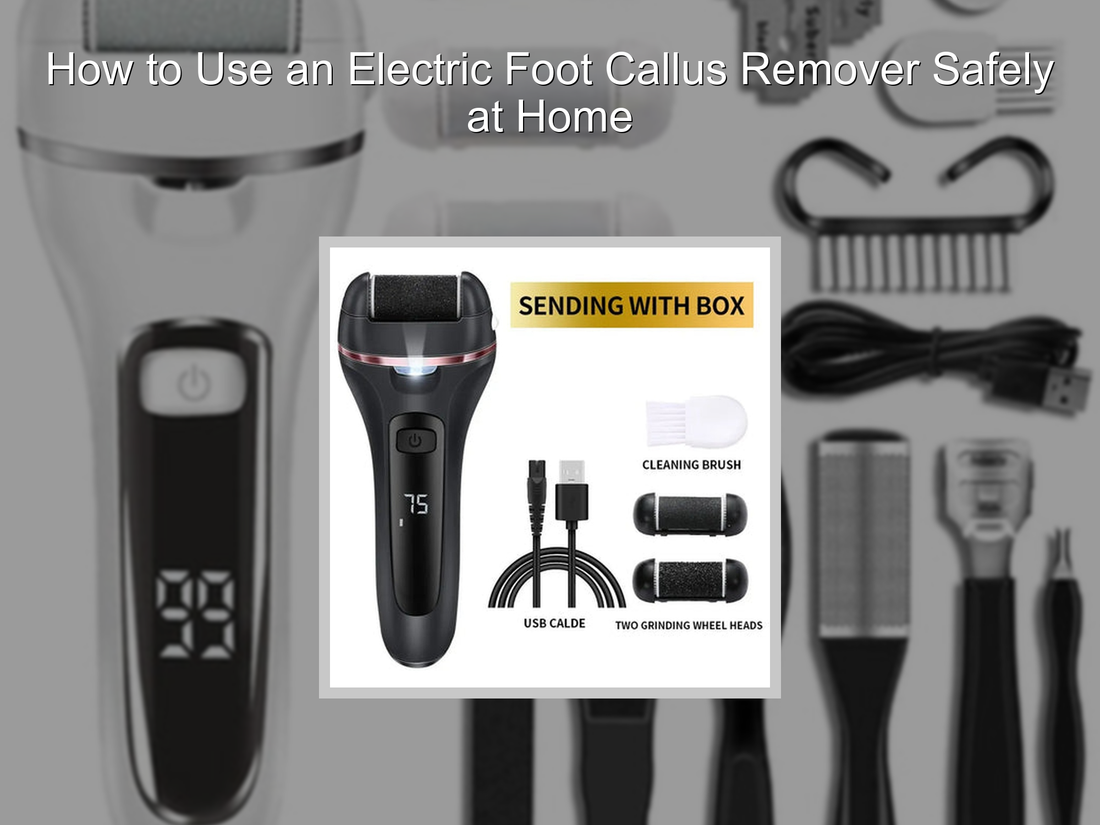
If you're looking for a beginner-friendly option, the Kentdo Electric Foot Callus Remover Pedicure Tool is suitable for routine at-home maintenance. It features rotating roller heads, cordless operation, and multiple roller options for different levels of hardened skin.
- Replaceable roller heads
- Comfortable ergonomic grip
- Rechargeable cordless design
- Suitable for ongoing foot maintenance
Complete your routine by exploring our Nail Care Devices and Skin and Beauty Care Devices collections.
FAQs About Using Electric Callus Removers
Can You Use an Electric Callus Remover on Wet Feet?
Only if your model is specifically designed for wet use. Many devices perform best on dry skin.
How Often Should You Use a Battery Operated Heel Smoother?
Occasional maintenance is usually sufficient. Gentle treatments are generally more effective than aggressive sessions.
Does Using an Electric Callus Remover Hurt?
No. When used correctly with light pressure, the device should only remove dead skin and should not be painful.
How Long Should Each Session Last?
Most sessions take between five and ten minutes, depending on the amount of hardened skin being treated.
Can You Use a Callus Remover on Cracked Heels?
Use caution. Avoid treating painful, bleeding, or damaged cracks. If your heels are severely cracked or infected, seek medical advice before using an electric callus remover.
Conclusion: Smooth Feet Made Simple
Using an electric foot callus remover correctly is a simple way to maintain smoother, healthier feet at home. By preparing properly, using gentle pressure, cleaning the device after each use, and moisturizing regularly, you can safely manage callus buildup as part of an ongoing foot care routine.
Explore more tips in our Beauty & Self-Care Blog and Body & Face Blog .
Related Articles:
- Is It Safe to Use an Electric Callus Remover Daily?
- Pedicure Electric Tools 101: How to Use Them for Salon-Quality Feet
- Recharge, Use, Repeat: Caring for Your Electric Callus Remover
- Avoid These 5 Mistakes When Using a Foot Callus Remover
- Step-by-Step: Getting the Best Results with Your Electric Callus Remover
Pillar Articles: