Share
How to Use an Electric Foot Callus Remover Safely at Home
Wondering how to use an electric foot callus remover safely at home? Discover how this gentle electric pedicure tool for home use can transform your feet. Say goodbye to cracked heels and rough soles with an effective electric heel scraper. Whether you're new to pedicure electric tools or just want a smoother routine, this guide offers easy tips for soft, sandal-ready feet—no salon required!
Why At-Home Callus Removal Matters
Calluses form when your skin repeatedly experiences friction or pressure. Walking barefoot, wearing tight shoes, and standing for long periods can cause thick, hardened skin to develop on the heels or balls of the feet.
While calluses protect the skin, excessive buildup can lead to rough texture, cracked heels, or discomfort while walking. Regular foot care helps prevent these problems and keeps your skin healthy.
Learning how to use an electric foot callus remover properly allows you to gently reduce thick skin at home without the risks of manual blades or aggressive scraping tools. Modern electronic pedicure tools use rotating rollers that exfoliate gradually, making them safer for beginners when used correctly.
What Is an Electric Foot Callus Remover?
An electric foot callus remover is a handheld pedicure device designed to gently exfoliate hardened skin on the feet. Instead of using sharp blades, it uses a rotating roller head coated with micro-abrasive particles that gradually file away dead skin.
Most models include:
- Replaceable roller heads with different grit levels
- A motorized spinning mechanism
- Rechargeable or battery operated power
- Ergonomic handles for controlled use
Because the roller spins at a controlled speed, the device removes callused skin layer by layer. This makes it easier to smooth rough heels while reducing the risk of cutting healthy skin.
To explore more personal care tools, visit our Body Care and Health Devices collection.
Are Electric Callus Removers Safe?
When used correctly, electric callus removers are generally safe for routine foot care. The rotating roller files away dead skin gradually, making it less aggressive than metal scrapers or razors.
Who Should Avoid Using One
Some individuals should consult a healthcare professional before using an electric callus remover, including people with:
- Diabetes or poor circulation
- Severely cracked or bleeding heels
- Skin infections or open wounds
- Extremely sensitive skin
Safety Tips Recommended by Foot Care Professionals
- Use light pressure and let the roller do the work
- Do not stay on one spot longer than a few seconds
- Stop immediately if irritation occurs
- Always moisturize after treatment
Should You Soak Your Feet Before Using an Electric Callus Remover?
Whether you should soak your feet depends on the type of device you are using. Many electric callus removers are designed for dry use, meaning you should exfoliate completely dry skin for the best results.
However, some waterproof models allow wet use during or after a shower. In that case, lightly softened skin can make thick calluses easier to remove.
Always check the manufacturer's instructions for your specific device. If you're unsure, starting with dry skin is usually the safest approach for beginners.
Step-by-Step Guide: How to Use Electric Foot Callus Remover
1. Prepare Your Feet Properly
Start with clean feet. Wash and thoroughly dry them if your device is designed for dry use. Removing dirt and oils helps the roller head exfoliate more effectively.
2. Choose the Right Roller Head
Most devices include multiple roller heads with different grit levels. Use a coarse roller for thick calluses and a fine roller for maintenance or sensitive areas.
3. Power On and Test the Device
Turn the device on and briefly test it against the palm of your hand to understand the speed and pressure needed.
4. Gently Exfoliate Callused Areas
Move the roller slowly across the heel or callused area. Avoid pressing too hard—allow the spinning roller to remove dead skin gradually.
5. Check Progress and Avoid Over-Filing
Pause every few seconds to check your progress. Over-filing can cause irritation, so it's better to remove callus gradually across several sessions.
6. Rinse, Clean, and Moisturize
After finishing, rinse your feet to remove loose skin particles. Apply a rich foot cream or moisturizer to restore hydration and keep the skin soft.
Common Mistakes to Avoid When Using an Electric Callus Remover
- Using too much pressure: Let the roller glide gently over the skin.
- Staying in one spot too long: This can cause irritation or redness.
- Using the wrong roller grit: Fine rollers work best for maintenance while coarse rollers handle thick calluses.
- Skipping moisturizer: Hydration helps prevent calluses from returning quickly.
- Ignoring device hygiene: Dirty roller heads can harbor bacteria.
Why Your Electric Callus Remover Might Not Be Working
If your callus remover isn't producing smooth results, several factors could be responsible:
- The roller head may be worn out and needs replacing.
- The callus may be too thick for a single session.
- The device battery may be running low.
- You may be pressing too hard instead of allowing the roller to spin freely.
Replacing the roller head and performing shorter, regular sessions often improves results significantly.
Device Maintenance: Cleaning and Replacing Roller Heads
Proper maintenance keeps your electric callus remover hygienic and effective.
- Remove the roller head after each use.
- Rinse it under warm water to remove skin debris.
- Allow the roller to dry completely before reattaching.
- Replace the roller head every few months or when it becomes smooth.
Keeping the device clean not only improves performance but also reduces the risk of bacterial buildup.
Post-Care: Keep Your Feet Smooth Longer
Removing calluses is only the first step. Maintaining smooth feet requires consistent aftercare.
- Apply a thick moisturizing foot cream daily
- Wear cushioned shoes that reduce pressure points
- Exfoliate lightly once or twice per week
- Use a gentle electric callus remover regularly for maintenance
These habits help prevent new calluses from forming and keep your heels soft for longer.
Recommended Product: Kentdo Electric Foot Callus Remover
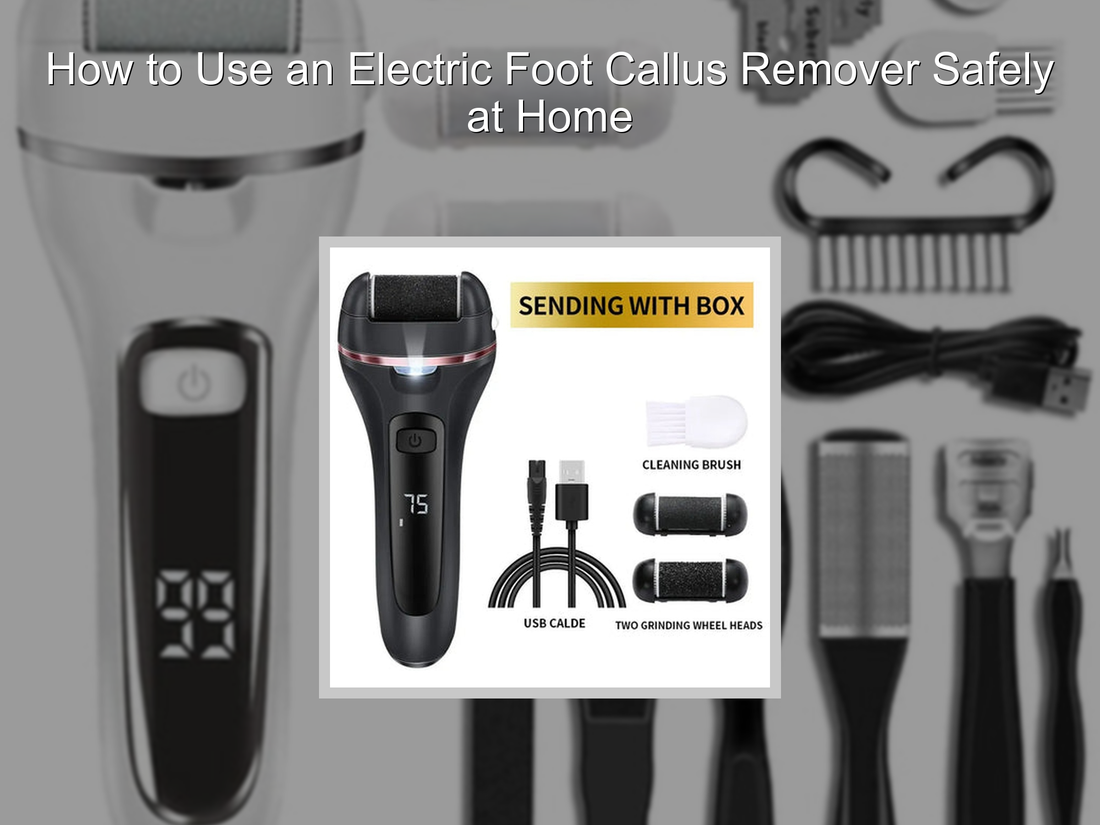
If you're looking for a beginner-friendly tool, the Kentdo Electric Foot Callus Remover Pedicure Tool is designed for safe at-home pedicures. Its rotating roller heads gently exfoliate hardened skin while maintaining control and comfort.
- Multiple roller heads for different callus levels
- Ergonomic grip for easier handling
- Rechargeable battery for cordless use
- Suitable for routine foot maintenance
Choosing a device with replaceable rollers and adjustable speeds makes it easier to maintain smooth, healthy feet over time.
Pair it with other foot care solutions from our Nail Care Devices or Skin and Beauty Care Devices collections for a complete DIY pedicure experience.
FAQs About Using Electric Callus Removers
Can I use an electric callus remover on wet feet?
Only if the device is specifically designed for wet use. Many electric callus removers work best on dry skin, which allows the roller to exfoliate more effectively.
How often should I use a battery operated heel smoother?
Most people can safely use the device once or twice per week. Frequent light maintenance sessions usually work better than aggressive treatments.
Is using an electric callus remover painful?
No. When used correctly with gentle pressure, the device should only remove dead skin and should not cause pain.
How long should each session last?
A typical session lasts about 5 to 10 minutes. Focus only on rough areas and stop once the skin feels smooth.
Conclusion: Smooth Feet Made Simple
With a few easy steps, learning how to use an electric foot callus remover can significantly improve your at-home foot care routine. By following safe techniques, maintaining your device, and moisturizing regularly, you can keep calluses under control and enjoy smoother, healthier feet year-round.
Explore more tips and tools in our Beauty & Self-Care Blog and Body & Face Blog collections.
Related Articles:
- Is It Safe to Use an Electric Callus Remover Daily?
- Pedicure Electric Tools 101: How to Use Them for Salon-Quality Feet
- Recharge, Use, Repeat: Caring for Your Electric Callus Remover
- Avoid These 5 Mistakes When Using a Foot Callus Remover
- Step-by-Step: Getting the Best Results with Your Electric Callus Remover
Pillar Articles: