

How can you warm feet up fast?
To warm feet up quickly, combine circulation, insulation, and safe targeted heat. The fastest methods are moving your toes and ankles for a few minutes, using a warm foot soak, replacing damp socks with dry insulating layers, and applying gentle heat such as heated socks for cold feet. These approaches can help raise foot temperature quickly while reducing heat loss.
How to Warm Feet Up Quickly: Instant & Lasting Solutions
Cold feet can affect comfort, relaxation, and daily activities—especially during winter or after sitting still for long periods. Learning how to warm feet up fast is about more than adding extra layers; it requires improving blood flow, preventing heat loss, and choosing warming methods that match your situation. This guide explains quick ways to warm cold feet and long-term habits that help maintain comfortable warmth indoors, outdoors, and overnight.
⏱ 7 min read
Quick question: Are your feet cold right now—even indoors? Keep reading to discover the fastest ways to warm them and prevent the chill from returning.
Discover simple options that fit your routine.
Simple habits make a difference when learning how to warm feet up fast
Why Do Feet Get Cold So Easily?
Feet often become cold faster than other body parts because they are far from the heart and have a large surface area that can lose heat. When your body senses cold temperatures, it may narrow blood vessels near the skin through a process called vasoconstriction. This helps preserve core warmth but can make hands and feet feel colder.
Common reasons feet feel cold include:
- Cold exposure: Low temperatures, cold floors, or outdoor conditions can quickly pull heat away.
- Reduced movement: Sitting still for long periods may reduce normal blood flow to the feet.
- Wetness: Damp socks or sweaty feet lose heat faster than dry feet.
- Insufficient insulation: Thin socks or poorly insulated footwear allow warmth to escape.
Occasional cold feet are common, especially in winter. However, feet that remain cold despite warm surroundings or are accompanied by other symptoms may require additional attention.
Instant Ways to Warm Feet Right Now
When you need to know how to warm up feet quickly, focus on methods that increase circulation and reduce heat loss. The best approach depends on whether you are at home, working, traveling, or outdoors.
Move Your Feet to Increase Circulation
Movement is often the fastest first step because it encourages blood flow and creates natural warmth. Try these simple actions:
- Rotate your ankles in circles for 30–60 seconds.
- Wiggle and stretch your toes repeatedly.
- Do calf raises while standing.
- Walk around for several minutes.
This method works especially well after sitting at a desk, traveling, or staying still in a cold room.
Use a Warm Foot Soak Safely
A warm foot soak can help cold feet feel comfortable quickly. Place your feet in comfortably warm water for around 5–10 minutes. Avoid extremely hot water because excessive heat may irritate skin or cause discomfort, especially if you have reduced heat sensitivity.
A warm soak works best when followed by drying your feet thoroughly and putting on warm socks to keep the heat in.
Add Insulation With Dry Socks and Layers
If your feet are losing heat because of cold air, flooring, or damp fabric, adding insulation can help immediately. Replace wet socks with dry ones and choose materials designed to trap warmth.
- Wear moisture-wicking socks to keep feet dry.
- Add an insulating outer layer when temperatures are low.
- Avoid socks or shoes that feel overly tight.
Use Heated Socks or a Heat Pack Carefully
Targeted heat can provide fast comfort when passive methods are not enough. Heated socks for cold feet provide warmth directly around the foot, while heat packs can help warm specific areas.
Use heat sources carefully:
- Choose comfortable temperatures rather than excessive heat.
- Avoid placing very hot items directly against skin for long periods.
- Use extra caution if you have reduced ability to sense temperature.
What Is the Fastest Way to Warm Feet?
The fastest way to warm feet depends on whether you need immediate heat or warmth that lasts. Combining methods usually works better than relying on one solution.
| Method | Speed | Warmth Duration | Best Situation |
|---|---|---|---|
| Foot movement | Very fast | Short-term | Cold feet after sitting |
| Warm water soak | Fast | Medium | At-home warming |
| Heated socks | Very fast | Long-lasting | Travel, work, outdoor use |
| Insulating socks and footwear | Fast | Long-lasting | Preventing heat loss |
For most situations, the quickest combination is movement first, followed by insulation or gentle targeted heat. Heated socks may be especially useful when you need continuous warmth during long periods in cold conditions.
Boost Circulation With Simple Daily Movement
Keeping feet warm starts with regular movement. Activity helps support normal circulation and prevents your feet from becoming cold after long periods of inactivity.
Easy At-Home Moves
- Toe stretches and flexes.
- Ankle rotations while sitting.
- Foot pumps while watching TV or working.
- Short indoor walks throughout the day.
Office & Outdoor-Friendly Exercises
- Stand and walk briefly every hour.
- Perform calf raises during breaks.
- March in place when taking short indoor breaks.
Small movements can create noticeable comfort improvements.
Choose Fabrics That Trap Heat Effectively
The materials touching your feet play a major role in keeping feet warm winter after winter. Good winter socks should trap heat while allowing moisture to escape.
Best Materials for Warmth
- Merino wool: Provides insulation while managing moisture.
- Fleece: Offers lightweight warmth and softness.
- Thermal blends: Combine insulation with breathability.
- Moisture-wicking fabrics: Help prevent dampness that increases heat loss.
Layering Techniques for Winter
A moisture-wicking base sock combined with a warmer outer layer can improve insulation. Avoid overly tight socks or shoes because restricted comfort and pressure may make feet feel colder.
Proper footwear matters too. Insulated shoes, warm slippers, and avoiding direct contact with cold floors can make a noticeable difference.
Why Heated Socks for Cold Feet Work Better
Heated socks for cold feet use active warmth instead of relying only on your body heat. While traditional socks help prevent heat loss, heated socks provide additional warmth during situations where your feet struggle to stay comfortable.
- Provide consistent warmth during long sitting periods.
- Help maintain comfort during outdoor activities.
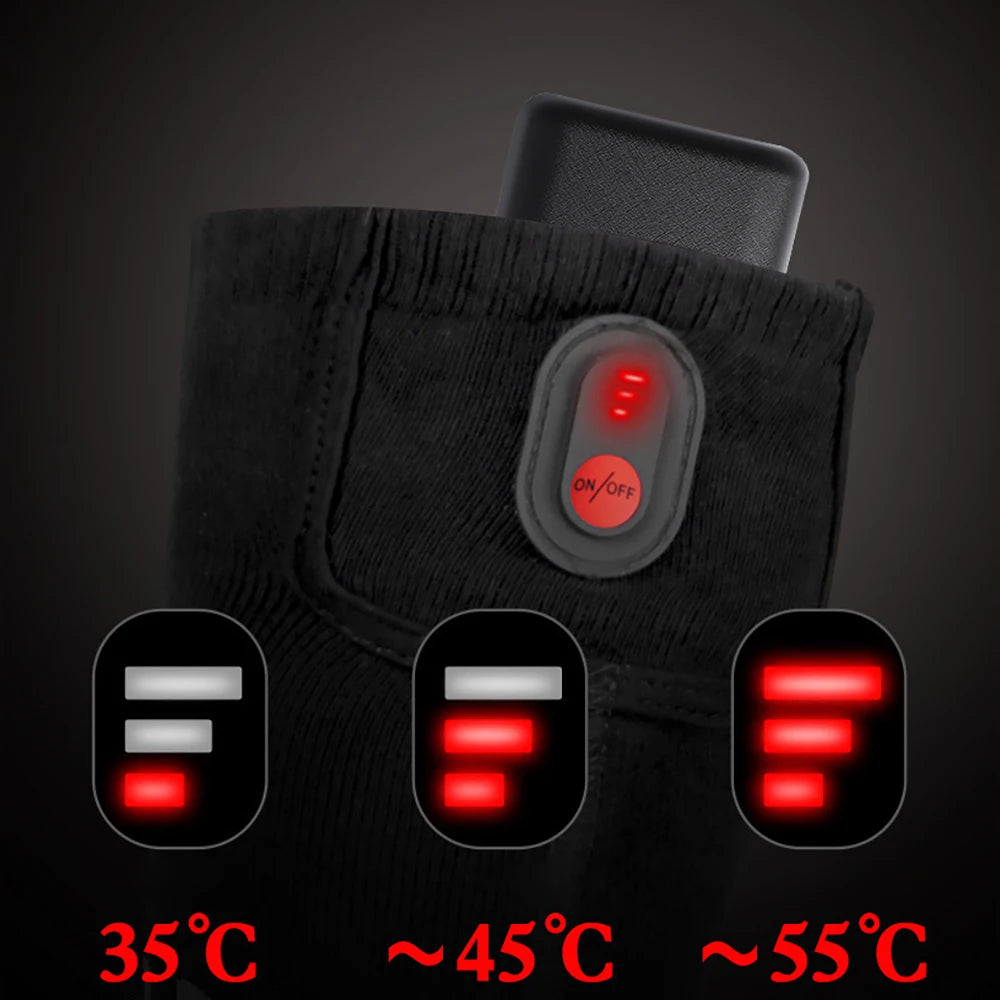
- Offer adjustable heat settings on many models.
- Reduce the need for bulky sock layers.
When choosing heated socks, consider:
- Fit: Socks should feel comfortable without restricting movement.
- Battery placement: Look for designs that keep components comfortable during wear.
- Heat settings: Adjustable levels allow better temperature control.
Use extra caution if you have reduced sensitivity to heat, as you may not notice discomfort as quickly. Explore options designed for daily comfort via heated socks .
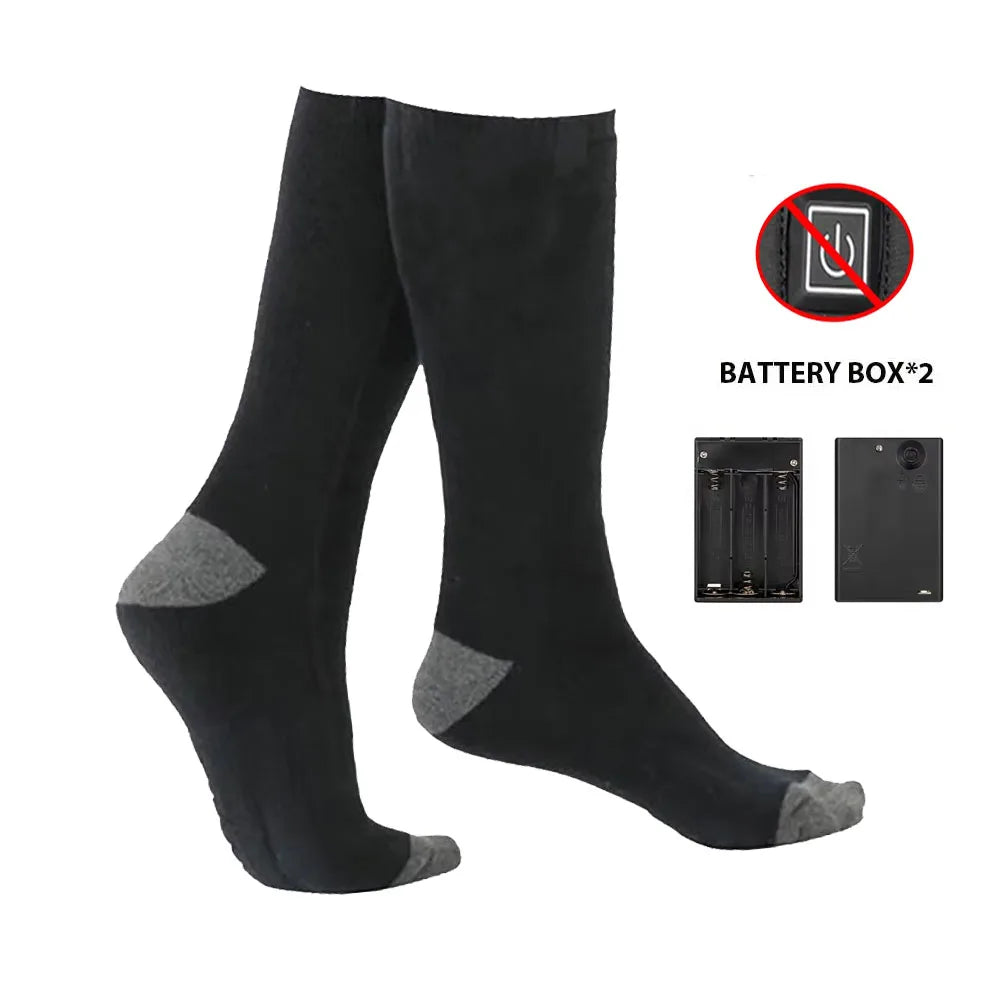
Heated socks for cold feet offer targeted winter foot warmth
Daily Habits That Keep Feet Warm Longer
Learning how to get warm feet is easier when you prevent heat loss before your feet become cold.
Morning & Evening Rituals
- Dry feet completely after washing.
- Change damp socks promptly.
- Warm your feet before bedtime with gentle movement or comfortable layers.
- Use warm bedding and insulated slippers when needed.
Lifestyle Habits That Make a Difference
- Move regularly instead of sitting still for extended periods.
- Wear properly fitting footwear.
- Protect feet from cold floors.
- Keep your overall body comfortable with appropriate layers.
Cold Feet Solutions Compared: Pros & Cons
| Solution | Speed | Warmth Duration | Convenience | Best For |
|---|---|---|---|---|
| Movement | Fast | Temporary | Very high | Desk work, travel, sitting |
| Warm foot soak | Fast | Medium | Medium | Home relaxation |
| Regular warm socks | Medium | Long | High | Daily prevention |
| Heated socks | Fast | Long | High | Cold environments and extended wear |
| Heat packs | Fast | Medium | Medium | Targeted warmth |
The best option depends on your environment. Movement is ideal for quick indoor warming, while heated socks or insulation may provide better results when cold exposure lasts longer.
Experience effortless warmth today.
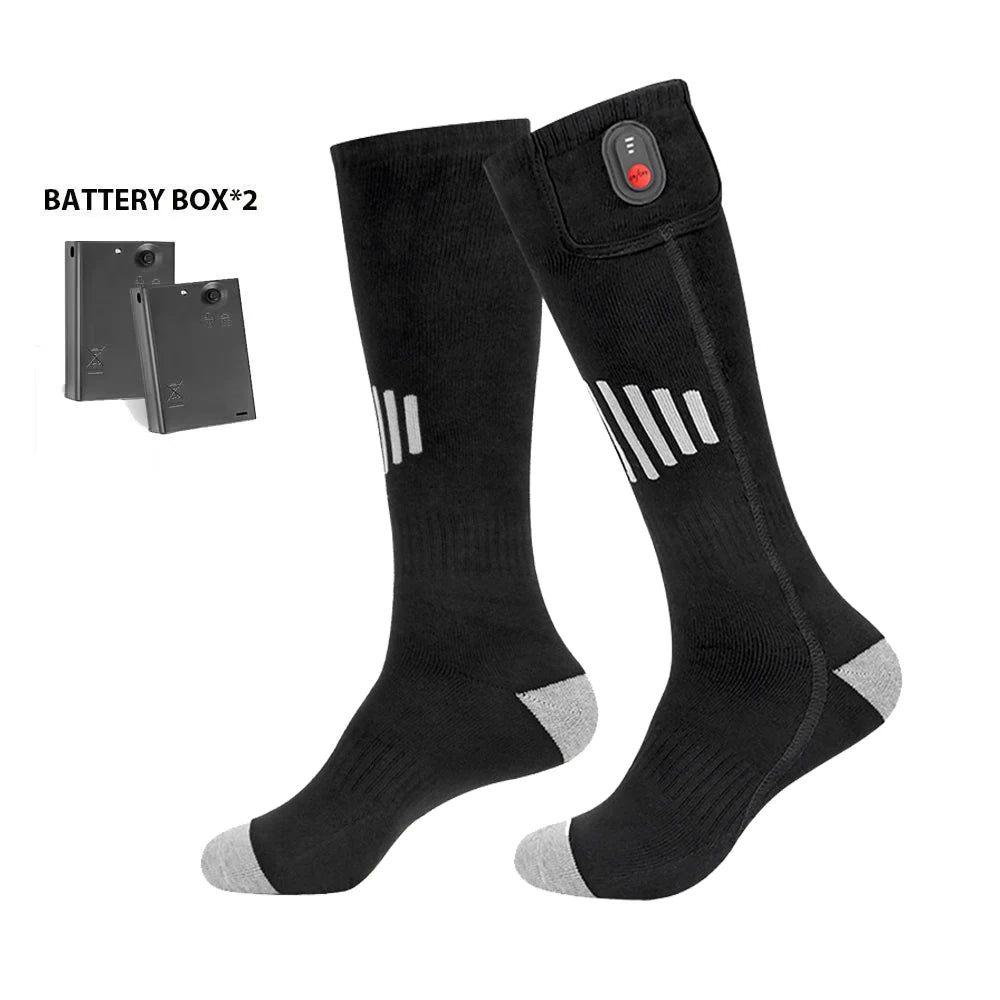
Keeping feet warm winter is easier with smart tools
When to Worry About Cold Feet
Occasional cold feet are usually linked to temperature, clothing, or inactivity. However, persistent or unexplained cold feet may deserve professional evaluation.
Consider seeking medical advice if cold feet are accompanied by:
- Frequent numbness or tingling.
- Noticeable color changes in the skin.
- Persistent pain or discomfort.
- Slow-healing sores.
People with diabetes, known circulation concerns, or reduced heat sensitivity should take extra care with foot temperature and discuss ongoing symptoms with a healthcare professional.
FAQs About Warming Cold Feet
Why are my feet cold even indoors?
Feet can feel cold indoors because of reduced movement, cold flooring, damp socks, poor insulation, or normal changes in blood flow when the body tries to conserve warmth.
What is the fastest way to warm cold feet?
The fastest approach is usually a combination of moving your feet, adding dry insulation, and using safe targeted warmth. Heated socks can provide longer-lasting warmth when cold conditions continue.
How can I warm my feet up quickly at home?
At home, try ankle movements, a warm foot soak, dry warm socks, and comfortable footwear. Combining circulation support with insulation usually works best.
Are heated socks safe for daily use?
Heated socks are generally designed for regular use when used according to manufacturer instructions. Choose comfortable heat levels and use extra caution if you have reduced ability to sense temperature.
What is the best way to keep feet warm overnight?
The best overnight approach is to start with dry, comfortable feet, warm them before bed if needed, and use suitable insulating socks or bedding to maintain warmth.
Can cold feet indicate health problems?
Cold feet alone do not always indicate a health issue. However, persistent coldness combined with symptoms such as numbness, pain, or skin changes should be discussed with a healthcare professional.













