

How can you warm hands fast in extreme cold?
To warm hands fast in extreme cold , focus on restoring circulation while preventing additional heat loss. The quickest approach combines gentle movement, body heat, and dry insulation. If your hands are extremely numb, pale, hard, or waxy, move to a warm shelter and rewarm them gradually rather than exposing them to intense heat, as these may be signs of a cold injury.
- Swing your arms in wide circles for 30–60 seconds to encourage warm blood flow into your fingers.
- Clench and unclench your fists rapidly to stimulate circulation without excessive strain.
- Tuck your hands into your armpits or against your core for fast body-heat transfer.
- Blow warm air into cupped hands while shielding them from wind to reduce further heat loss.
- Put on dry gloves or add an insulating layer to trap warmth and prevent rapid cooling.
Most mildly cold hands begin warming within seconds to a few minutes when circulation improves and heat loss is minimized. If normal feeling does not return or your skin becomes blue, white, or unusually painful, seek medical evaluation instead of continuing aggressive warming.
⏱ 7 min read
How to Warm Hands Fast (Proven Methods That Work in Minutes)
How to warm hands fast is a common concern during winter activities, outdoor work, and cold-weather travel. Fingers lose heat quickly because your body naturally redirects warm blood toward vital organs when temperatures drop. Fortunately, the right combination of movement, insulation, and safe rewarming techniques can restore comfort quickly while helping reduce the risk of cold-related injuries. This guide covers immediate 30-second fixes, practical methods that work within minutes, and long-term strategies to keep your hands warm in extreme cold.
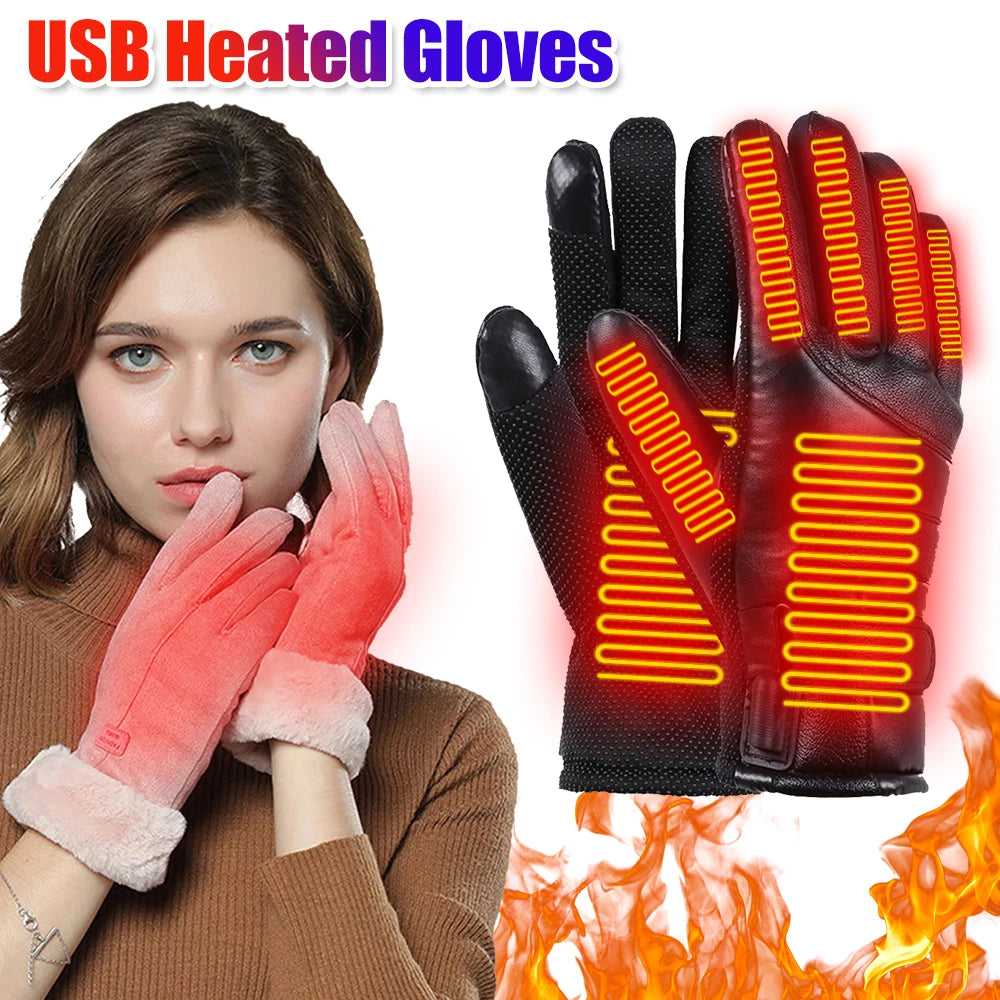
Cold hands during winter can feel unavoidable—learn practical techniques that restore warmth quickly and safely.
The Fastest Ways to Warm Hands (Ranked by Speed)
30-Second Fixes (Instant Results)
- Windmill arm swings – Quickly increase blood flow from your core to your fingers.
- Rapid fist clenching and finger flexing – Activate circulation when hands are cold but still mobile.
- Hands under your armpits – Use natural body heat for fast, reliable warming.
- Warm breath into cupped hands – Provides short-term relief while reducing wind exposure.
1–5 Minute Methods (Sustainable Warmth)
- Walk briskly or perform light whole-body movement to increase core temperature.
- Replace wet gloves with dry insulated ones to stop ongoing heat loss.
- Rewarm hands in warm (not hot) water if you are indoors.
- Hold a warm drink, heat pack, or another safe heat source to maintain warmth.
Movement is usually the fastest way to warm hands because it improves circulation. Insulation then helps retain that warmth, making the results last longer.
Why Hands Get Cold Faster Than the Rest of Your Body
Your body naturally protects vital organs by narrowing blood vessels in the hands and feet when temperatures fall. This response, called vasoconstriction, reduces heat loss but also leaves your fingers feeling cold much sooner than your torso.
- Fingers have a high surface area and lose heat rapidly.
- Reduced blood flow limits the amount of warm blood reaching your hands.
- Wind and damp conditions dramatically increase heat loss.
- Tight or wet gloves can further reduce circulation and insulation.
Understanding these causes makes it easier to choose effective warming strategies. Improving circulation alone is rarely enough—keeping your hands dry, blocking wind, and using proper insulation are equally important for lasting warmth.
What Is the Fastest Way to Warm Hands Outside?
When you're outdoors, the fastest way to warm hands is to combine gentle movement with protection from wind and moisture. Restoring circulation helps generate warmth, while insulation prevents that newly generated heat from escaping.
Use Body Heat and Movement First
If your fingers are cold but still flexible, begin with light movement that raises circulation without overexertion.
- Perform arm swings or fist pumps for 30–60 seconds to encourage blood flow into your hands.
- Tuck your hands under your armpits or inside your jacket to use your core body heat.
- Keep your shoulders and torso moving with a short walk if conditions allow.
Add a Hand Warmer for Sustained Heat
Once circulation begins to improve, adding a reusable or disposable hand warmer can help maintain comfortable temperatures during continued outdoor exposure. Place warmers according to the manufacturer's instructions, and combine them with insulated gloves rather than relying on them alone.
Block Wind and Moisture Immediately
Wind chill and damp gloves can quickly undo your warming efforts. Protect your hands by:
- Shielding them from the wind with gloves, mittens, or jacket pockets.
- Replacing wet gloves with dry ones whenever possible.
- Keeping insulation intact so warm air remains trapped around your fingers.
If your hands remain numb, become pale or waxy, or you lose the ability to move your fingers normally, seek shelter and begin gradual rewarming instead of staying exposed to the cold.
Movement Techniques That Restore Warmth in Minutes
Windmill Arm Swings
Swing your arms in controlled circles for 30–60 seconds. This movement helps move warm blood from your core toward your hands and is often one of the fastest ways to warm cold fingers outdoors.
Fist Pumps and Finger Flexes
Open and close your fists repeatedly while gently flexing your fingers. These movements encourage circulation and can reduce stiffness. Avoid forceful squeezing if your hands are extremely numb or painful.
Body Heat Transfer Techniques
Place your hands beneath your armpits, against your abdomen, or between layers of clothing close to your torso. Using your own body heat provides gradual, safe warming and works especially well when combined with protection from wind.
How to Use Warm Water to Warm Cold Hands Safely
Warm Water Method (Correct Temperature)
If you are indoors or have access to clean water, immerse your hands in warm water between 37–40°C (98.6–104°F) . This temperature is warm enough to restore comfort without increasing the risk of skin damage.
Warm Hands Gradually
Keep your hands in the water until feeling and flexibility begin to return, then dry them thoroughly and put on dry insulated gloves if you need to go back outside. Gentle rewarming is safer and more comfortable than exposing cold skin to intense heat.
When to Avoid Rapid Heating
Do not place severely cold or numb hands directly against fires, heaters, heating pads, or very hot water. If your skin is hard, waxy, blue, or white, or numbness persists, stop self-treatment and seek prompt medical evaluation because these may indicate a more serious cold injury.
How to Block Heat Loss When Fingers Freeze in Cold Weather
Preventing heat loss is just as important as generating new warmth. Once your hands begin to cool, wind, moisture, and poor insulation can quickly undo any progress you've made. Protecting your hands immediately helps retain body heat and reduces the need for repeated rewarming.
- Wear insulated gloves or mittens that trap warm air while blocking cold wind.
- Replace wet gloves promptly since moisture dramatically increases heat loss.
- Shield your hands from wind by using jacket pockets, windproof shells, or outer mitts.
- Avoid gloves that fit too tightly , as restricted circulation makes fingers feel colder.
For prolonged outdoor activities, combine insulation with regular movement so your hands stay warm instead of repeatedly cooling down.
For everyday winter comfort, many people pair warming methods with protective lifestyle accessories found in the Lifestyle collection.
Targeted Heat Solutions for Extreme Cold
When temperatures remain well below freezing, supplemental heat can help maintain comfort after you've restored circulation. These options work best alongside proper layering rather than as replacements for insulated gloves.
- Disposable or reusable hand warmers provide steady heat inside gloves or pockets during extended outdoor exposure.
- Warm drinks or insulated bottles can safely warm your palms while also helping maintain overall body warmth.
- Layered glove systems combine a moisture-wicking liner with an insulated outer glove or mitten for better heat retention.
- Rechargeable heated gloves can provide consistent warmth during long periods outdoors when movement alone is not enough.
Choose the amount of supplemental heat based on your activity level, weather conditions, and how long you'll be outside. No matter which option you use, keeping your hands dry and your core warm remains essential.
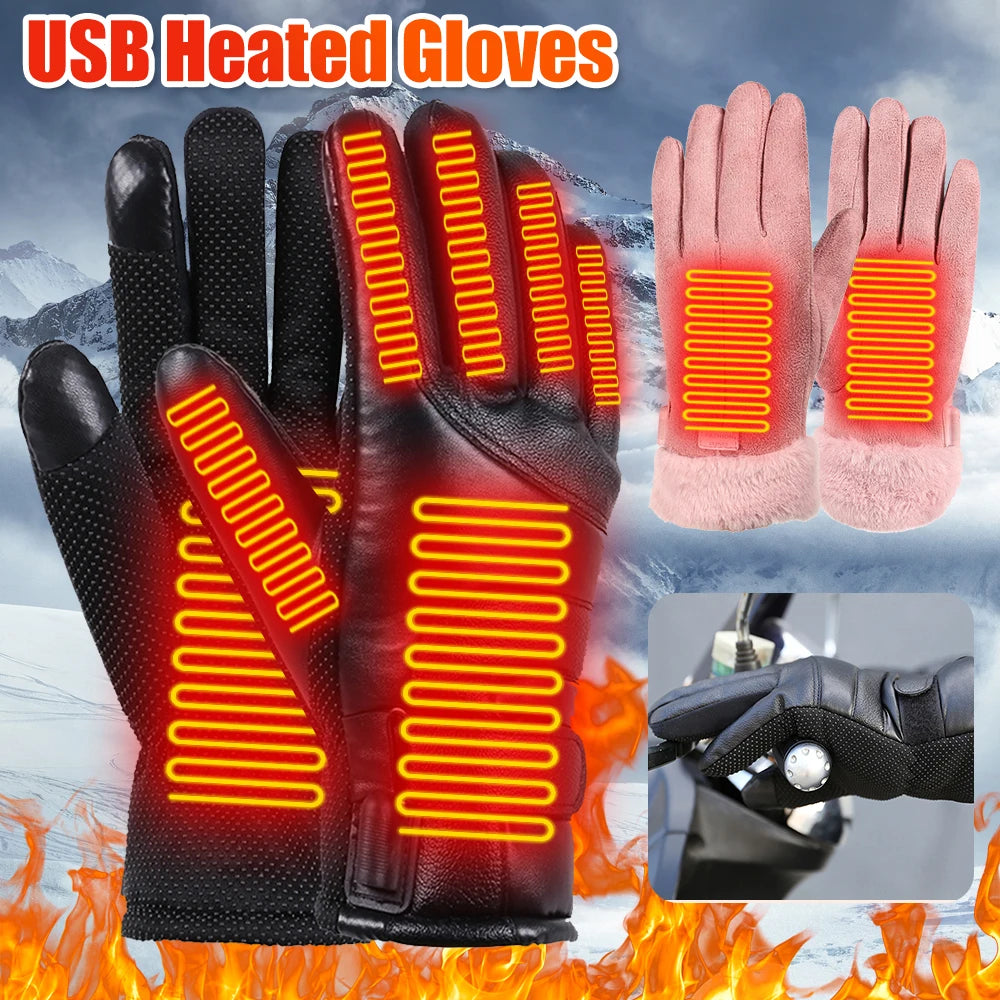
Best way warm hands outside — targeted heat makes the difference
Many people exploring hand-warming solutions also browse supportive tools in the Body Care and Health Devices collection for additional cold-weather comfort.
Product spotlight: USB Heated Gloves provide rechargeable supplemental warmth for extended time outdoors while allowing you to maintain dexterity with less bulky layering.
Comparing the Fastest Hand-Warming Methods
| Method | Time to Warmth | Best For | Portability | Safety Notes |
|---|---|---|---|---|
| Arm swings and fist pumps | 30–60 seconds | Quick circulation boost outdoors | Excellent | Avoid vigorous movement if you suspect frostbite or severe cold injury. |
| Body heat (armpits or core) | 1–3 minutes | Cold or numb hands outside | Excellent | Safe, gradual rewarming using your own body heat. |
| Warm water (37–40°C) | 3–10 minutes | Indoor rewarming | Low | Use warm—not hot—water to avoid skin damage. |
| Hand warmers or heated gloves | 2–5 minutes | Long outdoor activities | High | Work best after restoring circulation and with proper insulation. |
| Layered gloves or mittens | Prevents heat loss | Extended exposure | Excellent | Focuses on maintaining warmth rather than reheating cold hands. |
No single technique works best in every situation. The fastest results usually come from combining movement, body heat, and effective insulation instead of relying on just one method.
Common Mistakes That Keep Hands Cold
Many people unintentionally lose heat faster than they generate it. Avoid these common mistakes to improve comfort and reduce the risk of prolonged cold exposure.
- Waiting too long to put on gloves , allowing fingers to become cold before protecting them.
- Keeping wet or sweaty gloves on , which dramatically reduces insulation.
- Ignoring wind protection , even when temperatures seem manageable.
- Warming only your hands while your core remains cold , limiting blood flow to your fingers.
- Relying only on rubbing your hands together , which produces little lasting warmth.
- Using very hot heaters, fires, or hot water on numb hands , which may damage skin that cannot accurately sense temperature.
How to Keep Hands Warm in Extreme Cold
Layer Gloves and Mittens Strategically
For prolonged exposure, start with a thin moisture-wicking liner glove and add an insulated outer glove or mitten. In severe cold, mittens often outperform gloves because keeping fingers together reduces heat loss while still trapping warm air.
Keep Hands Dry and Manage Sweat
Moisture is one of the biggest causes of cold hands. Replace damp gloves when possible, choose breathable materials during active pursuits, and adjust layers before sweating excessively.
Warm Your Core and Protect Your Wrists
Your body naturally prioritizes warming vital organs. Wearing an insulated jacket, sealing sleeves around your wrists, and staying lightly active help maintain circulation to your hands. Taking short movement breaks during outdoor work or recreation is often more effective than repeatedly stopping to rewarm cold fingers.
Best Way to Warm Hands Outside for Long Periods
For extended time outdoors, preventing heat loss is far easier than repeatedly warming cold hands. Build a routine that keeps your circulation steady while minimizing exposure to wind and moisture.
- Keep your core warm with insulated clothing so your body continues sending warm blood to your hands.
- Wear layered gloves or mittens that balance warmth, dexterity, and moisture management.
- Take short movement breaks every 20–30 minutes during prolonged periods of standing or sitting.
- Replace damp gloves promptly and avoid letting sweat accumulate inside your gloves.
- Carry a backup heat source , such as reusable hand warmers or rechargeable heated gloves, for prolonged exposure in very cold weather.
Consistency is the key to maintaining warm hands throughout hiking, winter sports, outdoor work, and everyday cold-weather activities.
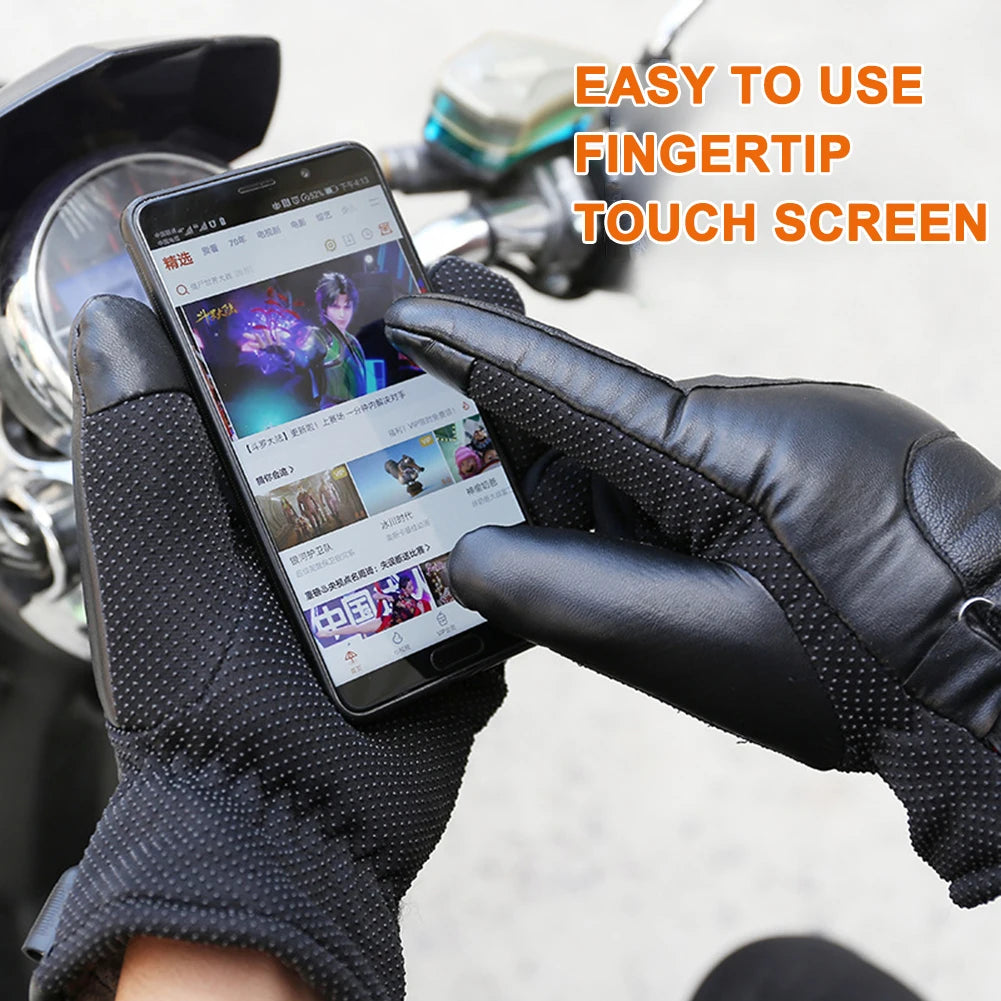
How to warm hands fast — real comfort even in extreme cold
USB Heated Gloves provide rechargeable supplemental heat to help keep your hands comfortable during extended cold-weather activities.
Quick Answers: How to Warm Hands Fast
What is the fastest way to warm hands?
The quickest approach is to combine arm swings or fist pumps with body heat by placing your hands under your armpits, then protect them with dry, insulated gloves to prevent further heat loss.
How can I warm up my hands in 30 seconds?
Swing your arms, rapidly flex your fingers, and tuck your hands against your core. These techniques quickly increase circulation and often restore noticeable warmth within half a minute.
How do you warm cold hands safely?
Warm them gradually using body heat or lukewarm water (37–40°C). Avoid placing numb hands directly against fires, heaters, or very hot water, as reduced sensation increases the risk of burns.
Why do fingers hurt when warming up?
As blood vessels reopen and circulation returns, nerves become more sensitive, causing temporary aching, tingling, or throbbing. This usually improves as your hands return to a normal temperature.
Can poor circulation cause cold hands?
Yes. Reduced circulation can make it harder to maintain finger warmth, particularly in cold environments. If cold hands occur frequently or are accompanied by color changes or persistent numbness, seek medical evaluation.
How long does it take for cold hands to warm up?
Mildly cold hands often begin warming within 30 seconds to several minutes using movement and body heat. Hands exposed to prolonged cold may require 10–20 minutes of gradual rewarming in a warm environment.
What is the fastest way to warm fingers specifically?
Arm swings, finger flexes, and fist pumps encourage blood flow into the fingers. Following these with insulation helps retain the heat you generate.
How can I keep my hands warm in extreme cold?
Wear layered gloves or mittens, keep your core warm, stay dry, reduce wind exposure, and carry supplemental heat for extended outdoor activities.
Should I use warm water on numb hands?
Yes, but only if the water is comfortably warm—not hot. Gradual rewarming is safer for numb skin and helps reduce the risk of tissue damage.
When should cold hands be checked by a doctor?
Seek prompt medical care if your hands remain numb after warming, develop white, blue, or black discoloration, feel hard or waxy, or if severe pain persists after rewarming. These symptoms may indicate frostbite, cold injury, or an underlying circulation problem.













