

How to Wear a Ski Neck Gaiter for Wind and Snow Protection (Step-by-Step Guide)
Does a skiing neck gaiter really protect you from wind and snow?
A skiing neck gaiter creates a flexible seal between your jacket, helmet, and goggles, blocking icy gusts and drifting snow while staying breathable. Worn correctly, a skiing neck gaiter helps prevent windburn, reduces heat loss around the neck, and offers lighter, faster protection than bulky alternatives.
On the slopes, even small gaps can let cold air in. A properly fitted neck gaiter stabilizes that vulnerable area, helping maintain consistent warmth without restricting movement or breathing.
⏱ 5 min read
Discover how a well-fitted skiing neck gaiter transforms your cold-weather comfort.
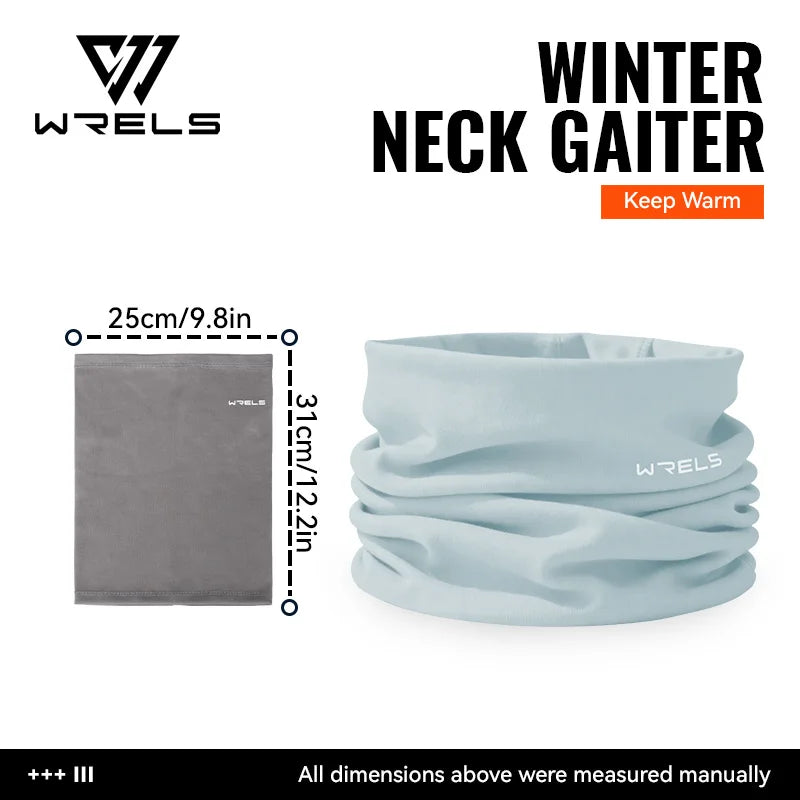
Skiing neck gaiter worn correctly for wind and snow protection — See it in action
How to Wear a Neck Gaiter for Skiing Step by Step
Wearing a neck gaiter correctly while skiing helps regulate warmth, block wind, and prevent snow from entering your jacket. Follow these steps to achieve a secure and comfortable fit on the slopes.
Step 1: Position Around Your Neck
Start by placing the neck gaiter around your neck like a tube. Ensure it sits evenly with no twists so it can stretch smoothly upward when needed.
Step 2: Pull Up for Warmth
Lift the gaiter upward to cover your chin and lower face when temperatures drop or wind increases. Keep the lower edge tucked inside your jacket collar for a tighter seal.
Step 3: Adjust for Breathing Comfort
Pull the front slightly below your nose if needed to allow easier breathing and reduce moisture buildup inside the fabric.
Step 4: Integrate with Helmet and Goggles
Make sure the gaiter overlaps slightly under your goggles and does not bunch up under your helmet straps. This helps prevent gaps where cold air can enter.
Step 5: Re-adjust During Activity
As you ski, periodically adjust the gaiter to maintain comfort, especially after breaks or changes in weather conditions.
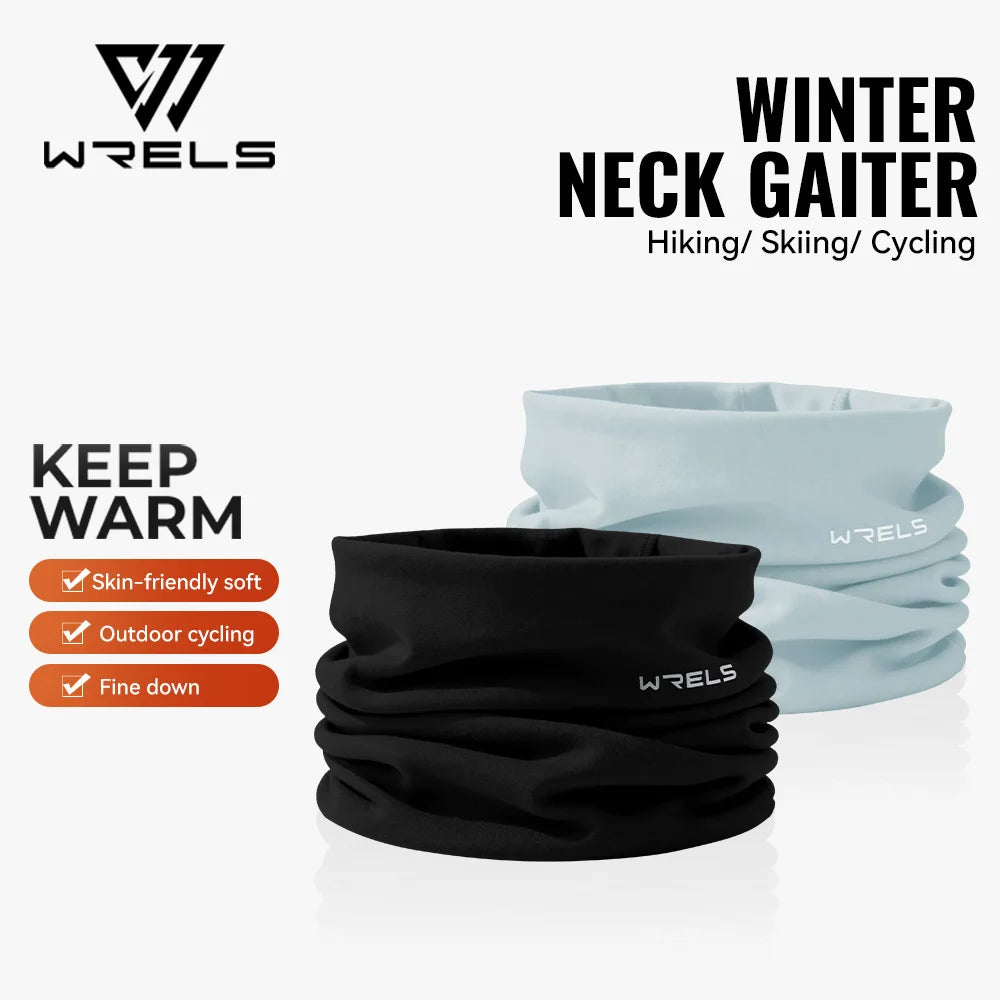
Neck cover skiing setup that blocks wind without fogging — Try this fit
Different Ways to Wear a Ski Snood
A neck gaiter can be styled in several ways depending on weather conditions and personal comfort. Here are the most effective methods for skiing.
Neck Warmer Style
Wear the gaiter only around your neck without pulling it up. This is ideal for mild weather or high-intensity skiing when breathability is important.
Half-Face Mask Style
Pull the gaiter up to cover your mouth while leaving your nose exposed. This balances warmth and airflow while helping reduce moisture buildup.
Full Face Coverage Style
Cover both nose and mouth when facing strong winds or very cold temperatures. Adjust slightly below the eyes to avoid interfering with goggles.
Balaclava Conversion Style
Extend the gaiter over your head and adjust openings for the eyes and face. This creates a more secure, all-around protective setup similar to a balaclava.
How to Prevent Goggles Fog When Wearing a Neck Gaiter
Fogged goggles are a common issue when wearing a neck gaiter while skiing. Proper airflow and positioning can significantly reduce condensation.
Position the Gaiter Below Your Nose
Avoid sealing the gaiter tightly over your nose and mouth at the same time as your goggles. Leave a small gap so warm breath escapes downward instead of rising into the goggles.
Direct Exhaled Air Downward
Ensure your breath exits below the goggles by slightly tucking the top edge of the gaiter under your nose rather than pulling it tightly upward.
Choose Breathable Materials
Lightweight, moisture-wicking fabrics help reduce trapped humidity, lowering the chance of fogging during extended use.
Learn more about ski goggles fogging solutions
How to Wear a Neck Gaiter in Different Weather Conditions
Adjusting how you wear a neck gaiter based on weather conditions ensures optimal comfort and protection while skiing.
Cold and Windy Conditions
Pull the gaiter up to cover your neck, mouth, and part of your face. Tuck it into your jacket collar and combine with goggles for maximum wind protection.
Mild Weather
Wear the gaiter loosely around your neck or partially over your chin to maintain breathability while still providing light insulation.
Heavy Snow or Blizzards
Use full-face coverage to prevent snow from entering your clothing. Ensure a snug fit while maintaining ventilation for breathing comfort.
Common Mistakes When Wearing Neck Gaiters While Skiing
Avoiding these common mistakes will help you stay warmer, breathe easier, and maintain clear goggles on the slopes.
- Pulling the gaiter too tight over the nose: Restricts breathing and increases moisture buildup.
- Leaving gaps around the neck: Allows cold air and snow to enter.
- Improper alignment with goggles: Can direct warm breath upward and cause fogging.
- Using thick, non-breathable fabric: Traps heat and moisture, reducing comfort.
- Not adjusting during activity: Conditions change quickly while skiing.
How to Wear a Neck Gaiter with a Ski Helmet and Goggles
Coordinating your neck gaiter with a helmet and goggles ensures a secure fit without gaps or discomfort.
- Put on your helmet first, then adjust the neck gaiter around your neck.
- Pull the gaiter upward so it sits under the goggles without overlapping the lens seal excessively.
- Make sure the top edge sits comfortably beneath the goggle strap.
- Avoid bulk under the chin strap to maintain helmet stability.
- Test head movement to ensure nothing shifts or creates gaps.
Related internal guide on winter gaiter use
What Is a Ski Neck Gaiter and Why It Works
A ski neck gaiter is a stretchable fabric tube designed to sit snugly around the neck and lower face. Unlike scarves, it stays in place during movement. Unlike rigid face coverings, it adapts to breathing and motion.
Most skiing neck gaiters use moisture-wicking and wind-resistant materials to balance insulation with airflow. This combination helps maintain warmth while preventing overheating during active runs.
Quick FAQs
Can I wear a skiing neck gaiter all day?
Yes. Breathable materials and stretch fit make a skiing neck gaiter comfortable for full-day use without irritation.
Will it fog my goggles?
Not when positioned correctly below the nose and aligned with goggles to direct breath downward.
Is a skiing neck gaiter better than a scarf?
Yes. It stays secure, blocks wind more evenly, and won’t loosen during movement.
How tight should a neck gaiter fit?
It should feel snug enough to seal out wind but not tight enough to restrict breathing or movement.
Can I breathe comfortably through it?
Yes. Breathable fabrics are designed to allow airflow while still providing insulation and protection.
Related Guide: What Is a Gaiter and How to Wear One for Winter Comfort
UPGRADE PLAN { "outline": [ { "action": "MODIFY", "h2": "How to Wear a Neck Gaiter for Skiing: Step-by-Step", "h3": [ "Step 1: Position Around Your Neck", "Step 2: Pull It Over Your Chin and Mouth", "Step 3: Adjust for Easy Breathing", "Step 4: Fit It with Your Helmet and Goggles", "Step 5: Check the Seal Before Skiing" ], "focus": [ "Correct positioning", "Face coverage", "Breathability", "Helmet and goggle integration", "Final fit check" ], "keywords": [ "how to wear neck gaiter skiing", "how to wear a neck gaiter for skiing", "skiing neck gaiter how to use" ] }, { "action": "MODIFY", "h2": "Best Ways to Wear a Ski Neck Gaiter for Different Conditions", "h3": [ "Neck Warmer Style", "Half-Face Coverage", "Full Face Protection", "Balaclava Style", "Helmet Liner Style" ], "focus": [ "Choose style by weather", "Coverage levels", "Comfort while skiing", "Wind protection" ], "keywords": [ "how to wear a ski snood", "how to wear neck gaiters", "neck gaiter skiing guide" ] }, { "action": "ADD", "h2": "Choose the Right Neck Gaiter Material", "h3": [ "Merino Wool", "Synthetic Performance Fabrics", "Fleece-Lined Gaiters", "Lightweight Spring Options" ], "focus": [ "Warmth", "Breathability", "Moisture management", "When each fabric performs best" ], "keywords": [ "neck gaiter skiing guide" ] }, { "action": "MODIFY", "h2": "How to Prevent Goggles from Fogging", "h3": [ "Keep the Top Edge Below the Nose", "Direct Breath Downward", "Improve Goggle Ventilation", "Use Moisture-Wicking Fabrics" ], "focus": [ "Reduce fogging", "Improve airflow", "Correct positioning", "Material selection" ], "keywords": [ "how to wear a neck gaiter", "skiing neck gaiter how to use" ] }, { "action": "MODIFY", "h2": "Adjust Your Neck Gaiter for Different Ski Weather", "h3": [ "Mild Temperatures", "Cold and Windy Days", "Extreme Cold", "Wet Snow Conditions" ], "focus": [ "Temperature adjustments", "Layering", "Comfort", "Moisture control" ], "keywords": [ "how to wear neck gaiter skiing" ] }, { "action": "MODIFY", "h2": "How to Wear a Neck Gaiter with a Ski Helmet and Goggles", "h3": [ "Order of Putting Gear On", "Avoid Pressure Points", "Seal Exposed Skin", "When to Use a Balaclava Instead" ], "focus": [ "Helmet compatibility", "Goggle compatibility", "Comfort", "Cold-weather layering" ], "keywords": [ "how to wear a neck gaiter for skiing" ] }, { "action": "MODIFY", "h2": "Common Mistakes When Wearing a Neck Gaiter While Skiing", "h3": [ "Covering the Nose Incorrectly", "Choosing the Wrong Fabric", "Ignoring Moisture Build-Up", "Poor Helmet Fit" ], "focus": [ "Fit errors", "Fogging causes", "Comfort issues", "Safety" ], "keywords": [ "how to wear neck gaiters" ] }, { "action": "MODIFY", "h2": "Why Skiers Wear Neck Gaiters", "h3": [ "Protection from Wind", "Retaining Warmth", "Breathability During Activity", "Why They're Better Than Scarves" ], "focus": [ "Benefits", "Function", "Comfort", "Safety" ], "keywords": [ "neck gaiter skiing guide" ] }, { "action": "ADD", "h2": "How to Wash and Care for a Ski Neck Gaiter", "h3": [ "Washing Frequency", "Drying Tips", "Maintaining Stretch", "When to Replace It" ], "focus": [ "Cleaning", "Odor control", "Longevity", "Performance" ], "keywords": [ "how to wear a neck gaiter" ] }, { "action": "MODIFY", "h2": "Frequently Asked Questions", "h3": [ "Can I wear a skiing neck gaiter all day?", "Will a neck gaiter fog my goggles?", "Is a neck gaiter better than a scarf for skiing?", "How tight should a ski neck gaiter fit?", "Can I breathe comfortably through a neck gaiter?", "Should the gaiter cover my nose while skiing?", "Can I wear a neck gaiter under a helmet?" ], "focus": [ "Fit", "Comfort", "Safety", "Usage scenarios" ], "keywords": [ "how to wear neck gaiter skiing" ] } ], "internal_links": [ "How to choose the best ski base layers", "How to prevent ski goggles from fogging", "Balaclava vs neck gaiter for skiing", "Essential ski clothing layering guide", "How to wash merino wool ski gear" ], "faq": [ "Should a ski neck gaiter go over or under my helmet?", "Which neck gaiter material is best for skiing?", "How do I stop warm breath from fogging my goggles?", "Can I use the same neck gaiter for skiing and snowboarding?", "Is a fleece neck gaiter too warm for spring skiing?", "How often should I wash my ski neck gaiter?" ], "trim": [ "Move 'What Is a Ski Neck Gaiter and Why It Works' after instructional sections.", "Merge duplicate helmet and goggle advice into one comprehensive section.", "Reduce introductory explanation before the tutorial.", "Remove repetitive descriptions of wearing styles without condition-specific recommendations." ] } RULES - Apply every instruction in the Upgrade Plan. - Keep all existing affiliate links unchanged. - Keep all existing internal links unchanged. - Keep all existing image URLs unchanged. - Preserve sections such as Related Articles, Related Posts and Recommended Reading. - Avoid duplicate headings. - Insert new sections only where specified. - Improve clarity, topical coverage, EEAT and readability. - Expand weak sections only when required. - Use natural keyword placement. - Keep semantic HTML clean. YEAR UPDATE If visible article text contains "2005", replace it with "2026". Do not modify years inside: - URLs - href attributes - image filenames OUTPUT REQUIREMENTS Return ONLY the final upgraded HTML article. The output must be valid HTML and ready to publish. Do NOT return: - Markdown - Explanations - Notes - Code fences - JSON - XML Return the HTML beginning with the first HTML element and ending with the last HTML element.












