

Does Wearing Ear Warmers Really Protect Your Ears in Winter?
Yes. Ear warmers help protect ears from cold by insulating one of the body's most exposed areas. They reduce heat loss, block cold wind, and help prevent the stinging, numb feeling many people experience during winter walks, commutes, or outdoor exercise. In mild to moderately cold weather, properly fitted ear warmers are often enough on their own. During freezing temperatures or strong wind, combining ear warmers with a winter hat provides even better ear protection for winter conditions.
How to Wear Ear Warmers for Comfort in Any Winter Weather
⏱ 6 min read
Cold air stings. Wind cuts deeper than expected. And suddenly, a short walk outside feels unbearable. If cold wind hurts ears no matter how bundled you feel, you're not alone. Learning how to wear ear warmers correctly helps trap warmth exactly where you need it—without bulky hats or overheating your entire head.
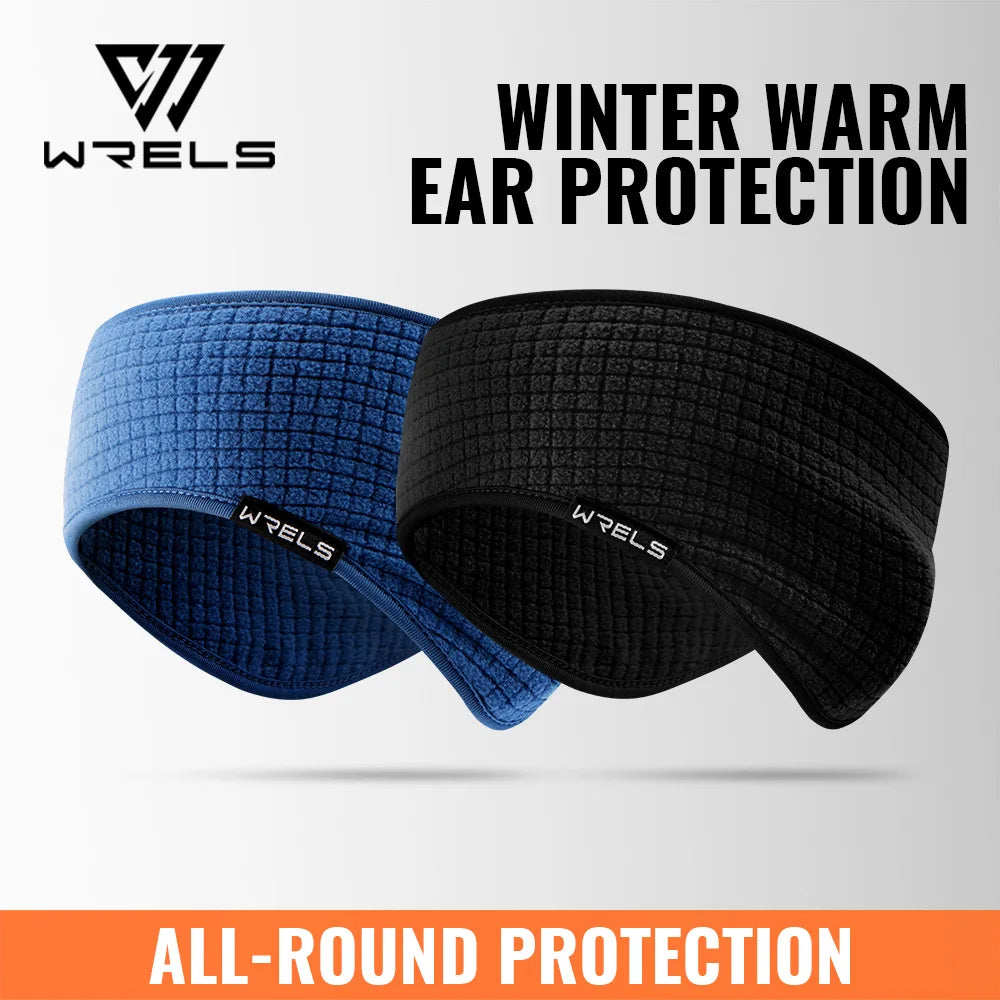
Proper positioning helps protect ears from cold — See it in action
How to Wear Ear Warmers: Quick Step-by-Step Guide
If you're wondering how to wear ear warmers correctly, follow these simple steps:
- Position the band so it completely covers both ears.
- Center the warmer over the ear canal instead of above the ears.
- Adjust the fit until it feels snug without creating pressure.
- Check that it stays in place while walking or moving.
- Layer under a hat or helmet when temperatures or wind become more severe.
Standard Over-the-Head Placement
Place the headband across the top of your head with the fabric covering the entire outer ear. The upper edge should sit just above your ears while the lower edge reaches below the earlobe for full insulation.
Behind-the-Head Ear Warmer Style
Behind-the-head ear warmers are ideal if you wear ponytails, buns, or prefer not to flatten your hair. Position the support band around the back of your head while ensuring both ears remain completely covered.
Adjusting Fit for Maximum Warmth
A secure fit keeps warm air trapped around your ears. If the band slides during movement, reposition it slightly forward or tighten adjustable designs. Avoid overly tight placement that creates pressure behind the ears.
Why Ear Warmers Matter in Cold Weather
Ears lose heat faster than many other parts of the body because they have thin skin, very little natural insulation, and constant exposure to wind. Even cool temperatures can make exposed ears feel painfully cold.
Properly covering ears in winter helps reduce discomfort, maintain warmth during outdoor activities, and makes commuting or exercising much more comfortable.
- Reduce heat loss caused by wind chill
- Help protect ears from cold wind and irritation
- Keep your head from overheating compared to heavy winter hats
- Provide comfortable warmth while maintaining good hearing awareness
Different Ways to Wear Ear Warmers for Hair and Style
Wearing Ear Warmers with Long Hair
Wear long hair naturally over or underneath the ear warmer depending on your preference. Letting hair fall over the band creates extra insulation while maintaining a natural appearance.
Ear Warmers with Ponytails and Buns
Choose behind-the-head styles when wearing ponytails or buns. This positioning avoids pushing hair downward while keeping both ears fully protected.
Ear Warmers with Bangs and Short Hair
If you have bangs or shorter hairstyles, position the band slightly farther back on the forehead to avoid flattening the front of your hair while maintaining complete ear coverage.
Keeping Hair in Place While Staying Warm
If you're wondering how to keep your ears warm without messing up hair, choose flexible ear warmers that apply gentle, even pressure instead of tight compression. Thin stretch fabrics usually leave fewer marks while still blocking cold wind.
How to Wear Ear Warmers with Hats, Helmets, and Winter Gear
Layering Ear Warmers Under Hats
Wear ear warmers first, then add a loose-fitting winter hat over them. This creates two insulating layers without forcing the ear warmers out of position.
Using Ear Warmers with Ski Helmets
For skiing, snowboarding, or cycling, lightweight ear warmers fit comfortably beneath most helmets. Look for low-profile designs that don't create pressure points while maintaining full ear coverage.
Avoiding Pressure and Discomfort
If layering feels uncomfortable, slightly reposition either the hat or ear warmer instead of tightening both. Proper layering should feel secure without squeezing your ears.
Fit and Positioning Tips That Maximize Warmth
- Cover the top, back, and sides of each ear completely.
- Center the warmer directly over the ears instead of above them.
- Choose stretchable designs that stay in place during movement.
- Layer under hats or helmets only when additional protection is needed.
- Avoid excessive tightness that can create pressure behind the ears.
Using Ear Warmers for Different Activities
Walking and Commuting
Behind-the-head designs work well with backpacks, scarves, and everyday winter clothing while reducing pressure around the head.
Running and Outdoor Exercise
Lightweight, moisture-wicking ear warmers help keep ears warm without trapping excess heat or sweat during exercise.
Travel and Daily Errands
Foldable ear warmers fit easily into bags or coat pockets, making them convenient when temperatures change throughout the day.
Skiing, Snowboarding, and Winter Sports
Wear thermal ear warmers beneath ski helmets or winter helmets for additional protection against strong wind. Make sure they remain flat so the helmet fits properly without uncomfortable pressure.
Explore versatile options through this product: winter ear warmers headband , designed for daily comfort and long wear.
Common Mistakes That Reduce Warmth
- Positioning ear warmers too high above the ears.
- Leaving the lower part of the ear exposed to cold wind.
- Choosing an overly loose fit that allows warm air to escape.
- Wearing tight hats that compress the insulating fabric.
- Ignoring hair placement when it causes the ear warmer to shift.
How Ear Warmers Work: Improving Comfort and Heat Retention
How Ear Coverage Blocks Cold Air
Ear warmers create a protective barrier between cold air and your skin. By reducing direct wind exposure, they help maintain the layer of warm air naturally produced by your body, making winter outings significantly more comfortable.
Why Proper Fit Prevents Heat Loss
Small gaps around the ears allow cold air to circulate and warm air to escape. Proper positioning creates consistent insulation across the entire outer ear, improving warmth without needing bulky winter accessories.
For daily winter use, many people combine ear warmers with other essentials from the Lifestyle collection and explore seasonal tips in the Beauty & Self-Care Blog to build comfortable cold-weather routines.
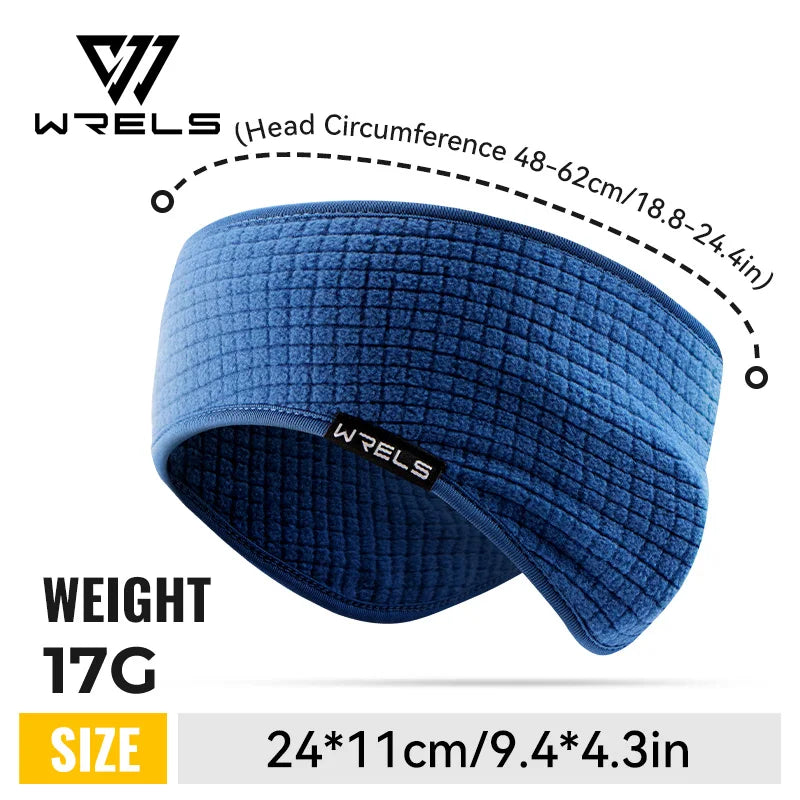
Cold weather accessories that protect ears from cold — See it in action

Ear protection for winter that fits your routine — See it in action
Mini FAQ: How to Wear Ear Warmers
How Do You Wear Ear Warmers Correctly?
Place them so they completely cover both ears, adjust the fit until snug but comfortable, and ensure they stay in place while moving.
Should Ear Warmers Fully Cover the Ear?
Yes. Full coverage helps trap warm air around the ear and better protects against cold wind.
Can Ear Warmers Replace Winter Hats?
For mild or moderately cold weather, yes. During freezing temperatures or prolonged outdoor exposure, pairing ear warmers with a winter hat offers better overall insulation.
Do Ear Warmers Affect Hearing?
No. Most properly fitted ear warmers preserve hearing better than thick winter hats because they don't cover the entire head.
How to Keep Your Ears Warm Without Messing Up Hair?
Behind-the-head styles and lightweight stretch bands help keep ponytails, buns, bangs, and loose hairstyles looking natural while protecting your ears from cold.
Are Ear Warmers Good for Cold Wind?
Yes. They reduce direct wind exposure, helping prevent the painful sensation that occurs when cold wind hurts ears during walking, running, commuting, or winter sports.
Absolutely. Lightweight moisture-wicking styles work well for running, while thin thermal ear warmers fit comfortably beneath ski helmets for additional ear protection during winter activities.
For everyday winter comfort, explore the winter ear warmers headband designed to protect ears from cold while fitting seamlessly into your lifestyle.













