

Does humidity prevent clothes from drying properly?
Yes. Humidity prevents clothes drying because moisture evaporates much more slowly when the surrounding air is already full of water vapor. As humidity rises, wet fabric struggles to release moisture, causing clothes to stay damp for longer whether you're drying them indoors, outdoors, or even in a clothes dryer with poor ventilation. The best way to prevent damp clothes is to combine airflow, moderate heat, and lower indoor humidity.
Humidity Prevents Clothes Drying — Here’s What Actually Works
⏱ 7 min read
You pull your laundry out expecting warm, dry clothes—yet they're still damp, heavy, and musty. Sound familiar? If you've ever wondered why humidity prevents clothes drying no matter how long you wait, you're not alone. The good news is that this problem has clear causes and practical solutions you can apply immediately.
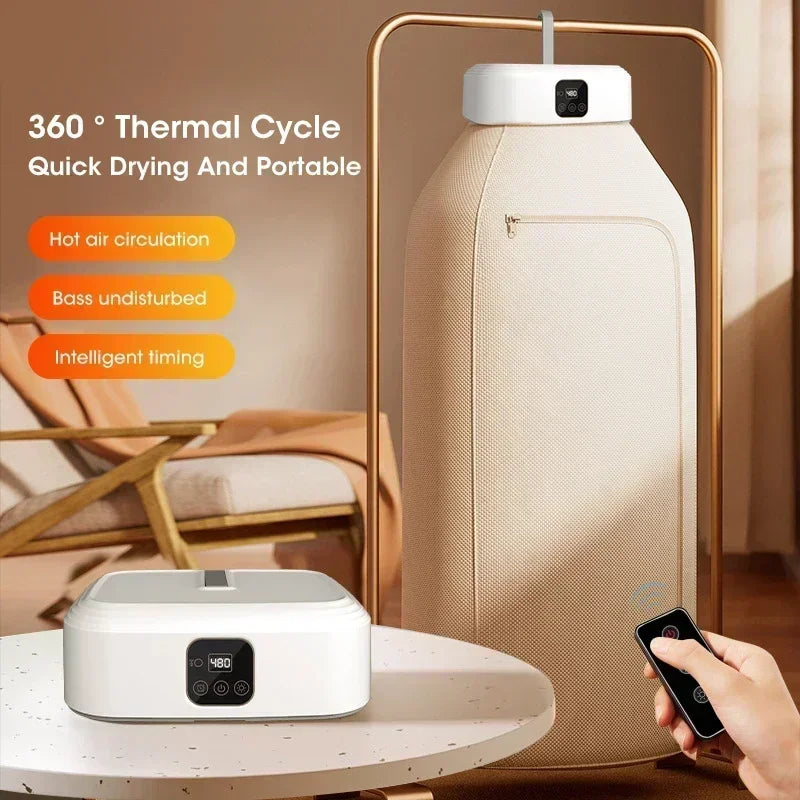
Humidity prevents clothes drying faster than you think—see what actually helps.
Why Does Humidity Stop Clothes From Drying?
How humidity slows evaporation
Drying happens when water on fabric changes into vapor and moves into the surrounding air. When humidity is low, the air can absorb that moisture quickly. As humidity rises, the air becomes saturated, slowing evaporation and leaving garments damp for much longer.
This is why humidity prevents clothes drying in apartments, laundry rooms, balconies, and even outside on warm but muggy days.
Do things dry faster in low humidity?
Yes. Lower humidity allows moisture to escape fabric much faster. For most homes, an indoor relative humidity between 40% and 50% provides ideal conditions for drying clothes efficiently while remaining comfortable.
- 30–50% humidity: Fast drying with good airflow.
- 50–60% humidity: Moderate drying speed.
- 60–70% humidity: Drying slows noticeably.
- Above 80% humidity: Clothes may stay damp for many hours without added airflow or heat.
Will clothes dry in 80% humidity?
Yes, but expect drying to take much longer. In 80% humidity, evaporation slows dramatically. Lightweight synthetic fabrics may eventually dry, while cotton towels, jeans, and thick sweatshirts often remain damp unless you improve ventilation, use fans, reduce indoor humidity, or provide gentle heat.
Does Humidity Affect Clothes Dryer Performance?
Modern dryers generate heat to remove moisture, but high humidity can still reduce efficiency. If humid air cannot escape through proper venting, the dryer must work harder because moisture accumulates inside the drum.
Common signs of excessive dryer humidity include:
- Longer drying cycles.
- Warm but damp clothes.
- Excess moisture in the laundry room.
- Lint buildup restricting airflow.
Cleaning the lint filter after every load and inspecting the dryer vent regularly helps maintain strong airflow and reduces drying time.
Why Are My Clothes Not Drying Indoors?
Poor airflow
Still air traps moisture around clothing. Without fresh air movement, evaporation slows significantly even if the room feels warm.
Low room temperature
Cool rooms naturally slow evaporation. Drying laundry in a heated room or one with better air circulation usually shortens drying time.
Fabric type and load size
Heavy fabrics like cotton towels, denim, and hoodies retain much more water than lightweight synthetics. Overcrowding clothes on drying racks also prevents air from reaching every surface.
Washer spin performance
If clothes come out dripping wet, the washer may not be extracting enough water during the final spin. Selecting a higher spin speed—when appropriate for the fabric—can remove a significant amount of moisture before drying even begins.
How to Dry Clothes in Rainy Season
Rainy weather often combines high humidity with limited sunshine, creating ideal conditions for humid clothes.
- Open windows when outdoor humidity briefly drops.
- Run ceiling or oscillating fans continuously.
- Use a dehumidifier if available.
- Avoid hanging garments too close together.
- Wash smaller loads that dry more quickly.
How to Quickly Dry Clothes Without a Dryer
If you don't have access to a dryer, you can still speed up drying by improving evaporation.
- Hang garments with plenty of space between them.
- Position a fan to blow directly across the clothing.
- Dry near, not directly on, a safe heat source.
- Use absorbent towels to remove excess moisture before hanging.
- Choose mesh drying racks that allow airflow from all sides.
How to Prevent Damp Clothes Step by Step
Improve airflow
Use fans, open windows when conditions allow, and avoid drying laundry in enclosed spaces with stagnant air.
Maintain indoor humidity around 40% to 50% using ventilation or a dehumidifier. Lower humidity for drying clothes significantly improves evaporation.
Space garments correctly
Leave several inches between garments so air can circulate around every surface. Thick items should never overlap.
Use the right spin cycle
Choose the highest spin speed recommended for the fabric. Less water left in clothing means much faster drying afterward.
Best Drying Methods for Different Situations
Apartments and small spaces
Use folding drying racks near an open window, fan, or dehumidifier to maximize airflow without taking up excessive space.
Rainy or humid weather
Focus on reducing indoor humidity rather than simply increasing heat. A fan combined with a dehumidifier is often more effective than heat alone.
Outdoor drying
Dry outdoors when humidity is moderate and there is a light breeze. Wind often speeds evaporation more effectively than direct sunlight.
Travel and hotels
Hang clothes near the room's air conditioner or ventilation outlet, keeping garments separated so air can circulate freely.
Drying Time by Fabric and Humidity
| Fabric | Low Humidity | High Humidity |
|---|---|---|
| Cotton | Moderate drying time | Can take twice as long |
| Synthetic fabrics | Fast drying | Still relatively quick |
| Denim and towels | Several hours | May stay damp most of the day |
| Delicate garments | Usually dry quickly | Require good airflow to avoid lingering moisture |
When to Use a Dryer, Dehumidifier, or Garment Steamer
Dryer settings
Use the correct heat setting for each fabric and avoid overloading the drum, which reduces airflow.
Managing dryer humidity
Ensure the dryer vent is clean and unobstructed so moist air can leave efficiently.
Using a dehumidifier
A dehumidifier removes moisture from indoor air, making it easier for wet clothing to release water through evaporation.
Refreshing slightly damp clothes
A garment steamer can remove wrinkles from nearly dry garments, but it should not replace proper drying since it adds moisture rather than removing it.
Prevent Mold, Mildew, and Damp Odors
Storage after drying
Store clothing only after it feels completely dry. Even slight moisture can encourage mildew growth.
Closet ventilation
Allow air circulation inside wardrobes by avoiding overcrowding and occasionally leaving doors open.
Recognizing lingering moisture
If clothes feel cool, smell musty, or become damp again shortly after folding, they likely retained hidden moisture.
Routine laundry maintenance
Regularly clean your washer, dryer, and drying racks to reduce mold, bacteria, and unpleasant odors.
Mistakes That Keep Clothes Damp
- Overloading the washer or dryer.
- Hanging clothes too close together.
- Ignoring clogged dryer vents or lint filters.
- Drying in closed rooms with poor ventilation.
- Folding laundry before it is completely dry.
Troubleshooting: Why Are My Clothes Still Damp?
Decision tree by symptom
- Clothes feel soaking wet: Check the washer spin cycle.
- Only thick items stay damp: Reduce load size and improve spacing.
- Everything dries slowly: Lower indoor humidity and increase airflow.
- Dryer runs but clothes stay damp: Inspect lint filters and venting.
Washer problems
If excess water remains after spinning, inspect load balance, drainage, and spin speed settings.
Dryer problems
Long drying cycles often indicate restricted airflow, overloaded drums, or vent maintenance issues.
Room environment
If appliances are working normally, the surrounding environment is often the real cause. High indoor humidity can dramatically slow drying even with good equipment.
Quick Fix Checklist
- ✓ Increase airflow with a fan.
- ✓ Reduce indoor humidity.
- ✓ Space clothes farther apart.
- ✓ Use higher washer spin speeds when appropriate.
- ✓ Clean dryer lint filters and vents.
- ✓ Avoid drying oversized loads together.
Quick FAQ
Does humidity prevent clothes from drying?
Yes. High humidity slows evaporation, making clothes take much longer to dry.
Do things dry faster in low humidity?
Yes. Lower humidity allows moisture to evaporate more quickly from fabrics and other surfaces.
Will clothes dry in 80% humidity?
Yes, but drying is significantly slower and usually requires extra airflow or reduced indoor humidity.
Why are my clothes not drying indoors?
The most common causes are poor airflow, high humidity, cool temperatures, overloaded drying racks, or excessive water left after washing.
What is the best humidity for drying clothes indoors?
Approximately 40% to 50% relative humidity provides the best balance between efficient drying and indoor comfort.
Can damp clothes grow mold overnight?
If left damp for extended periods, especially in warm, humid conditions, mold and mildew can begin developing and create musty odors.
Does a dryer remove humidity from clothes?
Yes. A properly vented dryer removes moisture from clothing by heating the fabric and exhausting humid air outside.
How can I prevent clothes from staying damp in rainy weather?
Use fans, improve ventilation, lower indoor humidity with a dehumidifier if possible, avoid overcrowding garments, and wash smaller loads that dry more efficiently.













