

Does improving neck circulation at home really work?
Yes. You can improve neck circulation at home by combining gentle movement, better posture, deep breathing, regular activity, and healthy daily habits. While these methods do not treat underlying vascular or neurological disorders, they can reduce muscle tension, improve mobility, ease stiffness, and support healthy blood flow to the muscles and soft tissues around the neck when practiced consistently.
Improve Neck Circulation at Home: Science-Backed Methods That Actually Work
⏱ 7 min read
If your neck feels stiff after hours at a computer, your shoulders tighten during stressful days, or you wake up with limited mobility, improving circulation may help. Fortunately, learning how to improve neck circulation doesn't require complicated equipment. A combination of movement, posture correction, breathing exercises, and smart daily habits can safely increase blood flow to the neck while reducing muscle tension and discomfort.
Explore gentle, evidence-informed techniques that support healthier circulation, improved mobility, and everyday neck comfort.
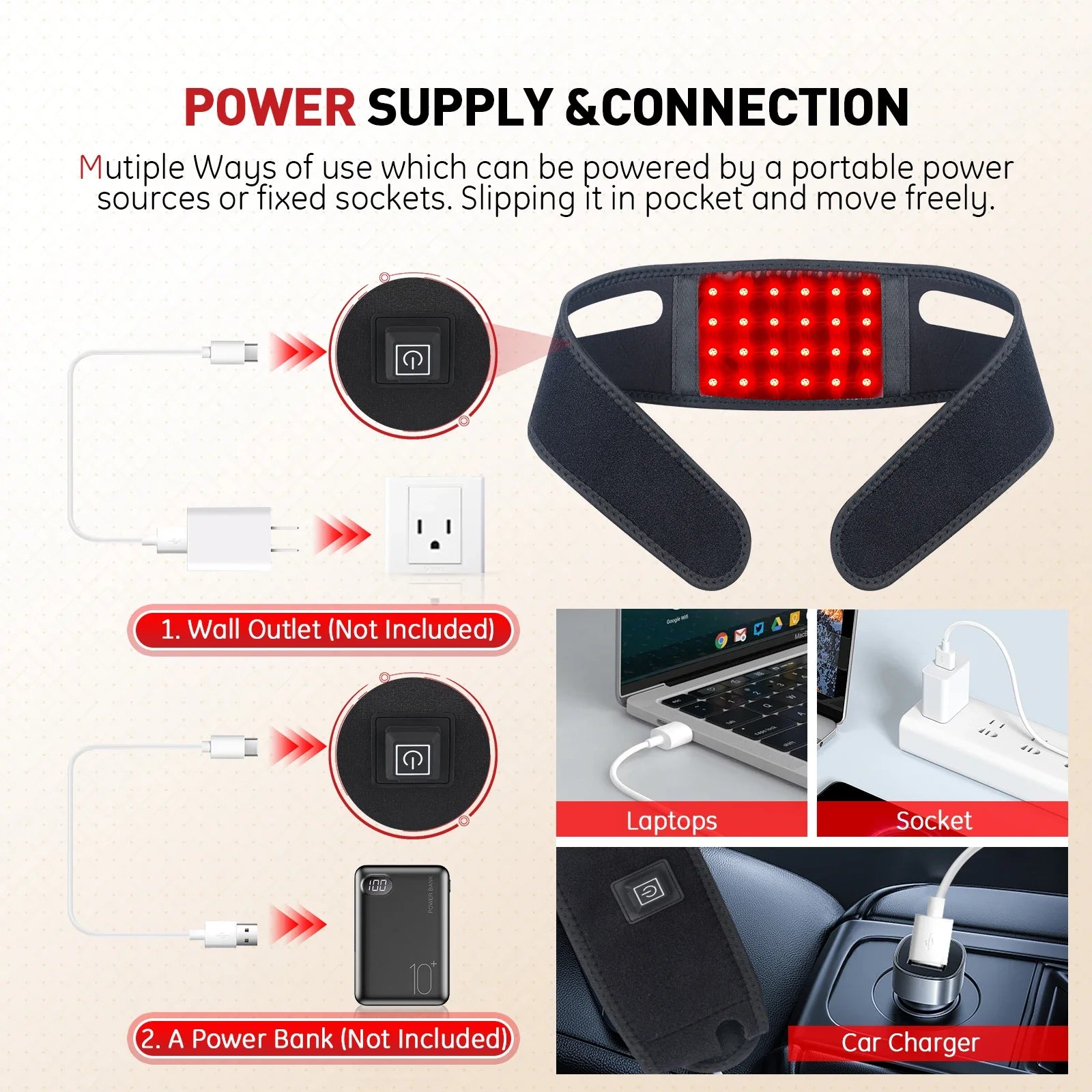
Support daily comfort and confidence while improving neck circulation. See it in action.
How to Improve Neck Circulation Safely
Can you improve neck circulation naturally?
In many cases, yes. If reduced circulation is related to muscle tightness, prolonged sitting, poor posture, or inactivity, simple lifestyle changes can improve blood flow over time. Gentle exercise, stretching, hydration, and regular movement help muscles relax, allowing blood vessels to function more efficiently.
However, circulation problems caused by vascular disease, nerve disorders, or injuries require medical evaluation. Home care should complement—not replace—professional treatment when warning signs are present.
How blood flow improves with movement and posture
Every time you move your neck and shoulders, contracting and relaxing muscles help pump blood through surrounding tissues. Maintaining proper head alignment also reduces unnecessary compression around the cervical spine, allowing oxygen and nutrients to reach muscles more effectively while removing metabolic waste that contributes to stiffness.
Symptoms of Poor Neck Circulation
Poor neck circulation often develops gradually. Many symptoms overlap with muscle tension, making it important to recognize patterns rather than relying on a single sign.
Common symptoms
- Persistent neck stiffness after sitting or computer work
- Tight shoulders that improve with movement
- Tension headaches beginning near the base of the skull
- Cold sensation or tightness around the neck
- Reduced ability to comfortably turn or tilt your head
- Mild tingling that improves after changing position
Signs that may indicate another condition
Severe numbness, weakness, dizziness, loss of coordination, sudden vision changes, or symptoms affecting only one side of the body may indicate neurological or vascular conditions rather than simple muscular tightness. These symptoms require prompt medical evaluation instead of self-treatment.
Why Healthy Neck Circulation Matters
Your neck contains muscles, nerves, connective tissue, and major blood vessels that support movement and connect the brain with the rest of the body. Healthy circulation helps these tissues function efficiently.
Blood flow to muscles and nerves
Blood delivers oxygen and nutrients needed for muscle recovery while removing waste products that accumulate after prolonged sitting or repetitive activity. Good circulation also supports healthy nerve function and may reduce feelings of muscle fatigue.
Relationship between circulation, mobility, and posture
Many people assume poor circulation is the primary cause of neck stiffness. In reality, posture and muscle tension often come first. Forward head posture, rounded shoulders, and prolonged inactivity tighten muscles, which may temporarily reduce local blood flow. Restoring mobility and improving posture usually improves circulation as a natural result.
Common Causes of Reduced Neck Blood Flow
Understanding the factors contributing to reduced circulation helps you address the root cause instead of chasing temporary relief.
Poor posture
Looking down at phones or leaning toward computer screens increases strain on the cervical muscles, creating prolonged tension that can restrict comfortable movement.
Muscle tension
Chronically tight upper trapezius, levator scapulae, and neck muscles can compress nearby soft tissues, making the area feel stiff and fatigued.
Sedentary habits
Remaining in one position for long periods reduces muscular activity, slowing the natural pumping action that supports healthy circulation.
Stress and dehydration
Stress encourages shallow breathing and muscle guarding, while inadequate hydration may contribute to muscle fatigue and reduced tissue flexibility. Together, they can make neck discomfort more noticeable.
Step-by-Step Guide to Improve Neck Circulation at Home
Instead of relying on occasional stretching, follow this sequence to safely improve neck circulation at home.
Warm up with heat
Apply a warm compress or take a warm shower for 10–15 minutes before stretching. Heat helps muscles relax, making gentle movement more comfortable.
Move through slow neck rotations, chin tucks, shoulder rolls, and side bends without forcing the range of motion. Comfortable movement encourages blood flow without irritating sensitive tissues.
Correct posture
Keep your ears aligned over your shoulders and your shoulders relaxed rather than rounded forward. Good posture reduces unnecessary muscle tension throughout the day.
Practice deep breathing
Slow diaphragmatic breathing helps relax neck and shoulder muscles while supporting oxygen delivery throughout the body.
Stay active throughout the day
Stand, walk, or perform light shoulder movements every 30–60 minutes. Frequent movement is more beneficial than one long stretching session followed by hours of sitting.
Best Neck Circulation Exercises
Perform these exercises slowly and pain-free. Stop if symptoms worsen or you experience dizziness or sharp pain.
Range-of-motion exercises
- Gentle neck turns left and right (8–10 repetitions)
- Slow side bends toward each shoulder
- Shoulder rolls forward and backward
- Controlled chin tucks
Stretching routine
- Upper trapezius stretch (20–30 seconds each side)
- Levator scapulae stretch
- Chest doorway stretch to reduce rounded shoulders
Strength and posture exercises
- Scapular retractions
- Wall angels
- Resistance band rows with light resistance
Aim to perform mobility exercises daily and strengthening exercises two to three times per week for lasting improvements.
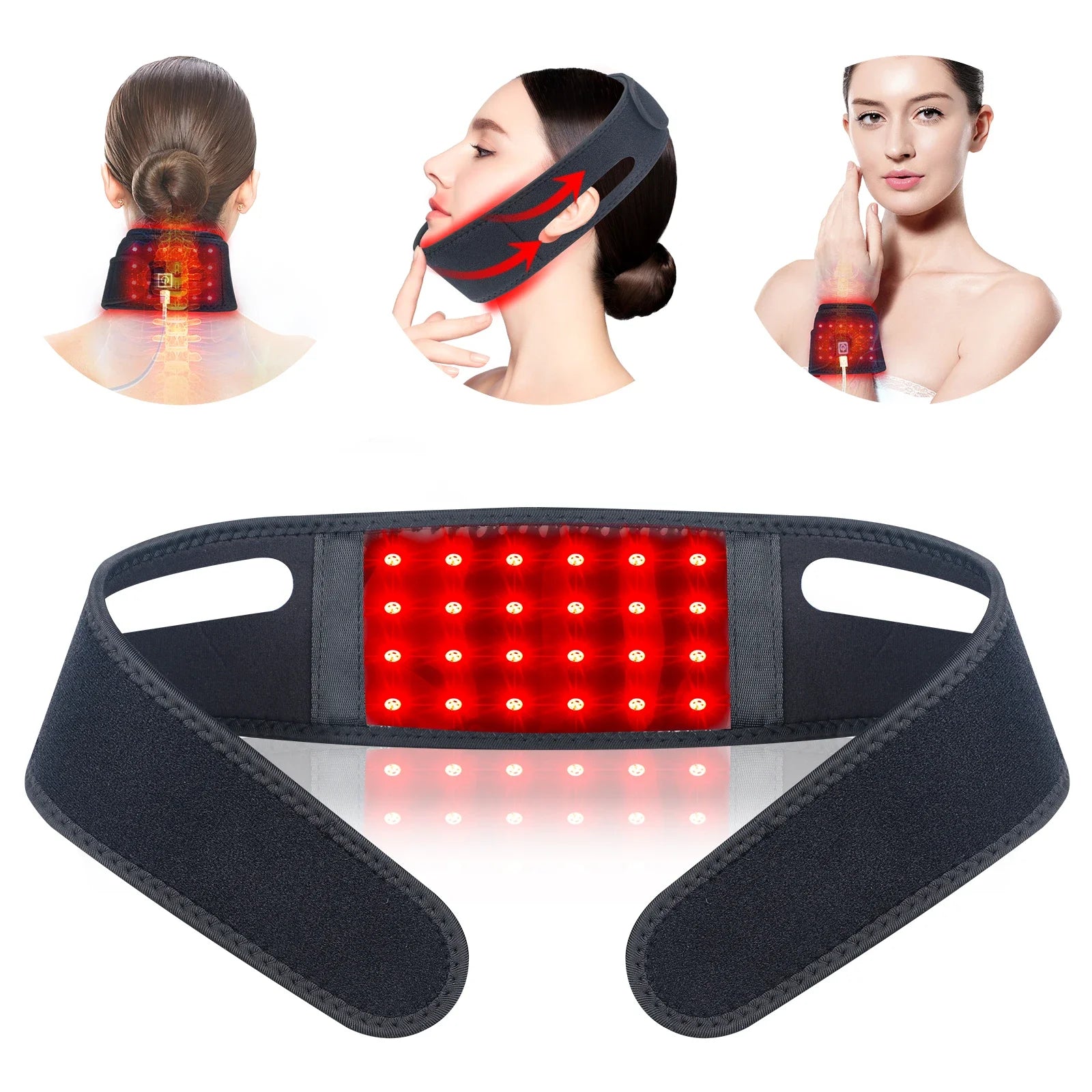
Target neck tightness and tension with structured daily movement. See it in action.
Self-Massage, Heat, and Cold Therapy
Simple self-massage techniques
Using your fingertips, gently massage the muscles along the sides of your neck and the tops of your shoulders using slow circular motions. Avoid pressing directly on the front of the neck where important blood vessels are located. Five to ten minutes of gentle massage may help reduce muscle tightness and temporarily improve local circulation.
Heat vs. cold: when to use each
Heat is generally best for muscle stiffness, chronic tension, and preparing for stretching. Cold therapy may be more appropriate after a minor strain or when inflammation is present. If you're unsure which is appropriate, start with gentle heat for stiffness-related discomfort.
Improve Neck Circulation While Working and Sleeping
Office ergonomics
Position your monitor at eye level, keep elbows close to 90 degrees, and support your lower back. Stand or walk briefly every hour to prevent prolonged muscle compression.
Best sleeping positions
Sleeping on your back or side with a pillow that keeps your neck aligned with your spine generally places less stress on cervical muscles. Avoid sleeping with your neck twisted for long periods or using excessively high pillows.
10-Minute Daily Neck Circulation Routine
Consistency matters more than intensity. This simple routine fits into most schedules.
Morning routine
- 2 minutes: Deep diaphragmatic breathing
- 2 minutes: Shoulder rolls and gentle neck rotations
- 3 minutes: Chin tucks and posture exercises
- 3 minutes: Light stretching of the neck, chest, and shoulders
Desk-break routine
Every hour, stand up for one to two minutes, roll your shoulders, gently turn your head side to side, and take several slow deep breaths. Small movement breaks throughout the day often provide greater long-term benefits than a single workout.
Practice this routine consistently for several weeks and track improvements in comfort, flexibility, and daily movement.
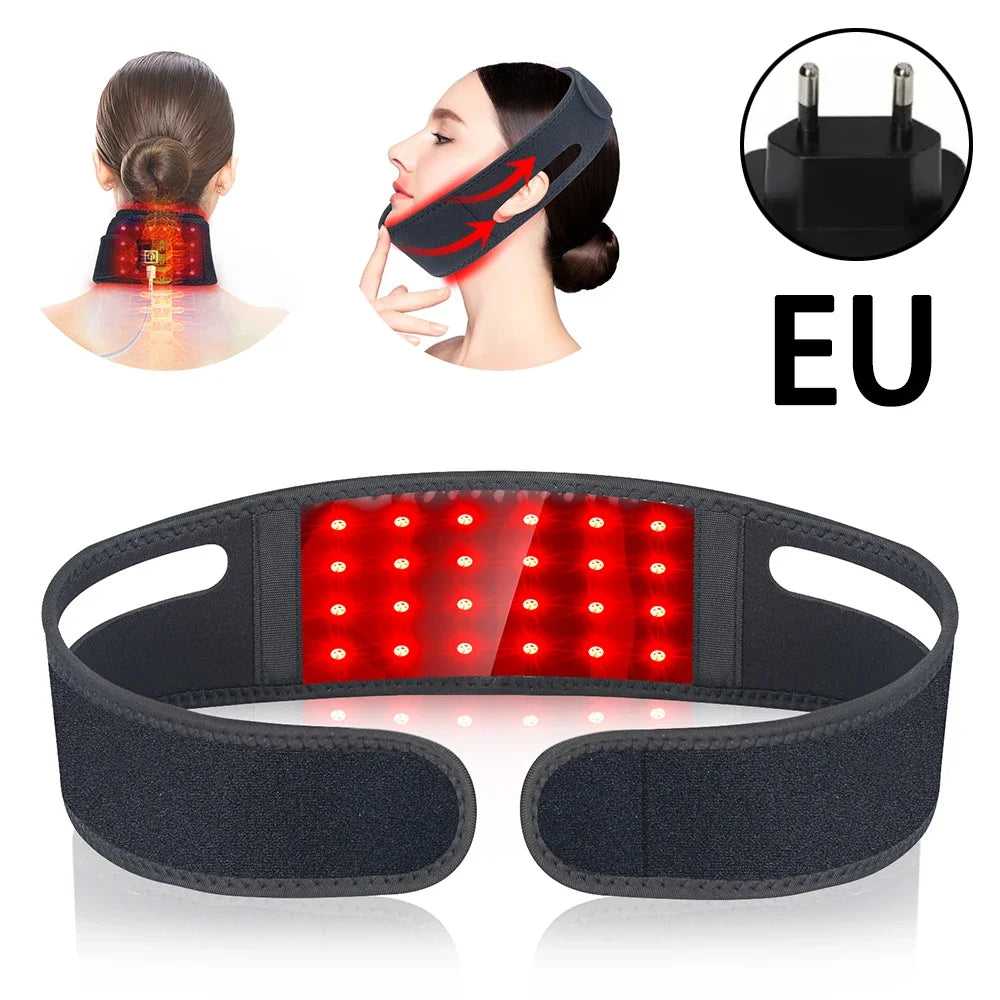
Build a calm nightly ritual for better circulation and relaxation. See it in action.
Common Mistakes That Limit Results
Overstretching
Pushing into pain can increase muscle guarding instead of improving flexibility. Stretch only until you feel gentle tension.
Ignoring posture
One stretching session cannot offset eight hours of poor sitting posture. Daily alignment habits matter just as much as exercise.
Inconsistent routines
Occasional workouts produce fewer benefits than brief daily movement. Small, regular habits usually deliver better long-term improvements.
When to See a Healthcare Professional
Emergency warning signs
Seek immediate medical attention if neck symptoms occur alongside sudden weakness, facial drooping, difficulty speaking, severe dizziness, loss of vision, confusion, or sudden severe headache. These may indicate a medical emergency such as stroke.
Persistent symptoms
Arrange a medical evaluation if you experience:
- Persistent numbness or tingling in the arms
- Progressively worsening neck pain
- Pain following an accident or fall
- Symptoms lasting several weeks despite home care
- Balance problems or repeated episodes of dizziness
Frequently Asked Questions
Can poor posture reduce blood flow to the neck?
Yes. Prolonged forward head posture can increase muscle tension, which may temporarily reduce local circulation and contribute to stiffness.
What is the fastest safe way to improve neck circulation?
Gentle movement, posture correction, deep breathing, and short walking breaks throughout the day are among the safest and most effective approaches.
Do neck stretches increase blood flow?
Gentle stretching can improve local circulation by encouraging muscle relaxation and movement. Avoid forceful stretching that causes pain.
Can stress cause poor neck circulation?
Stress often contributes indirectly by increasing muscle tension and encouraging shallow breathing, both of which can make the neck feel tighter.
Does massage improve circulation in the neck?
Gentle massage may temporarily increase local blood flow, reduce muscle tightness, and improve comfort when performed correctly.
Can poor neck circulation cause dizziness?
Dizziness has many possible causes. While muscle tension may contribute in some cases, persistent or severe dizziness should always be evaluated by a healthcare professional.
Is walking good for neck circulation?
Yes. Walking promotes overall circulation, encourages natural posture changes, and reduces the effects of prolonged sitting.
How often should I do neck circulation exercises?
Gentle mobility exercises can usually be performed daily, while strengthening exercises are often recommended two to three times per week with adequate recovery.
Feeling ready to reclaim comfort and confidence? Improving neck circulation at home doesn't require perfection—it requires consistent movement, healthy posture, and sustainable daily habits that support long-term neck health.
Related Guide: Daily Neck Care Routine Tips: Step-by-Step Guide for Healthier Skin













