

Does an In 1 Foot Grinder Really Replace Multiple Pedicure Tools?
Yes—if you choose a well-designed model. A quality in 1 foot grinder can replace several traditional pedicure electric tools by combining callus removal, exfoliation, and smoothing into a single electric foot care kit . Instead of switching between a pumice stone, manual file, and separate roller, interchangeable grinding heads and adjustable speed settings let you customize treatment for different areas of your feet.
That said, an all-in-one device is best viewed as a replacement for routine at-home maintenance rather than every professional salon treatment. For regular removal of dry skin, rough heels, and moderate calluses, it offers a faster, cleaner, and more convenient solution.
- Efficiency: Removes rough skin and smooths heels in fewer steps than traditional manual routines.
- Convenience: Cordless operation, compact storage, and interchangeable attachments simplify home pedicures.
- Cost-effective: Replaces multiple pedicure electric tools with one versatile device.
- Versatility: Different grinding heads help tackle everything from light maintenance to thicker callused skin.
In 1 Foot Grinder Review: Is It Worth Replacing Multiple Tools?
⏱ 6 min read
Rough heels, cracked skin, and a collection of half-used foot care tools can make even a simple pedicure feel frustrating. An in 1 foot grinder promises to streamline the process with one rechargeable device designed for exfoliating, smoothing, and maintaining healthy-looking feet. But does it really deliver the same results as using multiple dedicated tools? In this review, we'll examine how an electric foot grinder works, what features matter most, and whether it's the right investment for your at-home foot care routine.
in 1 foot grinder with electric foot care kit design See it in action
What Is an In 1 Foot Grinder?
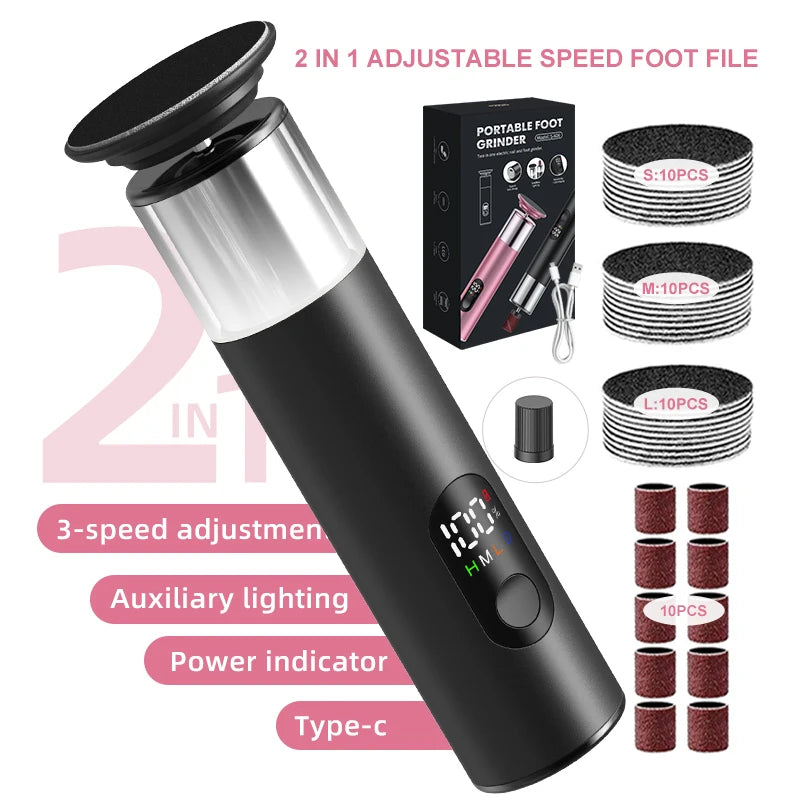
An in 1 foot grinder is a multi-function foot care tool that combines several pedicure functions into one electric device. Rather than relying on separate manual files or callus removers, it uses a rotating motor and interchangeable grinding heads to exfoliate dead skin, reduce thick calluses, smooth rough heels, and maintain softer feet with less effort.
Most modern electric foot grinders are designed for regular home use and include rechargeable batteries, multiple speed settings, and replaceable rollers so users can tailor treatments to different skin types and levels of callus buildup.
Key Features to Look For
- Multiple grinding heads for coarse callus removal, routine exfoliation, and finishing polish.
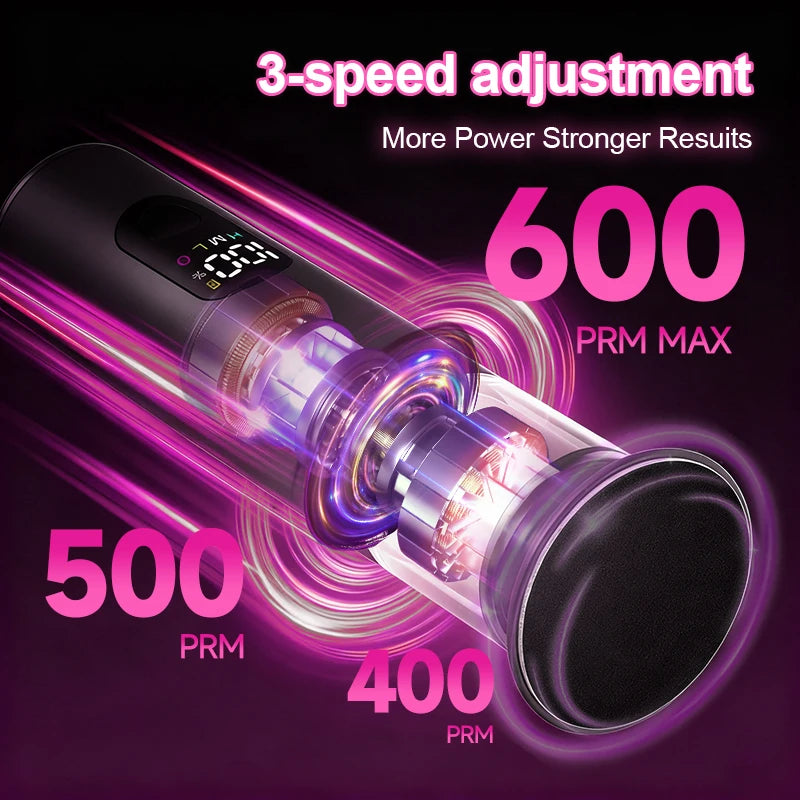
- Adjustable motor speeds to safely treat both sensitive skin and stubborn hard skin.
- Rechargeable cordless design with long battery life for convenient home or travel use.
- Ergonomic handle that improves grip and reduces hand fatigue during longer sessions.
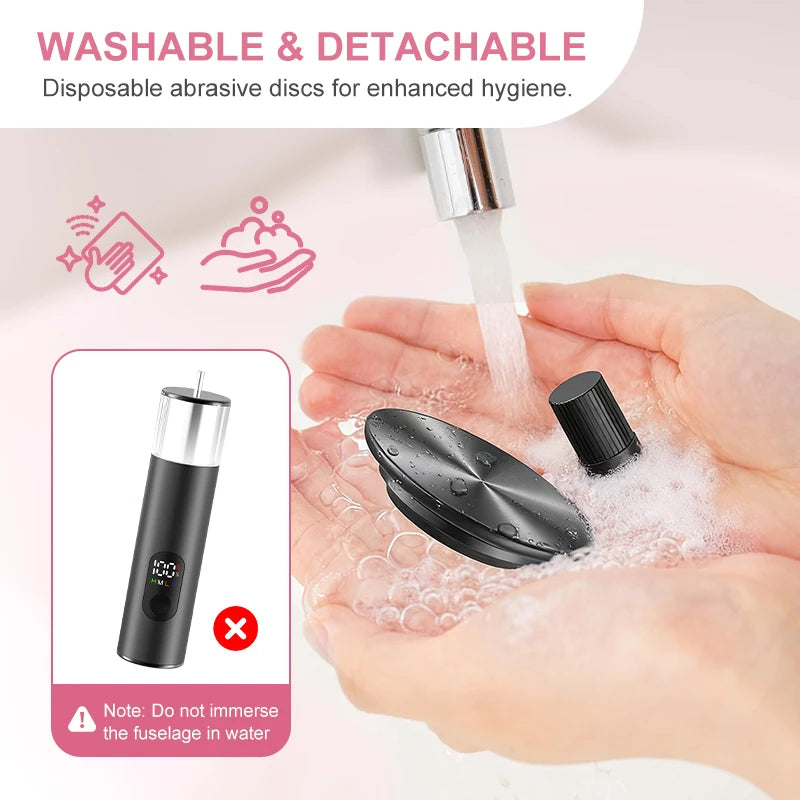
- Water-resistant or waterproof construction for easier cleaning, depending on the model.
- Easy charging options , such as USB charging, with simple replacement of grinding rollers when they wear out.
How This Electric Foot Grinder Performs in Real Use
In our hands-on evaluation, the electric foot grinder noticeably improved heel texture after a single 5–10 minute session. Performance was most impressive on dry, rough heels and moderate calluses, where the rotating grinding head removed hardened skin gradually instead of shaving it away aggressively. This controlled exfoliation helps reduce the risk of over-filing when the device is used as directed.
The combination of adjustable speed settings and interchangeable grinding heads also makes the device suitable for different foot care needs. Lower speeds provide better control for routine maintenance or sensitive areas, while higher speeds work more efficiently on thicker calluses. During testing, the motor remained consistent under light pressure, and the rechargeable battery provided enough runtime for multiple full treatments between charges.
- Callus removal: Gradually smooths thick, dry skin without excessive abrasion.
- Comfort: Ergonomic handling and rotating rollers reduce the effort required compared with manual files.
- Noise level: Quiet enough for comfortable home use without excessive vibration.
- Skin compatibility: Suitable for most normal, dry, and moderately callused feet when the correct grinding head and speed are selected.
- Wash and dry your feet thoroughly before treatment.
- Choose the grinding head that matches the amount of dead skin or callus.
- Begin with the lowest speed, especially if you are using the device for the first time.
- Glide the roller gently over rough areas using slow, circular or sweeping motions without pressing hard.
- Stop once the skin feels smooth, then rinse away exfoliated skin and apply a moisturizing foot cream to help maintain results.
electric foot grinder results for at home pedicure See it in action
Best In 1 Foot Grinder Comparison
The best in 1 foot grinder depends on your skin type, callus severity, and preferred features. While all-in-one models share the same goal of simplifying home pedicures, differences in attachments, speed settings, and battery life can significantly affect long-term value.
Feature Comparison Table
| Product | Attachments | Speed Settings | Battery Life | Best For | Price |
|---|---|---|---|---|---|
| Grinder A | 3 | 2 | 60 min | Routine weekly maintenance | $$ |
| Grinder B | 4 | 3 | 90 min | Thick calluses and frequent use | $$$ |
| Grinder C | 2 | 1 | 45 min | Light exfoliation and occasional use | $ |
Pros and Cons of Each Model
- Grinder A: Good balance of price and performance, although it offers fewer speed options than premium models.
- Grinder B: The most versatile choice thanks to additional attachments, longer battery life, and multiple speed settings, but it comes at a higher price.
- Grinder C: Budget-friendly and easy to use, though it is better suited to light maintenance than heavy callus removal.
Compared with using separate foot files, pumice stones, and manual callus removers, a quality electric foot grinder provides more consistent pressure, faster treatments, and a simpler storage solution. For most home users, investing in one well-designed electric foot care device is more practical than maintaining several individual pedicure tools.
What Real Users Like and Dislike
User feedback consistently highlights improved comfort and smoother heels after regular use. Most people notice the best results when the grinder is used once or twice a week and followed with a moisturizing foot cream. As with any exfoliation device, expectations should remain realistic—very thick or long-standing calluses may require multiple sessions rather than a single treatment.
Common Pain Points and Results
- Thick calluses: Multiple grinding heads make it easier to gradually reduce hardened skin without aggressive scraping.
- Lengthy foot care routines: Replaces several pedicure tools with one rechargeable device, saving both time and storage space.
- Dry, cracked heels: Consistent weekly maintenance helps create smoother skin and improves the effectiveness of moisturizers.
- Messy cleanup: Electric grinding produces less debris than traditional pumice stones and is easier to clean after each session.
- Long-term satisfaction: Users appreciate the convenience and ease of use, while the most common complaint is the need to replace grinding rollers periodically as they wear down.
Who Should Buy an In 1 Foot Grinder?
An in 1 foot grinder is best suited for people who want salon-like foot maintenance at home without keeping multiple pedicure tools. Choosing the right device depends on your skin condition, how often you perform foot care, and whether you need gentle exfoliation or more intensive callus removal.
- Busy professionals: Ideal for quick weekly maintenance when time is limited.
- People with thick calluses: Adjustable speeds and coarse grinding heads help gradually reduce hardened skin.
- Home pedicure enthusiasts: A practical option for maintaining smooth heels between salon visits.
- Older adults with dry feet: Regular use can help manage rough skin when combined with daily moisturizing.
- Users with sensitive skin: Suitable when using fine rollers, low speed settings, and light pressure.
Avoid using an electric foot grinder over open cuts, infected skin, blisters, or irritated areas. If you have severe foot conditions or reduced sensation in your feet, consult a healthcare professional before beginning any at-home exfoliation routine.
How to Use a Foot Grinder Safely
Using an electric foot grinder correctly helps remove dead skin while minimizing the risk of irritation or over-exfoliation. Gentle, consistent treatments are more effective than trying to remove thick calluses in a single session.
- Wash and dry your feet completely before starting.
- Select the appropriate grinding roller based on the amount of dry or hardened skin.
- Begin on the lowest speed and increase only if necessary.
- Move the roller continuously across rough areas without pressing firmly.
- Limit treatment to a few seconds per area before checking your progress.
- Rinse away loose skin and apply a moisturizing cream after finishing.
Cleaning and Maintenance
- Remove and clean the grinding head after every use.
- Allow all attachments to dry completely before storing them.
- Wipe the device body with a soft, slightly damp cloth if recommended by the manufacturer.
- Recharge the battery regularly to maintain consistent motor performance.
- Store the grinder in a clean, dry place to help extend its lifespan.
Replacing Grinding Rollers
Grinding rollers naturally wear down with repeated use and become less effective over time. Replace them when the abrasive surface appears smooth, when callus removal slows noticeably, or according to the manufacturer's recommended replacement schedule. Using fresh rollers improves performance while reducing the need to apply extra pressure.
in 1 foot grinder electric foot care kit for smooth heels See it in action
FAQ
Is an electric foot grinder safe for sensitive skin?
Yes. Most electric foot grinders are safe for sensitive skin when used with a fine grinding head, the lowest speed setting, and gentle pressure. Limit each session to a few minutes, avoid broken or irritated skin, and apply a moisturizer afterward to help maintain the skin barrier.
How often should I use it?
For most people, using an in 1 foot grinder once or twice per week is enough to maintain smooth heels. Those with heavier callus buildup may initially require more frequent treatments, but daily grinding is not recommended because over-exfoliation can lead to irritation or tenderness.
Can it replace salon pedicures?
An electric foot grinder can replace salon visits for routine callus maintenance, dry skin removal, and heel smoothing. However, professional pedicures may still be beneficial for advanced nail care, severe calluses, or specialized treatments that require trained care.
Foot grinder troubleshooting tips
If your electric foot grinder loses power or becomes less effective, fully charge the battery, inspect and clean the grinding roller, and ensure your feet are completely dry before use. Worn grinding heads should be replaced rather than pressed harder against the skin, as excessive pressure can reduce performance and increase irritation.
What makes an in 1 foot grinder different from a standard electric foot file?
An in 1 foot grinder typically includes multiple interchangeable grinding heads, adjustable speed settings, and additional accessories for different levels of exfoliation. A standard electric foot file often provides fewer customization options and is intended primarily for basic maintenance.
Which is the best electric foot file for thick calluses?
Look for a model with a powerful motor, multiple speed settings, coarse and fine grinding rollers, long battery life, and easily replaceable attachments. These features make it easier to remove thick calluses gradually while maintaining control and comfort.
Can one electric foot care kit replace multiple pedicure electric tools?
For most home users, yes. A quality electric foot care kit can perform the functions of a manual foot file, callus remover, and smoothing roller in one device, reducing clutter while simplifying regular foot care.
How long do grinding rollers typically last?
Roller lifespan depends on how often the device is used and the severity of calluses. Many users can expect several months of regular use before replacement is needed, although heavy use may shorten that timeframe.
Is an electric foot grinder safe for diabetics?
People with diabetes should consult their healthcare provider before using an electric foot grinder. Reduced sensation and slower wound healing can increase the risk of injury, making professional foot care the safer option for many individuals.
Can I use a foot grinder on wet feet?
Unless the manufacturer specifically states that the device is designed for wet use, it should only be used on clean, completely dry feet. Dry skin is easier to exfoliate, and using the grinder on wet skin may reduce effectiveness.
How often should I replace the grinding heads?
Replace grinding heads whenever the abrasive surface becomes noticeably smooth, performance declines, or according to the manufacturer's maintenance recommendations. Fresh rollers provide more consistent results and require less pressure during use.
Are replacement rollers universal across brands?
No. Most replacement grinding rollers are designed for specific models or product lines. Always verify compatibility before purchasing replacement accessories to ensure proper fit and performance.
Related Guide: Electric Foot Grinder Device Review After Real Home Use













