Do Heated Clothes Airers Really Work?
Yes, heated clothes airers work by gently warming drying rack bars or circulating warm air around garments, which speeds up evaporation from damp fabrics. Instead of blasting clothes with high heat like a tumble dryer, the system uses steady low heat and airflow to dry laundry gradually and safely.
Most heated airers can dry a full rack of laundry in about 4–8 hours depending on room temperature, humidity, and fabric thickness. While they are slower than tumble dryers, they are significantly more energy efficient and safer for delicate fabrics.
- They dry clothes faster than normal indoor air drying
- They use low temperatures that reduce shrinkage
- They consume far less electricity than traditional dryers
- They work well in small apartments or winter conditions
Are Heated Clothes Dryers Any Good? Indoor Heated Airer Review, Results, and Real Costs
Heated clothes dryers such as indoor heated airers and ventless portable dryers are becoming popular alternatives to traditional tumble dryers. Many people living in apartments or humid climates use them to dry laundry indoors while avoiding the high heat and electricity consumption of standard dryers.
But how well do heated airers actually work? This guide reviews real drying performance, electricity cost, fabric safety, and the situations where heated clothes airers are genuinely worth buying.
⏱ 12 min read
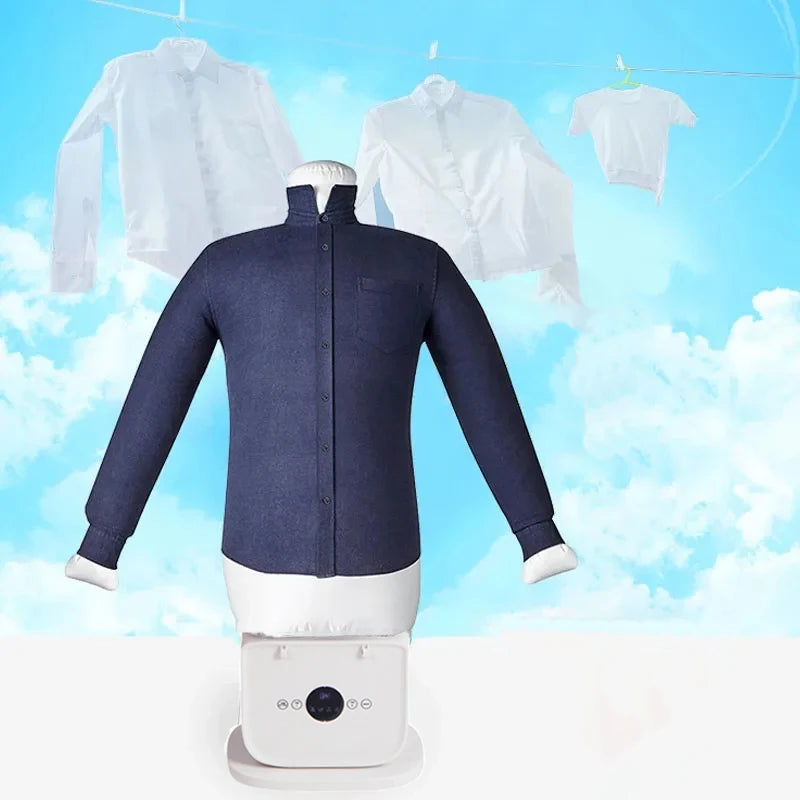
Indoor heated air clothes drying setup — 💡 See it in action
Why Indoor Air Drying Clothes Fails in Most Homes
Drying clothes indoors sounds simple, but many households struggle with damp smells, stiff fabrics, and days-long drying times. In apartments, rainy climates, or homes without outdoor lines, moisture builds up quickly and airflow stays limited.
Traditional air drying racks rely on room temperature and passive evaporation. When humidity rises, evaporation slows dramatically. Clothes stay wet longer, encouraging odor and mildew while putting stress on delicate fibers.
Limited airflow also means moisture remains trapped inside thicker fabrics like towels or jeans. This is why indoor drying can sometimes take more than a full day without assistance.
Which drying issue frustrates you most — time, space, or fabric damage?
What Is an Indoor Heated Clothes Airer?
An indoor heated clothes airer is a drying rack with built-in heating elements or warm airflow circulation that speeds up evaporation from wet clothing. The system creates a controlled drying environment where laundry dries faster than normal indoor air drying.
Unlike tumble dryers, heated airers operate at lower temperatures and do not spin clothes. This makes them suitable for delicate garments, small apartments, and households looking to reduce electricity use.
How Heated Airers Work Step by Step
- Clothes are hung across the heated rack rails or bars.
- The airer gently warms the bars or circulates warm air.
- Heat transfers into damp fabrics, accelerating evaporation.
- Airflow moves moisture away from garments.
- Clothes dry evenly without tumbling or friction.
Types of Heated Clothes Dryers
- Heated drying racks – folding racks with heated bars.
- Heated airers with covers – racks enclosed by a fabric cover that traps warm air.
- Ventless portable clothes dryers – compact dryers that circulate warm air inside a small enclosure.
Drying Clothes Without Shrinking: Why Gentle Heated Air Works
One of the biggest advantages of heated clothes airers is their low drying temperature. Traditional tumble dryers expose fabrics to high heat and aggressive spinning, which can weaken fibers and cause shrinkage.
Heated airers typically operate between 40–60°C, allowing moisture to evaporate gradually without damaging delicate materials.
- Wool and knitwear maintain their shape
- Elastic fabrics keep their stretch
- Thin cotton garments avoid shrinkage
- Synthetic fabrics dry evenly without overheating
This gentle drying approach is why many households rely on heated airers for sportswear, sweaters, and clothing labeled “air dry only.”
How Well Do Heated Airers Dry Clothes? Real-World Results After 30 Days
To measure real performance, daily laundry loads were dried using a heated clothes airer over a 30-day test period in a small indoor space.
Average Drying Time by Fabric Type
- T-shirts and light cotton: 3–4 hours
- Socks and underwear: 2–3 hours
- Jeans and thick cotton: 6–8 hours
- Towels: 6–8 hours depending on humidity
Electricity Cost Per Load
Most heated airers use around 200W–300W of electricity. Running the system for six hours typically consumes about 1.2–1.8 kWh, which is significantly lower than the energy used by traditional tumble dryers.
Drying Capacity Compared to Tumble Dryers
- Heated airer: 8–12 garments per rack
- Portable ventless dryer: 10–15 garments
- Tumble dryer: full washing machine load
Although tumble dryers handle larger loads faster, heated airers work well for everyday laundry and smaller households.
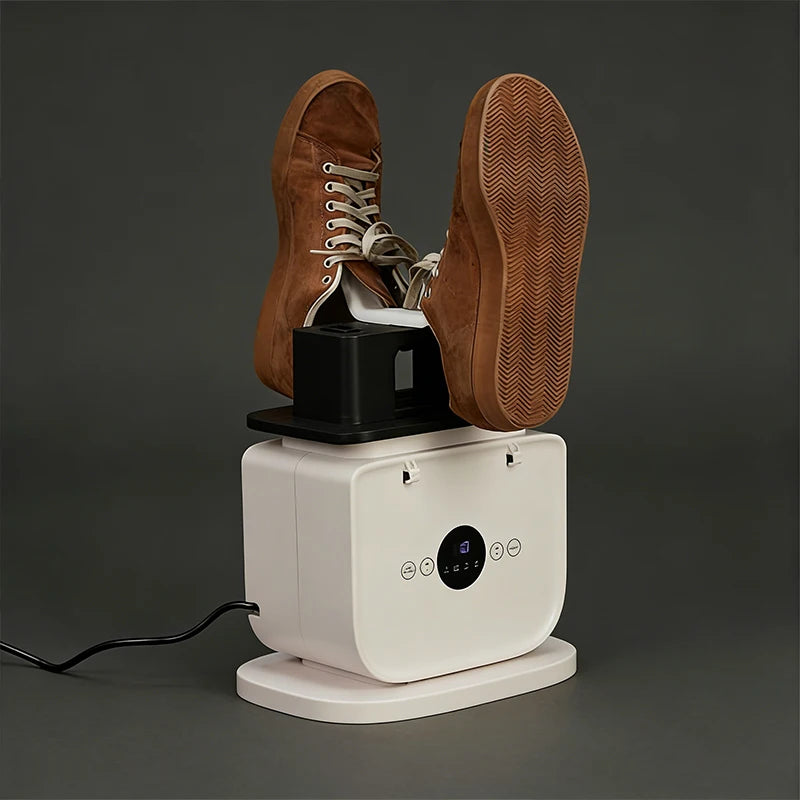
Ventless portable clothes dryer in daily use — 💡 Faster, gentler drying
Heated Clothes Airer vs Tumble Dryer vs Traditional Air Drying
Each drying method has advantages depending on your living situation and laundry habits.
- Heated clothes airer – energy efficient and gentle on fabrics.
- Tumble dryer – fastest drying but highest electricity use.
- Traditional air drying – cheapest option but slow and weather dependent.
| Method | Drying Time | Fabric Safety | Indoor Friendly |
|---|---|---|---|
| Heated clothes airer | 3–8 hours | High | Yes |
| Traditional drying rack | 8–24 hours | High | Yes |
| Tumble dryer | 45–90 minutes | Low–Medium | Limited |
Pros and Cons: Are Heated Clothes Airers Worth It?
Pros
- Energy efficient compared to tumble dryers
- Safe for delicate fabrics
- Compact and suitable for small apartments
- Quiet operation with no spinning drum
Cons
- Slower drying than tumble dryers
- Limited drying capacity
- Works best with basic room ventilation
For many households, the lower electricity cost and gentle drying performance make heated clothes airers a worthwhile alternative to traditional dryers.
Who Benefits Most From a Heated Clothes Airer?
Small Apartments and Condos
People living in apartments often lack outdoor clotheslines or space for large appliances. Heated airers provide a compact indoor drying option that folds away when not in use.
Winter Drying and Humid Climates
Cold weather and rainy seasons make outdoor drying difficult. Heated airers speed up evaporation indoors when natural airflow is limited.
Delicate Clothing and Energy-Saving Homes
Households that prioritize fabric care or lower electricity use often prefer heated airers over high-heat tumble dryers.
Many users pair this solution with lifestyle upgrades found in the Lifestyle collection to create more efficient daily routines.
Heated Clothes Airer Buying Guide
Drying Capacity
Choose a rack with enough rail space for your typical laundry load. Most heated airers can hold 8–15 garments at once.
Energy Consumption
Look for models that operate between 200W and 300W for a balance between drying speed and electricity efficiency.
Size and Storage
Foldable airers are ideal for small homes because they can be stored in closets or against walls when not in use.
Safety Features
Reliable heated airers include overheat protection, stable frames, and insulated wiring to ensure safe indoor operation.
What Real Users Say About Heated Clothes Airers
Many users appreciate heated airers because they solve common indoor drying problems without the cost of a tumble dryer.
- Apartment residents report faster winter drying.
- Parents prefer them for delicate children's clothing.
- Energy-conscious households like the lower electricity use.
However, some users note that drying time increases in very humid rooms, which is why ventilation or a dehumidifier can improve results.
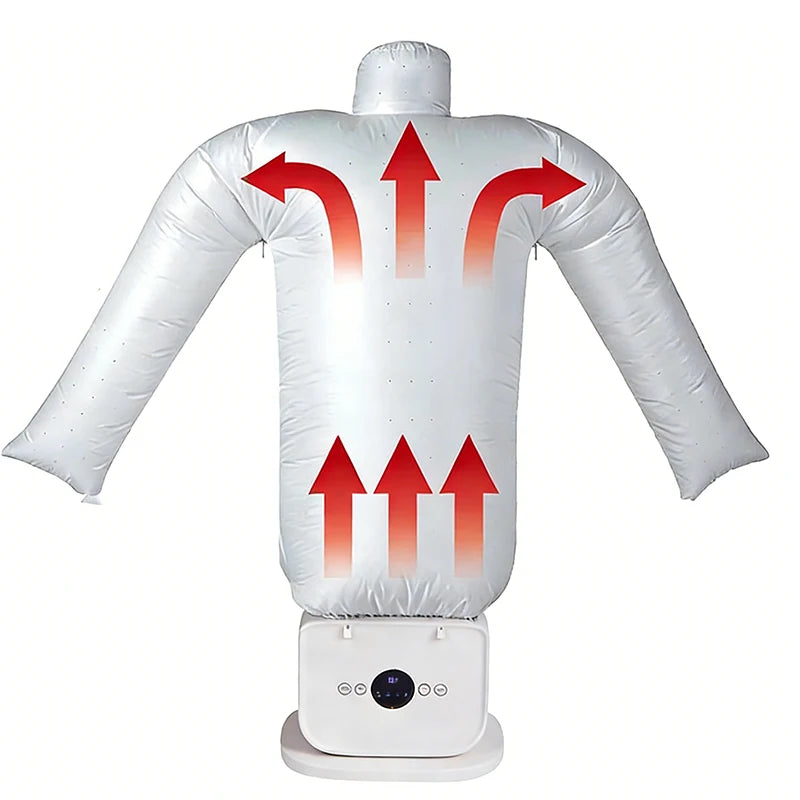
Compact indoor heated clothes airer — 💡 Upgrade your laundry routine
Frequently Asked Questions
Do heated airers use a lot of electricity?
No. Most heated airers use between 200W and 300W, which is significantly less electricity than traditional tumble dryers.
How long do heated airers take to dry clothes?
Most garments dry within 3–8 hours depending on fabric thickness and room humidity.
Can heated airers replace a tumble dryer?
For smaller households or daily laundry loads they can replace a tumble dryer, although large loads may take longer to dry.
Is a ventless portable clothes dryer safe for small rooms?
Yes. As long as the room has basic ventilation, these dryers are safe for apartments and small indoor spaces.
Do heated airers cause condensation or mold?
Moisture released during drying can increase indoor humidity. Opening a window or using a dehumidifier helps prevent condensation.