

Does Infrared Heat Therapy Really Work?
Yes, infrared heat therapy can work for many people by delivering therapeutic warmth that supports muscle relaxation, circulation, and recovery. Research suggests infrared heat therapy benefits are strongest for reducing muscle soreness, improving comfort, and easing stiffness, although results depend on the condition being treated and the quality of the device used.
Unlike a standard heating pad that mainly warms the skin surface, infrared therapy uses infrared energy to create deeper thermal effects in tissues. It may help people experiencing muscle tension, joint stiffness, exercise-related soreness, and some forms of chronic discomfort. However, it should be viewed as a supportive therapy rather than a replacement for medical treatment.
Infrared Heat Therapy Benefits: How It Works and Why It Outperforms Traditional Heat
⏱ 5 min read
Infrared heat therapy offers a deeper approach to heat-based recovery by combining consistent warmth with targeted energy transfer. Compared with conventional heat pads, infrared devices are designed to provide more even heating that may support circulation, relaxation, and mobility.
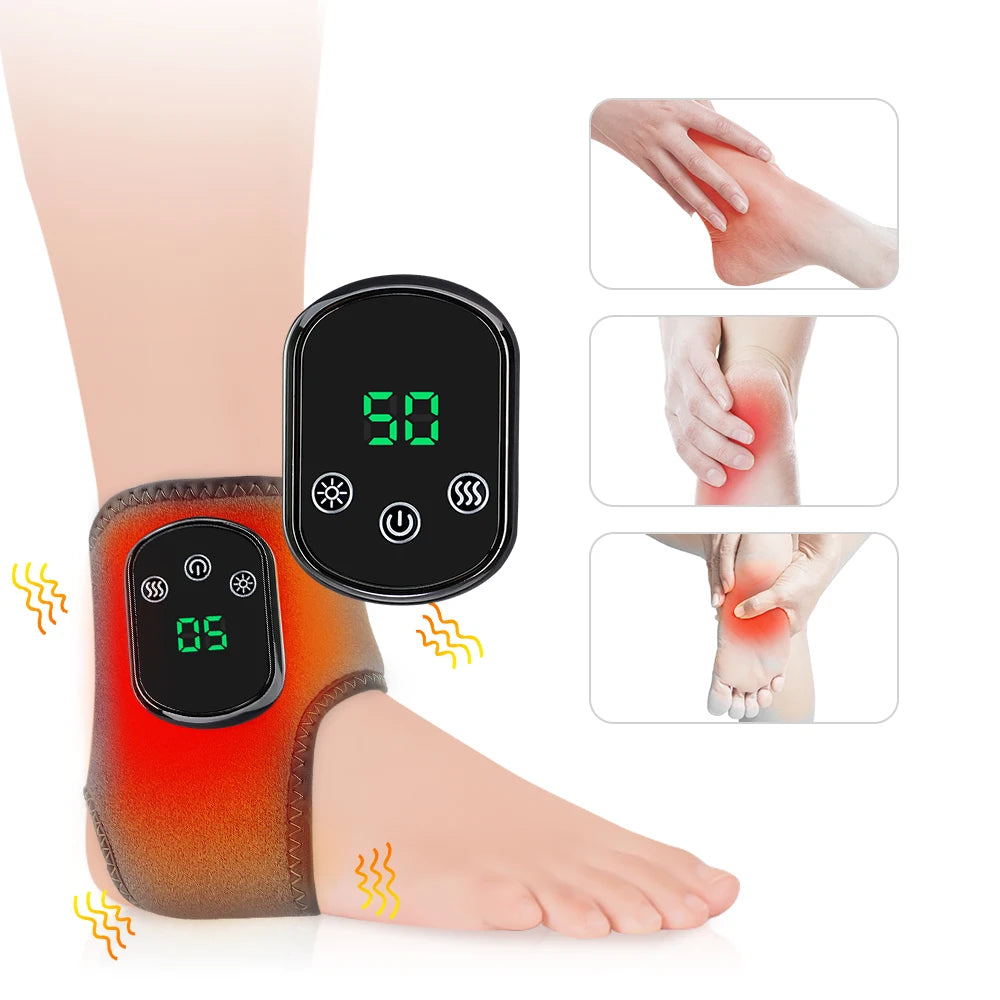
Infrared hot compress therapy for deep relaxation and recovery See it in action
What Is Infrared Heat Therapy?
Infrared heat therapy is a form of therapeutic heat that uses infrared wavelengths to transfer energy into the body. Infrared hot compress therapy and infrared heating pads are commonly used to provide controlled warmth that may reach deeper tissues than traditional surface heating methods.
Unlike regular heating pads that mainly warm the outer skin layers, infrared technology produces thermal energy that can gradually increase tissue temperature. This deeper warming effect is why many people use infrared therapy for muscle pain, stiffness, relaxation, and recovery routines.
Types of Infrared (Near, Mid, Far)
Infrared therapy is generally categorized by wavelength. Different wavelengths interact with tissues differently:
- Near infrared: Uses shorter wavelengths commonly associated with light-based applications and cellular responses.
- Mid infrared: Produces thermal effects that support warming and circulation.
- Far infrared: Provides deeper thermal heating and is commonly used in infrared heating pads, saunas, and hot compress devices.
The far infrared heat therapy benefits most often discussed include improved comfort, muscle relaxation, and support for circulation. The exact results depend on device design, temperature settings, and individual response.
How Infrared Differs From Traditional Heat
Traditional heat transfers warmth from a heating element through direct contact with the skin. Infrared energy works by producing electromagnetic radiation that is absorbed by tissues and converted into heat.
This difference explains why infrared heat may feel more penetrating and evenly distributed compared with some conventional heating methods. Clinical and consumer applications use infrared technology for pain management support, muscle recovery, and relaxation.
How Infrared Heat Therapy Works
Understanding how infrared heat therapy works requires looking at both thermal effects and biological responses. Infrared therapy does not simply warm the skin; it creates controlled temperature changes that influence muscles, blood vessels, and sensory pathways.
Deep Tissue Heating and Energy Transfer
When infrared energy reaches body tissues, it is absorbed and converted into heat. This gradual warming can help relax tight muscles and improve flexibility by reducing the sensation of stiffness.
The depth of the effect depends on the wavelength, device output, treatment duration, and body area being treated. Infrared heating pads are designed to provide consistent warmth rather than sudden high temperatures.
Blood Flow, Cellular Responses, and Pain Modulation
Heat causes blood vessels to expand through a process called vasodilation. Increased circulation may improve oxygen delivery and nutrient transport while supporting the removal of metabolic byproducts associated with muscle fatigue.
Infrared heat for circulation may also influence how the body perceives discomfort. Gentle warmth can help reduce muscle guarding and promote relaxation, which may improve mobility in stiff areas.
Photobiomodulation vs Thermal Effects
Infrared therapy is sometimes confused with red light therapy. While both use light wavelengths, their primary mechanisms differ.
- Thermal infrared therapy: Uses infrared energy primarily to create heat and warming effects.
- Photobiomodulation: Uses specific light wavelengths to influence cellular processes without relying mainly on heat.
Understanding this distinction helps explain why infrared heat therapy benefits are mainly related to temperature-based effects, while red light therapy is studied separately for light-based biological responses.
Evidence-Based Benefits by Condition
Research on infrared therapy shows potential benefits across several areas, but evidence strength varies by condition. Infrared heat should be considered a supportive wellness and recovery tool, not a guaranteed treatment for every type of pain.
Muscle Pain and Recovery
Infrared therapy for muscle pain is one of the most common applications. Heat can increase tissue flexibility, reduce feelings of tightness, and support relaxation after physical activity.
Athletes and active individuals often use infrared heat after exercise because improved circulation and reduced stiffness may support recovery comfort.
Joint Stiffness and Arthritis
Warmth from infrared heating devices may help people with joint stiffness by improving comfort and mobility. Heat-based therapies are commonly used alongside stretching, movement, and other approaches for managing stiffness.
Infrared heat may support symptom relief, but it does not reverse joint damage or replace professional treatment for arthritis conditions.
Sports Recovery
For post-workout recovery, infrared heat may help muscles relax after intense activity. Many users combine heat therapy with hydration, mobility exercises, and proper rest.
The strongest benefits are generally related to comfort, flexibility, and temporary reduction of muscle tightness.
Chronic Pain
Some people with ongoing muscle discomfort may find infrared heat helpful as part of a broader pain management routine. Results vary depending on the cause, severity, and duration of symptoms.
Infrared therapy may improve comfort, but persistent or severe pain should always be evaluated by a healthcare professional.
Infrared vs Traditional Heating Pad
Infrared Heat vs Regular Heat
- Heat delivery: Infrared uses energy transfer, while regular heating pads rely mainly on direct surface warming.
- Depth: Infrared may create deeper thermal effects, while standard heat often feels more surface-focused.
- Comfort: Infrared devices are designed for consistent warmth over longer sessions.
- Best use: Infrared may suit recovery routines, while regular heating pads work well for quick warmth.
Infrared vs Moist Heat
Moist heat uses water or damp materials to transfer warmth and may feel more penetrating than dry heat. Infrared therapy differs because it uses infrared energy rather than moisture to create thermal effects.
The better option depends on personal preference, the body area being treated, and the desired recovery routine.
When Each Option Makes Sense
Infrared heating pads may be a better choice for users seeking consistent deep warmth for muscle relaxation and recovery. Traditional heating pads remain practical for simple short-term comfort.
Infrared Heating Pad Benefits for Home Use
Infrared heating pads provide a convenient way to use heat therapy at home. They are commonly used for areas such as the back, shoulders, neck, legs, and joints.
Who May Benefit Most
- People experiencing occasional muscle tension
- Individuals recovering after exercise
- Office workers dealing with posture-related stiffness
- Users looking for non-invasive relaxation support
Choosing an Infrared Heating Pad
When selecting an infrared heating device, consider:
- Adjustable temperature settings
- Comfortable coverage area
- Automatic shutoff features
- Ease of cleaning and maintenance
- Safety certifications and clear usage instructions
A quality device should provide controlled warmth without encouraging excessively high temperatures or prolonged use.
For enhanced recovery routines, many users combine infrared therapy with tools like an electric foot heat massager .
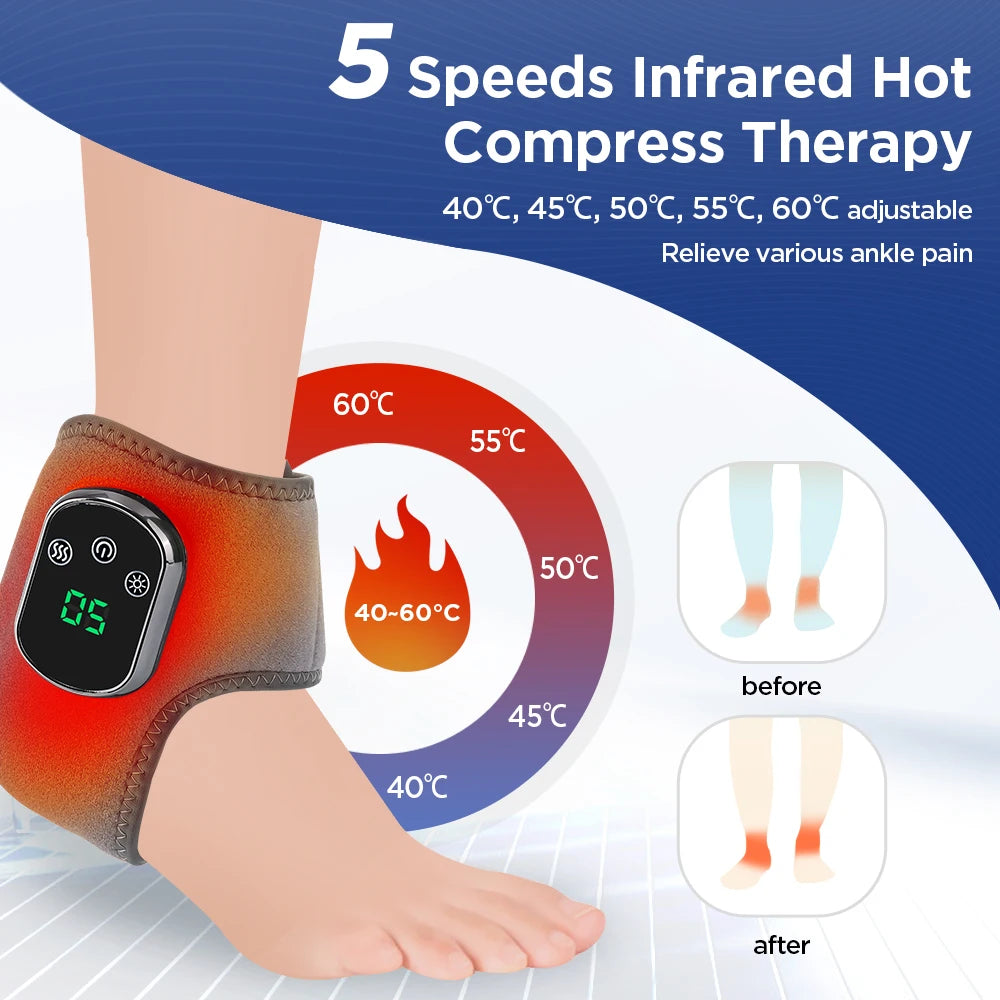
Experience infrared heat therapy benefits for tired muscles See it in action













