

Do performance insoles basketball really improve speed and reduce joint stress?
Performance insoles for basketball can improve speed and reduce joint stress by combining shock absorption, lateral stability, and energy return. Designed for explosive cuts, jumps, and sprints, they help reduce fatigue, enhance responsiveness, and protect knees and ankles during high-impact play. While they won’t replace proper footwear or training, the right insole can noticeably improve comfort, stability, and on-court efficiency.
Performance Insoles Basketball: Best Picks for Speed, Support & Shock Absorption (2026)
⏱ 7 min read
Fast cuts. Sudden stops. Repeated impact. If you switch between basketball games and running workouts, your feet take a beating most shoes were never designed to handle. The right performance insoles can improve speed, reduce joint stress, and help your body respond more efficiently to every movement.
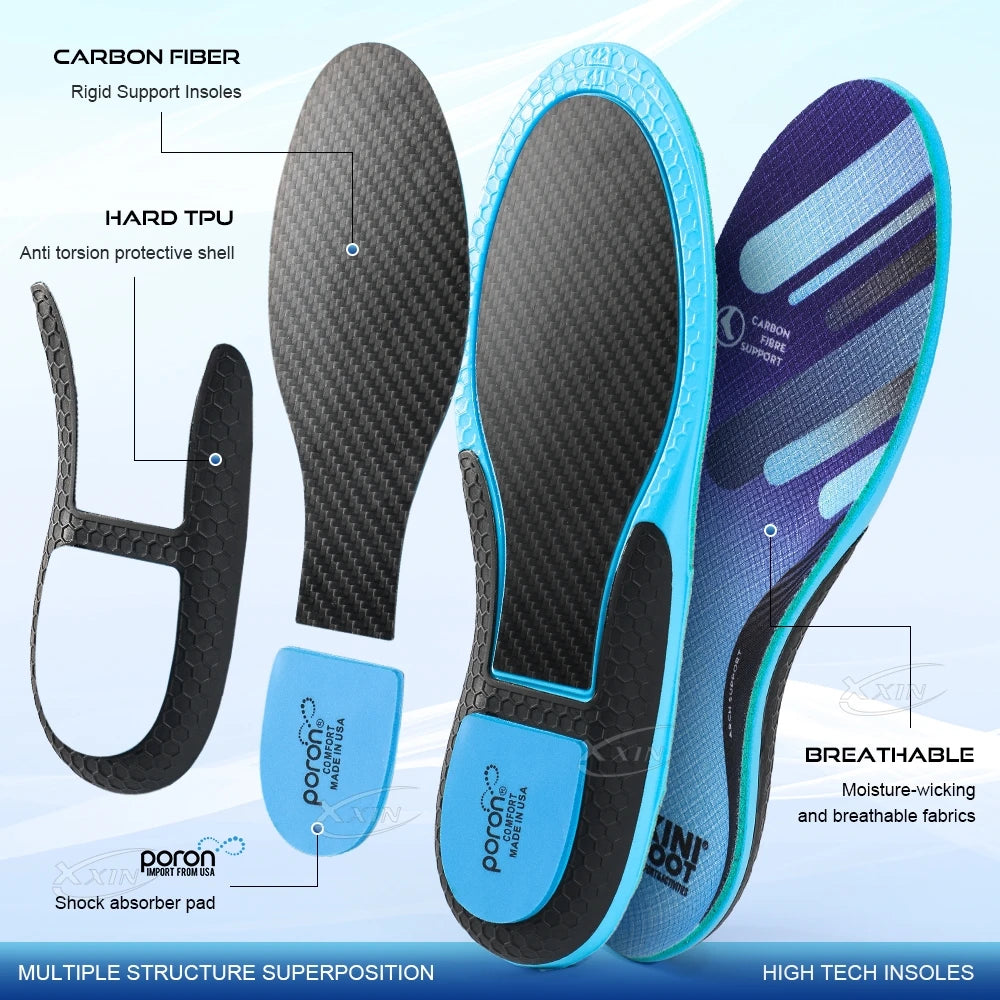
Shock absorbing insoles for joints designed for fast cuts and daily comfort See it in action
Best Performance Insoles for Basketball (Ranked & Tested)
Quick Picks Comparison Table
| Category | Best For | Key Strength | Support Level | Ideal Player |
|---|---|---|---|---|
| Best Overall | Balanced play | Energy return + stability | Medium | All positions |
| Shock Absorption | Heavy impact | Heel cushioning | High | Centers/forwards |
| Arch Support | Flat feet | Alignment control | Firm | Injury prevention |
| Speed & Agility | Quick cuts | Lightweight response | Low–Medium | Guards |
| Impact Protection | Rebounding | Thick cushioning | High | Big men |
| Budget | Value | Basic performance boost | Medium | Casual players |
| Plantar Fasciitis | Heel pain | Shock + arch combo | Firm | Recovery-focused |
| High Arches | Pressure relief | Cushion distribution | Medium–High | High-arch athletes |
#1 Best Overall Performance Insole
Balanced cushioning and responsiveness make this the top pick for most players. It delivers strong impact protection without sacrificing court feel.
- Pros: Versatile, stable, responsive
- Cons: Not specialized for extreme needs
#2 Best for Shock Absorption
Maximizes impact protection for repeated jumps and landings.
- Pros: Reduces knee stress significantly
- Cons: Slightly heavier feel
#3 Best for Arch Support
Designed for alignment and stability, especially for flat feet.
- Pros: Strong structural support
- Cons: Requires break-in
#4 Best for Guards (Speed & Agility)
Low-profile design enhances quick cuts and acceleration.
- Pros: Lightweight, responsive
- Cons: Less cushioning
#5 Best for Big Men (Impact Protection)
Built for durability and heavy load absorption.
- Pros: Maximum cushioning
- Cons: Reduced court feel
#6 Best Budget Option
Affordable upgrade over stock insoles with noticeable comfort improvements.
#7 Best for Plantar Fasciitis
Combines heel cushioning and arch support to reduce strain.
#8 Best for High Arches
Focuses on pressure redistribution and shock dispersion.
How We Ranked These Basketball Performance Insoles
Testing Criteria
- Shock Absorption: Landing impact reduction
- Energy Return: Responsiveness during sprints
- Stability: Lateral support during cuts
- Fit: Compatibility with basketball shoes
- Durability: Long-term performance under stress
Expert Review Factors
We evaluated insoles through simulated on-court movements including sprints, pivots, and jumps. Emphasis was placed on real athletic performance rather than casual comfort.
Why Fast Cuts Create More Joint Impact
Basketball Biomechanics Explained
Basketball movements involve lateral force, sudden deceleration, and vertical loading. Each jump and cut increases joint stress—especially when cushioning breaks down. Insoles help redistribute these forces and reduce peak impact on knees and ankles.
What Makes Basketball Performance Insoles Different?
Basketball vs Running Insoles
- Basketball Insoles: Lateral stability, impact absorption, quick response
- Running Insoles: Forward motion efficiency, repetitive cushioning
Basketball-specific designs prioritize multidirectional support, making them essential for court performance.
Standard Insoles vs Performance Insoles (Basketball Focus)
- Standard Insoles: Basic comfort, limited durability
- Performance Insoles: Structured support, shock absorption, energy return
Choosing the Right Insoles for Your Play Style & Foot Type
Guards vs Forwards vs Centers
Guards need responsiveness, while big men need cushioning and stability.
Flat Feet vs High Arches
Flat feet require structure. High arches need cushioning.
Arch Type Self-Assessment
Wet your foot and step on paper: a full imprint suggests flat feet, while a narrow imprint indicates high arches.
Injury Prevention (Knees, Ankles, Plantar Fasciitis)
Proper insoles reduce overpronation, stabilize movement, and absorb shock—lowering injury risk.
How Performance Insoles Reduce Fatigue and Improve Energy Return
- Energy Return: Foam systems rebound quickly
- Reduced Muscle Load: Better alignment lowers strain
- Consistent Performance: Maintains responsiveness
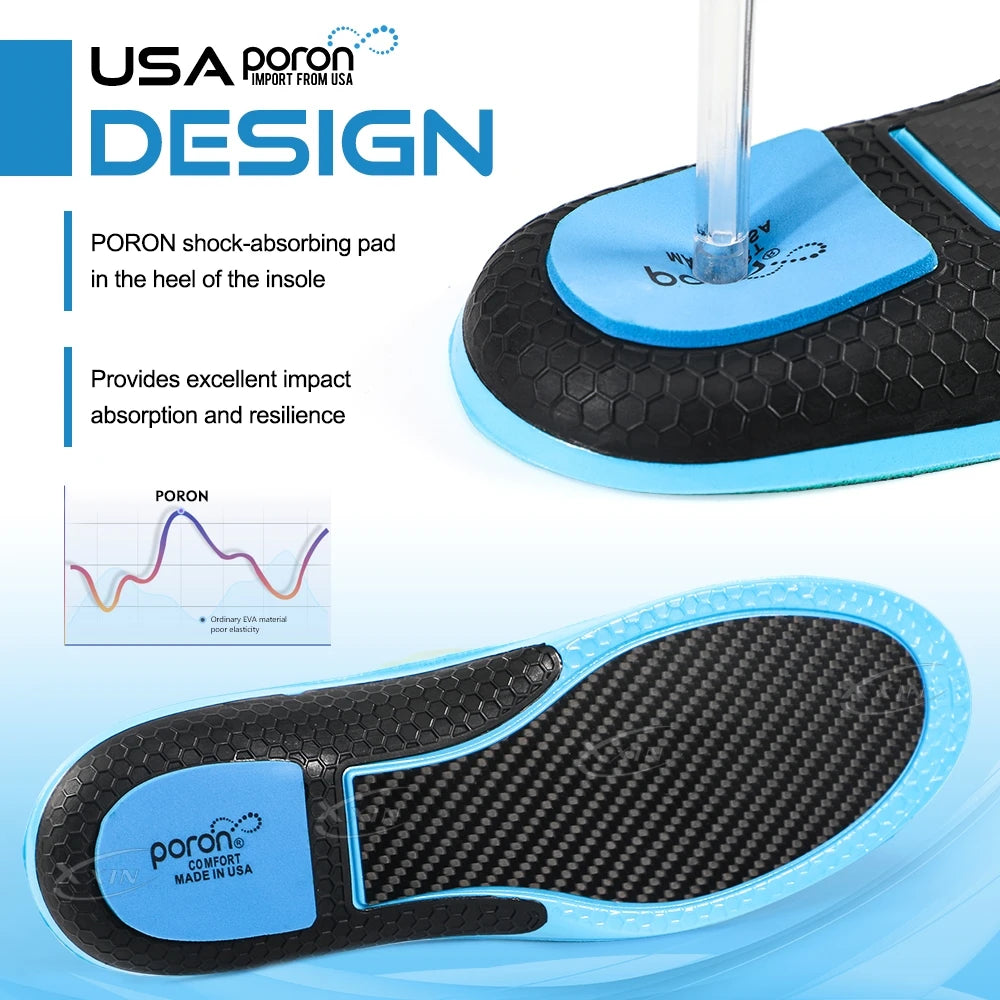
Built to reduce joint impact and muscle fatigue in athletes See it in action
Real-World Performance: Court vs Running Use
Who Should Choose Multi-Sport Insoles?
If you split time between basketball and running, choose a hybrid insole. However, dedicated basketball insoles perform better for court-specific movements.
Many users pair performance insoles with supportive footwear and products found in the Body Care and Health Devices collection to maintain recovery routines.
How to Use Performance Insoles for Maximum Results
Sizing and Trimming Guide
Match size carefully and trim if needed for a precise fit.
Replacement Timeline
Replace every 6–12 months depending on usage.
Cleaning and Maintenance
Air dry regularly and wipe clean to extend lifespan.
For recovery and daily comfort beyond workouts, many athletes complement insoles with relaxation tools from the Lifestyle collection.
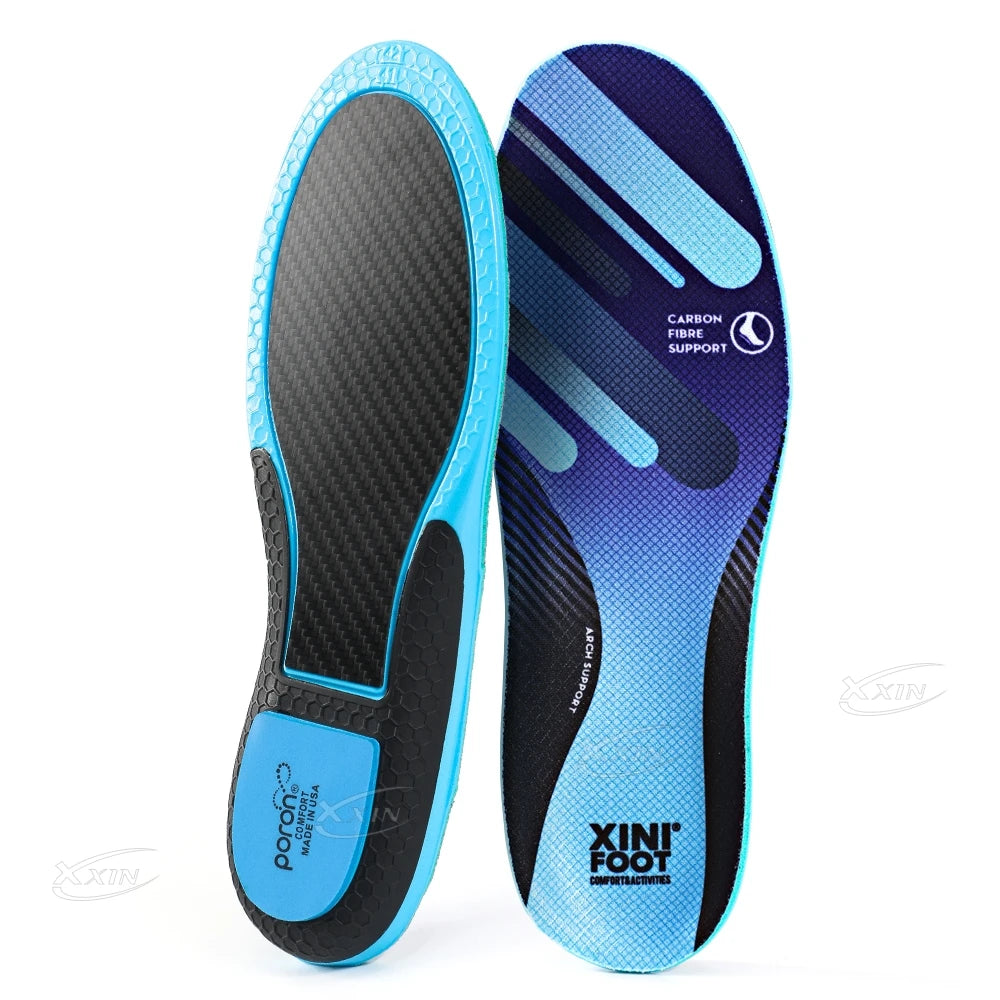
Support that keeps up with every cut and stride See it in action
Best Basketball Insoles by Player Need
Best for Flat Feet
Firm arch support and motion control.
Best for High Arches
Extra cushioning and pressure distribution.
Best for Wide Feet
Flexible, trim-to-fit designs.
Best for Ankle Support
Stability-focused insoles that reduce lateral roll.
FAQs About Basketball Performance Insoles
Can these insoles fit both basketball and running shoes?
Yes, but basketball-specific insoles perform better for lateral movement.
Do insoles help knee pain in basketball players?
They reduce joint impact and improve alignment.
How long do performance insoles last?
Typically 6–12 months.
Are expensive insoles worth it for basketball?
Yes, for durability and performance benefits.
Do NBA players use performance insoles?
Many use custom or high-performance options.
Which basketball players benefit most from performance insoles?
Players with high impact, frequent jumping, or foot instability.
Can performance insoles increase vertical jump?
They may improve energy return slightly, but training matters more.
Should I replace the original basketball shoe insole?
Yes, for better performance and support.
How do I know if my arch needs extra support?
Discomfort or fatigue often indicates lack of support.
Can one pair of insoles be used for multiple basketball shoes?
Yes, if they fit properly.
What cushioning level is best for outdoor basketball?
Higher cushioning helps absorb harder surface impact.













