

Do insoles to reduce foot strain really help daily training?
Yes—well-designed insoles to reduce foot strain can make a noticeable difference during daily training by improving foot alignment, redistributing pressure, and reducing repetitive impact. Whether you're walking, strength training, working long shifts, or running short distances, supportive insoles help reduce fatigue so your feet stay comfortable for longer.
The most effective foot strain relief insoles work by:
- Supporting the natural arch to reduce overpronation or excessive foot movement
- Distributing body weight more evenly across the heel, midfoot, and forefoot
- Absorbing repetitive impact that contributes to muscle and joint fatigue
- Helping maintain better ankle, knee, and lower-leg alignment during movement
People who benefit most include individuals who train daily, stand for extended periods, wear work boots, have flat feet or high arches, or experience discomfort from worn footwear.
However, insoles are not a complete solution. Persistent pain, sudden swelling, numbness, or injuries caused by structural foot problems should be evaluated by a healthcare professional. Supportive insoles work best alongside properly fitting shoes and appropriate training habits.
Insoles to Reduce Foot Strain Compared for Daily Training
⏱ 6 min read
Long training days can quietly wear you down—starting at your feet. Lingering soreness, stiffness, or knee discomfort often isn't about effort, but what happens inside your shoes. This guide compares the most effective insoles to reduce foot strain so your daily training feels lighter, steadier, and more sustainable.
Best Insoles to Reduce Foot Strain (Top Picks Compared)
Best Overall for Daily Training
A balanced insole combining moderate arch support with responsive cushioning is the best all-around choice for gym workouts, walking, fitness classes, and everyday activity. It offers an excellent balance of comfort, stability, durability, and versatility.
Pros:
Suitable for most foot types, versatile, long-lasting.
Cons:
May not provide enough correction for severe overpronation.
Best for Standing All Day
Thicker cushioning combined with a deep heel cup helps reduce pressure buildup during long work shifts. These insoles work especially well inside walking shoes, nursing footwear, and casual work shoes.
Pros:
Excellent heel comfort and fatigue reduction.
Cons:
May feel bulky inside low-volume shoes.
Best for Flat Feet
Structured arch support helps control excessive inward rolling of the foot, improving stability while reducing stress on the plantar fascia, ankles, and knees.
Pros:
Improves alignment and stability.
Cons:
Requires a short adjustment period.
Best for High Arches
People with high arches generally benefit from softer cushioning combined with moderate arch support to spread pressure more evenly and reduce impact on the heel and forefoot.
Pros:
Better pressure distribution and shock absorption.
Cons:
Very soft models may compress more quickly.
Best for Runners
Running-focused insoles typically combine lightweight construction, responsive foam, and moderate stability to reduce repetitive impact while maintaining efficient stride mechanics.
Pros:
Lightweight, responsive, comfortable over long distances.
Cons:
Usually less suitable for heavy work boots.
Best for Work Boots
Firm support with durable materials performs best inside heavier footwear, helping reduce fatigue during physically demanding jobs while improving overall comfort.
Pros:
Excellent durability and support.
Cons:
Less cushioning than athletic models.
Best for Knee Pain from Worn Shoes
Stiffer support designs, including carbon fiber or stability-focused insoles, help improve foot alignment and reduce excessive motion that can transfer stress to the knees.
Pros:
Excellent stability and energy transfer.
Cons:
Firmer feel may not suit every user.
Best Budget Option
Basic foam or gel insoles provide immediate comfort at a lower cost. They're ideal for light activity or temporary use but generally lose support faster under frequent training.
Pros:
Affordable and comfortable.
Cons:
Shorter lifespan and less structural support.
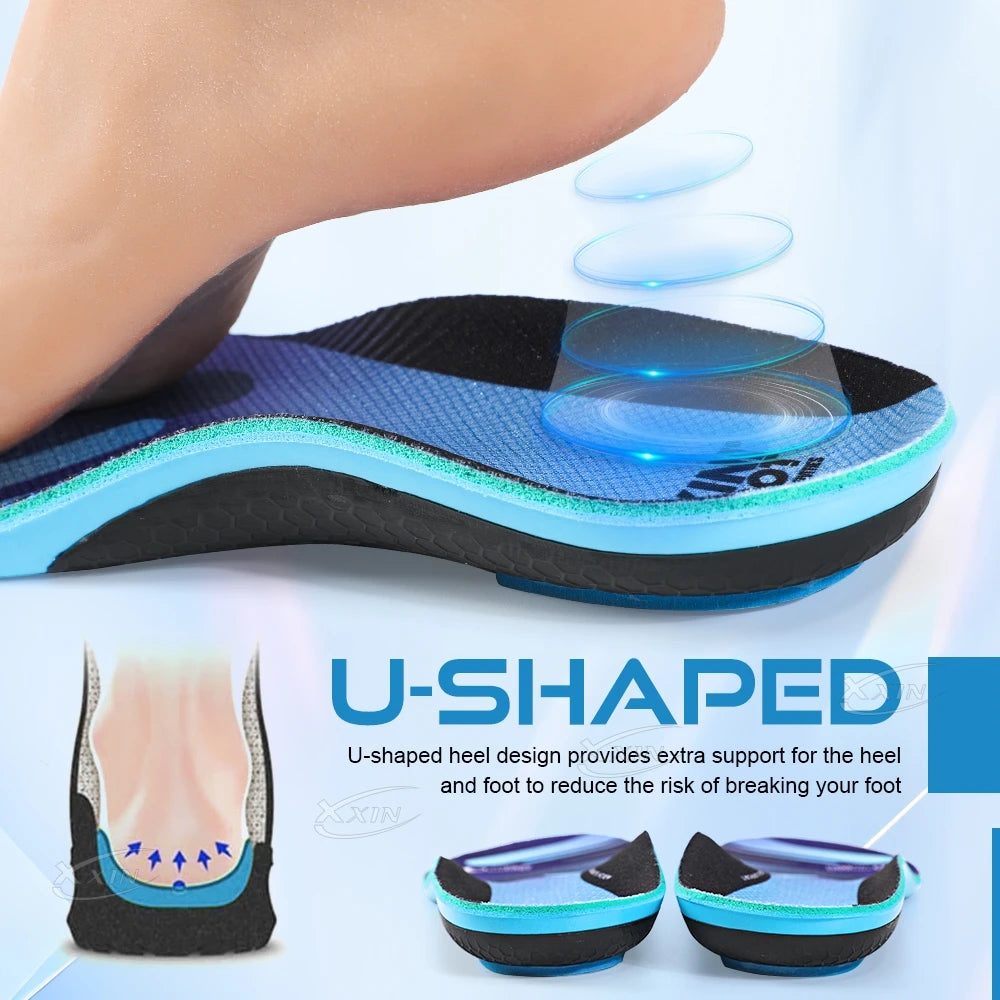
Insoles to reduce foot strain help ease foot fatigue symptoms during long workouts. See it in action.
Comparison Table: Best Insoles for Foot Fatigue
| Insole Type | Cushioning | Arch Support | Material | Best Use | Durability |
|---|---|---|---|---|---|
| Daily Training | Medium | Moderate | EVA Foam | General exercise | High |
| Cushioning | High | Light | Foam/Gel | Standing all day | Medium |
| Arch Support | Medium | High | EVA + Support Shell | Flat feet | High |
| Carbon Fiber | Low-Medium | Very High | Carbon Fiber Composite | High-impact training | Very High |
| Gel | High | Low | Gel Polymer | Light daily use | Medium |
Why Foot Strain Builds Up During Daily Training
Foot strain develops when repetitive impact and inadequate support overload the muscles, tendons, ligaments, and joints of the feet. During daily training, thousands of steps gradually increase stress, especially when shoes have lost their cushioning or no longer provide proper stability.
Common contributing factors include:
- Insufficient arch support leading to overpronation
- Worn-out shoes that no longer absorb impact effectively
- Hard training surfaces that increase heel and forefoot pressure
- Long periods of standing or repetitive movement without adequate recovery
Left unaddressed, foot fatigue may contribute to discomfort that extends into the ankles, knees, hips, and lower back.
How Insoles Reduce Foot Strain (Biomechanics Explained)
Shock Absorption
Every step creates impact forces that travel through the feet and legs. Cushioning materials such as EVA foam and gel help absorb part of this force before it reaches muscles and joints, reducing accumulated fatigue during long periods of activity.
Pressure Redistribution
Instead of allowing excessive pressure to concentrate under the heel or forefoot, supportive insoles spread body weight more evenly across the entire foot. This helps reduce localized soreness and hot spots.
Arch Stabilization
Proper arch support helps control excessive inward rolling while encouraging more efficient foot mechanics. Better stability reduces unnecessary muscle workload and may improve overall comfort during training.
Energy Return
Some modern foam compounds and carbon fiber designs return a portion of the energy generated with each step, helping movement feel more efficient while reducing muscle fatigue over extended training sessions.
Side-by-Side Comparison: Insole Materials
Foam
Foam insoles provide lightweight cushioning and everyday comfort. They're an excellent option for casual walking and moderate activity but gradually compress with heavy use.
Gel inserts excel at shock absorption and heel comfort. They are particularly helpful for standing occupations, although they usually provide less structural support than arch-support models.
EVA
EVA foam offers an effective balance between cushioning, responsiveness, durability, and weight. Many premium daily training insoles use high-density EVA because it maintains support longer than traditional foam.
Cork
Cork gradually molds to the shape of the foot while remaining relatively firm. It offers stable support and good moisture resistance, making it popular for everyday walking footwear.
Carbon Fiber
Carbon fiber insoles are lightweight yet exceptionally rigid. Rather than maximizing softness, they improve stability, reduce excessive flex, and enhance energy transfer during high-impact training or physically demanding work.
How to Choose the Right Insole for Your Foot Type
Flat Feet
Choose firm arch support that limits excessive pronation while improving overall alignment. Stability-focused designs generally provide the best long-term comfort.
Neutral Arches
A balanced insole with moderate support and medium cushioning works well for most daily activities, providing comfort without overcorrecting natural foot motion.
High Arches
High arches often benefit from additional cushioning to improve pressure distribution. Look for supportive designs that combine impact protection with moderate arch support.
Before buying, check that the insole matches both your foot shape and your primary footwear. A supportive running insole may not fit well inside slim casual shoes, while work-boot insoles can feel too firm for athletic training.
How to Trim, Fit, and Break In Insoles
Most replacement insoles perform best when fitted carefully.
- Remove the original removable insole unless the manufacturer recommends otherwise.
- Trim along the printed guidelines only if necessary.
- Check that the heel sits fully inside the shoe without lifting.
- Wear the new insoles for one to two hours initially before gradually increasing use over several days.
- If pressure points develop, reassess sizing or arch height rather than continuing through discomfort.
When to Replace Your Insoles
Even high-quality insoles gradually lose support. Replacement is often needed when cushioning remains visibly compressed, the arch feels flattened, the top fabric begins separating, or foot fatigue returns sooner than before.
For most active users, quality insoles last between 6 and 12 months depending on body weight, training frequency, footwear, and material construction. Cleaning them regularly and allowing them to dry completely between uses helps extend their lifespan.
Common Mistakes When Choosing Insoles
- Selecting the wrong arch height for your foot type.
- Prioritizing softness over proper support.
- Using one insole for every activity regardless of footwear.
- Keeping worn-out shoes long after their midsoles have broken down.
- Ignoring fit and allowing the insole to slide inside the shoe.













