

Does an insulated door curtain really help keep apartments warm?
Yes. An insulated door curtain helps keep apartments warmer by reducing drafts that enter through gaps around entry doors. Instead of allowing cold outdoor air to mix with heated indoor air, the curtain creates an additional thermal barrier that slows heat transfer and improves temperature stability. For renters and homeowners alike, this simple upgrade can make rooms feel more comfortable within minutes without requiring permanent modifications.
How thermal barriers reduce heat loss
Most heat loss around entryways occurs through air leakage rather than the door panel itself. A quality insulated door curtain covers the entire doorway, limiting airflow around the frame while trapping a layer of still air between the curtain and the door. This extra layer helps your heating system maintain a more consistent indoor temperature and reduces uncomfortable cold spots near entrances.
What insulated door curtains can and cannot do
A door curtain for cold air is designed to reduce drafts and improve comfort, but it is not a replacement for damaged weather stripping or poorly insulated doors. For the best results, combine a thermal curtain with properly sealed door frames and a well-maintained heating system. When used together, these measures can noticeably improve energy efficiency during winter while also helping keep cooled air indoors during summer.
Leaving an entry door uncovered allows cold air to circulate freely whenever small gaps are present. A door curtain to keep heat in provides full-door coverage, making it especially effective for apartments, rental properties, garages, and frequently used entrances where permanent insulation upgrades are not practical.
Best Insulated Door Curtains (Tested & Reviewed) for Apartments Cold Entry Doors
Drafty apartment entry doors can make living spaces feel colder than the thermostat suggests while increasing heating costs throughout winter. The best insulated door curtains create an effective barrier against cold air, helping maintain indoor comfort with fast, renter-friendly installation. In this guide, we compare the top options based on insulation performance, durability, ease of installation, and overall value.
⏱ 5 min read
Explore practical upgrades that improve daily wellness inside the Lifestyle collection.
Best Insulated Door Curtains (Top Picks 2026)
We evaluated today's leading thermal door curtains by comparing insulation materials, sealing performance, installation methods, long-term durability, and customer feedback. Whether you need a magnetic thermal door curtain for an apartment or a heavier option for a garage, these recommendations cover the most common situations.
1. Magnetic Thermal Door Curtain (Best Overall)
Ideal for apartments and frequently used entryways, this style combines excellent draft blocking with convenient hands-free access.
- Strong magnetic closure automatically seals after every pass
- Multi-layer insulation improves winter comfort
- Quick peel-and-stick installation suitable for most renters
Pros: Excellent sealing, renter-friendly, energy efficient, convenient for daily use
Cons: May not fit oversized or unusually shaped door frames
2. Heavy-Duty Door Insulation Curtain (Best for Extreme Cold)
Designed for colder climates where maximum insulation takes priority over a slim profile.
- Thick cotton and Oxford fabric construction
- Built for freezing outdoor temperatures
- Excellent draft and heat-loss reduction
Pros: Superior insulation, highly durable, ideal for harsh winters
Cons: Heavier design may require more robust mounting hardware
3. Insulated Curtain for Front Door (Best Style + Efficiency)
A practical option for homeowners who want improved insulation without sacrificing appearance.
- Decorative finish with thermal lining
- Blends with modern home décor
- Available in multiple colors and sizes
Pros: Attractive appearance, versatile installation, improved comfort
Cons:Typically provides a slightly looser seal than magnetic models
4. Budget Door Draft Blocker Curtain
A cost-effective choice for light to moderate drafts in apartments, dorms, or seasonal use.
- Lightweight insulated construction
- Simple installation with adhesive or hook-and-loop fasteners
- Affordable solution for reducing noticeable cold air
Pros: Budget-friendly, easy to install, suitable for temporary use
Cons:Lower insulation performance than premium multi-layer designs
5. Best Curtain for Garages and Patios
Built for wider openings and spaces exposed to frequent outdoor temperature changes.
- Heavy-duty weather-resistant materials
- Suitable for garages, workshops, and patio doors
- Designed to reduce both drafts and heat loss
Pros:Excellent coverage for large openings, durable construction
Cons:May be oversized for standard apartment entry doors
Comparison Table: Top Thermal Door Curtains
| Product Type | Best For | Closure Type | Insulation Level | Installation |
|---|---|---|---|---|
| Magnetic Thermal Door Curtain | Apartments & frequent use | Magnetic seal | High | Adhesive strips |
| Heavy-Duty Insulated Curtain | Extreme cold climates | Velcro / Rod | Very High | Rod or hooks |
| Decorative Thermal Curtain | Living spaces | Rod pocket | Medium | Curtain rod |
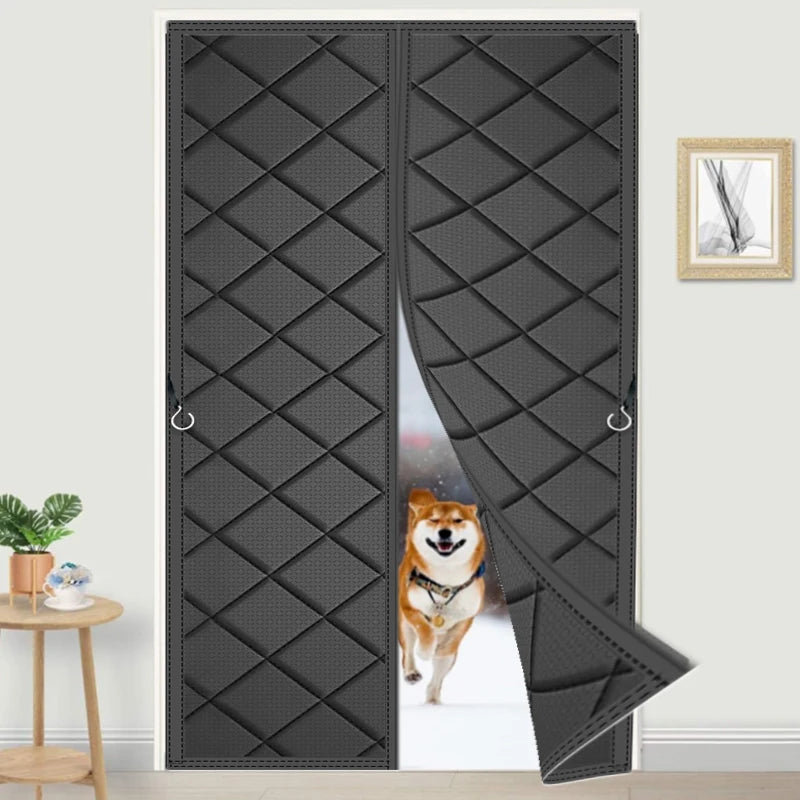
insulated door curtain helping block cold air from door — See it in action
How Insulated Door Curtains Work
An insulated door curtain improves indoor comfort by reducing heat transfer and limiting unwanted air exchange around entry doors. Rather than generating heat, it helps retain the warm air already inside your home while reducing the amount of cold outdoor air that enters through small gaps. This simple barrier design makes a noticeable difference in apartments, houses, garages, and other spaces where drafts are common.
Airflow Blocking
Most heat loss around doors occurs because of air leakage. A door curtain for cold air covers the entire doorway instead of just the bottom edge, reducing drafts from the sides, top, and threshold. By minimizing continuous airflow, rooms feel warmer and heating systems do not have to compensate as frequently.
Thermal Air Pockets
Quality thermal curtains typically combine multiple layers of fabric, cotton filling, foam, or insulated materials. These layers create small pockets of trapped air that slow conductive heat transfer between indoor and outdoor environments. The result is improved temperature stability without requiring permanent structural changes.
Weatherproof Sealing
Magnetic thermal door curtains automatically close after someone passes through, creating a consistent seal that reduces heat loss throughout the day. Hook-and-loop and rod-mounted designs also provide effective insulation when installed correctly, although magnetic closures generally offer the most convenient hands-free operation in high-traffic areas.
Noise and Insect Reduction
Beyond thermal performance, a thermal doorway curtain can also reduce outside noise, dust, and flying insects during warmer months. While it is not a substitute for weather stripping or soundproofing materials, it provides additional everyday comfort across multiple seasons.
When combined with properly sealed doors and windows, an insulated door curtain can noticeably improve indoor temperature consistency while supporting more efficient heating and cooling. For more home insulation strategies, explore the Body & Face Blog.
Comparing Options That Block Cold Air From Door Gaps
Several products can help reduce drafts, but each solves a different problem. Choosing the right solution depends on where air is entering, how often the doorway is used, and whether you need a temporary or permanent installation.
- Door draft stoppers: Affordable and effective for sealing gaps beneath the door, but they provide little protection against air entering from the sides or top.
- Foam weather stripping: Creates a long-lasting seal around the frame, although installation is more permanent and periodic replacement may be required.
- Insulated door curtains: Provide full-door coverage, reduce drafts across the entire opening, and can usually be removed without damaging the door, making them ideal for renters.
For many apartments and homes, a thermal doorway curtain offers the best balance of insulation performance, affordability, convenience, and seasonal flexibility. Many users prefer this insulated door curtain because it combines effective draft reduction with quick installation and easy everyday use.
Buying Guide: How to Choose the Right Insulated Door Curtain
Measure Your Door Correctly
Accurate measurements are essential for effective insulation. Measure both the width and height of your door frame, then choose a thermal door curtain that overlaps the frame by several centimeters on each side. This extra coverage helps minimize gaps where cold air can enter and warm air can escape.
Compare Installation Methods
The best installation method depends on how often the door is used and whether you need a temporary or long-term solution.
- Magnetic: Best for high-traffic entry doors thanks to automatic hands-free closing and reliable sealing.
- Hook-and-loop (Velcro): Provides a secure attachment and is easy to remove when needed.
- Curtain rod: A durable option that works well for permanent installations or decorative thermal curtains.
Choose the Right Insulation Material
The insulation material directly affects thermal performance and durability. Multi-layer door insulation curtains that combine polyester, cotton, foam, or Oxford fabric generally provide better heat retention than single-layer designs while remaining lightweight enough for everyday use.
Match the Curtain to Your Home
- Apartments: A magnetic thermal door curtain offers excellent convenience without permanent modifications.
- Garages and workshops: Choose thicker insulated models designed for larger temperature differences.
- Balconies and exterior entrances: Waterproof thermal doorway curtains provide added protection against wind and moisture.
- Frequently used front doors: Select a durable curtain that combines effective sealing with smooth daily operation.
Explore related solutions like window insulation options for full-room efficiency.
Magnetic vs Hook-and-Loop vs Rod-Mounted Installation
Magnetic Closure
- Automatically seals after each pass
- Excellent protection against drafts
- Ideal for busy households, apartments, and pet owners
- Requires minimal daily maintenance
Hook-and-Loop Fasteners
- Secure attachment with simple installation
- Easy to remove for seasonal storage or cleaning
- Suitable for renters seeking a removable solution
- May require occasional realignment after extended use
Curtain Rod Installation
- Supports heavier insulated curtains
- Offers a clean, decorative appearance
- Well suited for low-traffic entryways and permanent installations
- Typically requires more installation time than adhesive systems
For most apartments and everyday entry doors, a magnetic thermal door curtain provides the best balance of convenience, sealing performance, and energy efficiency.
Best Uses by Door Type
Apartments
Renters benefit from removable, no-drill insulation that helps reduce drafts without damaging door frames.
Front Doors
A well-fitted insulated curtain improves comfort near the main entrance while helping reduce heat loss during colder months.
Garages
Heavy-duty insulated curtains help limit cold air entering workshops, garages, and utility spaces where standard weather sealing may be limited.
Patios and Sliding Doors
Wider thermal curtains can improve comfort around large glass openings while helping reduce seasonal heat transfer.
RVs and Pet-Friendly Homes
Magnetic closures allow people and pets to pass through easily while automatically resealing the opening to maintain a more consistent indoor temperature.
How to Install an Insulated Door Curtain in Minutes
Prepare the Surface
Clean the door frame thoroughly using a dry or slightly damp cloth to remove dust, grease, and moisture. Allow the surface to dry completely before applying adhesive strips or mounting hardware, as a clean surface helps ensure a stronger bond.
Install the Mount
- Measure the width and height of the doorway to confirm proper placement.
- Align the door insulation curtain so it evenly overlaps the door frame.
- Attach the supplied adhesive strips, hook-and-loop fasteners, or mounting hardware according to the manufacturer's instructions.
- Press firmly along the entire mounting area to improve adhesion.
Check the Seal
Close the curtain and inspect the edges for visible gaps. Magnetic models should align evenly down the center, while rod-mounted and hook-and-loop versions should rest flush against the frame for the best thermal performance.
Test Performance
Open and close the curtain several times to confirm smooth operation and consistent sealing. If you notice air leakage, reposition the curtain slightly before the adhesive fully sets.
Installation tip: For the strongest adhesive bond, install when the surrounding temperature is above 10°C. See an example here: insulated door curtain solution.

door insulation for winter showing how to keep house warm in winter — See it in action
Energy Savings: Benefits and Limitations
An insulated door curtain helps reduce heat loss around entryways, allowing heating and cooling systems to operate more efficiently. While results vary depending on your home's insulation, climate, and the condition of existing door seals, reducing drafts can improve comfort and lower unnecessary energy use over time.
Reducing Drafts
Blocking cold air around the edges of frequently used doors helps maintain a more consistent indoor temperature and minimizes uncomfortable cold spots near entrances.
Heating and Cooling Efficiency
- Reduces heat escaping through door gaps during winter.
- Helps keep conditioned air indoors during summer.
- May reduce heating and cooling system workload.
- Supports a more stable indoor environment throughout the year.
Realistic Expectations
An insulated curtain is most effective when used alongside properly maintained weather stripping, sealed windows, and adequate home insulation. It improves thermal efficiency but cannot fully compensate for significant structural air leaks or poorly insulated doors.
Combining this with tools from Body Care and Health Devices supports a more comfortable indoor environment.
Maintenance Tips for Long-Lasting Warmth
Cleaning
- Wipe the curtain regularly with a soft cloth to remove dust and dirt.
- Follow the manufacturer's cleaning instructions to protect insulated materials.
Storage
- Avoid folding insulation layers sharply during storage.
- Store the curtain flat or loosely rolled in a clean, dry location when not in seasonal use.
Seal Inspection
- Check magnetic closures or fasteners monthly for proper alignment.
- Inspect adhesive strips for signs of wear and replace them if necessary.
- Confirm that the curtain still covers the entire doorway without gaps.
Regular maintenance helps your insulated door curtain continue providing reliable draft protection and long-lasting comfort.
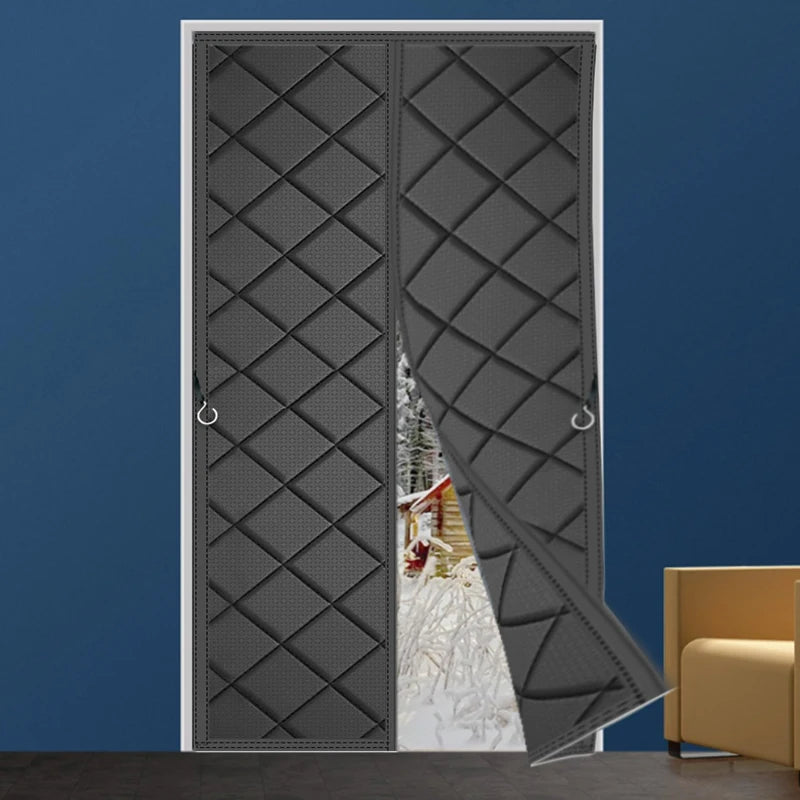
insulated door curtain helping keep house warm in winter — See it in action
Experience immediate comfort with this insulated door curtain today.
Frequently Asked Questions
Do insulated door curtains really work?
Yes. An insulated door curtain helps reduce drafts by creating a barrier over door openings and limiting air movement around gaps. While it does not replace proper insulation or weather stripping, it can noticeably improve indoor comfort and help maintain more stable room temperatures.
What is the best door curtain to keep heat in?
For most homes and apartments, a magnetic thermal door curtain provides the best combination of insulation, automatic sealing, and ease of use. Multi-layer insulated models generally outperform single-layer curtains in colder climates.
Can I use one on a front door?
Yes. Many insulated curtains are specifically designed for front doors and combine thermal performance with an attractive appearance. Choose a size that fully covers the door frame for the best results.
Will it cause condensation?
Under normal indoor conditions, an insulated door curtain should not create condensation problems. If excess moisture appears, it is often related to high indoor humidity or existing ventilation issues rather than the curtain itself.
Do they work with pets?
Yes. Magnetic thermal door curtains are especially popular in homes with pets because the center opening automatically closes after people or animals pass through, helping maintain the thermal seal.
Can they reduce outside noise?
Yes. Although they are not a substitute for dedicated soundproofing products, thicker insulated curtains can help reduce some outdoor noise while also blocking drafts, dust, and insects.
Will they help keep AC inside during summer?
Yes. An insulated door curtain works year-round by helping keep conditioned indoor air inside while reducing the amount of hot outdoor air entering through door gaps.
Are they renter-friendly?
Most models are well suited to renters because they use removable adhesive strips, hook-and-loop fasteners, or tension-mounted systems that require little or no permanent modification.













