

What Is a Ski Mask with Goggles Built In?
A ski mask with goggles built in or an integrated goggle ski helmet combines certified head protection with a visor or permanently matched goggle system. Unlike separate goggles that can shift, leave gaps, or require frequent adjustment, an all-in-one design keeps the lens aligned while improving comfort, warmth, and visibility throughout the day.
For skiers and snowboarders, this integrated approach helps reduce cold wind entering around the forehead and eyes while simplifying gear management—especially during changing weather or repeated lift rides.
⏱ 6 min read
Best Ski Masks with Goggles Built In (2026): Integrated Helmet and Goggle Guide
Whether you're buying your first ski helmet or replacing an older setup, choosing a ski helmet with integrated goggles can make winter sports noticeably more comfortable. Modern all-in-one designs reduce wind exposure, improve anti-fog performance, and eliminate the constant need to readjust separate goggles—all while maintaining reliable impact protection.
A well-designed integrated helmet doesn't simply combine two products—it creates a better seal, more consistent visibility, and a faster, hassle-free skiing experience.
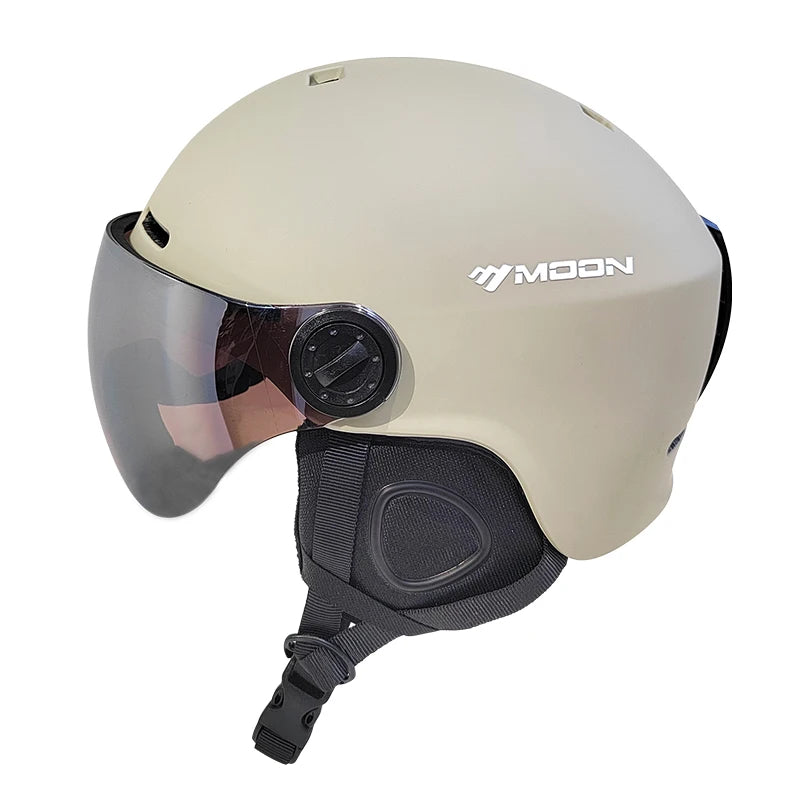
Integrated goggle ski helmet designed for cold weather comfort and clear mountain visibility.
Quick Comparison: Best Ski Helmets with Built-In Goggles
| Category | Recommended Type | Lens | Ventilation | Ideal For | Typical Price |
|---|---|---|---|---|---|
| Best Overall | Integrated visor helmet | Photochromic | Excellent | Most recreational skiers | $180–250 |
| Cold Weather | Thermal insulated helmet | Dual-layer anti-fog | Very Good | Sub-zero conditions | $180–260 |
| Budget | Basic integrated goggle helmet | UV protected | Good | Beginners | $100–160 |
| Snowboarding | Low-profile integrated helmet | Wide panoramic | Excellent | Park and freestyle riding | $170–240 |
Why Integrated Goggles Improve Cold Weather Ski Protection
A traditional helmet and goggles work well when properly fitted, but they can still leave small gaps that allow cold air to circulate around the forehead and eyes. A helmet with built-in goggles minimizes these gaps by keeping the lens positioned consistently against the helmet.
- Better wind sealing around the forehead and upper face.
- Reduced snow entry during windy chairlift rides.
- Less shifting during aggressive skiing or snowboarding.
- Faster gearing up before every run.
The result is improved comfort during long sessions without repeatedly removing or repositioning your goggles.
Lens Technology: Anti-Fog, UV Protection, and Visibility Features
Today's premium integrated systems use many of the same optical technologies found in standalone performance goggles.
- Dual-pane lenses reduce temperature differences that cause condensation.
- Anti-fog coatings help moisture spread evenly instead of forming droplets.
- 100% UVA/UVB protection shields eyes from intense high-altitude sunlight.
- Photochromic lenses automatically adapt to changing light.
- Polarized or high-contrast lenses improve terrain definition in bright snow.
- Integrated ventilation channels continuously move air across the lens.
These features work together to maintain clear vision from the first lift to the final descent.
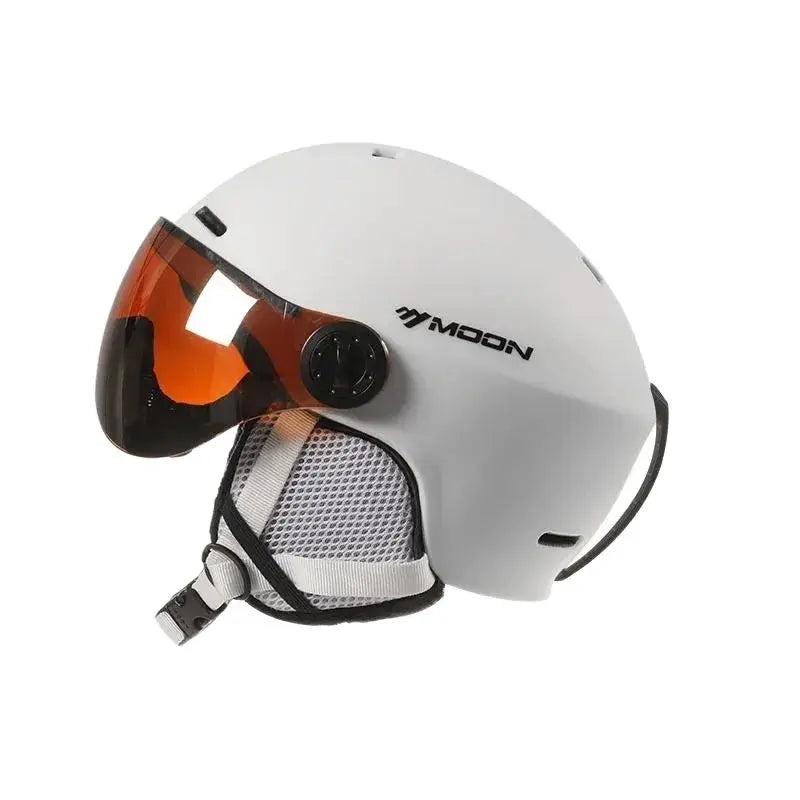
Built-in eye protection keeps vision stable through changing winter conditions.
Comfort, Ventilation, and Face Coverage for All-Day Wear
The best integrated ski helmets balance insulation with airflow rather than focusing on warmth alone.
- Adjustable vents regulate temperature during climbing and downhill runs.
- Moisture-wicking liners reduce sweat buildup.
- Lightweight shells decrease neck fatigue.
- Even pressure distribution improves comfort for full-day skiing.
- Integrated face coverage helps block cold wind without creating excessive heat.
This combination makes modern all-in-one helmets suitable across a wide range of temperatures instead of only extreme winter conditions.
Best Ski Masks with Built-In Goggles Reviewed
Best Overall Integrated Ski Helmet with Goggles
Look for a model combining dual-layer lenses, adjustable ventilation, lightweight construction, and interchangeable visor options. This combination suits the largest variety of skiers.
Best Anti-Fog Ski Helmet Goggles for Snowboarding
Wide-field lenses with generous airflow perform especially well during repeated terrain park laps where body heat and frequent stops increase fogging risk.
Best Cold Weather Ski Helmet with Face Protection
Choose helmets featuring insulated liners, secure ear coverage, and excellent wind sealing for long chairlift rides in freezing temperatures.
Best Budget All-In-One Ski Helmet Goggles
Entry-level integrated helmets provide simplified setup, reliable UV protection, and basic anti-fog performance at an affordable price for occasional skiers.
Best Integrated Goggles for Snowmobile and Winter Sports
High-speed winter activities benefit from wider face coverage, improved wind blocking, and lenses designed for prolonged exposure to cold air.
Integrated Ski Helmet Goggles vs Traditional Helmet and Goggles
| Feature | Integrated Helmet | Separate Helmet & Goggles |
|---|---|---|
| Wind protection | Excellent seal | Small gaps possible |
| Convenience | Single-piece setup | Requires separate adjustment |
| Lens alignment | Consistent | Can shift during movement |
| Customization | Moderate | Highest flexibility |
| Packing | One item | Multiple pieces |
Who Should Buy an Integrated Ski Helmet with Goggles?
An all-in-one ski helmet works especially well for:
- Beginners wanting the simplest possible setup.
- Regular resort skiers seeking greater convenience.
- Snowboarders needing stable goggles during movement.
- Families looking for gear that's quick to put on.
- Snowmobilers exposed to sustained cold wind.
Advanced athletes who frequently swap specialized race lenses may still prefer separate premium goggles for maximum flexibility.
How to Choose the Right Integrated Ski Helmet Fit
Sizing and Head Shape Compatibility
- Measure head circumference above the eyebrows.
- Select the manufacturer size accordingly.
- Adjust the rear dial until the helmet feels secure without pressure points.
Helmet and Eyeglasses Compatibility
If you wear prescription glasses, verify that the visor offers enough clearance without pressing the frames against your face.
Face Coverage and Weather Considerations
Frequent skiers in colder climates may prefer larger integrated visors and insulated liners, while spring skiers often prioritize ventilation.
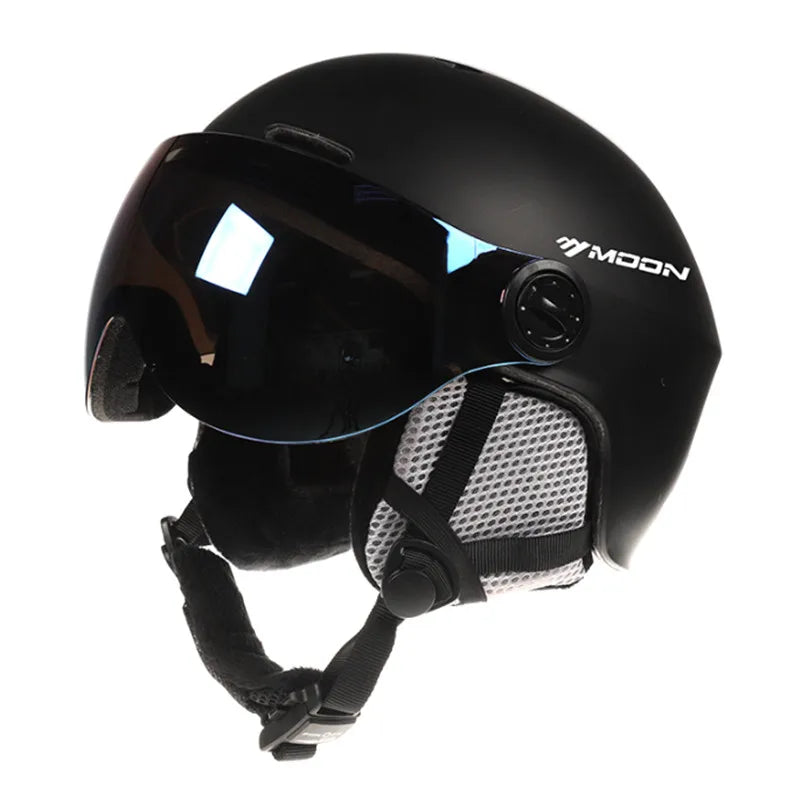
A properly fitted integrated helmet delivers consistent comfort throughout the season.
Materials, Durability, and Maintenance Tips
How to Clean Integrated Goggle Lenses
Use only a clean microfiber cloth after allowing moisture to dry naturally. Avoid paper towels or abrasive fabrics that may damage protective coatings.
How to Prevent Scratches and Fogging
Store the helmet inside a protective bag, avoid wiping wet lenses aggressively, and keep ventilation ports free from packed snow.
When to Replace Ski Helmet Goggles
Replace lenses that become heavily scratched or lose optical clarity. Helmets should also be replaced after significant impacts or when recommended by the manufacturer.
Frequently Asked Questions About Ski Helmets with Built-In Goggles
Does an integrated goggle ski helmet reduce fog?
Yes. Dual-pane lenses, anti-fog coatings, and controlled airflow significantly reduce condensation compared with many traditional setups.
Are ski helmets with built-in goggles safer?
The helmet's impact protection depends on its safety certification. Built-in goggles mainly improve convenience, visibility, and weather protection rather than increasing impact resistance.
Can I wear glasses with a ski helmet with integrated goggles?
Many visor-style helmets accommodate prescription glasses more comfortably than standard goggles, although clearance varies by design.
Are integrated ski helmet lenses replaceable?
Many premium models offer interchangeable or replacement lenses for changing light conditions or normal wear.
What is the difference between a ski helmet visor and goggles?
A visor remains attached to the helmet and moves with it, while traditional goggles are independent accessories secured by an elastic strap.
How do I clean and maintain built-in ski goggles?
Allow moisture to dry naturally, clean with a microfiber cloth, store in a protective case, and avoid touching the inside anti-fog coating whenever possible.
Final Recommendations: Choosing the Best Ski Mask with Goggles Built In
If convenience, warmth, and consistently clear vision matter most, an integrated ski helmet with goggles is one of the easiest upgrades you can make for winter sports. Beginners appreciate the simplified setup, while experienced skiers benefit from reduced wind exposure, dependable anti-fog performance, and reliable comfort during long days on the mountain.
Prioritize proper fit, certified impact protection, effective ventilation, and lens quality before choosing cosmetic features. With the right combination, an all-in-one helmet can deliver comfortable, confident performance season after season.













