

Is Polyurethane Leather Real Leather? Here’s What Brands Don’t Say
Quick Answer: Is PU Leather Real Leather?
No, PU leather (polyurethane leather) is not real leather. It is a synthetic material made by coating a fabric base with polyurethane to imitate the look and feel of genuine leather.
While it can look similar to real leather, PU leather contains no animal hide and is classified as faux leather or synthetic leather .
However, PU leather can still be durable, water-resistant, and affordable, making it a popular alternative in furniture, fashion, and accessories.
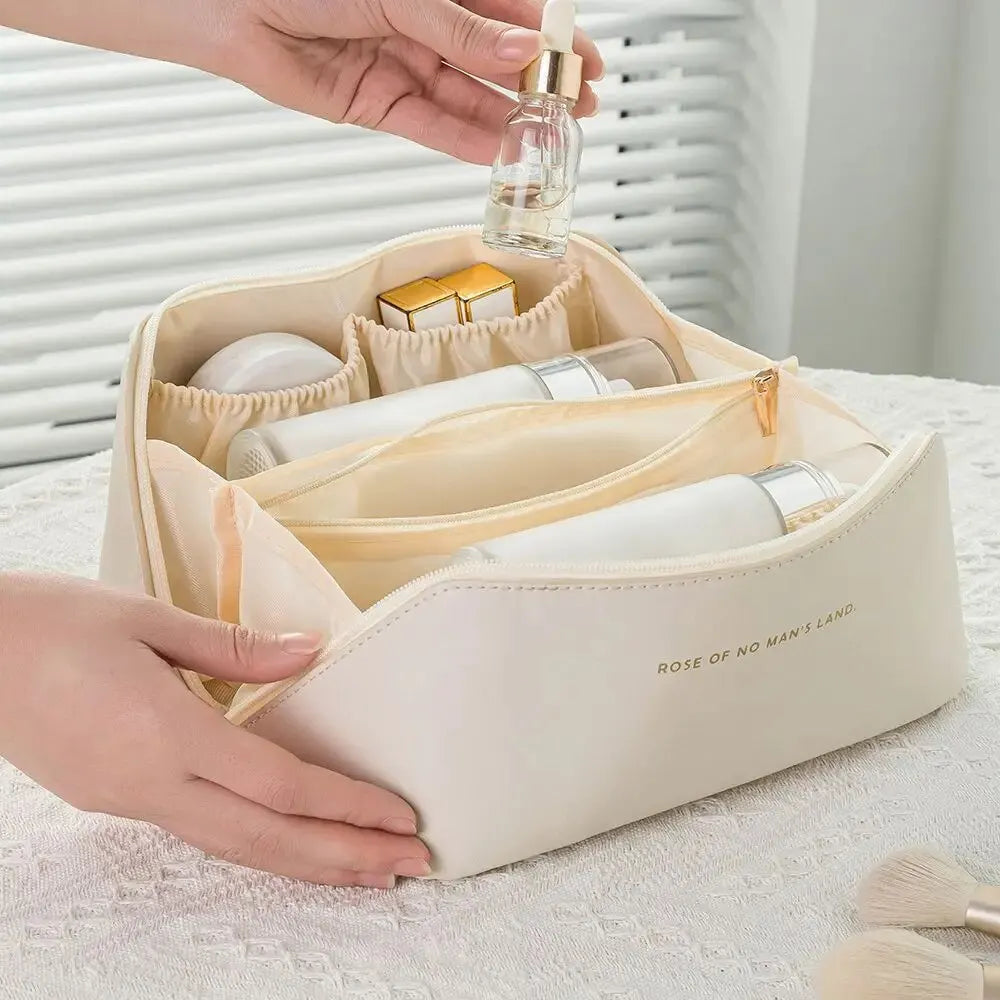
See it in action: is polyurethane leather real leather? The KentDO Organizer redefines expectations.
What Is Polyurethane Leather, Really?
Polyurethane leather, commonly called PU leather , is a synthetic material designed to mimic genuine leather. It is made by applying a layer of polyurethane plastic onto a fabric backing such as polyester or cotton.
Unlike real leather, which comes from animal hides, PU leather is entirely man-made. Its surface is engineered to replicate the texture, grain, flexibility, and appearance of natural leather.
Because of this structure, PU leather falls under the category of faux leather, imitation leather, or synthetic leather .
Is Polyurethane Leather Real Leather?
Polyurethane leather is not real leather. Real leather must come from animal hide, while PU leather is a plastic-based synthetic alternative.
Even though PU leather is often marketed as “leather” in product listings, it does not contain any natural leather material.
The confusion comes from its appearance, which can closely resemble genuine leather, especially in high-quality PU formulations.
How PU Leather Is Made
PU leather is manufactured through a multi-layer process designed to replicate the structure of real leather while remaining fully synthetic.
1. Fabric Backing Layer
A base layer is created using polyester or cotton fabric, which provides strength, flexibility, and support for the finished material.
2. Polyurethane Coating
A liquid polyurethane layer is applied to the fabric. This coating forms the smooth “leather-like” surface that gives PU leather its appearance and feel.
3. Embossing Texture
The surface is pressed with grain patterns to imitate the natural texture found on animal leather.
4. Coloring and Finishing
Pigments and protective coatings are added to improve color consistency, stain resistance, durability, and water resistance.
PU Leather vs Real Leather: Full Comparison
| Feature | PU Leather | Real Leather |
|---|---|---|
| Material | Polyurethane + fabric backing | Animal hide |
| Durability | Medium (may peel over time) | High (can last decades) |
| Breathability | Low | High |
| Cost | Low | High |
| Maintenance | Easy to clean | Requires conditioning |
| Water Resistance | Good | Moderate |
| Sustainability | Petroleum-based synthetic | Animal-based, biodegradable properties vary |
How Does PU Leather Compare to Real Leather?
The main difference between PU leather and real leather comes down to material origin, aging, and long-term performance.
PU leather offers a lower-cost option with a consistent appearance and easy cleaning. However, it usually lacks the breathability and natural aging process of genuine leather.
Real leather develops character over time, often becoming softer and forming a natural patina. PU leather generally maintains its original look until the surface coating begins to wear down.
Why Do Brands Prefer PU Leather?
Many beauty, fashion, and lifestyle brands choose PU leather because it provides manufacturing advantages:
- Lower production costs compared with genuine leather
- Faster and more scalable manufacturing
- Consistent colors, textures, and finishes
- A non-animal alternative for customers seeking vegan options
- Easier cleaning and maintenance for everyday products
For brands producing large quantities, PU leather offers flexibility in design and supply chain management.
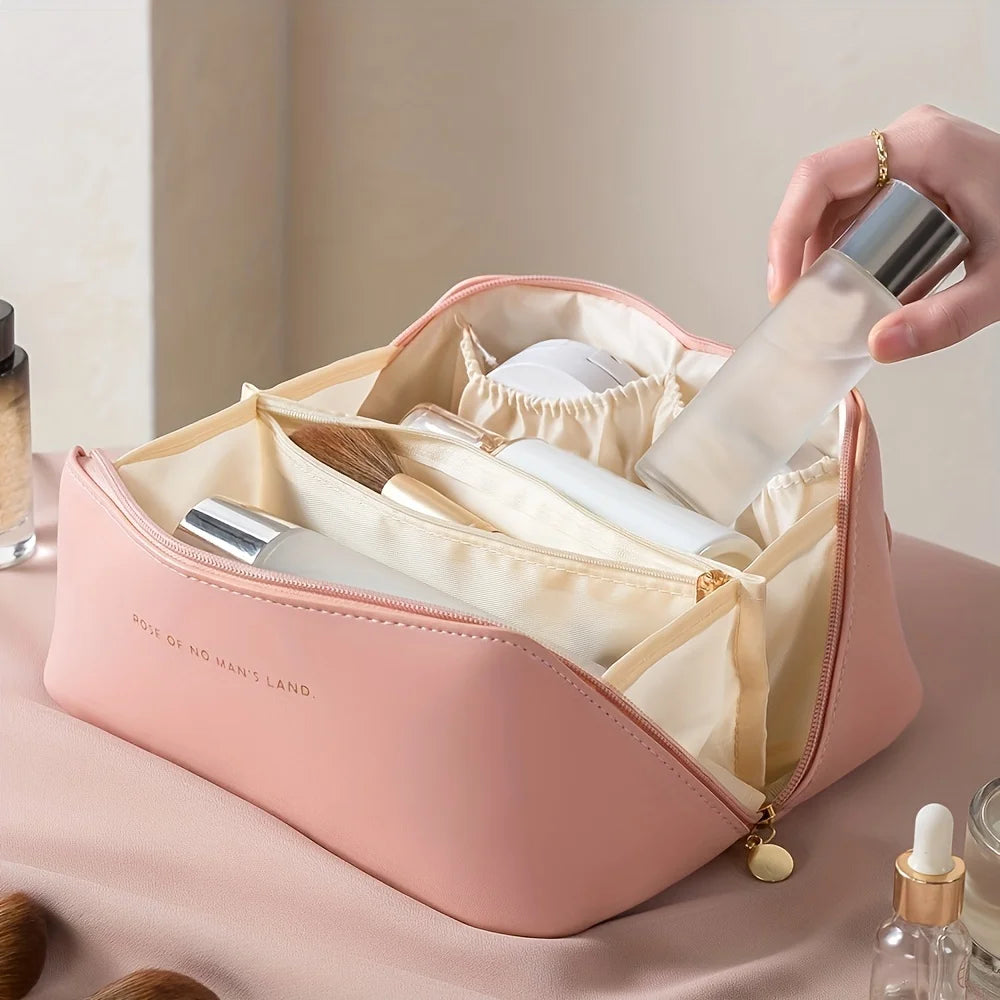
Faux or forever? See how PU leather performs in this elegant travel case.
PU Leather vs Faux Leather vs Vegan Leather vs Bonded Leather
These terms are often used interchangeably, but they are not identical.
- PU leather: Polyurethane-coated synthetic leather.
- Faux leather: A general term for synthetic leather alternatives, including PU and PVC.
- Vegan leather: A marketing term for non-animal leather alternatives, often made from PU.
- Bonded leather: A material made from shredded leather scraps mixed with adhesives.
Understanding these labels helps shoppers know whether they are buying genuine leather, synthetic leather, or a combination material.
Is PU Leather Safe or Toxic?
PU leather is generally considered safe for everyday use in furniture, clothing, and accessories.
However, because it is made from polyurethane, a plastic-based material, lower-quality products may release small amounts of volatile organic compounds (VOCs) during manufacturing or when new.
High-quality PU leather that meets safety standards is typically non-toxic once fully cured and is considered safe for normal skin contact.
PU Leather Durability: How Long Does It Last?
PU leather typically lasts between 2–5 years depending on quality, usage, storage conditions, and care.
Common wear patterns:
- Peeling on high-friction areas such as sofas, armrests, and handles
- Cracking caused by heat, dryness, or repeated bending
- Fading after prolonged sunlight exposure
For lighter-use items like organizers, wallets, and accessories, PU leather can last longer. However, it generally does not match the lifespan of genuine leather.
How to Identify PU Leather vs Genuine Leather
- Smell: Real leather has a natural animal-hide smell, while PU often has a plastic-like scent.
- Texture: Genuine leather has irregular grain patterns; PU usually looks more uniform.
- Flexibility: Real leather wrinkles naturally, while PU may create sharper creases.
- Edges: Cut edges on PU may reveal fabric layers underneath.
- Water test: Real leather may absorb small amounts of water, while PU usually repels it.
Avoid using a burn test on valuable products because heat can permanently damage materials and finishes.
Who Should Avoid PU Leather?
Polyurethane leather may not be the best choice if you:
- Want heirloom-level quality
- Need furniture or accessories designed to last decades
- Prefer natural materials with aging characteristics
- Are highly sensitive to synthetic odors or chemical finishes
For shoppers focused on affordability, easy cleaning, and modern design, PU leather can still be a practical choice.
Where PU Leather Works Best
- Fashion bags and wallets
- Budget-friendly sofas and furniture
- Car interiors in mid-range vehicles
- Jackets and accessories
- Decorative items and organizers
PU leather is best suited for cost-effective and low-maintenance applications rather than products intended as lifetime luxury investments.
Our Verdict: Is PU Leather Worth It?
So, is polyurethane leather real leather? No. PU leather is a synthetic alternative designed to replicate the appearance of genuine leather.
Whether it is worth buying depends on your priorities. If you want affordability, easy maintenance, and a stylish appearance, PU leather can be a smart option. If you want maximum durability and natural aging, genuine leather remains the stronger choice.
For everyday accessories like a makeup bag , high-quality PU leather can provide a practical balance of style, protection, and convenience.
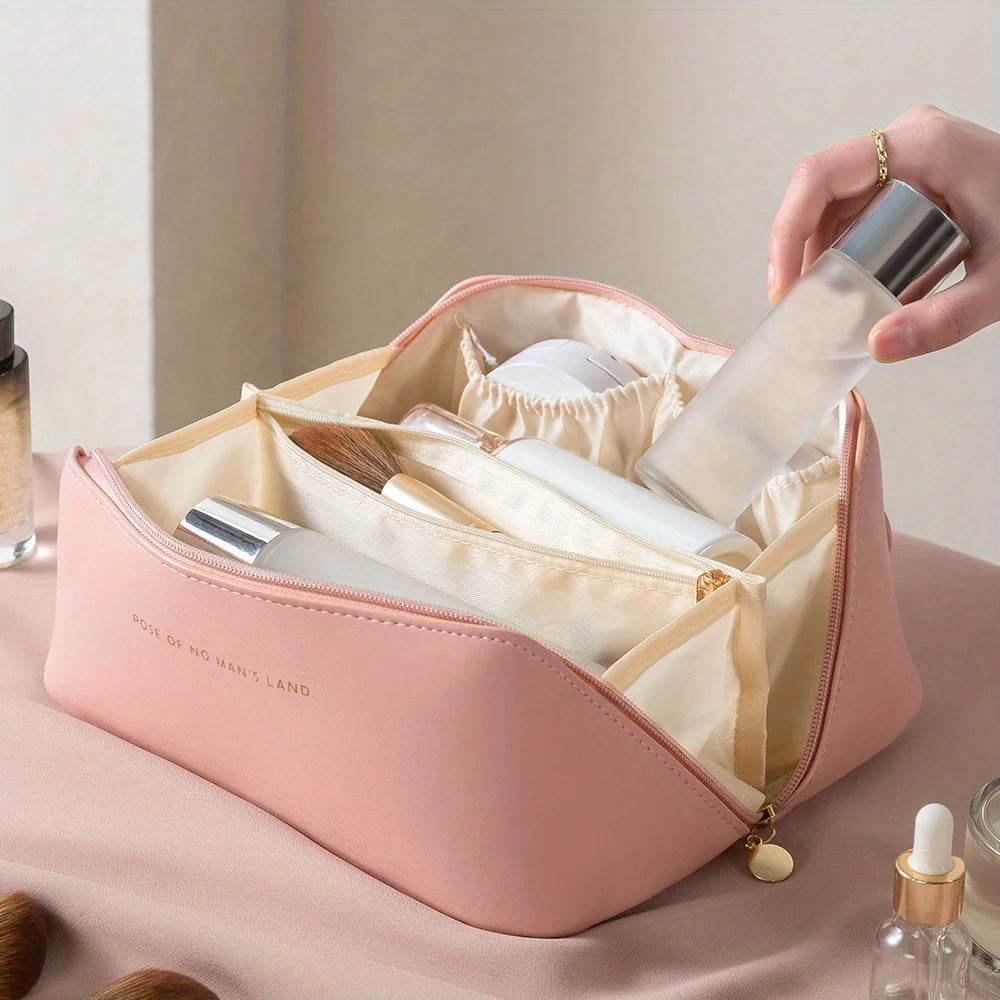
Not all PU leather is created equal. See how KentDO breaks the mold.
FAQ
Is PU leather fake leather?
Yes. PU leather is a type of faux leather made from synthetic polyurethane material.
Is polyurethane leather real leather?
No. It does not contain animal hide and is fully synthetic.
Is polyurethane leather safe?
Yes, high-quality PU leather is generally safe for everyday use once fully manufactured and cured.
Is polyurethane leather toxic?
PU leather is not considered inherently toxic, but low-quality materials may release VOCs during production or when new.
Does PU leather peel easily?
Lower-quality PU leather can peel over time, especially with frequent use, heat exposure, or poor storage conditions.
Is PU leather better than real leather?
PU leather is cheaper and easier to maintain, but real leather is usually more durable, breathable, and longer-lasting.
What is the difference between vegan leather and PU leather?
Vegan leather is a broad term for non-animal leather alternatives. PU leather is one of the most common types of vegan leather.
PU leather vs genuine leather: which should I choose?
Choose PU leather for affordability and low maintenance. Choose genuine leather for durability, breathability, and long-term use.













