

How to Keep Warm in an RV Overnight Without Wasting Power
Keeping warm overnight in an RV is easiest when you reduce heat loss before bedtime, use layered bedding, choose low-power heating, and match your strategy to your camping setup. Whether you're plugged into shore power or boondocking, combining insulation, smart battery management, and targeted warmth helps you sleep comfortably without draining your batteries.
Keeping Warm Overnight in an RV: Proven Strategies for Cold Nights
Cold nights can turn RV adventures into restless marathons. If you've ever woken up shivering at 3 a.m., wondering how to stay cozy without draining your batteries or burning through propane, you're not alone. Fortunately, keeping warm overnight in an RV is much easier when you focus on preventing heat loss instead of simply producing more heat.
⏱ 5 min read
Layered comfort makes keeping warm overnight RV life easier. See it in action.
Quick Overnight Warmth Checklist
- Seal window, door, vent, and slide-out drafts before sunset.
- Preheat the RV while power demand is less critical.
- Wear thermal sleepwear and layer blankets instead of using one heavy comforter.
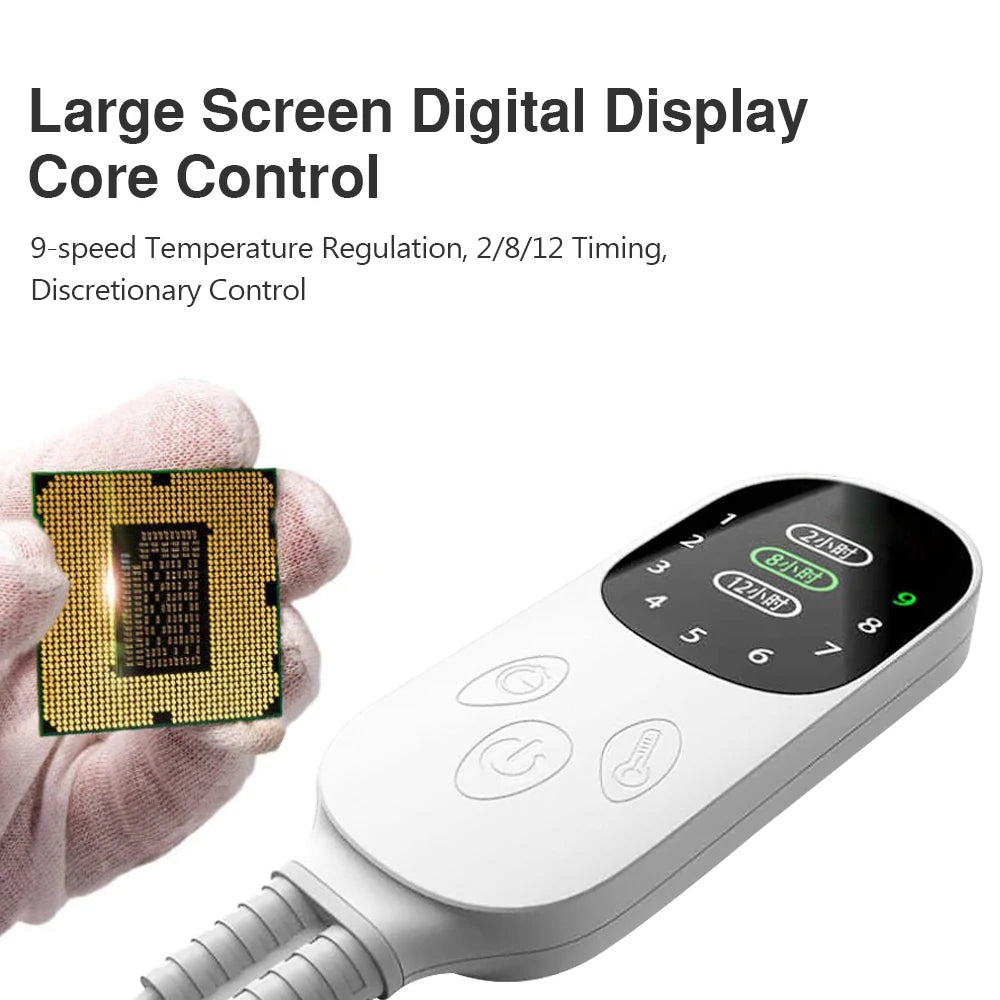
- Use targeted heating like a low-voltage blanket overnight.
- Monitor battery voltage or propane levels before going to sleep.
- Reduce condensation with controlled ventilation.
Choose Your Strategy: Hookups vs Boondocking
If you're connected to shore power, electric heaters can supplement your furnace efficiently. For boondocking, conserving battery power becomes the priority, making insulation, passive heat retention, and low-voltage heating solutions far more effective than running high-wattage appliances all night.
Why RVs Get Cold So Quickly at Night
Where Heat Escapes: Windows, Floors, Vents, Slide-Outs
RVs lose heat much faster than traditional homes because of thinner insulation. Windows, roof vents, entry doors, slide-outs, and exposed floors all become major pathways for heat loss. Adding reflective window insulation, weatherstripping, rugs, and insulated vent cushions can noticeably improve overnight comfort while reducing furnace cycling.
How Outside Temperature and Humidity Affect Comfort
Cold outdoor temperatures naturally increase heat transfer through RV walls. Wind further accelerates heat loss, while high humidity makes cool air feel colder against your skin. Parking where the RV is sheltered from prevailing winds can improve warmth before any heater is switched on.
Why Condensation Makes You Feel Colder
Moisture from breathing, cooking, and showering condenses on cold surfaces overnight. Besides creating damp bedding and windows, condensation increases the sensation of cold. Crack a roof vent slightly, use moisture absorbers, and dry wet surfaces each morning to maintain a warmer sleeping environment.
Step-by-Step: How to Stay Warm Sleeping in an RV
Seal Drafts Before Sunset
Spend a few minutes before dark sealing obvious air leaks. Close window shades, insert vent pillows, block drafts beneath doors, and install temporary insulation panels where practical. Preventing heat loss is usually more efficient than generating additional heat.
Instead of maintaining a high interior temperature all night, warm the RV before bed, then lower the thermostat a few degrees while relying on insulated bedding. This approach reduces propane consumption and minimizes battery drain from the furnace blower.
Upgrade Bedding and Sleepwear
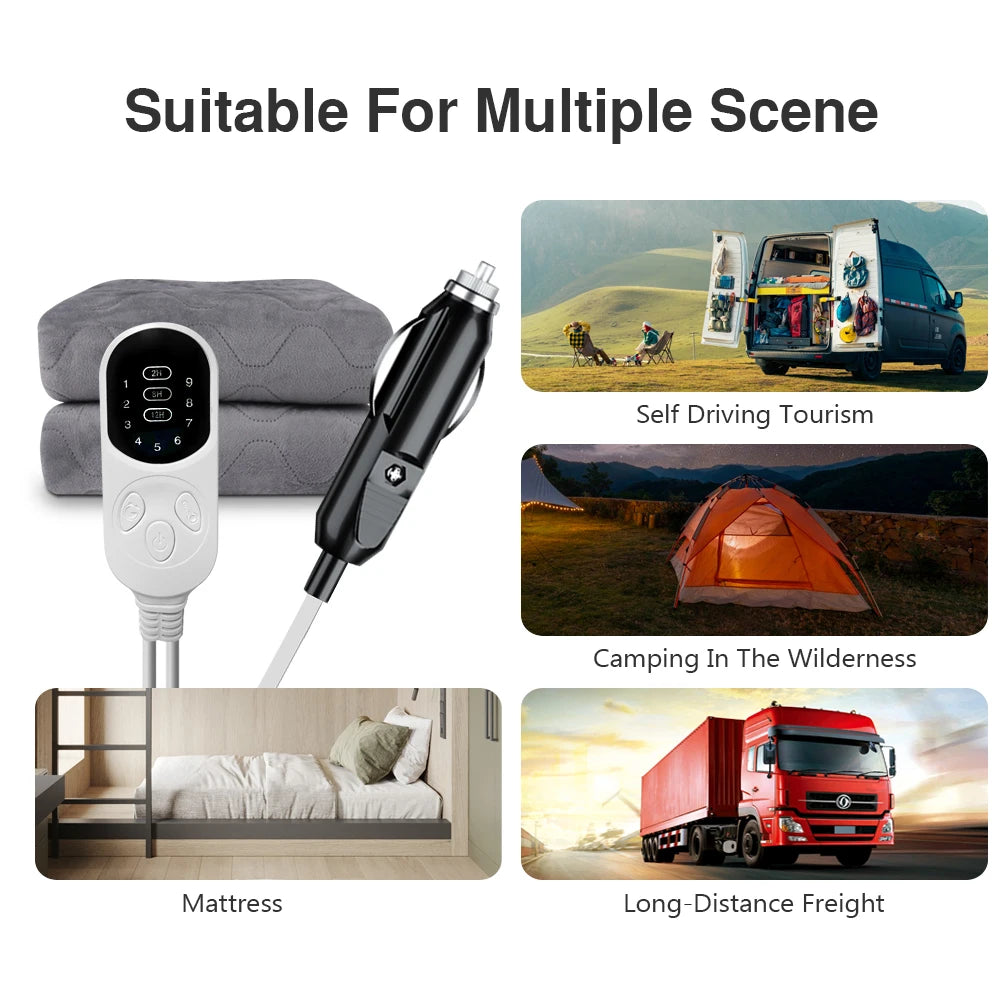
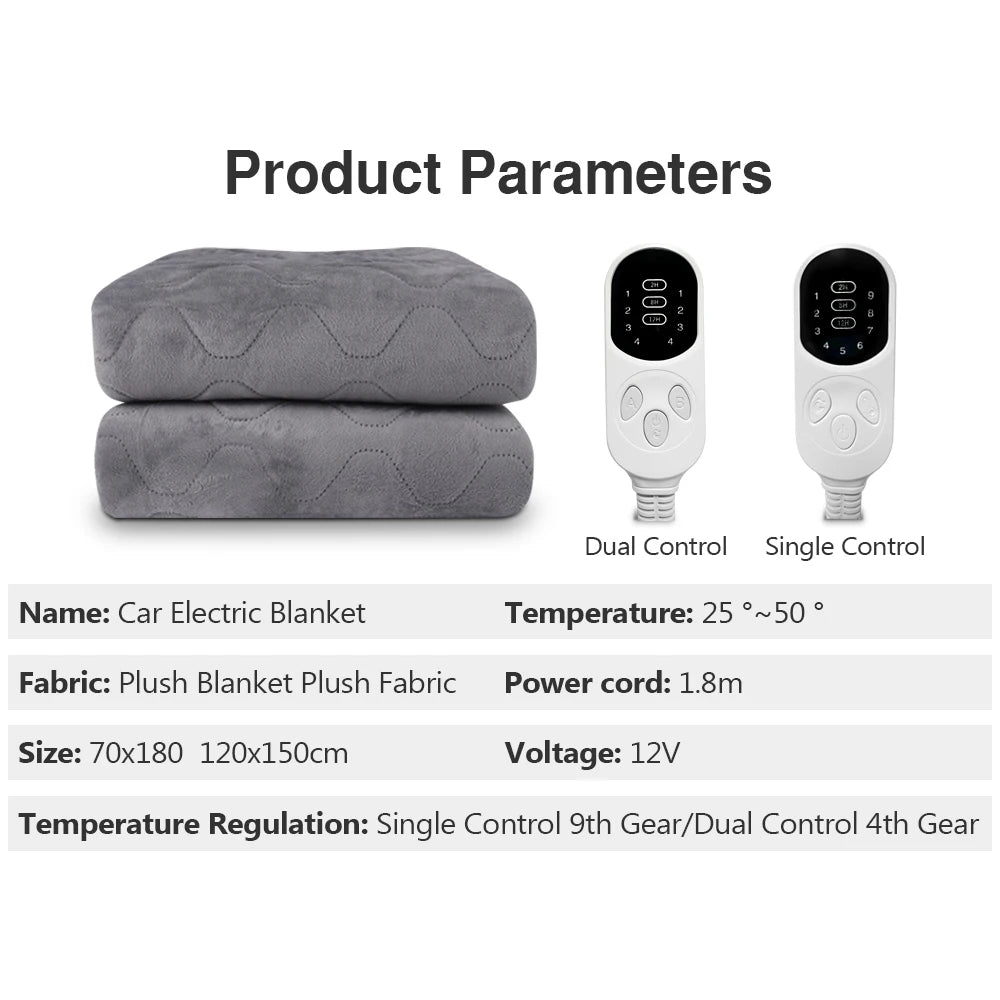
Thermal base layers, wool socks, insulated pajamas, and layered blankets trap body heat efficiently. Many experienced RV campers also use a 12V electric blanket to provide direct warmth without heating unused air inside the RV.
Prevent Condensation While Sleeping
Maintain a small amount of airflow throughout the night, especially after cooking or showering. Balanced ventilation keeps humidity under control without sacrificing excessive warmth.
Targeted warmth beats noisy heaters during cold-weather RV camping. See it in action.
Best Heating Strategy for Every Camping Situation
Full Hookups
With campground electricity available, combine a small electric space heater for evening comfort with your RV furnace only when necessary. This reduces propane usage while maintaining steady temperatures.
Boondocking Without Hookups
Prioritize insulation, layered clothing, sleeping bags, and low-voltage heated blankets. Reserve furnace use for brief periods before bedtime and in the early morning to maximize battery life.
Generator Camping
Run generators during permitted hours to recharge batteries and warm the RV before quiet hours begin. Overnight, switch to low-power heating methods that don't require generator operation.
Emergency Furnace Backup
Carry extra blankets, insulated sleeping bags, and backup power solutions. Having multiple layers of protection ensures comfort even if your primary heating system becomes unavailable.
Safe RV Heating Methods Compared
| Heating Method | Warmth | Power/Fuel Use | Best For | Overnight Use |
|---|---|---|---|---|
| RV Furnace | Excellent | Moderate propane + battery | Whole RV heating | ✅ |
| Electric Space Heater | High | High electricity | Full hookups | ⚠️ |
| Catalytic or Propane Heater | High | Low electricity | Supplemental heating | ⚠️ Ventilation required |
| Low-Voltage Heated Blanket | Excellent | Very low | Targeted overnight warmth | ✅ |
RV Furnace
The furnace provides even heating throughout the RV and helps protect plumbing in freezing weather, but frequent cycling increases propane consumption and battery use.
Electric Space Heater
Ideal when plugged into shore power. Choose certified models with tip-over protection and automatic shutoff features.
Catalytic or Propane Heater
These heaters produce effective radiant warmth but require proper ventilation and carbon monoxide protection. Follow manufacturer instructions carefully.
Low-Voltage Heated Blanket
Targeted body warmth is one of the most energy-efficient ways to stay comfortable overnight. Rather than heating the entire RV, a low-voltage heated blanket focuses warmth where it's needed most while minimizing battery consumption.
Battery and Propane Management for Cold Nights
Estimating Overnight Power Use
Before bedtime, estimate the overnight draw from your furnace blower, lighting, fans, and heated bedding. Keeping overall consumption predictable helps avoid unexpectedly depleted batteries by morning.
Reducing Furnace Cycling
Better insulation, warmer bedding, and lowering the thermostat slightly reduce how often the furnace turns on overnight, extending both propane supplies and battery runtime.
Monitoring Propane Levels
Cold weather increases propane demand significantly. Check tank levels before overnight temperatures drop and refill early rather than waiting until they're nearly empty.
Many travelers explore comfort-focused gear in the Lifestyle collection to support longer, quieter winter stays without constant recharging.
What to Do at 40°F, 30°F, 20°F, and Below Freezing
Cool Nights Around 40°F
Layer bedding, wear thermal sleepwear, close window coverings, and preheat the RV before bed. Many campers won't need continuous furnace operation at these temperatures.
Freezing Temperatures Around 30°F
Increase insulation around windows and vents, monitor propane levels carefully, and consider combining furnace use with low-voltage personal heating for better efficiency.
Extreme Cold Preparation Below 20°F
Protect exposed plumbing, monitor batteries frequently, inspect propane supplies, and avoid relying on a single heating source. Severe cold requires multiple overlapping strategies for both comfort and safety.
Sleep deeper with electric travel blankets designed for RV life. See it in action.
Emergency Plan if Your RV Furnace Stops Working
Stay Warm Safely
Add clothing layers immediately, use insulated sleeping bags, close off unused areas, and rely on approved low-power heating equipment if available.
Protect Pipes Overnight
If temperatures continue dropping, open cabinet doors around plumbing, drain vulnerable water lines when necessary, and monitor freezing risks until repairs can be made.
Know When to Leave the RV
If interior temperatures become unsafe or heating systems fail during severe weather, relocate to a heated shelter rather than risking cold-related injury.
Frequently Asked Questions
How do I keep my RV warm overnight without hookups?
Focus on insulation, layered bedding, sealing drafts, and targeted low-power heating. Minimize furnace runtime by trapping existing heat inside the RV.
Is it safe to sleep with an electric blanket in an RV?
Yes. RV-compatible low-voltage electric blankets designed for continuous use are generally suitable when used according to the manufacturer's instructions.
How much propane does an RV furnace use overnight?
Consumption varies by furnace size, outdoor temperature, insulation quality, and thermostat settings. Better insulation and fewer heating cycles significantly reduce overnight propane usage.
What temperature should I keep my RV at night in winter?
Many RV owners sleep comfortably with indoor temperatures between 60°F and 68°F, depending on bedding, clothing, and personal preference.
How do I stop condensation while staying warm in an RV?
Maintain slight ventilation, reduce indoor moisture, use vent cushions where appropriate, and wipe away condensation before it accumulates.
Can a low-voltage heated blanket replace the furnace?
For many overnight situations, it can reduce furnace use substantially by heating the sleeper instead of the entire cabin. During extreme cold, however, the furnace may still be needed to protect the RV and plumbing.
What's the safest backup heat if the RV furnace fails?
Extra insulation, quality sleeping bags, layered bedding, and certified low-power heating devices provide the safest temporary backup while arranging repairs.
How can I reduce battery drain during cold-weather camping?
Improve insulation, reduce furnace cycling, monitor battery voltage, use efficient LED lighting, and rely on low-voltage heating wherever possible.
Related Guide: Step-by-Step Guide to Using a Heating Blanket Dual Control













