

Kerosene Heater Indoor Safety: Are Kerosene Heaters Safe to Use Indoors?
Kerosene heaters can be used indoors , but only when they are designed for indoor use, operated exactly as directed by the manufacturer, and paired with adequate ventilation. Indoor kerosene heater safety depends far more on how the heater is used than simply whether it burns kerosene.
The biggest hazards are carbon monoxide (CO) , oxygen depletion, fire, and poor indoor air quality. These risks increase dramatically in tightly sealed rooms, when the heater is left unattended, or when incorrect fuel or poor maintenance leads to incomplete combustion.
When indoor use can be reasonably safe
- In a room with continuous fresh-air ventilation
- When a working carbon monoxide detector is installed nearby
- When only clean, manufacturer-recommended kerosene is used
- When the heater is placed on a stable, nonflammable surface
- When an adult actively supervises operation
When indoor use is unsafe
- In sealed or poorly ventilated rooms
- While occupants are sleeping
- When children or pets may accidentally contact the heater
- If the heater produces excessive smoke, soot, or strong fuel odors
- When using gasoline, diesel, or contaminated fuel
Vented vs. unvented kerosene heaters
Vented kerosene heaters exhaust combustion gases outdoors through a flue, making them a safer choice for long-term indoor heating when professionally installed. Portable unvented kerosene heaters release combustion byproducts directly into the room, which is why they require continuous ventilation and careful monitoring. Always verify whether your specific model is rated for indoor use before operating it inside.
Kerosene Heater Safety Guide for Confident Indoor Heating
Kerosene heater safety is the difference between enjoying dependable warmth and exposing your household to preventable hazards. Whether you're heating your home during a winter storm or using a backup heater during a power outage, following proven safety practices helps reduce the risks associated with combustion heating.
⏱ 8 min read
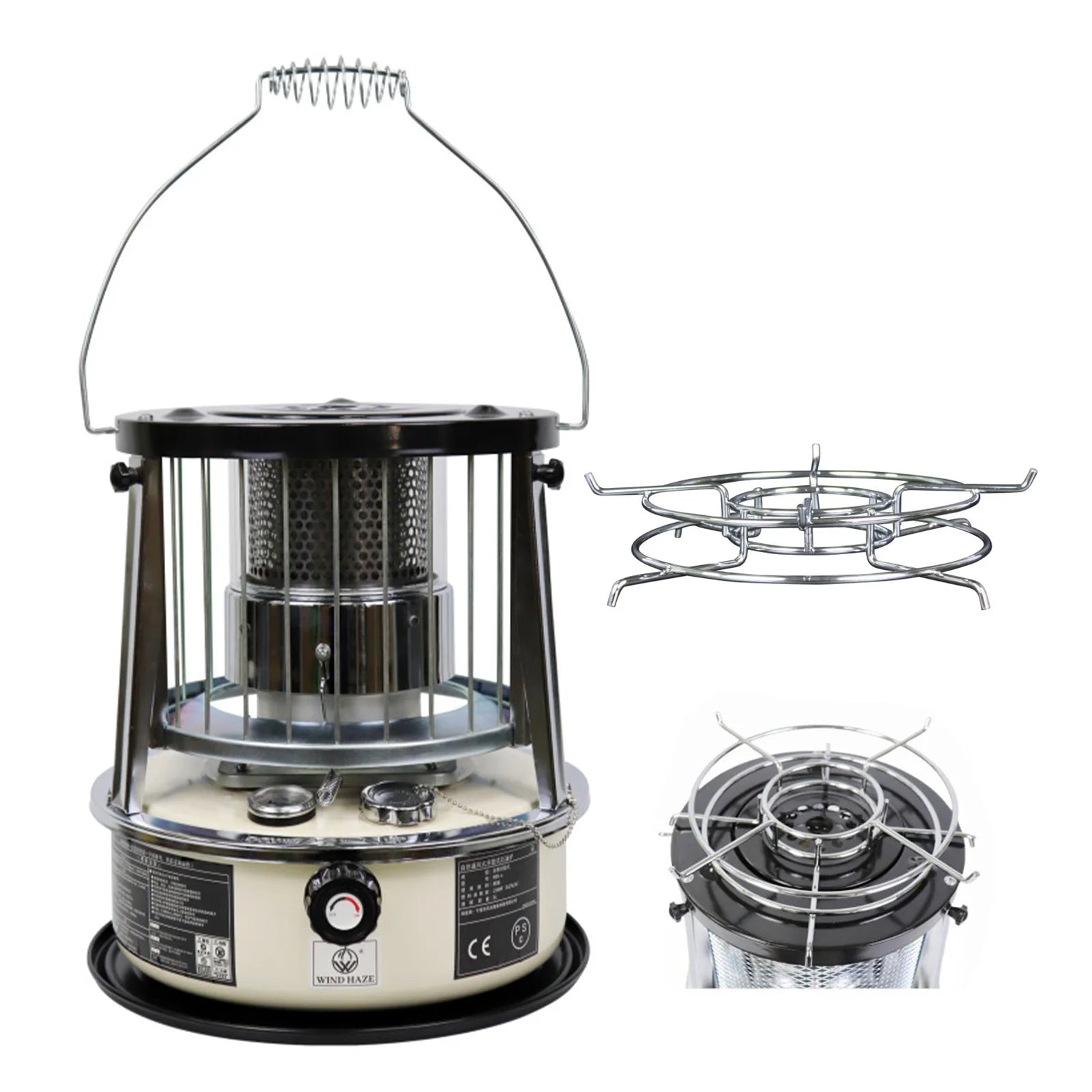
Kerosene heater safety starts with awareness, ventilation, and proper operation.
How Kerosene Heaters Work and Why Safety Risks Exist
Kerosene heaters generate warmth by burning liquid fuel. Because combustion occurs inside the heater, every operating unit consumes oxygen and produces combustion gases. Understanding this process helps explain why proper ventilation is essential.
Combustion and oxygen consumption
During normal combustion, oxygen from the room combines with kerosene to create heat, water vapor, and carbon dioxide. As oxygen levels decline in an enclosed area, combustion efficiency can decrease, increasing the chance of harmful emissions.
Do kerosene heaters emit carbon monoxide?
Yes. Kerosene heaters can emit carbon monoxide , especially when combustion becomes incomplete because of restricted airflow, poor maintenance, contaminated fuel, or improper operation. Carbon monoxide cannot be seen or smelled, making a working CO detector one of the most important safety devices in the home.
Indoor air pollutants beyond CO
Besides carbon monoxide, kerosene heaters may increase indoor humidity, produce fine particulates, and release small amounts of nitrogen oxides and combustion odors. Proper ventilation helps dilute these pollutants while improving overall indoor air quality.
Do Kerosene Heaters Need Ventilation?
Yes. If you're asking, " Does a kerosene heater need ventilation? " the answer is almost always yes for portable unvented models. Fresh air helps replace consumed oxygen while reducing carbon monoxide and other combustion byproducts.
Why ventilation is essential
Without adequate airflow, dangerous gases can accumulate while oxygen levels gradually decrease. Even if the heater appears to operate normally, indoor air quality may become unsafe over time.
How much ventilation is recommended
- Slightly open a window or exterior door to allow fresh air inside.
- Create cross-ventilation whenever practical by opening another airflow point.
- Never block the heater's air intake or safety features.
- Follow the ventilation guidance provided by the heater manufacturer.
Signs your room lacks adequate airflow
- Persistent headaches or dizziness
- Eye or throat irritation
- Condensation collecting on windows
- Noticeable soot or smoke
- A strong fuel odor that does not quickly dissipate
Step-by-Step Guide: How to Safely Use a Kerosene Heater Indoors
Before lighting the heater
- Read the owner's manual completely.
- Inspect the heater for visible damage, leaks, or excessive soot.
- Confirm that carbon monoxide and smoke detectors are working.
- Place the heater on a level, stable surface away from curtains, furniture, bedding, and traffic areas.
- Verify adequate ventilation before ignition.
Safe operation during use
- Keep children and pets a safe distance away.
- Never move the heater while it is operating.
- Monitor the flame for stable, clean combustion.
- Do not leave the heater unattended.
- Continue providing fresh air throughout operation.
Proper shutdown procedure
Turn the heater off according to the manufacturer's instructions and allow it to cool completely before moving, storing, or refueling. Never add fuel to a hot heater, as spilled kerosene can ignite.
The Biggest Indoor Kerosene Heater Hazards
Carbon monoxide poisoning
Carbon monoxide poisoning remains the most serious danger associated with indoor kerosene heater use. Early symptoms often resemble the flu, including headache, dizziness, nausea, weakness, and confusion. Continued exposure can quickly become life-threatening.
Fire and burn hazards
Kerosene heaters produce high temperatures capable of igniting nearby combustible materials. Maintain the manufacturer-recommended clearance from walls, furniture, curtains, paper products, and other flammable items.
Fuel vapor and indoor air quality
Fuel spills, contaminated kerosene, poor combustion, or neglected maintenance may create unpleasant odors, soot, and airborne pollutants. Regular cleaning and proper fuel handling help minimize these issues.
Fuel, Refueling, Storage, and Maintenance
Using the correct fuel
Use only clean, high-quality kerosene that matches your heater manufacturer's specifications. Never substitute gasoline, diesel, or other fuels, as doing so creates an extreme fire and explosion hazard.
Safe refueling practices
- Turn the heater off completely.
- Allow it to cool before opening the fuel tank.
- Refuel outdoors whenever possible.
- Clean up spills immediately.
- Keep ignition sources away during refueling.
Storage and maintenance schedule
- Store fuel in approved, clearly labeled containers.
- Keep containers away from living spaces and heat sources.
- Inspect the wick, fuel tank, and burner regularly.
- Remove soot buildup according to manufacturer recommendations.
- Replace worn components as recommended.
Carbon Monoxide Detectors and Emergency Response
Where to place CO detectors
Install carbon monoxide detectors on every level of the home and outside sleeping areas. Follow the detector manufacturer's installation instructions regarding height and placement, and test alarms regularly.
Symptoms of carbon monoxide exposure
- Headache
- Dizziness
- Nausea
- Weakness
- Confusion
- Shortness of breath
What to do in an emergency
If a carbon monoxide alarm activates or anyone develops symptoms of possible CO exposure, turn off the heater if it can be done safely, move everyone into fresh air immediately, call emergency services, and seek prompt medical evaluation. Do not re-enter the building until it has been declared safe.
When Is It Appropriate to Use a Kerosene Heater Indoors?
Emergency heating
Kerosene heaters are commonly used as temporary backup heat during winter storms and power outages when central heating is unavailable. Even during emergencies, ventilation and carbon monoxide monitoring remain essential.
For broader emergency preparedness, you may also find these guides helpful:
- Portable Outdoor Gas Heater: Best Picks for Camping, Tents & Van Life (2026 Guide)
- Reliable Gas Stove for Power Outage: Safe Emergency Cooking Guide
- Home Setup for Frequent Power Outages: Complete Guide to Reliable Backup Power
- Pure Sine Wave Benefits: How Clean Power Protects Your Appliances
Daily home heating
Although some homeowners use kerosene heaters during cold weather, they are generally better suited as supplemental or temporary heat sources rather than a primary everyday heating system.
Bedrooms, apartments, garages, and small rooms
Running a kerosene heater in bedrooms while people sleep is not recommended. Apartments and very small rooms often have limited ventilation, increasing potential risks. Garages may also present additional hazards because of fuel vapors and combustible materials. Always follow local regulations and manufacturer instructions regarding acceptable installation locations.
Safer Alternatives and When to Choose Them
Electric heaters
Electric space heaters eliminate combustion gases entirely, making them an attractive option for many homes when reliable electricity is available. Modern units often include tip-over protection and overheat shutoff features.
Indoor-rated propane heaters
Some propane heaters are specifically certified for indoor use and include oxygen depletion sensors and automatic shutoff systems. They still require following all ventilation requirements provided by the manufacturer.
Whole-home backup heating
If your area experiences frequent outages or prolonged cold weather, permanently installed backup heating systems may provide greater convenience, improved safety, and more consistent indoor comfort.
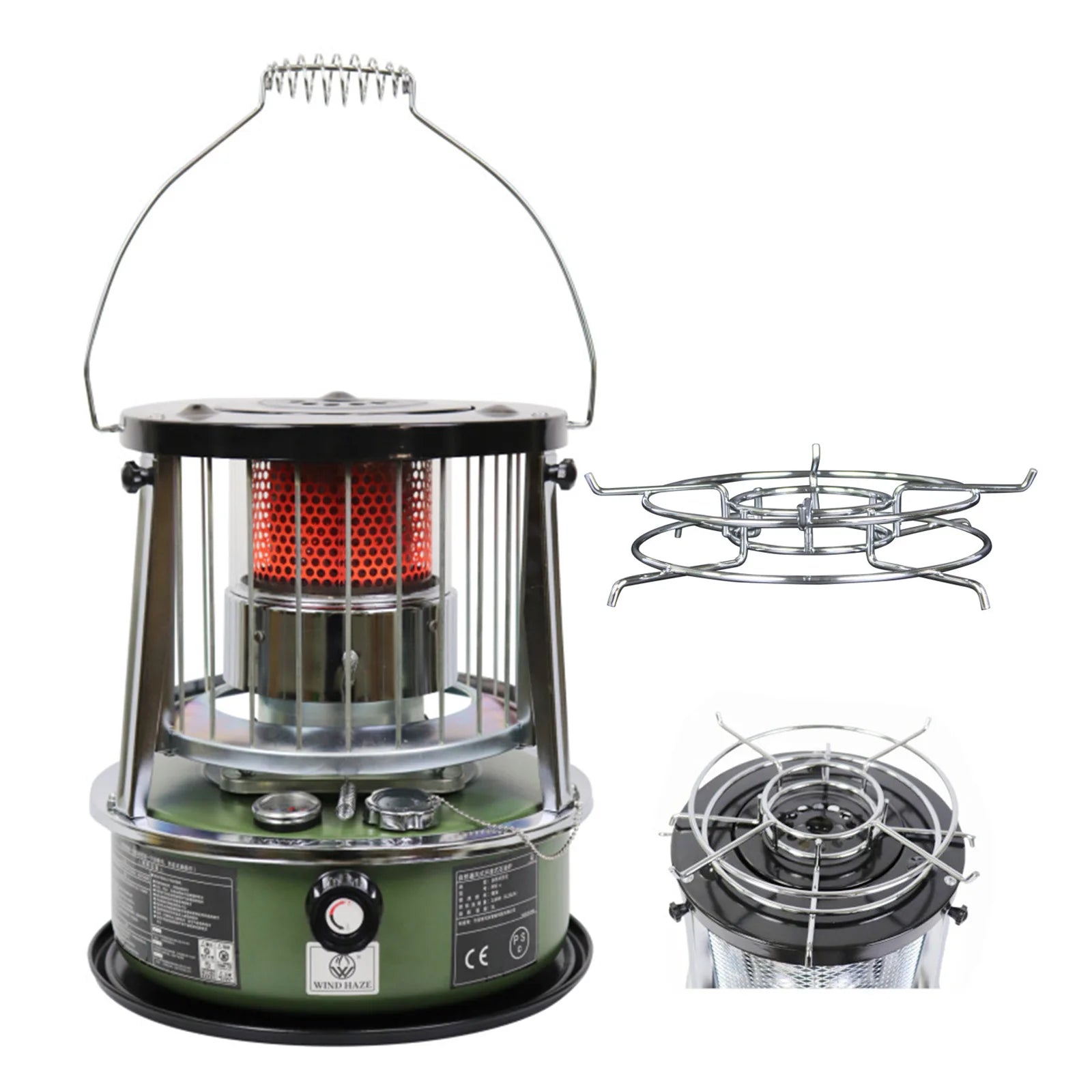
Good ventilation and careful operation significantly improve indoor heating safety.
Frequently Asked Questions
Can you safely sleep with a kerosene heater running?
No. It is not recommended to sleep with a portable kerosene heater operating because dangerous combustion gases can accumulate without occupants noticing warning signs.
Can you use a kerosene heater in an apartment?
Only if permitted by local regulations and the manufacturer, with proper ventilation and functioning carbon monoxide detectors. Many apartment buildings restrict combustion heaters.
How long can you run a kerosene heater indoors?
There is no universal time limit. Safe operation depends on ventilation, room conditions, heater maintenance, and manufacturer guidance. Continuous monitoring is always necessary.
Do kerosene heaters always produce carbon monoxide?
Combustion can produce carbon monoxide, although properly operating heaters generate much less than poorly maintained units. Because CO is invisible and odorless, detectors remain essential regardless of heater condition.
What happens if ventilation is inadequate?
Insufficient ventilation increases the risk of oxygen depletion, carbon monoxide accumulation, poor combustion, excessive odors, and declining indoor air quality.
Can you use a kerosene heater indoors every day?
Most portable kerosene heaters are better suited for temporary or supplemental heating rather than continuous daily use. Follow manufacturer recommendations and local safety regulations.
Do all kerosene heaters require ventilation?
Portable unvented kerosene heaters require fresh-air ventilation during operation. Permanently installed vented models exhaust combustion gases outdoors and have different installation requirements.
Where should a carbon monoxide detector be installed when using a kerosene heater?
Install detectors outside sleeping areas and on each level of the home according to the detector manufacturer's installation instructions.
Can a kerosene heater be used safely during a power outage?
Yes, many people use them as emergency heat during outages, provided ventilation, safe placement, and carbon monoxide monitoring are maintained.
What type of kerosene fuel is recommended for indoor heaters?
Use only the clean, high-quality kerosene specified by the heater manufacturer. Using the wrong fuel increases emissions and fire risk.
Why does my kerosene heater smell while operating?
A brief odor during lighting or shutdown may occur, but persistent strong smells can indicate contaminated fuel, poor combustion, inadequate ventilation, or maintenance issues.
Is it safe to leave a kerosene heater unattended?
No. Portable kerosene heaters should never be left operating without supervision.
Can pets and children be in the same room as a kerosene heater?
Yes, but they should be closely supervised and kept well away from the hot surfaces to reduce burn and tipping hazards.
Explore more comfort-focused solutions in Lifestyle and wellness essentials from Body Care and Health Devices to support a safer, cozier home environment.













