

Does knee pain relief and recovery really work at home?
Knee pain relief and recovery can be highly effective at home for many mild to moderate conditions when the underlying cause is identified and an evidence-based recovery plan is followed. Home care is often most successful for muscle strain, overuse injuries, minor ligament irritation, and early joint stiffness. More serious injuries, severe instability, or persistent swelling require professional medical evaluation.
It's important to distinguish between symptom relief and tissue recovery . Ice, compression, and supportive devices may reduce pain and swelling quickly, but healing muscles, tendons, ligaments, and joint tissues takes time. The best therapy for knee recovery combines activity modification, progressive strengthening, mobility exercises, and appropriate support while allowing the body to heal naturally.
Consistency matters more than intensity. Following a structured recovery routine for several weeks generally produces better improvements in pain, mobility, and daily function than relying on occasional treatments alone.
Knee Pain Relief and Recovery: A Complete At-Home Guide
Living with knee discomfort can gradually affect everything from climbing stairs and exercising to walking comfortably throughout the day. Whether your symptoms result from an old injury, repetitive activity, or age-related joint changes, understanding the cause is the first step toward lasting improvement. This guide explains practical strategies for knee pain relief and recovery, helping you improve mobility, reduce discomfort, and support healthier knee function from home.
⏱ 6 min read

Ergonomic knee wrap design for knee joint recovery support — See it in action
Common Causes of Knee Pain and Tight Muscles
Injury vs Overuse vs Chronic Conditions
Knee pain and tight muscles can develop for many different reasons, and identifying the underlying cause helps determine the most appropriate recovery strategy. Acute injuries, including ligament sprains, tendon injuries, or meniscus tears, often produce sudden pain, swelling, and reduced stability. Overuse conditions develop gradually after repetitive movements such as running, hiking, cycling, or frequent kneeling. Chronic conditions like osteoarthritis commonly cause stiffness, reduced flexibility, and discomfort that slowly worsens over time.
Because each condition heals differently, treatment should match the source of the problem rather than focusing only on pain relief.
Pain Location and What It May Mean
The location of knee discomfort can provide useful clues about the structures involved. Pain around the kneecap is frequently associated with patellofemoral irritation or muscle imbalance. Pain along the inner or outer side of the knee may involve ligaments, tendons, or cartilage, while discomfort behind the knee can sometimes relate to muscle tightness or fluid accumulation. Although pain location alone cannot provide a diagnosis, it helps guide appropriate home care and indicates when medical evaluation may be necessary.
How to Identify Your Pain Type
Pay attention to when symptoms occur. Sharp pain during movement may indicate an acute injury, while a dull ache after activity often reflects overuse. Morning stiffness that improves with gentle movement is commonly associated with joint degeneration or inflammation. Persistent swelling, joint locking, or the knee giving way should not be ignored, as these symptoms may require professional assessment before beginning an exercise program.
Why Knees Need Extra Support as We Age or Stay Active
Risk Factors for Active Adults
Whether you exercise regularly or spend long hours on your feet, the knees absorb substantial forces with every step. Repeated jumping, running, lifting, or climbing stairs increases joint loading and places greater demands on the surrounding muscles and connective tissues. Without adequate recovery, muscle fatigue and poor movement mechanics can increase stress on the knee over time.
Age-Related Joint Changes
Natural aging gradually affects cartilage, muscle strength, flexibility, and joint stability. While these changes are normal, they can reduce shock absorption and increase stiffness, particularly after periods of inactivity. Regular strengthening exercises, mobility work, and appropriate knee support for an active lifestyle can help maintain function and reduce discomfort.
- Reduced natural shock absorption over time
- Loss of muscle strength that supports the knee joint
- Decreased flexibility limiting comfortable movement
- Longer recovery after physical activity or exercise
Supporting healthy knee function involves more than wearing a brace. Building stronger leg muscles, maintaining mobility, managing training loads, and using appropriate support when needed all contribute to long-term joint health and may help strengthen knee joints while reducing the risk of recurring pain.
What Is Knee Joint Recovery Support?
Core Functions of Effective Knee Support
Knee joint recovery support is designed to reduce stress on the knee while allowing comfortable movement during everyday activities and rehabilitation. Depending on the design, it may provide graduated compression, gentle stabilization, and targeted support that helps improve confidence during walking, exercise, or prolonged standing.
Well-fitted knee support can help:
- Provide mild compression to help manage swelling.
- Improve joint stability during movement.
- Reduce excessive motion that may aggravate irritated tissues.
- Support surrounding muscles while remaining flexible enough for daily activity.
How It Supports Recovery Physiology
Compression works by applying gentle, even pressure around the joint, which may help promote circulation and reduce fluid buildup after activity. Better circulation supports the delivery of oxygen and nutrients needed for normal tissue repair, while stabilization helps minimize unnecessary joint movement that can delay recovery.
Although knee support may improve comfort, it works best when combined with strengthening exercises, mobility training, and appropriate activity modification rather than being used as a standalone treatment.
Choosing the Right Support
The ideal knee support depends on your symptoms, activity level, and recovery goals. Individuals returning to exercise often benefit from lightweight, flexible designs that allow natural movement, while those recovering from mild sprains or experiencing occasional instability may prefer models offering additional compression and structural support.
A comfortable fit is essential. Knee support should feel secure without restricting circulation or limiting normal joint motion. Many users explore knee support solutions alongside other wellness tools found in Body Care and Health Devices collections to build a complete recovery routine.
Immediate Knee Pain Relief Strategies at Home
Ice vs Heat
Knowing when to use cold or heat can improve knee pain relief and recovery. Ice is generally recommended during the first 24 to 48 hours after a new injury or when noticeable swelling is present because it helps reduce inflammation and discomfort. Apply a cold pack for 15 to 20 minutes several times daily while protecting the skin with a thin towel.
Heat is often more helpful for knee stiffness relief or chronic muscle tightness. A warm compress or heating pad before gentle movement may improve flexibility and reduce muscle tension, but heat should generally be avoided if the knee is visibly swollen.
Compression and Elevation
Compression sleeves or supportive wraps may help control mild swelling and provide additional comfort during daily activities. Elevating the affected leg above heart level whenever possible encourages fluid drainage and can reduce pressure within the joint.
Avoid remaining completely inactive for extended periods. Gentle walking and pain-free range-of-motion exercises are usually more beneficial than prolonged bed rest for many non-serious knee conditions.
Safe Pain Management
For many people, short periods of relative rest, gradual movement, and appropriate support provide effective early symptom relief. Over-the-counter pain medication may be appropriate for some individuals when used according to product directions, but persistent or worsening symptoms should be evaluated by a healthcare professional.
Avoid returning to high-impact exercise as soon as pain decreases, since tissues often require additional time to regain strength even after symptoms improve.
Step-by-Step Knee Recovery Plan
Acute Phase (0–7 Days)
During the first week, the primary goals are protecting the joint, reducing pain, and limiting swelling. Relative rest, ice, compression, elevation, and avoiding movements that reproduce sharp pain help create an environment that supports healing. Gentle range-of-motion exercises may be introduced if tolerated without increasing symptoms.
Recovery Phase (1–6 Weeks)
As pain and swelling improve, gradually increase activity while restoring flexibility and rebuilding muscle strength. Low-impact exercises, controlled strengthening, and balance training help improve knee stability without placing excessive stress on healing tissues. Progress should be based on comfort rather than a fixed schedule.
Strength & Prevention Phase
Once everyday movements become comfortable, focus on strengthening the quadriceps, hamstrings, glutes, and calf muscles to improve joint stability. Functional exercises, proper movement mechanics, and consistent mobility work help reduce the likelihood of future flare-ups and support long-term knee health.
Typical Recovery Timelines
Recovery varies depending on the underlying condition and individual health factors. Mild muscle strains or overuse irritation may improve within a few days to several weeks, while ligament injuries, cartilage damage, or post-surgical rehabilitation often require several months. The best therapy for knee recovery is typically a gradual, stage-based program that progresses as strength, mobility, and function improve rather than rushing back to full activity.
Best Knee Rehabilitation Exercises to Improve Range of Motion
Improve Knee Range of Motion
Restoring flexibility is an important part of knee rehabilitation exercises. Gentle mobility work helps reduce stiffness, maintain joint movement, and prepare the muscles for strengthening. Exercises should be performed within a comfortable range and stopped if they cause sharp or worsening pain.
- Heel slides to gently increase knee bending and extension.
- Quad sets to activate the front thigh muscles without placing excessive stress on the joint.
- Calf and hamstring stretches to improve flexibility and reduce tension that can limit knee movement.
Beginner Strength Exercises
As pain decreases and mobility improves, strengthening the muscles that support the knee becomes the next priority. Building strength in the quadriceps, hamstrings, glutes, and calves helps improve knee stability and supports normal movement during daily activities.
- Straight leg raises
- Wall sits
- Step-ups on a low platform
- Glute bridges
Begin with one or two sets using controlled movements, gradually increasing repetitions as strength improves without aggravating symptoms.
Progressive Functional Training
Once basic strength has returned, functional exercises help prepare the knee for everyday movements and recreational activities. These exercises improve balance, coordination, and confidence while teaching the joint to tolerate gradually increasing loads.
- Bodyweight squats with proper technique
- Forward or reverse lunges within a pain-free range
- Resistance band exercises for hip and leg strength
- Single-leg balance drills to improve joint control
Progress only when exercises can be completed comfortably with good form. Increasing resistance too quickly may delay recovery rather than accelerate it.
Vibration Therapy for Knee Pain: Does It Help Recovery?
Current Evidence
Vibration therapy for knee pain is being studied as a complementary recovery technique rather than a replacement for exercise-based rehabilitation. Gentle vibration may stimulate local circulation, encourage muscle activation, and temporarily reduce stiffness, particularly when combined with an overall rehabilitation program.
Current research suggests that some individuals with knee osteoarthritis or reduced mobility may experience short-term improvements in comfort and function, although results vary depending on the underlying condition and the type of vibration therapy used.
Who May Benefit
People recovering from mild overuse injuries, experiencing muscle tightness, or managing age-related stiffness may find vibration therapy helpful before or after exercise. It can serve as a warm-up to prepare muscles for movement or as part of a post-activity recovery routine to reduce feelings of muscle tension.
The greatest benefits are typically achieved when vibration therapy is combined with strengthening exercises, flexibility training, and appropriate activity modification rather than used alone.
Safety Considerations
Vibration therapy should be comfortable and never painful. Avoid using vibration directly over an acutely injured, severely swollen, or unstable knee unless advised by a healthcare professional. Individuals recovering from recent surgery or those with certain medical conditions should consult their healthcare provider before beginning vibration therapy.
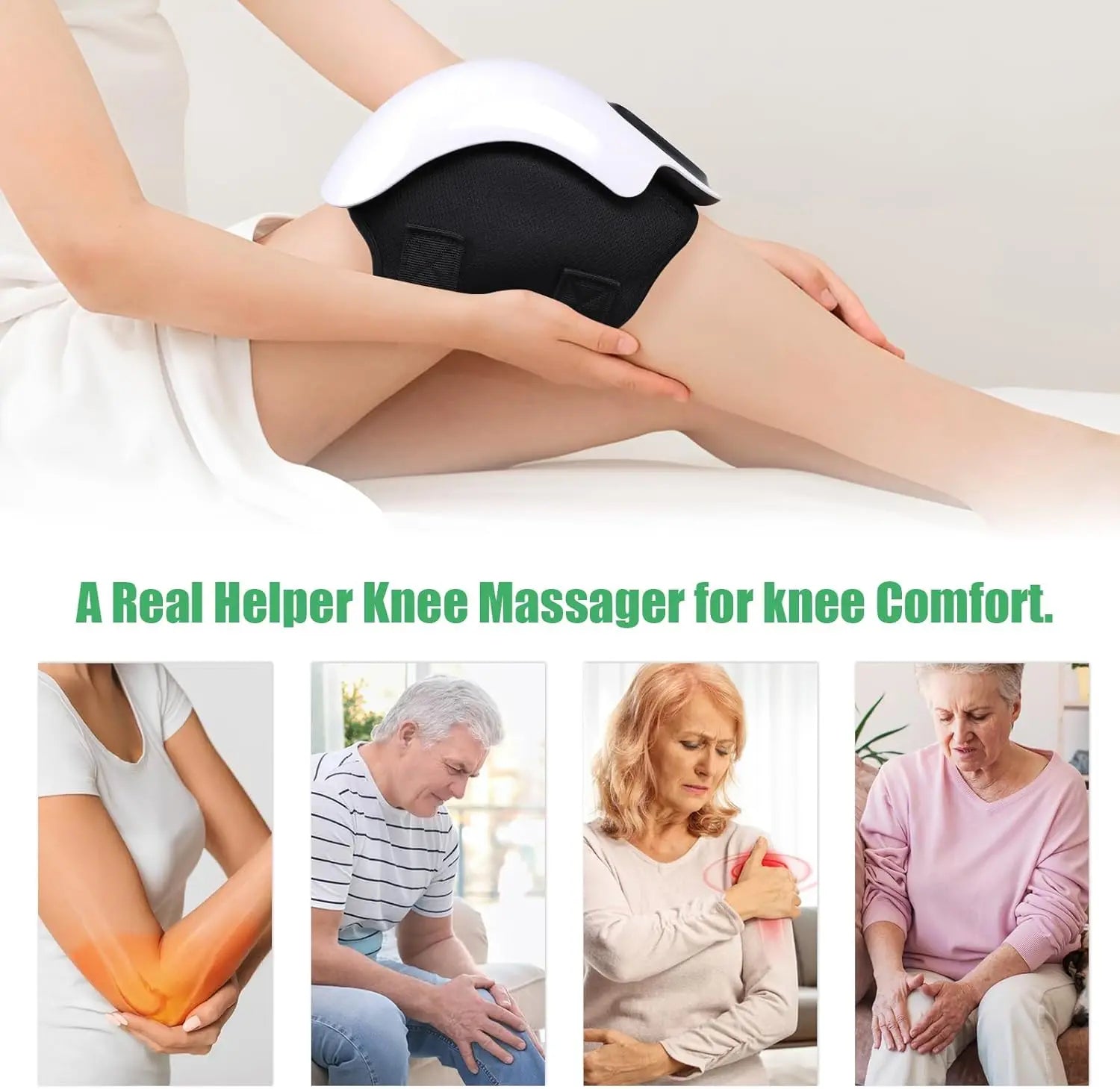
Vibration therapy benefits for knee pain and tight muscles — See it in action
Who Benefits Most From Knee Joint Recovery Support
Active Adults
People who regularly run, hike, cycle, play sports, or perform physically demanding work often place repetitive stress on their knees. Appropriate knee support may provide additional confidence during activity while complementing strength training and proper recovery habits.
Older Adults
Age-related changes in cartilage, muscle strength, and joint flexibility can make everyday activities more challenging. Supportive compression, regular mobility exercises, and progressive strengthening may help improve comfort and maintain independence during daily movement.
People Recovering From Injury
Individuals recovering from mild sprains, overuse injuries, or rehabilitation after medical treatment may benefit from temporary knee support while gradually returning to normal activities. Recovery plans should always prioritize restoring strength, balance, and range of motion rather than relying solely on external support.
Many discover knee support while browsing wellness-focused collections like Lifestyle , seeking tools that integrate easily into daily routines.
Common Mistakes That Slow Knee Recovery
Doing Too Much Too Soon
One of the most common setbacks during recovery is increasing activity before the knee has regained adequate strength and stability. Although pain may improve before tissues have fully healed, returning too quickly to running, jumping, heavy lifting, or high-impact sports can delay recovery and increase the risk of reinjury.
To recover from a knee injury safely:
- Increase activity gradually instead of making sudden jumps in intensity.
- Focus on proper exercise technique rather than heavier resistance.
- Continue strengthening and mobility exercises even after symptoms improve.
- Allow adequate recovery between demanding workouts.
Ignoring Persistent Symptoms
Persistent swelling, repeated episodes of instability, worsening pain, or limited range of motion should not be ignored. Continuing to exercise through significant symptoms may lead to additional joint stress and delay appropriate treatment.
Other mistakes that commonly slow recovery include:
- Skipping rehabilitation exercises once pain decreases.
- Relying entirely on braces or supports without rebuilding muscle strength.
- Remaining sedentary for long periods, leading to increased stiffness.
- Using exercises that are too advanced for the current stage of recovery.
When to See a Doctor for Knee Pain
Red Flag Symptoms
While many cases of knee pain relief and recovery can begin at home, certain symptoms require prompt medical evaluation. Seek medical attention if you experience:
- Severe or rapidly increasing swelling.
- An inability to bear weight on the affected leg.
- A noticeable deformity after an injury.
- The knee repeatedly giving way or locking.
- Redness, warmth, fever, or other signs of possible infection.
When Home Care Is Not Enough
If knee pain persists for several weeks despite appropriate home treatment, continues to interfere with daily activities, or repeatedly returns after exercise, a healthcare professional can evaluate the underlying cause and recommend additional treatment options. Diagnostic evaluation may include a physical examination, imaging studies when appropriate, and referral to physical therapy or other specialists if needed.
For those exploring recovery tools holistically, related insights from the Body & Face Blog often highlight the importance of consistent care, gradual progression, and healthy movement habits rather than relying on quick fixes.
Frequently Asked Questions
Can knee joint recovery support be worn daily?
Yes. Many people wear knee joint recovery support during walking, work, exercise, or other activities that place moderate stress on the knee. It should fit comfortably without restricting circulation and should be combined with strengthening and mobility exercises rather than replacing them.
Does it help with knee pain and tight muscles?
Supportive compression may help reduce feelings of muscle tension, improve comfort during activity, and assist with mild swelling. While knee support can provide symptom relief, lasting improvement typically comes from combining it with appropriate rehabilitation exercises and gradual activity progression.
When is the best time to use vibration therapy?
Vibration therapy is commonly used before exercise as part of a warm-up or after physical activity to help relax surrounding muscles. It works best as one component of a comprehensive recovery program that also includes mobility and strengthening exercises.
How long does knee recovery take?
Recovery time depends on the underlying condition. Mild overuse injuries or muscle strains may improve within days to a few weeks, while ligament injuries, cartilage damage, or post-surgical rehabilitation often require several months. Following a structured recovery plan usually leads to better long-term outcomes than returning to activity too quickly.
What is the fastest way to relieve knee pain at home?
For new injuries, relative rest, ice, compression, and elevation can help reduce pain and swelling during the first 24 to 48 hours. For ongoing stiffness, gentle movement, flexibility exercises, and appropriate heat therapy are often more beneficial. Persistent or severe symptoms should be evaluated by a healthcare professional.
When should I use ice instead of heat for knee pain?
Ice is generally recommended after an acute injury or whenever swelling is present. Heat is typically more appropriate for chronic stiffness or muscle tightness before gentle exercise. Avoid applying heat to a swollen knee unless advised by a healthcare provider.
What exercises improve knee range of motion safely?
Exercises such as heel slides, quad sets, straight leg raises, hamstring stretches, and gradual step-ups are commonly used to improve knee range of motion and strength. Progress exercises gradually and stop if they produce sharp pain or increased swelling.
Can vibration therapy help knee pain recovery?
Research suggests vibration therapy may temporarily improve circulation, reduce stiffness, and support muscle activation for some individuals. It should be viewed as a complementary technique rather than a replacement for evidence-based rehabilitation and exercise.
How do I know if my knee injury needs medical attention?
Seek medical evaluation if you cannot bear weight, experience severe swelling, the knee locks or repeatedly gives way, significant pain persists despite home care, or you notice redness, warmth, fever, or other signs of infection.
Should I wear a knee brace all day?
Most people benefit from wearing a knee brace or support during activities that place stress on the joint rather than continuously throughout the day. Extended use without maintaining muscle strength may reduce normal muscle engagement, so regular exercise remains an essential part of recovery.
What is the best therapy for knee recovery?
There is no single treatment that works for every condition. The best therapy for knee recovery usually combines activity modification, progressive strengthening, mobility exercises, appropriate knee support when needed, and professional medical guidance for more serious injuries.













