

Does a Leg and Foot Massager Really Improve Circulation?
A leg and foot massager for circulation can support healthy blood flow by applying rhythmic compression, massage, vibration, or heat to the lower legs and feet. While these devices are not medical treatments for circulation disorders, research suggests they may temporarily improve local blood flow, reduce muscle fatigue, ease swelling, and increase comfort after prolonged sitting, standing, or exercise.
What the evidence says
Compression massage is the most studied technology for circulation support. By repeatedly squeezing and releasing the legs, it mimics the natural muscle pump that helps move blood and lymphatic fluid back toward the heart. Heat and massage may also improve local circulation by relaxing muscles and encouraging blood vessel dilation.
Realistic expectations
If you're wondering, " Do foot massagers help circulation? " the answer is yes—but with realistic expectations. Most users notice reduced heaviness, less swelling, improved comfort, and faster recovery rather than dramatic changes in overall cardiovascular health. A massager works best alongside regular movement, hydration, and healthy lifestyle habits.
Who may notice the most benefit
- People who sit at a desk for long hours
- Workers who stand most of the day
- Frequent travelers
- Older adults experiencing tired legs
- Active individuals recovering after workouts
Leg and Foot Massager for Circulation: Best Devices Compared (2026 Guide)
⏱ 8 min read · Heavy, tired legs after work or swollen feet at the end of the day are common complaints. The right circulation massager can help relieve discomfort—but different technologies work in different ways. This guide compares today's most effective options, explains what the evidence supports, and helps you choose the best device for your needs.
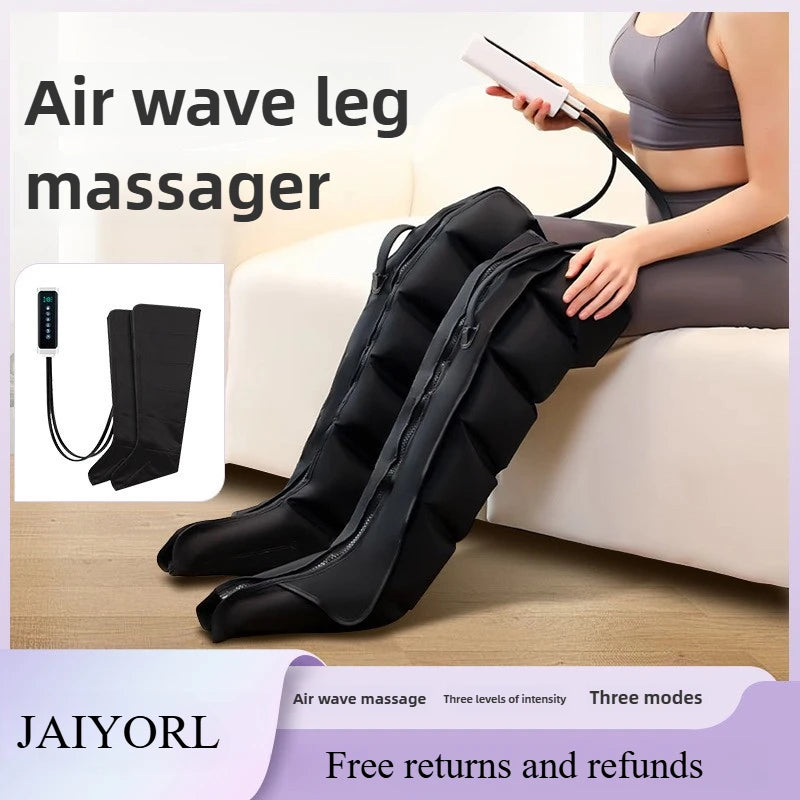
Leg and foot massager device for circulation massage. See it in action.
How Leg and Foot Massagers Support Circulation
Different massage technologies produce different effects. Understanding how each works makes it easier to choose the right foot massager for blood circulation .
Air Compression Therapy
Air chambers inflate and deflate in sequence, gently squeezing the feet and calves. This supports venous return and lymphatic drainage while helping reduce swelling, heaviness, and fatigue. Compression models are generally considered the best option for circulation-focused users.
Heat Therapy
Gentle warmth relaxes muscles and promotes blood vessel dilation, improving comfort while making massage feel more effective. Heat alone is not a treatment for poor circulation but complements compression well.
Shiatsu, Rolling & Vibration
Rolling nodes imitate thumb pressure to relieve tight muscles, while vibration stimulates soft tissues and provides relaxation. These technologies are particularly useful for foot soreness and post-work recovery, although they generally have less impact on fluid movement than compression systems.
EMS: When It Helps and When It Doesn't
Electrical muscle stimulation (EMS) causes muscles to contract using low-level electrical impulses. EMS may assist muscle activation in certain situations but does not replace air compression for reducing swelling. If comparing technologies, see our EMS vs TENS guide .
How We Tested and Ranked These Massagers
Evaluation criteria
Our rankings prioritize features that matter most in daily use:
- Compression effectiveness
- Heat quality
- Comfort and fit
- Noise level
- Ease of controls
- Safety features
- Value for money
Scoring system
Each category was evaluated across circulation performance, usability, durability, and overall value rather than marketing claims alone.
Who each product is best for
Instead of selecting one "best" device for everyone, recommendations focus on specific needs such as swollen feet, neuropathy symptoms, athletic recovery, or everyday comfort.
Best Leg and Foot Massagers for Circulation (Top Picks)
Best Overall
A quality air compression model with adjustable pressure, multiple massage modes, and optional heat provides the best balance between circulation support, comfort, and versatility.
People experiencing swollen feet or tired calves generally benefit most from sequential air compression that encourages fluid movement.
Best for Neuropathy
An electric foot massager for neuropathy and circulation should prioritize gentle pressure, optional heat, and adjustable intensity to maximize comfort. Users with diabetic neuropathy should consult their healthcare provider before using any massage device.
Best Budget
Affordable vibration or rolling foot massagers offer muscle relaxation and light circulation support, making them suitable for occasional use.
Best Full Leg Compression
Wrap-around calf and thigh systems provide broader coverage and stronger circulation support than foot-only devices.
Best for Home Use
Air Compression Leg Massager combines adjustable compression, convenient home operation, and comfortable daily sessions for users seeking consistent circulation support.
Foot and Calf Massager Comparison
| Type | Circulation | Heat | Noise | Portability | Best For |
|---|---|---|---|---|---|
| Air Compression | ★★★★★ | Often included | Low | Moderate | Swelling & recovery |
| Shiatsu Roller | ★★★☆☆ | Sometimes | Moderate | Good | Foot pain |
| Vibration | ★★☆☆☆ | Optional | Low | Excellent | Relaxation |
| EMS | ★★★☆☆ | No | Silent | Excellent | Muscle stimulation |
Performance scores
Compression models consistently score highest for circulation support, while rolling and vibration models excel at relieving foot soreness and muscle tension.
Warranty, noise and portability
Look for products with at least a one-year warranty, quiet operation, and controls that are easy to reach while seated.
Types of Leg and Foot Massagers Explained
Air Compression
Best choice for users focused on swelling reduction and circulation improvement.
Shiatsu Rollers
Excellent for arch pain, plantar fascia tension, and muscle relaxation.
Vibration
Provides gentle stimulation with minimal pressure, making it comfortable for many first-time users.
EMS Devices
Useful for muscle activation but should not be confused with medical treatment for poor circulation.
Who Should Choose Which Type?
Standing all day
Compression sleeves help reduce fatigue after long shifts.
Office workers
Daily 15–20 minute sessions may relieve heaviness after prolonged sitting.
Seniors
Choose adjustable pressure settings, gentle compression, and simple controls.
Athletes
Compression recovery systems can help reduce post-exercise soreness.
Plantar fasciitis and swollen feet
Combining rolling massage with compression often provides the best balance between pain relief and swelling reduction.
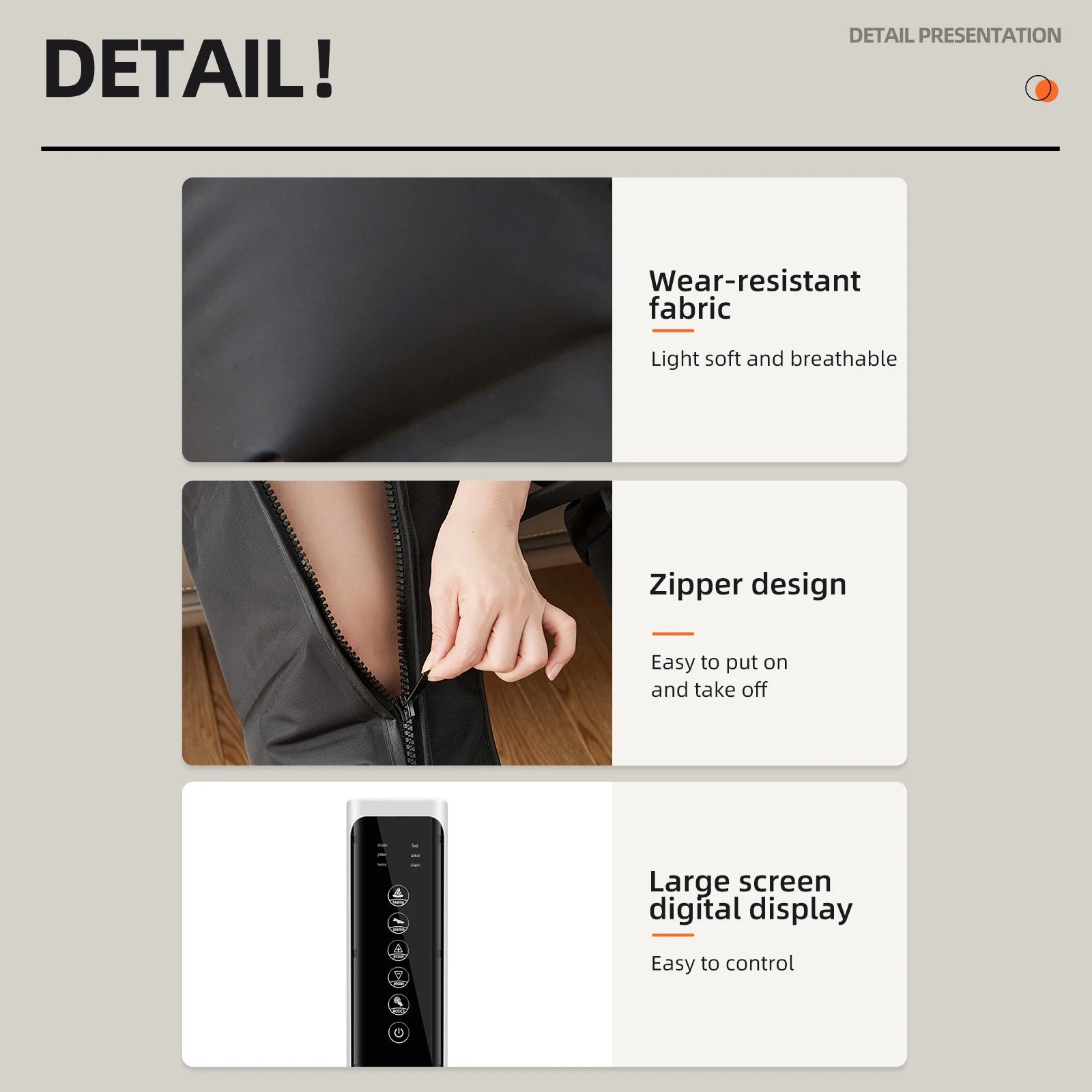
Leg and foot massager for circulation and swollen feet relief. See it in action.
How to Use a Leg and Foot Massager Safely and Effectively
Daily use guidelines
Most people benefit from one session daily using comfortable pressure rather than maximum intensity.
Session duration
Use the device for approximately 15–30 minutes unless the manufacturer recommends otherwise.
Common mistakes
- Using excessive pressure immediately
- Skipping regular sessions
- Using the device over painful injuries
- Ignoring unusual discomfort
Maintenance and cleaning
Wipe the exterior after use, allow moisture to dry completely, and inspect straps or sleeves periodically for wear.
Who Should Avoid Leg and Foot Massagers?
Diabetes and neuropathy
Individuals with reduced sensation should use lower pressure settings and seek medical advice before starting.
DVT and PAD
People with deep vein thrombosis, severe peripheral artery disease, or unexplained leg pain should avoid massage devices unless cleared by a physician.
Pregnancy
Pregnant individuals should consult their healthcare provider before using compression devices.
Varicose veins and medical advice
Mild varicose veins may tolerate gentle massage, but severe venous disease should be evaluated professionally before use.
Buying Guide: What to Look For
Compression intensity
Choose multiple pressure levels that allow gradual adjustment.
Coverage and sizing
Ensure the sleeves comfortably fit your calves and feet.
Heat and safety
Auto shut-off, temperature protection, and adjustable heat improve safety.
Noise, portability and warranty
Quiet operation and a solid warranty often indicate better long-term value.
Maintenance costs
Look for removable liners, durable materials, and replacement parts when available.
Explore more options in Body Care and Health Devices to compare similar solutions.
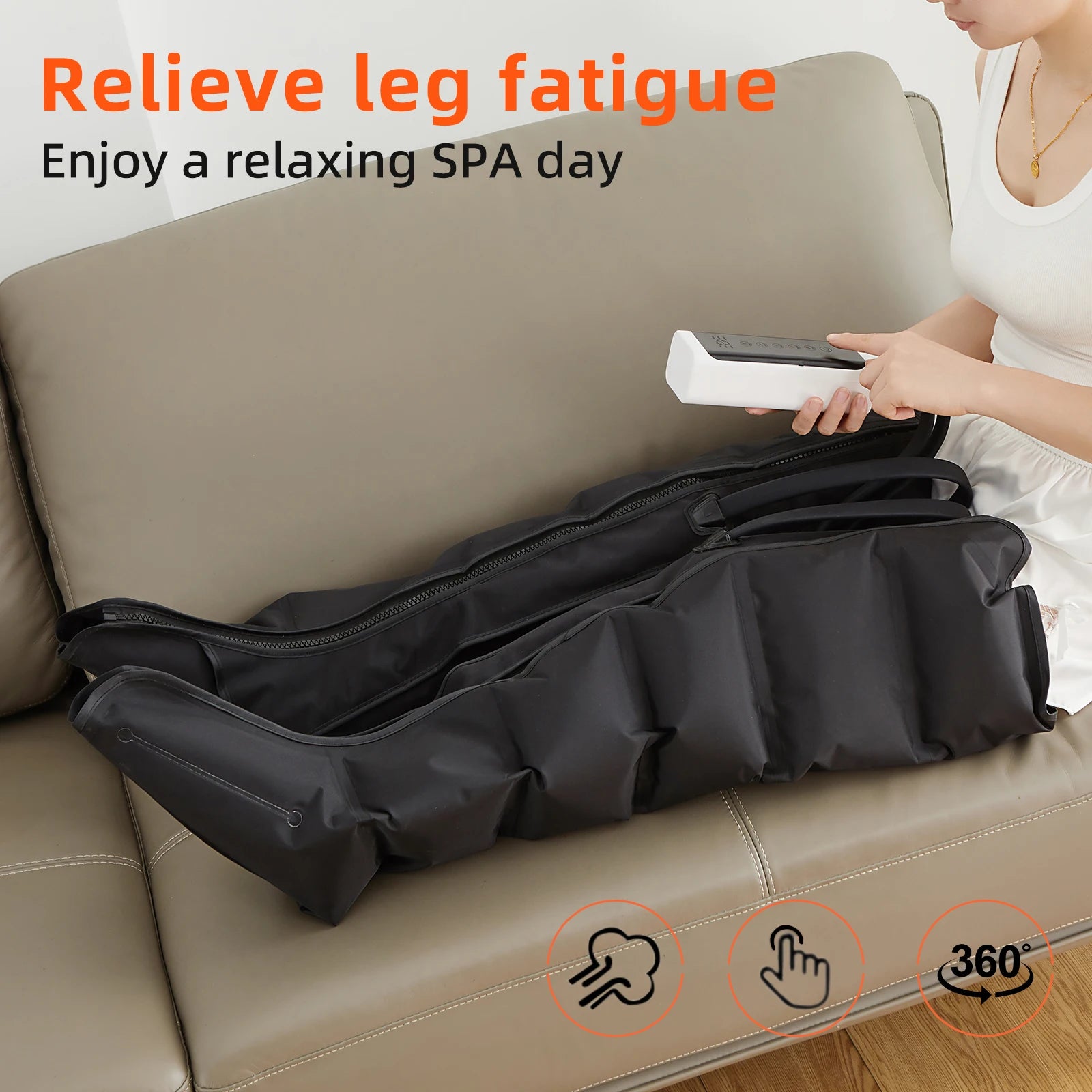
Foot massager for swelling and circulation massage. See it in action.
Common Mistakes When Buying a Circulation Massager
Ignoring coverage area
A foot-only unit may not provide enough support if calf swelling is your primary concern.
Choosing excessive pressure
More pressure is not always better. Comfort and consistent use usually produce better long-term results.
Overlooking warranty
Reliable customer support and warranty coverage matter for devices used frequently.
Expecting medical treatment
A leg and foot massager can relieve symptoms and improve comfort but is not a substitute for diagnosing or treating vascular disease.
Frequently Asked Questions
Do foot massagers really improve blood circulation?
Yes. Compression, massage, vibration, and heat can temporarily improve local circulation and help reduce heaviness and swelling, especially when combined with regular physical activity.
What is the best leg and foot massager for circulation?
Air compression models with adjustable pressure, multiple massage programs, and optional heat generally provide the most comprehensive circulation support.
Can a foot massager help swollen feet?
Many users experience reduced swelling after regular compression massage sessions because rhythmic pressure encourages fluid movement from the lower legs.
Are leg massagers safe to use every day?
Most healthy adults can safely use them daily according to manufacturer instructions. Consult a healthcare professional if you have vascular disease, DVT, severe diabetes, or other medical conditions.
How long should you use a circulation massager?
Typical sessions last 15–30 minutes, although following your device's instructions is recommended.
Can people with diabetes use a foot massager?
Some people can, but those with diabetic neuropathy or reduced sensation should consult their healthcare provider before use and begin with gentle settings.
Are compression massagers better than shiatsu models?
For circulation support and swelling relief, compression models generally outperform shiatsu-only devices. Shiatsu models excel at relieving muscle tension and foot soreness.
Do circulation massagers help neuropathy symptoms?
Some users report temporary relief from discomfort and muscle tightness, but these devices do not treat neuropathy itself. Persistent symptoms should be evaluated by a healthcare professional.
Related Guide: Best Air Compression Leg Massager Compared for Faster Recovery













