

Do Leg Circulation Machines Work? (Evidence-Based Answer)
Yes—leg circulation machines can support blood flow, reduce fluid buildup, and improve recovery comfort by using controlled pneumatic compression. This technology, known as intermittent pneumatic compression (IPC), applies rhythmic pressure to the legs to assist venous return and encourage healthier fluid movement.
What Clinical Compression Therapy Shows
Clinical compression therapy has been studied and used for decades, particularly for supporting circulation, managing swelling, and assisting recovery in specific medical situations. Research shows that intermittent pressure can improve venous return, helping blood move more efficiently from the lower legs back toward the heart.
However, it is important to separate proven medical applications from general wellness claims. Home compression devices may help support circulation and reduce feelings of heaviness or fatigue, but they are not a replacement for medical treatment, exercise, or professional care when underlying conditions are present.
At-Home Devices vs Medical Devices
Medical-grade compression systems and consumer leg compression massagers work on the same basic principle: sequential air pressure applied around the legs. The main differences are pressure range, customization options, intended use, and clinical supervision.
At-home devices are designed for everyday recovery, relaxation, and circulation support. They are commonly used by people who experience tired legs after long periods of sitting, standing, traveling, or exercising.
Current Research Limitations
While compression therapy has established clinical uses, research on consumer-grade leg compression machines for general wellness continues to develop. Results can vary based on device quality, compression settings, frequency of use, and individual health factors.
For most users, realistic expectations include improved comfort, temporary relief from leg heaviness, and support for recovery routines rather than a complete solution for circulation problems.
Leg Compression Machine Benefits: Science, Use Cases & What to Expect (2026 Guide)
⏱ 6 min read
Do your legs feel heavy, tight, or swollen after a long day—even when you stay active? These sensations can be connected to reduced fluid movement and circulation challenges caused by prolonged sitting, standing, or intense exercise. This expert guide explains how leg compression machines work, their science-backed benefits, and what you can realistically expect from consistent use.
Explore how this solution supports healthier legs
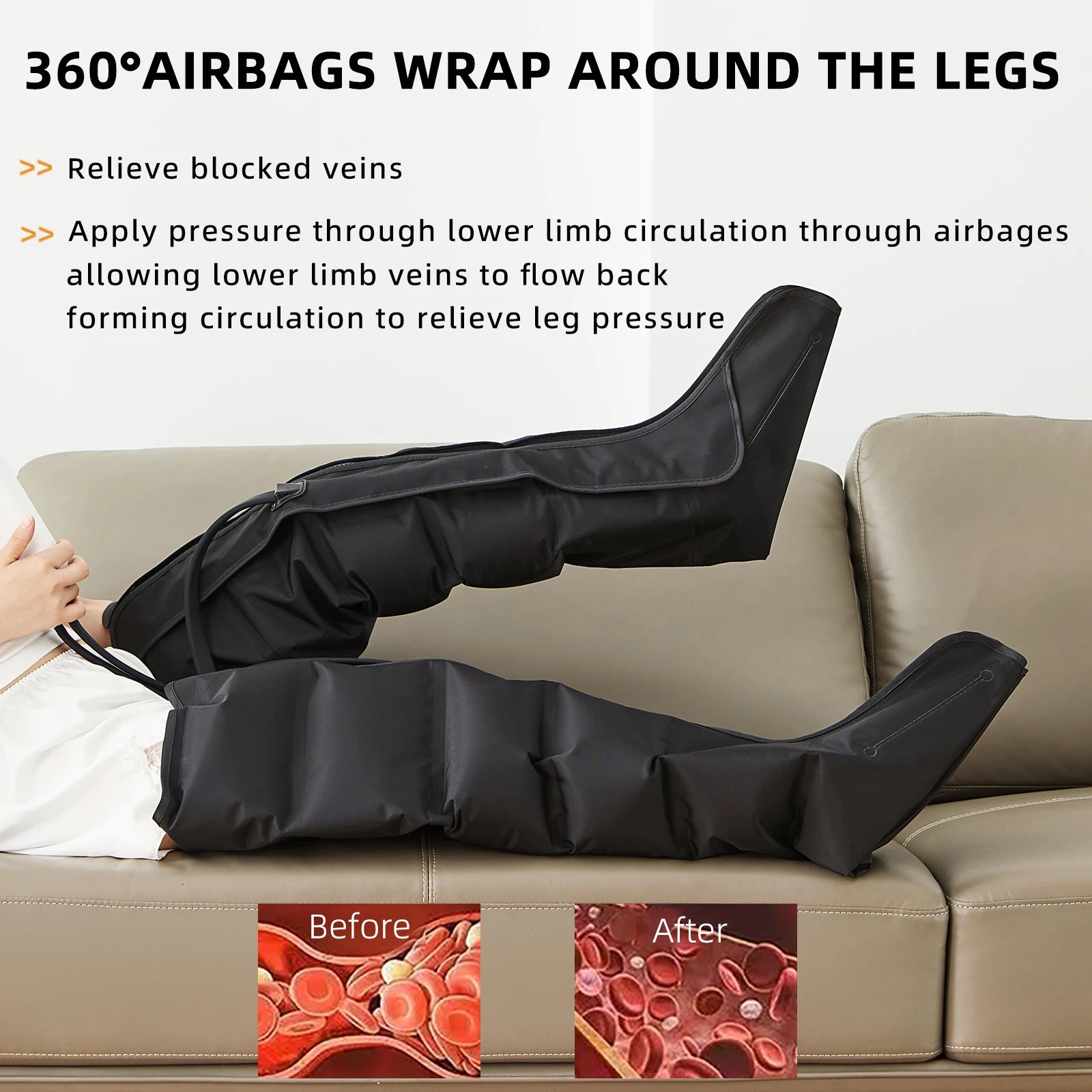
leg compression massager for circulation in daily use — See it in action
What Is a Leg Compression Machine?
A leg compression machine is a wearable recovery device that uses controlled air pressure to inflate chambers around the feet, calves, or legs. The repeated squeeze-and-release motion creates a massage-like compression pattern that supports circulation and fluid movement.
Unlike traditional massage tools that focus mainly on muscle tension, a leg compression machine targets circulation pathways by mimicking the body’s natural muscle pump. This makes it useful for recovery routines, relaxation, and daily comfort.
Intermittent Pneumatic Compression (IPC) Explained
Most modern leg compression devices use intermittent pneumatic compression (IPC). This process uses inflatable chambers that fill and release air in timed cycles, creating rhythmic pressure along the legs.
IPC is commonly used in healthcare environments and has also become popular in consumer recovery devices. The goal is to encourage venous return, support fluid movement, and reduce the sensation of heavy or tired legs.
Recovery Boots vs Leg Sleeves vs Foot Massagers
Different compression products provide different coverage and experiences:
- Recovery boots: Cover larger areas of the legs and are often designed for athletes or intensive recovery routines.
- Leg sleeves: Typically focus on the calves or lower legs, offering targeted compression support.
- Foot massagers: Concentrate on the feet and may combine compression with vibration or kneading functions.
A leg and foot massager for circulation can be a practical option for users who want broader coverage at home, while specialized recovery systems may better suit professional athletes or clinical applications.
How Air Compression Improves Circulation (Step-by-Step Mechanism)
An air compression leg massager for circulation works by applying controlled, rhythmic pressure through inflatable chambers. This process supports natural circulation mechanisms rather than forcing blood flow directly.
Sequential Compression Explained
The chambers usually inflate in sequence, beginning around the feet or lower legs and moving upward. This gradual pattern creates a pressure wave that helps support venous return, encouraging blood to move away from the lower extremities.
Sequential inflation is important because the legs naturally work against gravity. When movement is limited, blood and fluid can accumulate more easily in the lower limbs, contributing to sensations of heaviness and swelling.
Blood Flow vs Lymphatic Drainage
Compression affects both circulation and fluid movement. By applying external pressure, these devices can support the veins in moving blood back toward the heart while also assisting normal lymphatic fluid movement.
This does not mean compression replaces the lymphatic system or treats every cause of swelling. Instead, it provides mechanical support that may improve comfort and fluid balance for appropriate users.
Why Pressure Gradients Matter
Effective compression devices use graduated pressure, meaning pressure is often stronger lower on the leg and gradually decreases upward. This design follows the natural direction of circulation and helps reduce fluid pooling.
Adjustable pressure settings are important because the most effective level depends on personal comfort, recovery goals, and individual needs.
See how air compression supports daily comfort
Key Leg Compression Machine Benefits (Backed by Physiology & Research)
Leg compression machine benefits come from how controlled pressure supports the body’s natural circulation and fluid management processes. While results vary between individuals, research on compression therapy shows potential benefits for circulation support, swelling management, and recovery comfort.
Improved Blood Circulation
One of the primary benefits of compression therapy is supporting venous return—the process of moving blood from the lower legs back toward the heart. By applying rhythmic pressure, compression devices can help reduce blood pooling in the lower extremities, which may contribute to feelings of heaviness and tiredness.
For people who experience discomfort after sitting or standing for extended periods, a leg compression massager for circulation may provide additional support alongside regular movement habits. Learn more about poor circulation symptoms .
Reduced Swelling (Edema Control)
Compression can help encourage fluid movement through the legs, making it useful for managing temporary swelling caused by inactivity, long periods on your feet, or travel. The external pressure helps support normal fluid circulation and may reduce the sensation of tightness or fullness in the legs.
However, unexplained or persistent swelling may require medical evaluation rather than relying only on compression therapy.
Faster Muscle Recovery & Reduced DOMS
Many athletes use compression devices as part of their recovery routine after intense exercise. By supporting circulation and fluid movement, compression may help reduce discomfort associated with delayed onset muscle soreness (DOMS) and improve post-workout recovery comfort.
Compression therapy works best as one part of a complete recovery approach that includes proper hydration, nutrition, sleep, and active recovery methods. Explore muscle recovery methods .
Reduced Leg Fatigue & Heaviness
Heavy, tired legs are often associated with prolonged inactivity or fluid accumulation in the lower limbs. Regular compression sessions may help users feel more comfortable by supporting circulation and reducing pressure sensations after demanding days.
This makes compression devices popular among people with physically demanding jobs, frequent travel schedules, or long periods spent sitting.
Lymphatic Support
In addition to supporting blood circulation, compression may assist the movement of lymphatic fluid. The lymphatic system helps maintain fluid balance throughout the body, and gentle external pressure can encourage normal fluid movement.
Compression therapy supports this natural process but does not replace medical treatment for lymphatic disorders or other underlying conditions.
Who Benefits Most From Leg Compression Therapy?
Leg compression machines are versatile recovery tools that may benefit people with different lifestyles, activity levels, and daily routines. They are most useful for individuals looking for circulation support, recovery assistance, or greater leg comfort.
Athletes & Fitness Recovery
Athletes and active individuals often use compression devices after training sessions to support recovery. The rhythmic pressure can provide a relaxing recovery experience and may help reduce feelings of muscle fatigue after demanding workouts.
For those combining strength training, endurance exercise, or sports activities, compression can complement other recovery strategies such as stretching and mobility work.
Desk Workers & Standing Professions
People who sit at a desk for many hours or stand throughout the workday may experience tired, stiff, or heavy-feeling legs. Limited movement can reduce the natural muscle pump that helps circulate blood through the lower body.
A leg compression machine can provide passive support during recovery periods, helping users feel more comfortable after long periods in one position.
Travel & Long Periods of Sitting
Long flights, road trips, and extended sitting can contribute to temporary leg discomfort because the lower body remains inactive for longer periods. Compression therapy may help support circulation during recovery after travel when used appropriately.
Older Adults With Healthy Mobility
Older adults who remain mobile may use gentle compression as part of a comfort and wellness routine. It can help support circulation and manage occasional feelings of heaviness associated with reduced activity levels.
Anyone with medical conditions affecting circulation should consult a healthcare professional before starting compression therapy.
Who Should NOT Use Compression Therapy (Safety & Contraindications)
Although many people safely use compression devices, compression therapy is not suitable for everyone. Understanding potential risks helps ensure safer use.
Medical Conditions to Be Aware Of
- Severe peripheral artery disease or significant arterial circulation problems
- Deep vein thrombosis (DVT) or suspected blood clots
- Severe heart conditions where fluid balance is a concern
- Active infections, skin irritation, or open wounds on the legs
Warning Signs During Use
Stop using a compression device if you experience unusual pain, numbness, skin changes, dizziness, or increased discomfort. Compression should feel supportive and comfortable, not painful or restrictive.
When to Consult a Doctor
If you have existing medical conditions, unexplained swelling, circulation concerns, or symptoms that do not improve, speak with a healthcare professional before using compression therapy. Learn more about when to see a doctor for leg swelling .
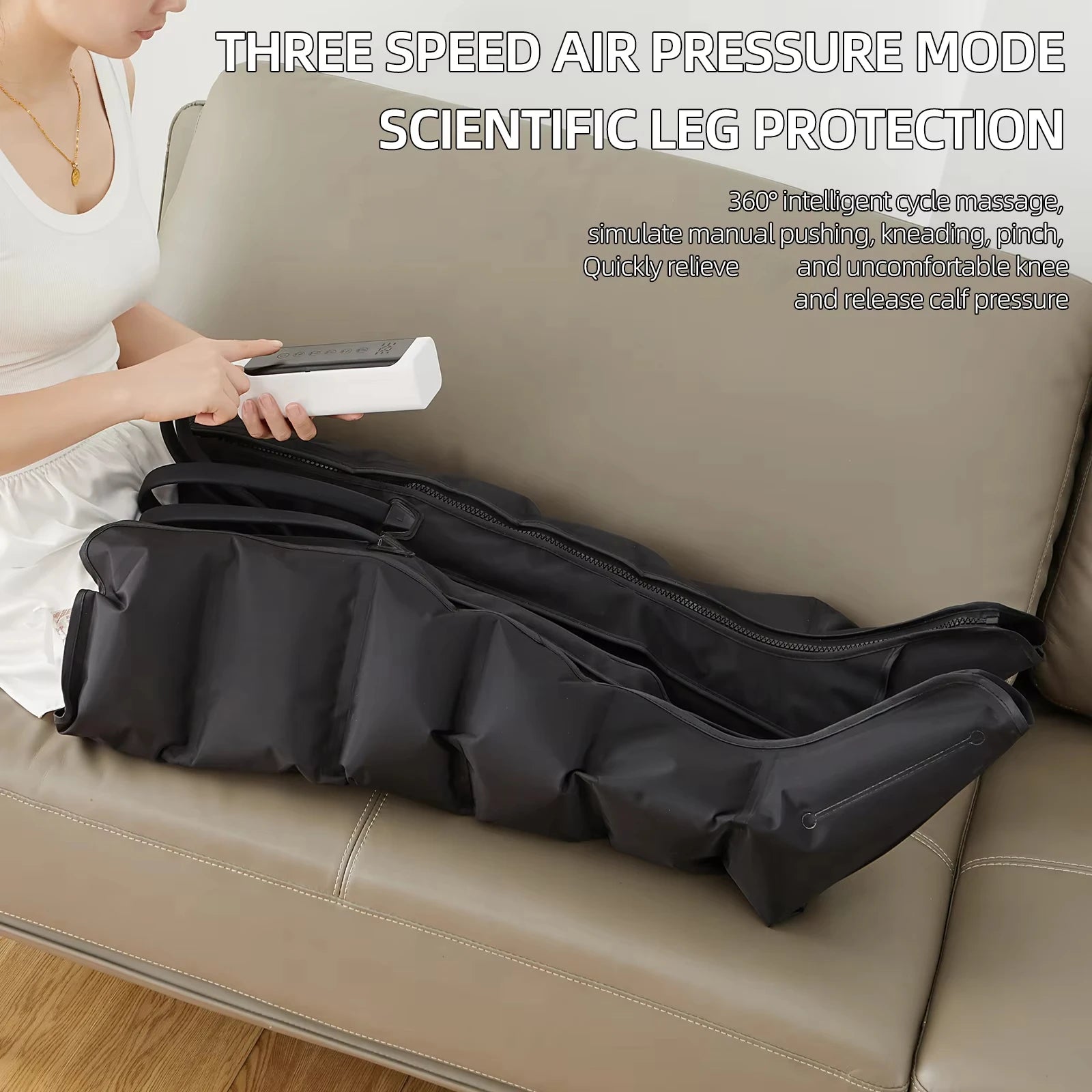
air compression leg massager for circulation during recovery — Feel the difference
Leg Compression Machines vs Compression Socks vs Massage vs Recovery Boots
Different recovery methods support the legs in different ways. A leg compression machine uses controlled air pressure to provide dynamic compression, while other options may focus on muscle release, stretching, or passive circulation support.
| Method | How It Works | Best Use Case | Limitations |
|---|---|---|---|
| Leg Compression Machine | Uses sequential air chambers to apply rhythmic pressure along the legs. | Supporting circulation, reducing feelings of heaviness, and post-workout recovery. | Not a replacement for medical treatment or regular movement. |
| Compression Socks | Provides continuous graduated pressure through elastic fabric. | Daily wear, travel support, and long periods of sitting or standing. | Less adjustable and does not provide active inflation cycles. |
| Massage Guns | Uses targeted percussion to stimulate specific muscle areas. | Releasing muscle tightness and addressing localized soreness. | Does not provide whole-leg compression support. |
| Recovery Boots | Uses larger compression chambers that cover more of the legs. | Athletic recovery and intensive post-exercise routines. | Often larger and less convenient for casual home use. |
Compression Machines vs Compression Socks
Compression socks provide consistent pressure throughout the day, making them useful for travel, work, or everyday circulation support. A leg compression machine provides active, adjustable compression cycles that can be customized during recovery sessions.
For users looking for a more interactive recovery experience at home, a leg compression machine may offer more flexibility through adjustable pressure levels and timed sessions.
Compression vs Massage Guns
Massage guns focus on specific muscles by delivering targeted percussion, which can help with muscle tension and soreness. Compression devices work differently by applying pressure across larger areas of the legs to support circulation and fluid movement.
These tools can complement each other depending on whether the goal is muscle relaxation or full-leg recovery support.
Compression vs Foam Rolling
Foam rolling requires active movement and proper technique to target tight areas, while compression provides passive recovery without physical effort. This makes compression a convenient option after workouts or during relaxation periods.
Foam rolling may still be useful for mobility and muscle maintenance. See foam rolling guide .
Compression vs Elevation
Elevation uses gravity to encourage fluid movement away from the legs, while compression actively applies external pressure to support circulation. Combining both methods may provide additional comfort after prolonged activity or periods of inactivity.
How to Use a Leg Compression Machine Effectively
Using a leg compression machine correctly helps maximize comfort and consistency. The ideal routine depends on your goals, device settings, and personal tolerance.
Ideal Session Duration
Most compression sessions last between 15 and 30 minutes. Beginners should start with shorter sessions and comfortable pressure levels before increasing intensity.
A consistent routine with moderate settings is usually more beneficial than using maximum pressure for a short period.
Frequency Recommendations
Many users include compression sessions daily or several times per week as part of a circulation and recovery routine. Athletes may use devices after training, while people with sedentary lifestyles may prefer sessions after long periods of sitting.
Regular use of a leg compression massager for circulation should focus on comfort and consistency rather than excessive pressure or duration.
Common Mistakes to Avoid
- Using pressure that is too high: Higher intensity is not always better. Choose a setting that feels supportive without causing discomfort.
- Inconsistent usage: Occasional sessions may provide temporary comfort, but a regular routine is more likely to support long-term recovery habits.
- Ignoring discomfort signals: Stop using the device if you experience pain, numbness, or unusual sensations.
- Skipping device instructions: Always follow the manufacturer’s recommendations for safe operation.
How to Choose the Best Leg Circulation Massager
The best leg circulation massager depends on your intended use, comfort preferences, and recovery goals. Key factors include pressure control, coverage area, convenience, and safety features.
Pressure Levels & Customization
Adjustable pressure settings allow users to choose a comfortable intensity based on their needs. Multiple levels are useful because recovery preferences can change depending on activity level, fatigue, and sensitivity.
Look for devices that provide easy controls and consistent inflation cycles rather than relying only on maximum pressure output.
Coverage (Calf vs Full Leg vs Foot)
Compression devices vary in the areas they cover:
- Calf compression: Suitable for users focused on lower-leg comfort and circulation support.
- Full-leg compression: Covers a larger area and may provide a more complete recovery experience.
- Foot and leg compression: Combines foot coverage with lower-leg compression for broader support.
A leg and foot massager for circulation can be a practical choice for users who want support beyond the calves alone.
Ease of Use & Portability
Simple controls, comfortable materials, and a convenient design make it easier to maintain a consistent routine. Portable models are useful for users who want recovery support in different locations.
Medical Features vs Consumer Features
Medical compression systems may include specialized settings designed for clinical environments, while consumer devices focus on convenience, comfort, and everyday recovery.
For home use, prioritize reliable pressure adjustment, comfortable fit, quality construction, and features that match your personal recovery needs.
Final Verdict: Are Leg Compression Machines Worth It?
Leg compression machines can be a valuable addition to a recovery and wellness routine for people seeking support with circulation, temporary swelling, leg fatigue, and post-exercise recovery. Their benefits come from intermittent pneumatic compression (IPC), which uses controlled pressure cycles to support blood flow and fluid movement.
They are best suited for people who experience heavy-feeling legs after long periods of sitting or standing, active individuals looking for recovery support, and anyone who wants a convenient at-home compression option. However, they should complement—not replace—regular movement, exercise, stretching, or medical care when needed.
For the best results, choose a device with comfortable pressure settings, appropriate leg coverage, and features that match your personal routine. Consistent use with safe pressure levels is more important than using the highest intensity.
Get yours now — limited stock!
Frequently Asked Questions
How often should I use a leg compression massager for circulation?
Most users can incorporate compression sessions daily or several times per week, depending on their goals and comfort level. Sessions commonly last around 15–30 minutes, with consistency being more important than using high pressure.
Is air compression safe for home use?
Yes, air compression leg massagers are designed for home use when operated according to manufacturer instructions. Adjustable pressure settings allow users to select a comfortable level, but people with circulation disorders, heart conditions, or unexplained swelling should consult a healthcare professional before use.
Can it replace exercise or stretching?
No. Compression therapy supports recovery and circulation but does not replace physical activity. Walking, stretching, strength training, and mobility exercises remain important for maintaining healthy circulation and muscle function.
Can compression help swollen legs after travel?
Compression may help support comfort after long periods of sitting, such as during flights or road trips, by encouraging fluid movement and reducing feelings of heaviness. Staying hydrated and moving regularly are also important during extended travel.
Can I use a leg compression machine every day?
Many people use leg compression machines daily as part of their recovery or relaxation routine. Daily use should still follow the device guidelines, and sessions should stop if discomfort, pain, or unusual symptoms occur.
What's the difference between IPC and compression socks?
Intermittent pneumatic compression (IPC) uses inflatable air chambers that repeatedly inflate and release pressure during a session. Compression socks provide continuous graduated pressure through elastic material and are typically worn for longer periods.
IPC devices offer adjustable pressure cycles and active compression, while compression socks are often more convenient for everyday wear, travel, or extended use.













