

Does a Li polymer heated clothing battery really perform better in winter?
A Li polymer heated clothing battery generally performs better in winter because it delivers more stable voltage under cold conditions, helping heated vests, jackets, gloves, and socks maintain consistent warmth. Its lightweight, slim construction also improves comfort while reducing the performance loss that many traditional battery designs experience in freezing temperatures. Choosing the correct voltage, capacity, and connector is just as important as selecting the battery chemistry for reliable all-day performance.
Li Polymer Heated Clothing Battery: Best Options, Specs & Buying Guide
Cold-weather comfort shouldn't feel like a compromise between warmth and mobility. A Li polymer heated clothing battery delivers consistent power without bulk, stiffness, or sudden shutdowns common in older designs. Whether you commute daily, work outdoors, ride a motorcycle, or enjoy winter sports, choosing the right battery can dramatically improve heating performance, runtime, and overall comfort.
⏱ 6 min read
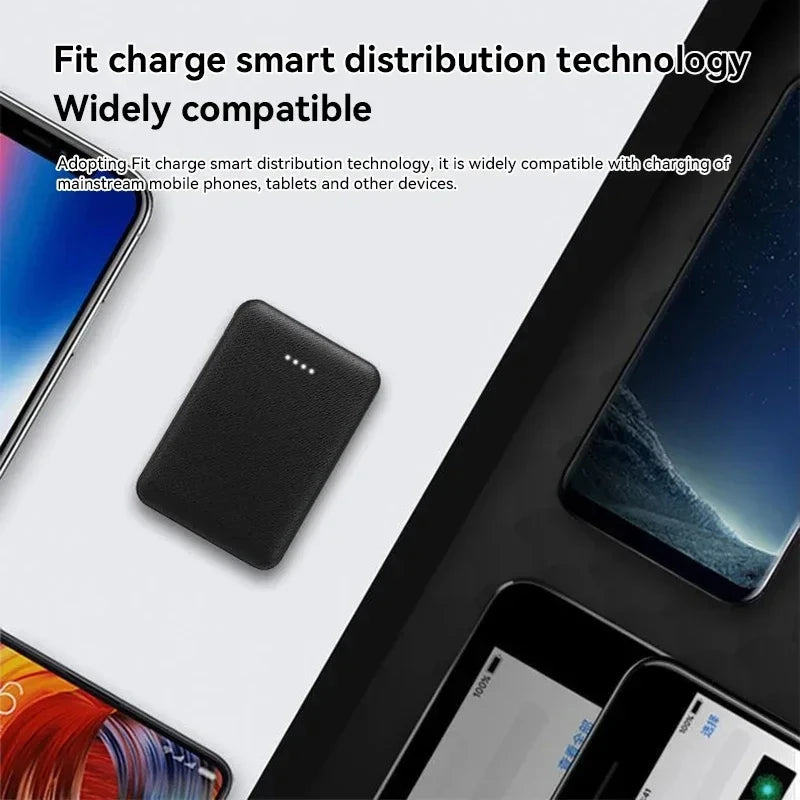
Li polymer heated clothing battery powering slim winter layers — See it in action
Why Standard Batteries Fail in Cold Weather
Cold temperatures affect every rechargeable battery, but the impact is much more noticeable with older battery designs. As temperatures fall, internal resistance increases, making it harder for the battery to deliver the current required by heated clothing.
How Low Temperatures Affect Battery Chemistry
Freezing weather slows electrochemical reactions inside the battery. Although the battery may still contain stored energy, it cannot always release that energy efficiently. The result is:
- Lower voltage under load
- Reduced effective capacity
- Longer recovery time after heavy power draw
- Shorter heating runtime
Users often notice weaker heat output first, even before the battery appears empty.
Why Li-Polymer Performs Better Than Older Battery Types
A lithium polymer battery heated clothing system benefits from pouch-cell construction that allows efficient packaging and excellent energy density while keeping weight low. Combined with modern battery management systems, Li-polymer packs typically provide steadier voltage throughout the discharge cycle than many older battery designs, helping heated garments produce more consistent warmth during winter use.
What Is a Li Polymer Heated Clothing Battery?
A lithium polymer heated clothing battery uses flat pouch cells instead of rigid cylindrical cells. This enables manufacturers to create thinner, lighter battery packs that fit comfortably inside heated garments without restricting movement.
These batteries are commonly used as the primary heated clothing power source for heated vests, jackets, gloves, socks, and insoles because they combine high energy density with a wearable form factor.
Li-Polymer vs Li-Ion Explained
Both battery types use lithium-based chemistry, but their construction differs. Traditional lithium-ion batteries often use cylindrical or prismatic cells housed in rigid casings, while Li-polymer batteries use flexible pouch cells. For wearable applications, that slimmer design often improves comfort without sacrificing runtime.
- 5V: Common for USB-powered heated vests and lightweight apparel.
- 7.4V: Popular in premium heated jackets that require stronger heating elements.
- 12V: Frequently used in motorcycle heated gear and heavy-duty outdoor clothing.
Always match the voltage specified by your garment manufacturer. Using the wrong voltage may prevent proper operation or damage the heating system.
Li Polymer vs Standard Cells: Specs Comparison Table
Choosing the best battery for heated clothing involves more than comparing capacity alone.
| Feature | Li Polymer Battery | Standard Lithium-ion | Alkaline / Disposable |
|---|---|---|---|
| Energy Density | High | Moderate | Low |
| Weight | Lightweight | Heavier | Heavy |
| Flexibility | Flexible form factor | Rigid casing | Rigid |
| Cold Weather Performance | Excellent | Moderate | Poor |
| Heat Stability | Stable output | Voltage gradually drops | Inconsistent |
| Recharge Cycles | 300–500+ | 300–500 | Single-use |
Voltage, Capacity (mAh), Wh, and Runtime Explained
Four specifications determine overall performance:
- Voltage (V): Must match your heated clothing.
- Capacity (mAh): Indicates how much charge the battery stores.
- Energy (Wh): Offers a better comparison between batteries using different voltages.
- Runtime: Depends on battery size, ambient temperature, and heat setting.
A quality 10,000mAh battery commonly powers many heated vests for approximately 6–10 hours under mixed usage.
Weight, Size, and Wearability
Battery dimensions matter almost as much as capacity. A slimmer pack distributes weight better, reduces pressure points, and feels less noticeable during walking, skiing, hiking, or working outdoors.
Safety Certifications (UL, CE, FCC)
Look for batteries that comply with recognized safety standards. Depending on your region and manufacturer, certifications such as UL, CE, or FCC indicate that the battery has been tested for electrical safety, compatibility, and performance.
Connector Types and Compatibility
Not every heated vest battery pack uses the same connector. Before purchasing a replacement battery, verify:
- Output voltage
- Connector shape and size
- Current output requirements
- Manufacturer compatibility
Best Li Polymer Heated Clothing Batteries (Top Picks by Use Case)
The best battery depends on how and where you use your heated gear.
Best Lightweight Heated Vest Battery
For everyday commuting and walking, a slim 5V or 7.4V battery between 5,000 and 10,000mAh offers an excellent balance of comfort and runtime.
Best Battery for Heated Jackets
Heated jackets used for hiking, skiing, or outdoor recreation benefit from medium-capacity packs that deliver consistent heat for several hours without excessive weight.
Best Battery for Gloves and Socks
Compact batteries with lower weight help maintain dexterity while reducing bulk around wrists or ankles.
Best High-Capacity Battery for All-Day Outdoor Use
Workers, hunters, ice anglers, and anyone spending long hours outdoors should prioritize 15,000–20,000mAh batteries that maximize runtime while maintaining stable output in cold weather.
Compatibility Guide by Heated Clothing Brand
Connector Types
Manufacturers use various DC barrel connectors, USB connectors, and proprietary plugs. Always compare your original battery connector before ordering a replacement.
Voltage Matching
A connector that physically fits does not guarantee electrical compatibility. Confirm both voltage and current ratings before connecting any replacement battery.
Universal vs Proprietary Batteries
Some heated clothing accepts standard USB power sources, while premium brands often require proprietary battery packs with dedicated connectors and battery management electronics. Universal replacement batteries may work for compatible garments, but proprietary systems generally provide the most reliable performance.
Real-World Heating Performance (Runtime by Setting)
Actual runtime depends on battery capacity, ambient temperature, garment insulation, and heat level.
Runtime Estimates by Battery Capacity
- 5,000mAh: approximately 2–6 hours
- 10,000mAh: approximately 6–10 hours
- 20,000mAh: approximately 10–16 hours under mixed settings
Low vs Medium vs High Heat
- Low: 8–12 hours
- Medium: 5–8 hours
- High: 2–4 hours
Cold Weather Performance Testing
In sub-freezing temperatures, many batteries experience a 10–20% reduction in available capacity. However, quality Li-polymer batteries generally maintain steadier voltage, helping heating elements produce more consistent warmth throughout the day.
Pairing a reliable power source like the 20000mAh power bank with compatible heated apparel can extend usability without adding excessive bulk.
How to Choose the Best Battery for Heated Clothing
Choose the Correct Voltage
The battery voltage must exactly match your heated garment's specifications.
Select Capacity for Runtime
- 5,000–10,000mAh: Daily commuting
- 10,000–15,000mAh: Weekend outdoor activities
- 15,000mAh and above: Extended winter work or recreation
Consider Weight and Size
Higher capacity usually means more runtime, but also additional weight. Choose the largest battery that remains comfortable for your intended activity.
Check Safety Certifications and Warranty
Purchase batteries from reputable manufacturers that provide clear warranty coverage, certified safety testing, and integrated protection against overcharging, overcurrent, overheating, and short circuits.
For lifestyle-focused winter solutions, explore the Lifestyle collection for complementary cold-weather gear.
Safety, Lifespan, and Charging Tips
Charging Cycles
Most lithium polymer heated vest batteries deliver between 300 and 500 complete charge cycles before noticeable capacity loss. Partial charging and avoiding deep discharge can help extend service life.
Storage Best Practices
- Store batteries in a cool, dry location.
- Avoid charging immediately after exposure to freezing temperatures.
- Recharge every few months during long-term storage.
Airline Travel Rules
Many rechargeable lithium batteries are permitted in carry-on baggage, although airline and aviation authority limits typically depend on watt-hour (Wh) ratings. Always verify your airline's current requirements before traveling.
Battery Protection Features
Modern battery packs commonly include protection circuits that help prevent overheating, overcharging, excessive discharge, and short circuits, improving both safety and battery longevity.
Can You Use a Power Bank Instead?
When USB Power Banks Work
USB power banks are suitable for heated clothing specifically designed for 5V USB input. They offer convenient charging options and are widely available.
When Dedicated Battery Packs Are Required
Garments requiring 7.4V or 12V systems generally need dedicated battery packs. A standard USB power bank cannot safely replace these higher-voltage batteries, even if connector adapters are available.
Mini FAQ
Is a Li polymer heated clothing battery safe?
Yes. Certified batteries with built-in protection circuits are designed for wearable use when charged and operated according to manufacturer instructions.
How long does a heated vest battery last?
Depending on capacity and heat setting, most batteries provide between 2 and 12 hours of continuous heating.
Can I take a heated clothing battery on a plane?
In many cases, yes. Airline approval depends primarily on the battery's watt-hour rating and current aviation regulations, so always check with your airline before departure.
How do I know which connector fits my jacket?
Compare your existing connector, verify voltage requirements, and consult the garment manufacturer's compatibility information before purchasing a replacement battery.
Can I replace my original battery with a higher-capacity model?
Usually yes, provided the replacement uses the same voltage, connector type, and electrical specifications. A higher-capacity battery generally increases runtime but may also add weight.
Related Guide: Stable Output Heated Apparel Why Consistent Power Matters













