

Is the Lightest Backpacking Stove Really Worth Carrying?
An ultralight backpacking stove is worth carrying when reducing pack weight is a top priority and your meals are simple, such as boiling water for dehydrated meals, coffee, or quick trail breakfasts. For thru-hikers, fastpackers, and minimalist campers, removing even 100–200 grams from a cooking setup can improve comfort over hundreds of miles.
However, the lightest backpacking stove is not automatically the best ultralight backpacking stove. The smallest burners often sacrifice pot stability, wind performance, simmer control, and fuel efficiency compared with slightly heavier options.
- Worth it for: thru-hiking, solo backpacking, fastpacking, and weight-focused gear lists
- Not ideal for: group cooking, exposed alpine conditions, or preparing complex meals
Quick verdict: If you mainly boil water and want a lighter pack, an ultralight camping stove can be one of the most noticeable upgrades you make. If you cook frequently or hike in harsh conditions, a slightly heavier stove may deliver better overall performance.
Lightest Backpacking Stove Compared: Is Ultralight Worth It?
The lightest backpacking stove is about more than saving ounces—it is about creating a simpler, more efficient trail kitchen. Modern ultralight designs help backpackers reduce pack weight while still preparing reliable camping meals. But when weather changes and trail conditions become unpredictable, the best choice is not always the stove with the lowest number on the scale.
⏱ 8 min read
Explore real-world comparisons and see what actually works beyond the spec sheet.
Quick question: Are you building the lightest possible pack—or a reliable cooking system for every condition? Your answer determines which ultralight stove makes the most sense.
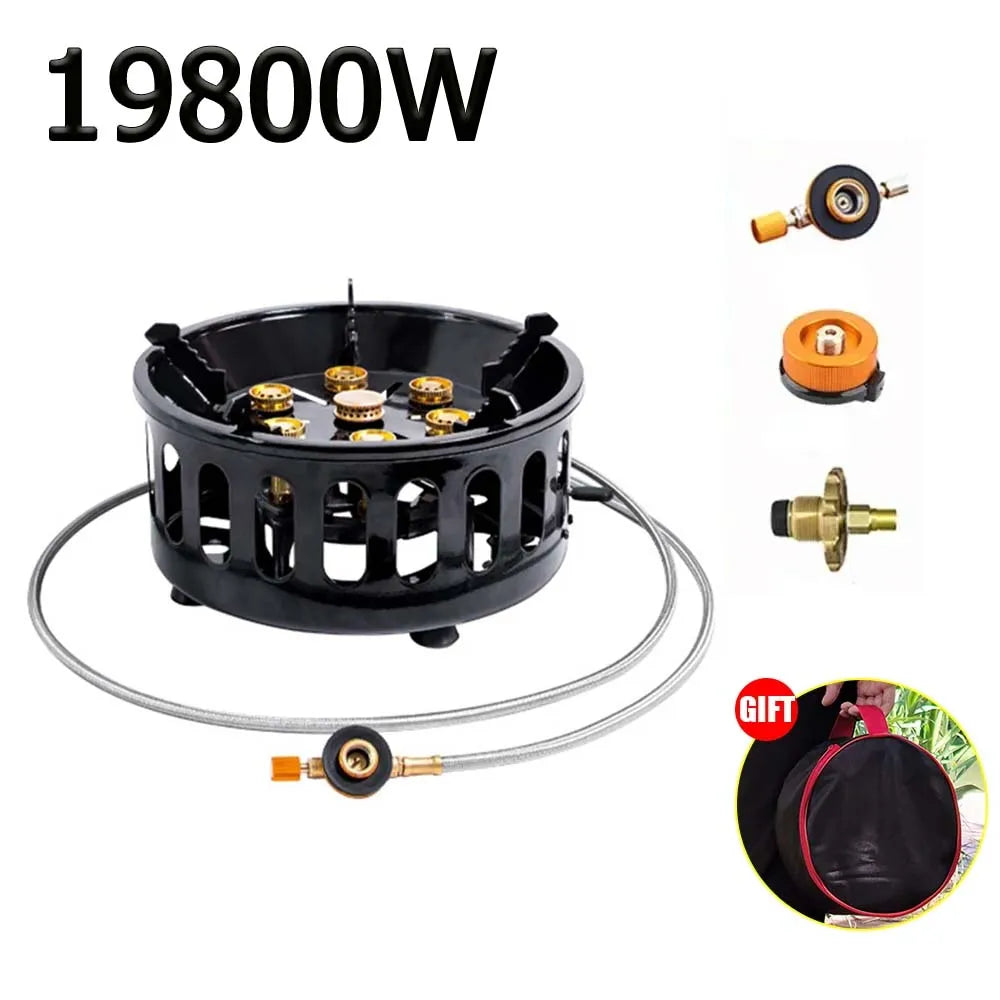
Lightweight design meets fast camping meals — See it in action
Why Ultralight Stoves Matter on the Trail
Weight savings become more noticeable the longer you carry your gear. An ultralight backpacking stove reduces the load of your cooking system, helping you hike farther with less strain while keeping your setup compact and efficient.
- Less fatigue: A lighter pack can make long-distance hiking more comfortable.
- Faster meal stops: Efficient burners help shorten cooking breaks on busy trail days.
- Simpler systems: Fewer components can mean easier setup and fewer parts to manage.
- Better mobility: Compact gear gives hikers more flexibility when adjusting routes or carrying additional essentials.
How to Choose the Best Ultralight Backpacking Stove
Choosing the best ultralight camp stove is not only about finding the lowest weight. The right stove depends on your trip style, fuel preference, cooking habits, and how much performance you need from your portable hiking stove.
Trip Style
Your backpacking style should guide your stove choice. A solo thru-hiker covering long distances may prioritize the lightest possible setup, while weekend campers may prefer a slightly heavier lightweight backpacking stove with improved stability and easier cooking.
- Thru-hiking: Prioritize low weight, fuel efficiency, and compact packing.
- Weekend trips: A balanced stove often provides better comfort without adding much weight.
- Base camping: Stability and cooking flexibility usually matter more than minimum weight.
Fuel Type Comparison
Fuel choice affects both performance and pack weight. Canister stoves remain popular because they are convenient, fast, and easy to use. Alcohol stoves can be extremely lightweight but may struggle in colder temperatures or windy environments. Liquid fuel systems offer reliability for demanding conditions but usually add more weight.
- Canister fuel: Best balance of speed, convenience, and simplicity.
- Alcohol fuel: Lightweight option for minimalist hikers who accept slower cooking.
- Liquid fuel: Better for extreme weather and longer expeditions.
Weight vs Performance
The lightest backpacking stove may save the most grams, but a slightly heavier model can provide better stability, stronger flame control, and faster cooking in real-world conditions. The best lightweight backpacking stove balances packability with dependable performance.
- Choose minimum weight for fastpacking and solo missions.
- Choose stability when using larger pots or cooking regularly.
- Choose efficiency for longer trips where fuel weight matters.
Cookware Compatibility
Your cookware affects which stove design works best. Small burners pair well with compact titanium pots and simple boil-only meals, while wider pot supports are better for larger cookware and more involved trail cooking.
- Check pot support size before buying a lightweight backpacking stove.
- Match stove power output with your typical meal style.
- Consider how the stove, fuel, and cookware pack together as one system.
What Is the Lightest Backpacking Stove?
The lightest backpacking stove models are designed for hikers who prioritize minimum pack weight above all else. Some minimalist burners weigh around 25–30 grams by removing extra features, reducing materials, and focusing on simple boil-focused cooking.
However, the lightest option is not always the most practical. Weight savings can come with trade-offs in stability, wind performance, simmer control, and fuel efficiency. Understanding these differences helps you choose the right ultralight camping stove for your style of hiking.
Typical weight categories include:
- 25–50g: Extreme ultralight stoves built for fastpacking, solo hikers, and weight-conscious setups
- 50–100g: Balanced lightweight backpacking stoves offering a better mix of performance and portability
- 100–200g: More stable systems designed for hikers who want easier cooking and stronger performance
Key Traits to Look For
- Compact folding design: Makes packing easier and reduces unused space in your cooking kit
- Efficient flame control: Helps manage fuel use and improves cooking flexibility
- Stable pot supports: Reduces tipping risk when using different cookware sizes
- Fuel compatibility: Ensures the stove matches your preferred fuel system and trip conditions
Ultralight Backpacking Stove Comparison (Weight, Boil Time, Fuel Efficiency)
This ultralight camping stove comparison highlights how different stove categories perform across weight, speed, efficiency, and intended use. The best choice depends on whether you value the smallest possible pack size or a more versatile cooking system.
| Category | Weight | Boil Time | Fuel Efficiency | Packed Size | Best For |
|---|---|---|---|---|---|
| Minimalist | 25–50g | 3–5 min | Lower | Very compact | Fastpacking, solo use, simple meals |
| Balanced | 50–100g | 2–4 min | Moderate | Compact | Most backpackers and weekend trips |
| Integrated Systems | 200g+ | 2–3 min | High | Larger but efficient | Cold, windy trips and fuel-conscious hikers |
When comparing lightweight backpacking stoves, remember that stove weight is only one part of the equation. On longer trips, fuel consumption, cooking speed, and reliability can matter more than saving a few extra grams.
Keep reading for wind, cold, and durability insights.
Real-World Performance: Wind, Cold, and Speed
Real-world trail conditions reveal the true strengths and limitations of ultralight backpacking stoves. Temperature, wind exposure, cookware choice, and fuel availability all influence how efficiently a stove performs outside controlled conditions.
Wind Performance
Wind is one of the biggest challenges for lightweight backpacking stoves. Minimalist burners often have open designs that lose heat quickly in exposed areas. Using a proper windscreen, selecting a sheltered cooking location, and positioning cookware correctly can improve boil times and reduce wasted fuel.
Cold Weather
Cold temperatures can reduce canister pressure and slow cooking performance. For winter backpacking or high-altitude trips, stoves designed with better cold-weather capability—such as remote canister systems or liquid fuel options—often provide more dependable performance than the lightest models.
Fuel Efficiency on Multi-Day Trips
For short overnight trips, a few extra grams of stove weight may not matter. On longer adventures, fuel efficiency becomes increasingly important because carrying additional fuel can outweigh the initial stove weight savings.
- Short trips: Prioritize simplicity and low carrying weight.
- Long-distance hikes: Balance stove weight with fuel consumption.
- Extended expeditions: Reliability and efficiency often matter more than minimum weight.
Durability and Stability
Modern ultralight materials can provide excellent durability, but extremely lightweight designs may have smaller pot supports or fewer protective features. Slightly heavier stoves often provide better stability when cooking larger meals or using bigger cookware.
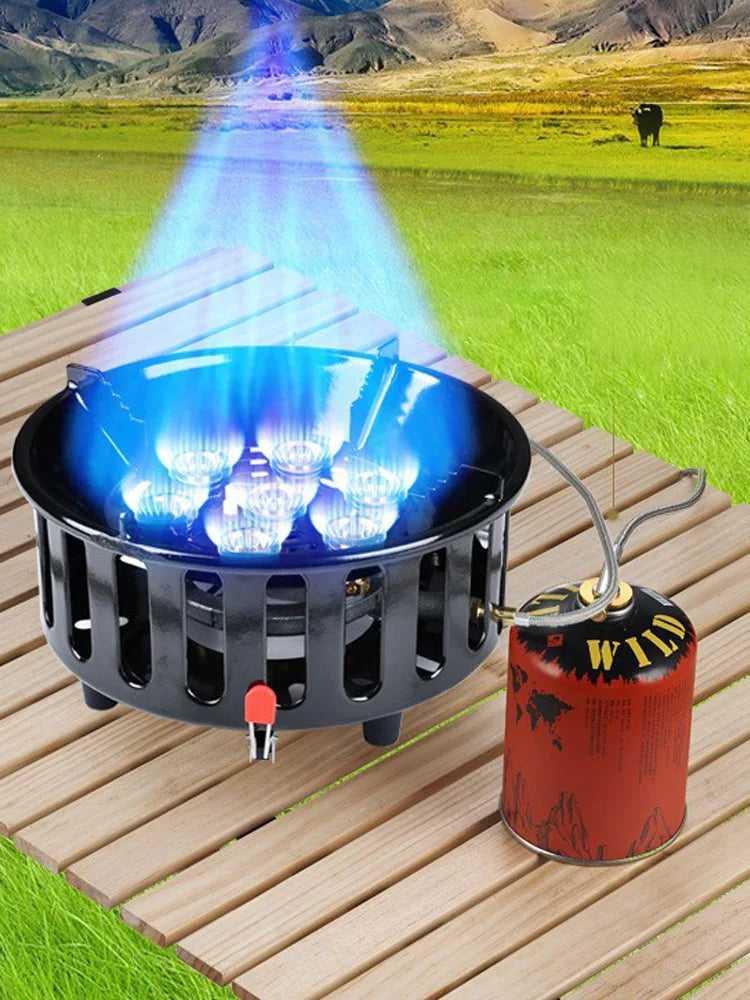
Compact power for outdoor camping stoves — See it in action
Best Ultralight Backpacking Stove Picks by Use Case
The best ultralight backpacking stove depends on how you hike, what you cook, and the conditions you expect on the trail. A stove that works perfectly for a solo fastpacking trip may not be the right choice for winter camping or shared meals.
Best Overall Ultralight Stove
The best overall ultralight stove is usually a balanced model that combines low weight, reliable boil times, stable pot support, and easy fuel availability. These stoves work well for most backpackers because they provide strong performance without adding unnecessary bulk.
A balanced setup is often the smartest choice for hikers who want one lightweight backpacking stove that can handle weekend trips, longer adventures, and everyday trail cooking.
Best Lightweight Backpacking Stove
The best lightweight backpacking stove for weight-focused hikers prioritizes portability above all else. Minimalist designs are ideal for fastpacking and long-distance hikers who mainly boil water and want the smallest possible cooking system.
- Lowest possible packed weight
- Compact storage size
- Simple operation with fewer components
The trade-off is that the smallest backpacking stove may provide less stability and fewer cooking features than heavier alternatives.
Best Budget Ultralight Stove
A budget-friendly ultralight stove can still deliver dependable performance for casual backpackers and beginners. Affordable models often provide excellent value by focusing on basic boiling capability rather than premium materials or advanced features.
For occasional hikers, choosing a reliable and easy-to-use stove can be more beneficial than paying extra for a few grams of weight savings.
Best for Thru-Hiking
Thru-hikers benefit from stoves that balance low weight with fuel efficiency. Over hundreds or thousands of miles, small differences in fuel use, packing size, and reliability can have a larger impact than the initial stove weight.
The ideal thru-hiking setup is lightweight, simple to maintain, and compatible with the fuel sources available along the route.
Best for Winter Camping
For cold-weather adventures, the lightest stove is not always the best choice. Remote canister systems and liquid fuel stoves often perform better in freezing temperatures because they maintain more consistent fuel delivery in challenging conditions.
Winter hikers should prioritize reliability, stability, and performance rather than choosing a stove based only on weight.
Frequently Asked Questions
What is the best ultralight backpacking stove for most hikers?
The best ultralight backpacking stove for most hikers is a balanced model that combines low weight, reliable performance, stable cookware support, and convenient fuel availability. A stove in the lightweight range often provides the best mix of portability and everyday usability.
What is the lightest backpacking stove available?
The lightest backpacking stoves typically weigh around 25–30 grams and are designed for hikers who prioritize minimum pack weight. These minimalist models work well for simple meals and fastpacking but may sacrifice stability, wind resistance, or cooking flexibility.
Are ultralight backpacking stoves reliable for long trips?
Yes, many ultralight backpacking stoves are reliable for long-distance trips when they are matched with the right conditions and maintained properly. For extended adventures, consider fuel efficiency, durability, replacement fuel availability, and weather performance in addition to weight.
Which fuel type is best for ultralight backpacking?
Canister fuel is often the preferred choice for ultralight backpacking because it offers a strong balance of convenience, speed, and simplicity. Alcohol and liquid fuel systems can also be useful depending on trip length, climate, and access to fuel sources.
What is the smallest backpacking stove that still performs well?
The smallest backpacking stove that performs well depends on your cooking style. Compact canister stoves around the ultralight weight range can handle basic boiling tasks effectively, while slightly larger designs may provide better stability for bigger pots and more frequent cooking.
How much fuel do lightweight backpacking stoves use per day?
Fuel usage depends on weather, altitude, stove efficiency, meal choices, and how often you cook. Backpackers who only boil water generally use less fuel than those preparing multiple meals or cooking in cold and windy conditions.
Do ultralight stoves work above tree line?
Ultralight stoves can work above tree line, but exposed environments require more careful setup. Wind protection, stable placement, and choosing an efficient fuel system become especially important in alpine conditions.
Is an integrated stove worth the extra weight?
An integrated stove system can be worth the additional weight for hikers who prioritize speed, fuel efficiency, and performance in difficult weather. For minimalist backpackers focused only on reducing pack weight, a separate ultralight stove may be the better choice.
Choose a stove system that matches your hiking style, cooking needs, and trail conditions.
Related Guide: High Power Camping Gas Stove Comparisons: Best Heat Without Hassle













