Does lighting design for theatre really enhance storytelling without distracting the audience?
Yes. Effective lighting design for theatre enhances storytelling by directing audience focus, revealing emotion, defining time and place, and adding visual depth without pulling attention away from performers. When a balanced stage lighting effect is combined with carefully controlled lighting smoke effects and stage fog effects, productions gain atmosphere, dimension, and dramatic impact while maintaining clear visibility and expressive performances.
Theatre Lighting Design: Principles, Techniques, and Stage Setup Guide
Lighting for theatres is about far more than illuminating a stage. Thoughtful theatre lighting design combines artistic vision with technical precision to shape mood, guide the audience's attention, reinforce storytelling, and create memorable visual experiences. Whether you're planning a professional production, a school performance, or a community theatre show, understanding theatre lighting basics helps every scene feel intentional without overwhelming the actors or the audience.
⏱ 6 min read
Explore how atmosphere, focus, and balanced stage lighting work together to elevate every scene.
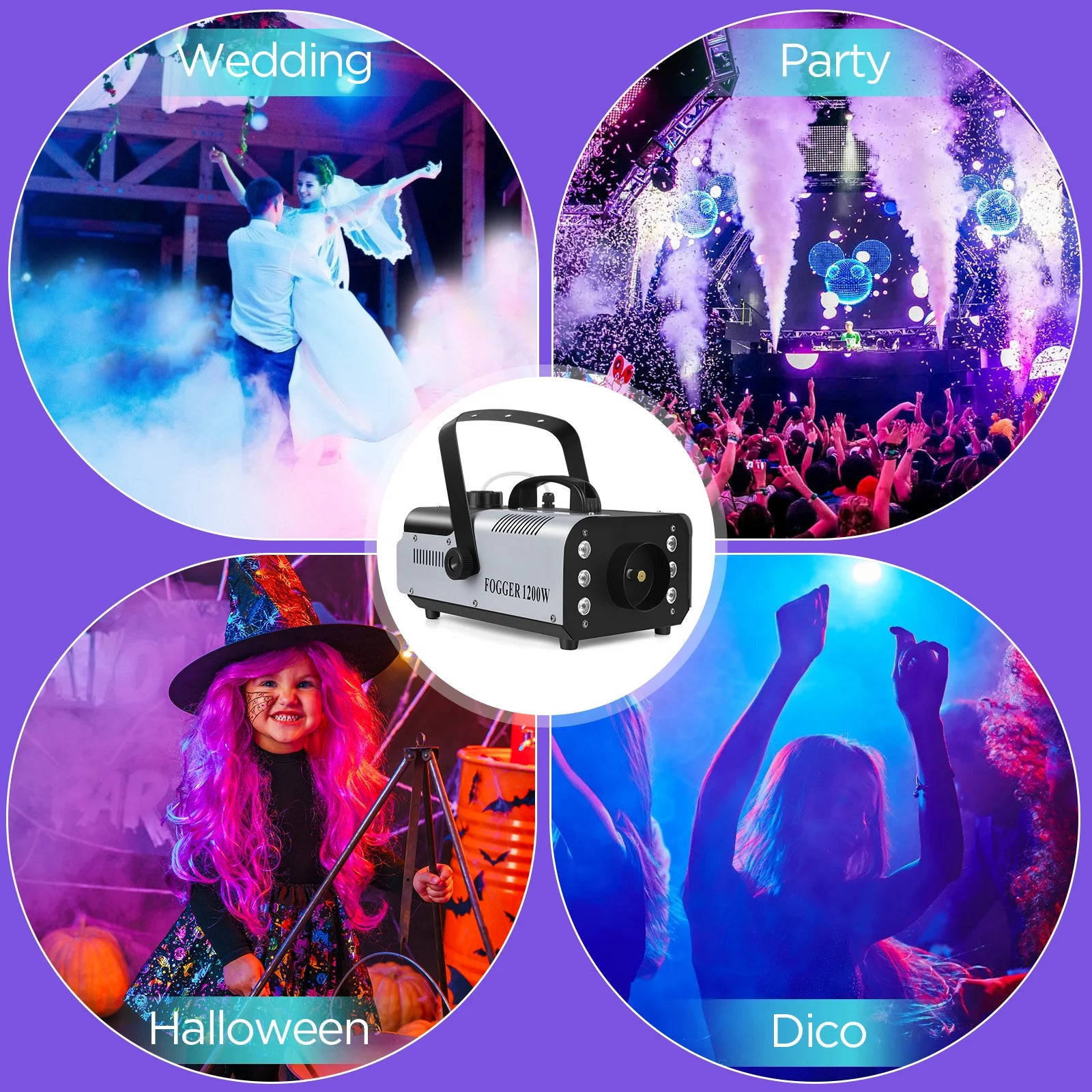
lighting for theatres with controlled stage lighting effect — See it in action
What Is Lighting Design in Theatre and Why Does It Matter?
Lighting design in theatre is the creative and technical process of using light to improve visibility, establish mood, support storytelling, and shape the audience's experience. Rather than simply making the stage brighter, lighting influences how every performance is perceived by controlling focus, composition, timing, and atmosphere.
The four functions of theatrical lighting
Professional theatre lighting is built around four primary functions:
- Visibility: Ensuring performers, scenery, and important actions can be clearly seen.
- Focus: Directing audience attention toward the most important characters or moments.
- Mood: Using brightness, color, and contrast to reinforce emotion and dramatic tension.
- Composition: Creating depth, balance, and visual structure that complements the scenic design.
When these functions work together, lighting becomes an essential storytelling tool instead of merely a source of illumination.
How lighting supports storytelling and emotion
Lighting communicates information that audiences often understand instinctively. Warm amber tones can create intimacy or nostalgia, while cool blue lighting may suggest isolation, nighttime, or mystery. Gradual fades, carefully timed cue changes, and shifting intensity help signal emotional transitions, scene changes, or the passage of time without interrupting dialogue or performance.
By reinforcing dramatic beats visually, lighting strengthens the emotional connection between performers and audiences throughout the production.
Key theatre lighting terminology
Understanding a few foundational terms makes it easier to plan and communicate a lighting design:
- Cue: A programmed lighting change triggered during a performance.
- Wash: Broad, even illumination covering a large area of the stage.
- Spotlight: A focused beam that highlights a performer or specific action.
- Fade: A smooth transition between lighting states.
- Intensity: The brightness level of a lighting fixture.
- Beam angle: The width and spread of light projected onto the stage.
Mastering these theatre lighting basics provides a strong foundation for designing productions that are visually engaging, technically reliable, and supportive of every performance.
The 4 Core Principles of Theatre Lighting Design
Successful lighting design balances artistic creativity with technical precision. Every lighting cue, fixture position, and color choice should reinforce the story while keeping performers clearly visible. The following principles form the foundation of effective stage lighting design for productions of every size.
Intensity: controlling brightness and contrast
Intensity determines how bright each lighting fixture appears and how visual emphasis is created across the stage. Rather than using maximum brightness everywhere, lighting designers vary intensity to establish focal points, reveal important action, and create contrast between foreground and background. Balanced intensity prevents performers from appearing washed out while maintaining comfortable viewing for the audience.
Color: shaping emotion and atmosphere
Color is one of the most powerful storytelling tools in theatre lighting. Warm amber, gold, and red tones often communicate intimacy, comfort, excitement, or tension, while cooler blues and purples can suggest isolation, mystery, evening scenes, or reflection. Carefully selected color palettes also help define locations, seasons, and shifts in dramatic mood without requiring dialogue.
Direction: how angle affects perception
The direction of light dramatically changes how actors and scenery appear. Front lighting provides facial clarity and natural visibility, side lighting emphasizes movement and physical expression, while back lighting separates performers from the set to create depth. Combining multiple angles produces a balanced image that feels both realistic and visually engaging.
Movement includes fades, cue transitions, crossfades, and programmed lighting sequences that guide audiences smoothly through changing scenes. Well-timed lighting changes reinforce pacing and emotion, allowing dramatic moments to unfold naturally instead of distracting from the performance.
Using lighting to direct audience attention
Beyond illumination, theatre lighting establishes visual hierarchy by leading the audience's eyes toward the most important action. Strategic contrast, selective brightness, and controlled beam placement naturally emphasize key performers while allowing secondary areas to recede. This approach creates dramatic focus without relying on excessive spotlight use, resulting in a more immersive theatrical experience.
| Lighting Choice | Primary Audience Effect |
|---|---|
| Warm spotlight or focused key light | Creates intimacy, trust, and emotional connection |
| Cool stage wash | Suggests distance, mystery, or quiet reflection |
| High-contrast lighting | Builds dramatic tension and directs visual focus |
| Soft blended lighting | Produces a natural, balanced scene with smooth transitions |
Essential Stage Lighting Positions (With Practical Examples)
Fixture placement is just as important as fixture selection. Strategic lighting positions create depth, improve facial visibility, and give designers greater control over mood and composition.
Front, back, and side lighting
Front lighting provides the primary illumination that allows audiences to clearly see performers and facial expressions. Back lighting separates actors from scenery by outlining their silhouettes, while side lighting reveals movement, costume texture, and body shape, making it especially valuable for dance, physical theatre, and emotionally expressive performances.
Lighting zones and stage coverage
Professional stages are typically divided into lighting zones so each section can be controlled independently. Overlapping beams ensure performers remain evenly lit as they move across the stage while allowing designers to isolate specific acting areas when required.
Top lighting and combining angles for depth
Top lighting creates natural shadows, enhances scenic texture, and adds dramatic emphasis during pivotal moments. When combined with front, side, and back lighting, it produces a layered three-dimensional appearance that helps scenery and performers stand out without overwhelming the audience with excessive brightness.
Stage Lighting Design Techniques for Different Performances
Every production has unique artistic and technical requirements. Effective lighting for theatre production adapts fixture placement, color, intensity, and cue timing to support the style of performance while maintaining clear visibility and consistent audience engagement.
Dramatic stage lighting techniques (theatre plays)
Dramatic productions often rely on selective illumination, carefully controlled shadows, and gradual cue transitions to reinforce emotional storytelling. Narrow beam angles, layered front and back lighting, and restrained color palettes help build suspense, reveal character relationships, and emphasize important dialogue without distracting from the actors.
Lighting for musicals and live performances
Musicals demand greater visual energy to complement choreography and music. Designers typically use brighter stage washes, faster lighting cues, vibrant color combinations, and dynamic movement to match changing tempos while ensuring performers remain consistently visible throughout complex staging.
Lighting for dance productions
Dance performances emphasize body movement, rhythm, and physical expression. Side lighting becomes particularly valuable because it defines muscle shape, highlights motion, and creates dramatic silhouettes. Combined with carefully positioned back lighting, it adds depth without overpowering the choreography.
Community and school theatre lighting
Community productions and school theatres often achieve professional-looking results with modest equipment. Prioritizing accurate fixture placement, balanced front lighting, and simple programmable cues delivers reliable performance quality while keeping operation manageable for smaller production teams.
Using Stage Fog and Lighting Effects Effectively
Theatrical lighting effects become significantly more immersive when combined with atmospheric effects. Properly controlled stage fog and haze reveal light beams, increase visual depth, and help define the mood of a performance without distracting from the actors or scenery.
When to use fog vs haze
Although both enhance lighting, they serve different creative purposes. Fog produces dense, short-lasting clouds that work well for dramatic entrances, supernatural scenes, or major visual moments. Haze creates a fine, consistent atmosphere that makes lighting beams visible throughout a performance while maintaining clear sightlines for the audience.
Timing and controlling atmospheric effects
Atmospheric effects should be introduced deliberately and coordinated with lighting cues. Gradual output allows beams and color changes to remain visible without obscuring performers, while careful cue timing ensures each effect supports the story instead of competing with it.
Avoiding overuse in small theatres
Smaller venues require a lighter touch because excessive fog can reduce visibility and soften facial expressions. Moderate output, adequate ventilation, and regular rehearsal testing help achieve an atmospheric look while preserving audience comfort and performer safety.
Consistent-output systems like the fog machine 1200w help maintain stable atmospheric effects without sudden bursts that distract from the performance.
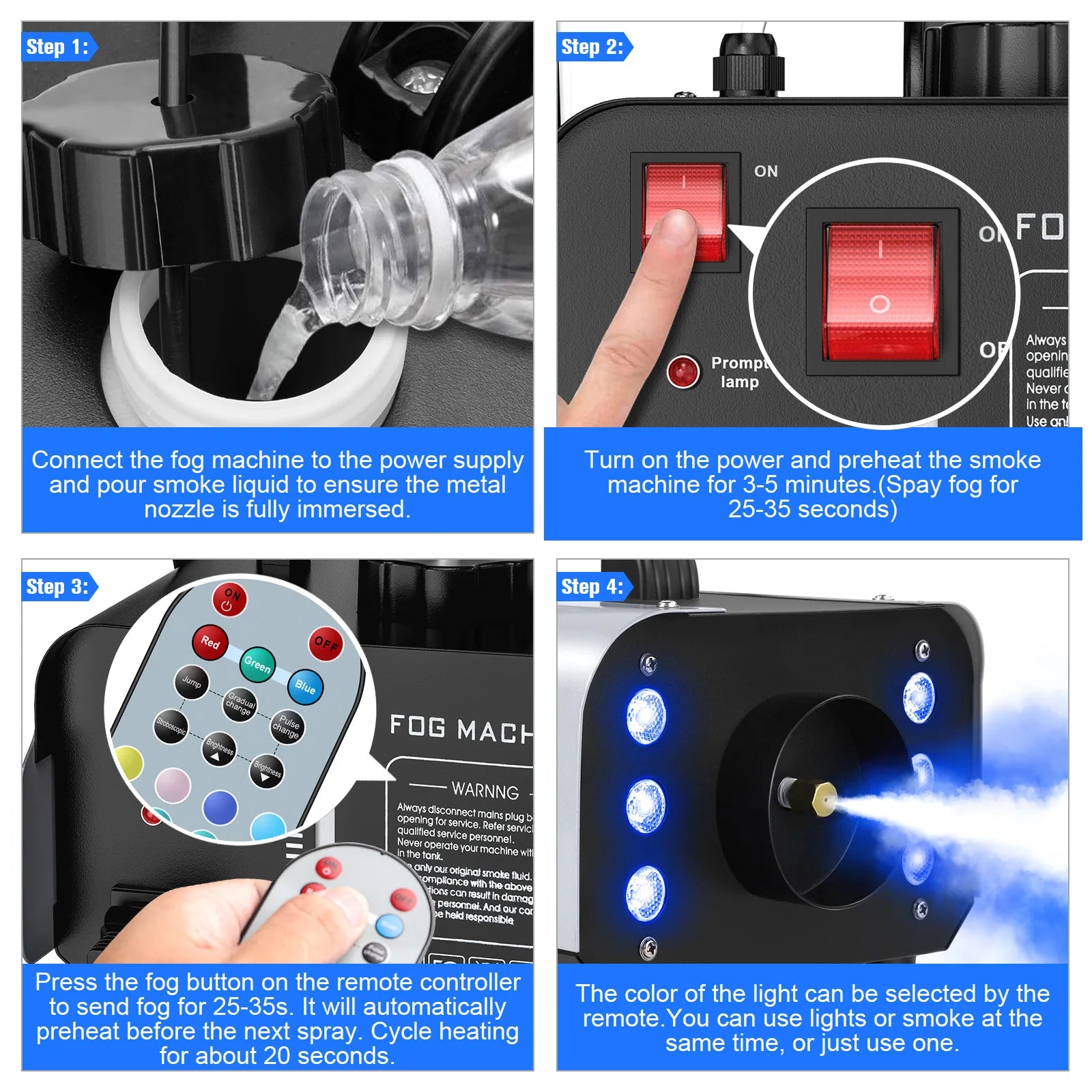
lighting smoke effects paired with stage lighting effect — See it in action
Step-by-Step Stage Lighting Setup for Beginners
A structured stage lighting setup simplifies installation, improves consistency during rehearsals, and makes cue programming more efficient. Following a logical workflow also helps identify potential issues before opening night.
Planning the rig
Start by reviewing the stage layout, performance requirements, and available rigging positions. Divide the performance area into lighting zones and determine where key, fill, back, and special-effect lighting will provide the best coverage.
Basic equipment
Most beginner theatre lighting setups require only essential components: lighting fixtures, secure stands or rigging, a lighting controller, appropriate power distribution, and signal cables. Well-positioned equipment often produces better results than simply adding more fixtures.
Focus and patching
After installing the fixtures, focus each beam on its intended stage area and verify that every fixture is correctly patched to the lighting controller. This ensures cues operate predictably during rehearsals and performances.
Testing cues
- Run every programmed lighting cue in sequence.
- Check performer visibility from multiple audience positions.
- Adjust beam angles, intensity, and timing to create smooth transitions.
- Complete a full technical rehearsal before the live performance to confirm consistency.
Practical Theatre Lighting Tips for Better Results
Professional-looking stage lighting often comes from thoughtful planning rather than expensive equipment. Consistent testing, purposeful fixture placement, and simple design choices can dramatically improve audience experience in theatres of any size.
Common beginner mistakes to avoid
- Using excessive brightness that flattens scenery and washes out performers.
- Ignoring lighting angles, resulting in harsh facial shadows or uneven coverage.
- Adding too many colors instead of maintaining a consistent visual palette.
- Programming lighting cues without rehearsing them alongside performers.
- Overusing atmospheric effects that reduce visibility rather than enhance the scene.
Quick improvements for low-budget setups
- Prioritize accurate fixture positioning before purchasing additional lights.
- Use front, side, and back lighting together to create natural depth.
- Select a limited color palette that supports the production's mood.
- Walk the audience area during rehearsals to check sightlines and beam coverage.
- Test lighting, sound, and atmospheric effects together before each performance.
For smaller venues, curated setups from the Lifestyle collection can provide flexible, easy-to-control lighting solutions.
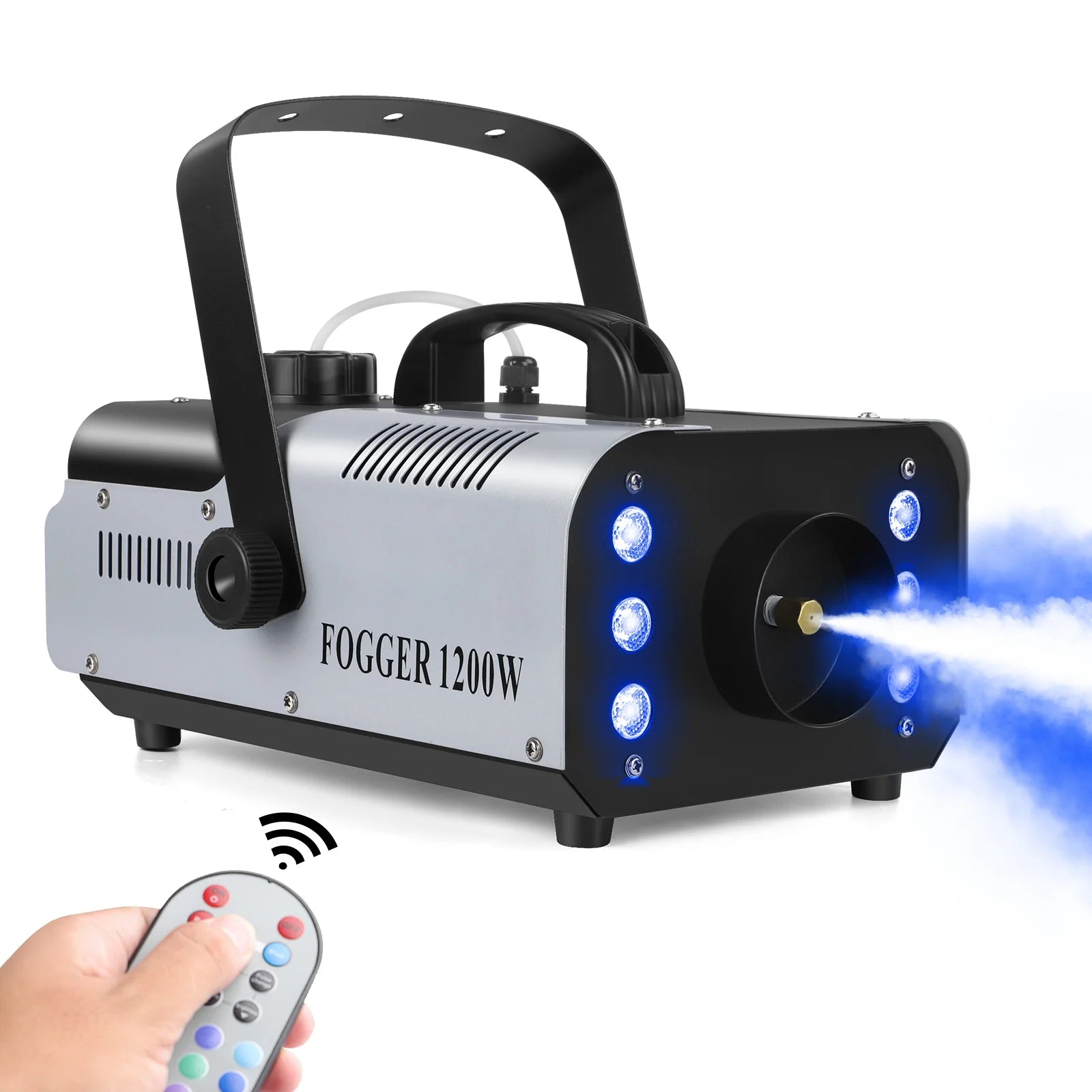
stage fog effects enhancing theatrical mood lighting — See it in action
Frequently Asked Questions
What is lighting design in theatre?
Lighting design in theatre is the process of planning and controlling light to improve visibility, communicate mood, guide audience attention, and support storytelling. It combines artistic creativity with technical knowledge to create a cohesive visual experience.
Why is lighting important in theatre?
Lighting helps audiences understand where to look, establishes atmosphere, reveals emotion, and supports scene transitions. Without effective lighting, even strong performances can lose visual clarity and dramatic impact.
What are the four functions of theatrical lighting?
The four primary functions are visibility, focus, mood, and composition. Together, they ensure performers remain visible while reinforcing the story's emotional and visual direction.
What are the main types of lighting in theatre?
Common types include front lighting, side lighting, back lighting, top lighting, spotlights, wash lighting, and special-effect lighting. Each serves a different purpose depending on the production's artistic goals.
How do you design stage lighting for a play?
Begin by analyzing the script, identifying key emotional moments, planning fixture positions, programming lighting cues, and refining the design during technical rehearsals. Every lighting decision should support the story and the performers.
What is the difference between theatrical lighting effects and special effects?
Theatrical lighting effects are created using color, intensity, movement, beam angles, and lighting fixtures to enhance storytelling. Special effects include atmospheric elements such as fog, haze, pyrotechnics, or projections that complement the lighting design.
How many lights does a small theatre need?
Many small theatres achieve excellent results with approximately three to five well-positioned fixtures for simple productions, although larger stages or more complex performances may require additional lighting zones and fixtures.
Should I use fog or haze for stage lighting?
Choose fog for short-lived, dramatic visual moments and haze for continuous enhancement of lighting beams throughout a performance. Haze is generally the preferred option for maintaining visibility while creating depth across the stage.
Discover tools trusted by theatre professionals today.
Related Guide: Best Fog Machine for Parties That Match Your Event Style