

Do Hand Therapy Exercises for Seniors Really Improve Hand Function at Home?
Hand therapy exercises for seniors can help improve strength, coordination, flexibility, and confidence when they are performed consistently and matched to an individual’s abilities. While results vary depending on the cause of limited mobility, regular movement practice can support better hand function and make everyday activities easier.
Home-based hand rehabilitation is often appropriate for seniors managing age-related stiffness, reduced grip strength, arthritis discomfort, or recovery after certain injuries. However, severe weakness, sudden loss of movement, or symptoms after a stroke or surgery may require guidance from an occupational therapist or healthcare professional.
Hand Therapy Exercises for Seniors (Complete At-Home Guide)
Losing strength, flexibility, or coordination in your hands can affect simple daily activities—from opening containers and holding utensils to buttoning clothes or using a phone. The good news is that regular hand therapy exercises for seniors can support mobility, improve dexterity, and help older adults maintain greater independence at home.
⏱ 6 min read
Explore practical solutions designed to complement daily hand wellness routines.
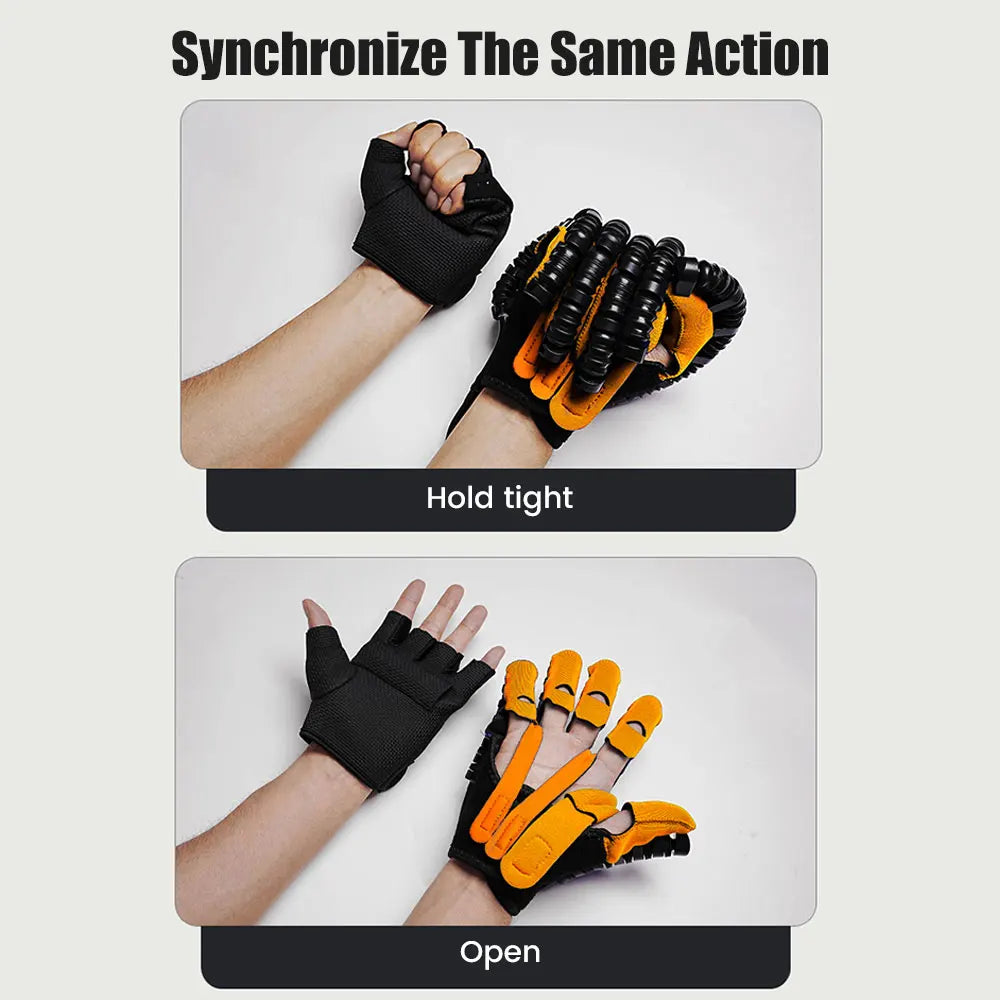
Robotic-assisted motion designed for limited hand mobility recovery
Why Hand Mobility Changes With Age — and What You Can Do
Changes in hand strength and movement are common as people age, but reduced mobility does not always mean losing independence. Targeted hand mobility exercises for elderly adults can help maintain joint flexibility, improve muscle control, and support daily function when practiced regularly.
Common causes of reduced hand mobility
Limited hand movement can develop for many reasons, including changes in joints, muscles, nerves, or previous injuries.
- Arthritis: Joint inflammation and stiffness can make finger movement uncomfortable and reduce flexibility.
- Stroke: Changes in brain-to-muscle communication can affect grip, coordination, and controlled finger movement.
- Injury or surgery: Healing tissues, swelling, or periods of reduced activity may limit range of motion.
- Nerve conditions: Nerve-related issues can contribute to weakness, numbness, or difficulty controlling hand movements.
- Age-related muscle loss: Reduced muscle strength over time can affect grip and endurance.
How hand therapy improves strength, mobility, and dexterity
Consistent hand rehabilitation exercises at home may help seniors by supporting:
- Better joint movement and flexibility
- Improved grip strength and muscle endurance
- Greater finger coordination for precise tasks
- Practice of movement patterns needed for everyday activities
- Improved hand control during recovery programs
Learning how to improve hand dexterity in elderly adults often starts with simple, repeatable movements. Small improvements in finger control and strength can make tasks such as dressing, eating, writing, and personal care easier over time.
Quick Warm-Up Routine Before Hand Therapy (Do This First)
A proper warm-up prepares the hands before exercise by increasing circulation, reducing stiffness, and helping joints move more comfortably. This is especially important for seniors with arthritis or limited flexibility.
Gentle circulation exercises
- Warm compress: Apply a warm towel to your hands for 3–5 minutes to help relax stiff joints.
- Wrist circles: Slowly rotate each wrist clockwise and counterclockwise for 10 repetitions.
- Finger shakes: Gently shake your hands for 20–30 seconds to encourage relaxation.
- Open and close fists: Slowly make a fist and release it 10–15 times without forcing the movement.
Joint mobility preparation
After warming up, gently move each finger through a comfortable range of motion. Avoid pushing through sharp pain. The goal is to prepare the muscles and joints for exercise, not to create strain.
This simple preparation routine makes hand rehabilitation exercises at home more comfortable and helps seniors complete movements with better control.
Best Hand Therapy Exercises for Seniors (Step-by-Step Guide)
The following hand therapy exercises for seniors focus on flexibility, strength, and coordination. Start slowly, perform movements with control, and increase repetitions gradually as comfort improves.
Finger stretches for flexibility
- Place your hand flat on a table with fingers relaxed.
- Use your opposite hand to gently lift one finger at a time.
- Hold each stretch for 5–10 seconds.
- Repeat 5 times per finger.
Common mistake: Avoid pulling fingers forcefully. Gentle stretching is more effective than aggressive movement.
Hand strengthening exercises for seniors
- Hold a soft exercise ball or therapy putty.
- Squeeze gently and hold for 3–5 seconds.
- Slowly release the pressure.
- Repeat 10–15 times.
These hand strengthening exercises for seniors help support grip control needed for holding objects and completing daily tasks.
Finger mobility exercises for arthritis relief
- Touch your thumb to each fingertip one at a time.
- Create an “O” shape by bringing the thumb and each finger together.
- Repeat the sequence 10 times.
These gentle finger mobility exercises for seniors can help maintain movement in stiff joints without placing excessive stress on the fingers.
Stroke hand recovery exercises
- Support the affected hand with your stronger hand if needed.
- Slowly practice opening and closing the fingers.
- Pick up lightweight objects such as coins or buttons.
- Repeat regularly to practice coordination and control.
Stroke hand recovery exercises should be performed at a comfortable pace and may work best when combined with guidance from a rehabilitation professional.
These exercises provide a foundation for improving flexibility, strength, and coordination while helping seniors work toward better hand function.
Hand Rehabilitation Exercises at Home by Difficulty Level
The best hand rehabilitation exercises at home should match your current ability level. Starting with manageable movements helps prevent frustration, reduces the risk of overuse, and allows seniors to build confidence gradually.
Beginner (limited mobility)
These exercises are suitable for seniors who experience stiffness, weakness, or difficulty moving individual fingers.
- Passive finger stretches: Use your opposite hand to gently move stiff fingers through a comfortable range of motion.
- Assisted fist opening and closing: Slowly make and release a fist while using support if needed.
- Table slides: Place your hand flat on a table and gently slide it forward and backward to encourage wrist and finger movement.
Intermediate (regaining strength)
Once basic movement becomes easier, focus on exercises that improve grip strength and muscle control.
- Grip strengthening with a soft ball: Squeeze gently, hold for a few seconds, and release slowly.
- Finger lifts and spreads: Lift each finger individually from a flat surface, then practice spreading fingers apart.
- Rubber band resistance exercises: Place a soft resistance band around fingers and slowly open the hand against resistance.
Advanced (fine motor control and dexterity)
Advanced exercises focus on coordination needed for everyday activities such as dressing, writing, and handling small objects.
- Picking up small objects: Practice moving coins, beads, or buttons to improve precision.
- Buttoning and unbuttoning practice: Repeat clothing fastener movements to train fine motor skills.
- Writing or drawing exercises: Practice controlled hand movements to improve coordination.
Progress gradually and focus on quality of movement rather than completing exercises quickly. Consistency matters more than intensity when building hand strength and dexterity.
How Often Should Seniors Do Hand Therapy Exercises?
The ideal routine depends on overall health, mobility level, and recovery goals. For many seniors, short and regular sessions are easier to maintain than occasional longer workouts.
- Frequency: 1–2 times daily
- Duration: 10–20 minutes per session
- Repetitions: 8–15 repetitions per exercise
Regular practice helps reinforce movement patterns and supports long-term improvements. Seniors should monitor how their hands feel after each session and adjust exercise intensity when needed.
If stiffness increases, soreness lasts longer than expected, or movements become more difficult, reducing repetitions or seeking professional guidance may be appropriate. A consistent routine with proper technique is usually more beneficial than pushing through discomfort.
Hand Therapy Devices for Seniors (Optional Tools That Help)
Hand therapy devices for seniors can provide additional support when combined with regular exercises. These tools are not required for everyone, but they may make routines easier to perform and help target specific goals such as grip strength, flexibility, and coordination.
Therapy putty exercises for hands
Therapy putty is a flexible resistance tool often used for improving hand strength and finger control.
- Squeeze and hold: Strengthens grip muscles by gently compressing the putty.
- Stretch and pull: Encourages finger extension and flexibility.
- Pinch exercises: Helps train thumb and fingertip coordination for daily tasks.
Grip trainers and rehabilitation equipment
Different tools target different aspects of hand function. Choosing the right option depends on mobility level and comfort.
- Hand exercise balls: Support gentle grip strengthening.
- Finger resistance bands: Help train finger extension and control.
- Grip strengtheners: Provide resistance-based strengthening exercises.
- Hand rehabilitation equipment for home use: Can support structured exercise routines for seniors recovering from weakness or reduced mobility.
These tools can enhance hand strengthening exercises for seniors and make routines more engaging. Explore more options in our Body Care and Health Devices.
For seniors who need additional assisted movement support, guided rehabilitation equipment may complement regular exercises, such as this hand therapy machine.
Weekly Hand Therapy Routine for Seniors (Simple Schedule)
A consistent weekly routine helps seniors build hand strength, maintain flexibility, and practice movements needed for everyday activities. The goal is steady progress rather than completing intense workouts.
Daily schedule
- Monday–Friday: Complete a warm-up followed by 3–5 hand therapy exercises for around 10–20 minutes.
- Saturday: Focus on gentle stretching, mobility exercises, or enjoyable activities that involve hand movement.
- Sunday: Rest or perform light range-of-motion exercises if your hands feel comfortable.
Rest days
Rest is an important part of recovery because muscles, joints, and connective tissues need time to adapt. Seniors should avoid forcing movements when hands feel overly tired, swollen, or painful.
Progress tracking
Tracking small improvements can help maintain motivation and identify which exercises are most helpful. Consider monitoring:
- How long you can hold objects comfortably
- Changes in grip strength
- Finger flexibility and range of motion
- Ability to complete daily tasks more independently
Progress may happen gradually. Regular practice over weeks and months is often more important than short periods of intense exercise.
How Often Should Seniors Perform Hand Therapy?
Most seniors benefit from performing hand rehabilitation exercises at home regularly, but the right frequency depends on mobility level, recovery goals, and overall health.
- Exercise frequency: Many people start with 1–2 sessions daily.
- Recovery time: Allow hands to rest between challenging exercises, especially when building strength.
- Pain monitoring: Mild muscle fatigue can be normal, but sharp pain or worsening symptoms should not be ignored.
- Long-term maintenance: Continued gentle movement can help preserve flexibility and function after improvement.
Short, consistent sessions are usually easier to maintain than occasional long workouts. Seniors should adjust their routine based on comfort and follow professional recommendations when recovering from injury, surgery, or neurological conditions.
Safety Tips for Hand Therapy Exercises (Important for Seniors)
- Know the difference between discomfort and pain: Gentle stretching or mild muscle fatigue may be expected, but sharp pain is a signal to stop.
- Start slowly: Increase repetitions and resistance gradually instead of pushing too hard at the beginning.
- Use proper technique: Controlled movements are more beneficial than fast or forceful repetitions.
- Warm up before exercising: Preparing joints and muscles can make movement more comfortable.
- Consider professional guidance when needed: Seniors recovering after stroke, surgery, or significant injury may benefit from occupational therapy hand exercises designed for their condition.
Safe and consistent practice helps seniors continue improving hand mobility while reducing the chance of unnecessary strain.
Building Independence Through Better Hand Function
Improving hand strength and coordination can support greater independence in daily routines. As movement improves, many seniors find it easier to manage tasks that require grip, precision, and finger control.
- Holding cups, utensils, and household items more securely
- Managing clothing fasteners such as buttons and zippers
- Using phones, keyboards, and writing tools more comfortably
- Completing personal care activities with less assistance
Hand therapy is not only about movement—it is also about helping seniors feel more capable and confident while maintaining an active lifestyle.
Safety Tips for Hand Therapy Exercises (Important for Seniors)
Safe practice is essential when performing hand therapy exercises for seniors. The goal is to improve mobility, strength, and coordination while protecting joints, muscles, and recovering tissues from unnecessary strain.
- Know when to stop: Stop exercising if you experience sharp pain, sudden swelling, numbness, or a noticeable worsening of symptoms.
- Understand pain versus soreness: Mild stretching or temporary muscle fatigue may occur, but exercises should not cause significant pain.
- Use proper technique: Perform movements slowly and with control. Avoid forcing fingers or joints beyond a comfortable range of motion.
- Increase difficulty gradually: Add repetitions, resistance, or more challenging exercises only after basic movements feel comfortable.
- Make exercises accessible: Use supportive seating, good lighting, and comfortable positioning to reduce fatigue and improve safety.
- Seek professional guidance when needed: Seniors recovering from stroke, surgery, or significant hand injuries may benefit from evaluation by a healthcare professional or occupational therapist.
Following safe exercise habits helps create a sustainable routine and supports long-term improvement in hand function.

Consistent home sessions support measurable recovery
Explore the Rehabilitation Robot Glove
Frequently Asked Questions
What are the best hand therapy exercises for seniors?
The best exercises depend on a senior’s goals and current ability level. Common options include finger stretches, thumb mobility movements, grip strengthening, tendon glides, therapy putty exercises, and coordination activities such as picking up small objects.
How often should seniors perform hand therapy exercises?
Many seniors benefit from short daily sessions, often around 10–20 minutes once or twice per day. Consistency is usually more important than doing long sessions occasionally. Exercise frequency should be adjusted based on comfort, recovery needs, and professional recommendations.
Can hand exercises improve arthritis symptoms?
Gentle hand exercises may help improve flexibility, maintain movement, and support joint function for seniors with arthritis. Exercises should focus on controlled motion and avoid movements that increase joint pain or irritation.
What exercises help improve hand strength after stroke?
Stroke hand recovery exercises often focus on rebuilding coordination and encouraging controlled movement. Examples include assisted finger opening and closing, thumb opposition practice, grasp-and-release activities, and tasks that improve fine motor control.
How can seniors improve finger dexterity at home?
Seniors can improve finger dexterity by practicing activities that require precision, such as buttoning clothing, moving coins, writing, sorting small objects, and performing finger mobility exercises regularly.
Are therapy putty exercises safe for older adults?
Therapy putty exercises are generally suitable for many older adults when performed with the correct resistance level and proper technique. Seniors should choose a resistance that allows controlled movement without causing pain or excessive fatigue.
What therapy tools are most helpful?
The most useful hand therapy tools depend on individual needs. Therapy putty, soft exercise balls, finger resistance tools, and other hand rehabilitation equipment can support strength, flexibility, and coordination when used appropriately.
When should I stop hand therapy exercises and seek medical advice?
Stop exercises and seek medical guidance if you experience severe pain, sudden weakness, loss of sensation, significant swelling, or symptoms that continue to worsen. Professional support may be especially important after stroke, surgery, or serious injury.
Related Guide: Hand Stiffness After Stroke: Who Benefits Most













