

Does lithium batteries LiFePO4 really outlast traditional battery options?
Lithium batteries LiFePO4 are engineered for extended lifespan, high safety, and reliable power delivery compared to lead-acid and older lithium batteries. With thousands of charge cycles, stable chemistry, and efficient energy output, they are ideal for modern home solar backup systems, reducing maintenance needs and long-term replacement costs.
⏱ 7 min read
Lithium Batteries LiFePO4 Features That Outlast Traditional Options
Frequent power outages can disrupt daily life—impacting meals, devices, and security systems. Choosing the right backup power solution is critical. Lithium batteries LiFePO4 provide a durable, safe, and consistent energy source, making them a preferred choice for modern home solar backup systems.
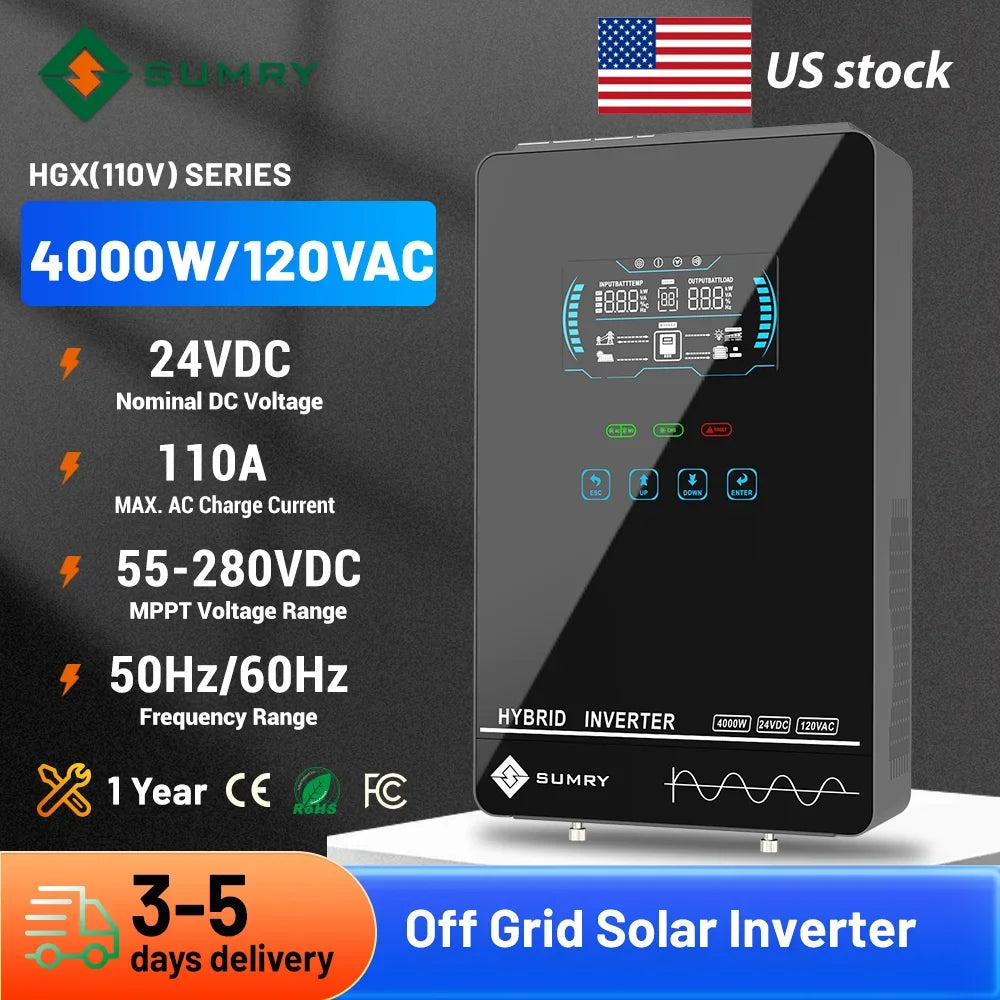
Lithium batteries LiFePO4 supporting stable backup solar power for home use See it in action
What Are Lithium Batteries LiFePO4?
LiFePO4, short for lithium iron phosphate, is a type of lithium battery recognized for its stable chemistry, long lifespan, and high safety standards. Unlike traditional lead-acid or standard lithium-ion batteries, LiFePO4 maintains consistent voltage and resists thermal runaway, making it suitable for home solar systems, RVs, marine use, and backup power solutions.
How LiFePO4 Chemistry Works
LiFePO4 batteries utilize iron phosphate as the cathode material, which creates a more stable crystal structure. This reduces overheating risks and prevents issues common to lithium-ion batteries, such as fire hazards or rapid capacity loss. The stable chemistry supports thousands of charge-discharge cycles with minimal degradation.
Key Specifications and Ratings
- Nominal Voltage: 3.2V per cell
- Cycle Life: 2,000–5,000 cycles
- Temperature Range: -20°C to 60°C for discharge
- Energy Density: Moderate, but safer than lithium-ion
Why LiFePO4 Outlasts Traditional Battery Types
LiFePO4 batteries outperform traditional chemistries due to their longevity and stability. Lead-acid batteries degrade after 500–1,000 cycles, and standard lithium-ion may decline after 1,500–2,000 cycles, while LiFePO4 batteries regularly reach 3,000–5,000 cycles.
LiFePO4 Battery Lifespan Explained
Each charge-discharge cycle slightly reduces total capacity. LiFePO4 cells experience minimal degradation thanks to their stable cathode, ensuring consistent energy output even after thousands of cycles—ideal for solar energy storage and frequent-use applications.
Lifecycle Cost Comparison
Although LiFePO4 batteries have higher upfront costs than lead-acid options, their extended lifespan and lower maintenance lead to a reduced total cost of ownership. Over 10 years, they can cost 30–50% less than lead-acid when factoring in replacements and efficiency losses.
How LiFePO4 Improves Safety for Families
Safety is a critical factor when energy storage is located inside or near your home. LiFePO4 batteries resist overheating, thermal runaway, and fire risks, providing reliable power without compromising safety.
LiFePO4 Safety Features and Protections
- Non-flammable cathode material
- Stable voltage under heavy loads
- Minimal off-gassing compared to lead-acid
Battery Management System (BMS) Overview
A built-in BMS protects against overcurrent, overvoltage, short circuits, and balances individual cells for longer life. Understanding BMS functionality helps optimize battery performance and ensures safe operation.
Better Performance for Home Solar Backup Systems
LiFePO4 batteries are ideal for solar energy storage due to high cycle life and consistent output. They ensure reliable backup power during outages and maximize the efficiency of home solar systems.
LiFePO4 vs Lithium-Ion vs Lead-Acid for Solar
- Lead-Acid: Lower cost, shorter lifespan, limited depth of discharge
- Lithium-Ion: Higher energy density, faster degradation, thermal risks
- LiFePO4: Long lifespan, stable voltage, deep cycle capable, and safe
Best Practices for Charging and Maintenance
Maintain optimal operating temperatures, avoid discharges below 10%, and use compatible chargers. Regularly inspect the BMS and connections to prevent failures and extend battery life.
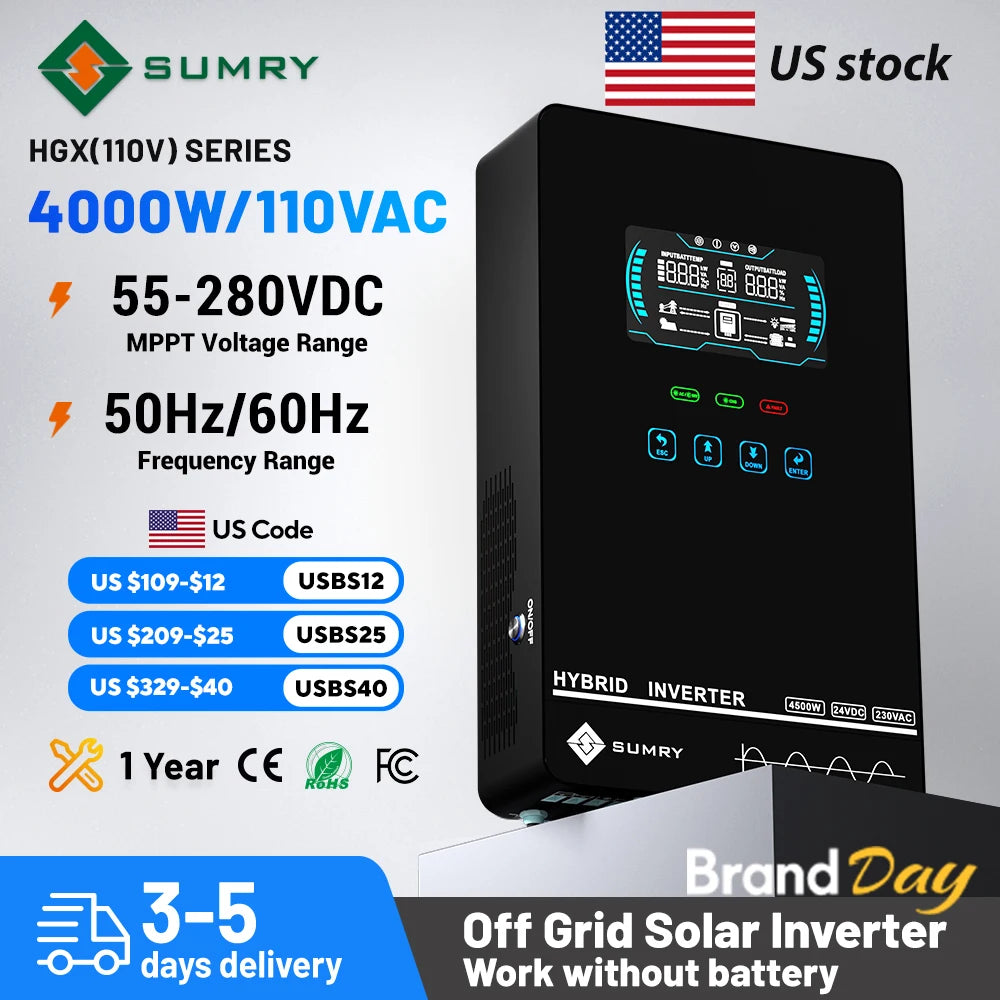
Battery types for solar designed for long-term reliability See it in action
LiFePO4 vs Traditional Battery Options
| Feature | LiFePO4 | Lead-Acid | Older Lithium |
|---|---|---|---|
| Typical Lifespan | 10–15 years | 3–5 years | 5–8 years |
| Safety Stability | Very High | Moderate | Lower |
| Usable Capacity | 80–90% | 50% | 70% |
| Maintenance | Minimal | Regular | Low |
Advantages of LiFePO4 Over Lead-Acid
- 3–5x longer cycle life
- Higher depth of discharge (80–100%)
- Lower maintenance and no acid handling
Advantages of LiFePO4 Over Lithium-Ion
- Safer thermal profile, reduced fire risk
- Longer usable lifespan
- Stable voltage output throughout discharge
Use Case Scenarios (RV, Marine, Off-Grid)
LiFePO4 batteries are excellent for RV trips, marine applications, and off-grid solar setups due to their lightweight design, deep cycle capability, and minimal maintenance needs.
Real-World Results During Power Outages
Performance Benchmarks
LiFePO4 batteries maintain 90–95% capacity after 2,000 cycles, outperforming lead-acid alternatives which can drop below 70%. Stable voltage under heavy loads ensures uninterrupted power supply for critical home devices.
User Testimonials / Case Studies
“Our Wi-Fi and fridge stayed on through a 12-hour outage with no stress,” one homeowner shared. RV and marine users also report improved efficiency and lighter battery weight, highlighting LiFePO4's practical benefits.
Seamless Integration With Modern Inverters
LiFePO4 systems integrate cleanly with off-grid and hybrid inverters. Paired with a reliable off-grid solar inverter , users gain smarter energy management, automatic recharging, and flexible expansion options.
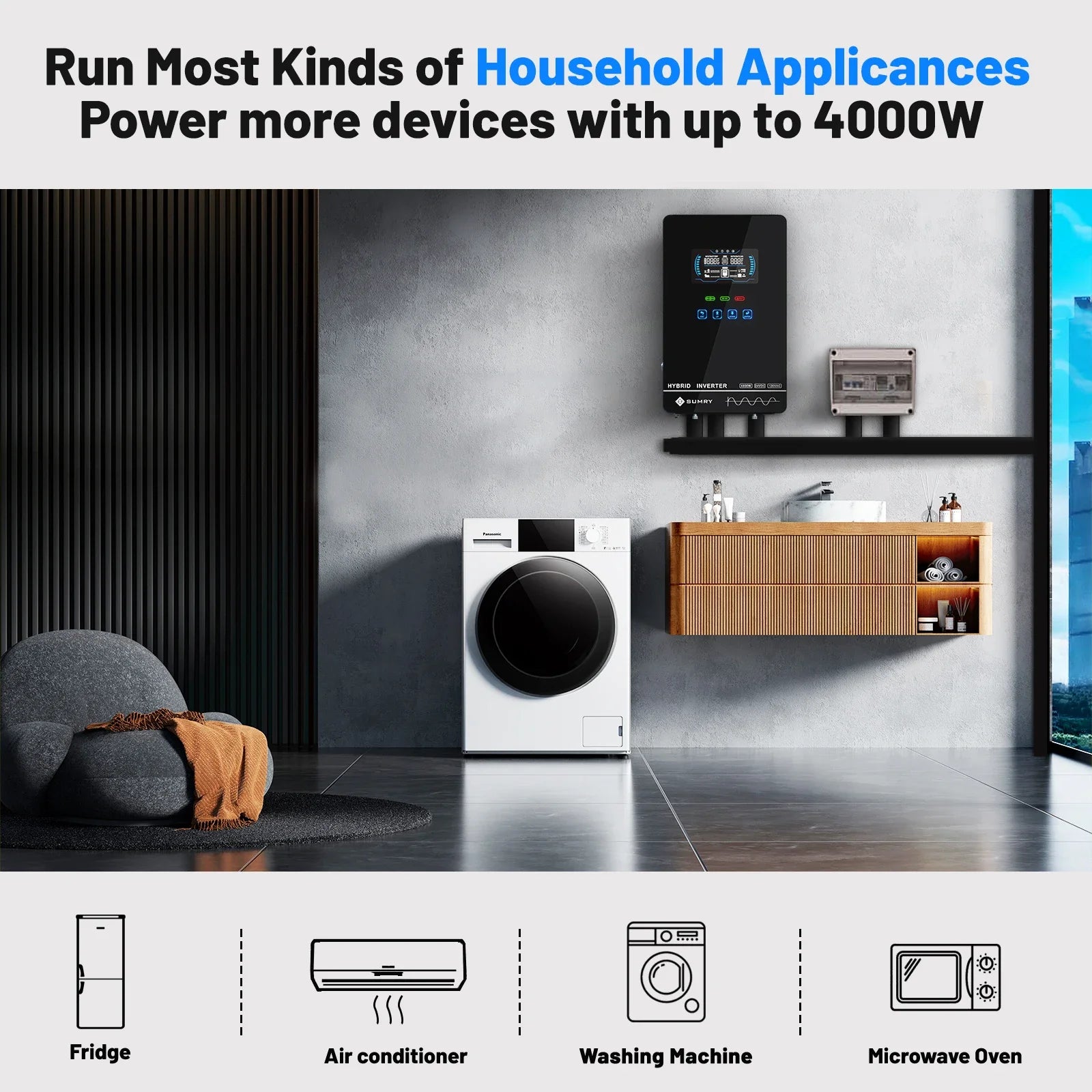
Family power backup built for frequent power outages See it in action
Frequently Asked Questions
Are lithium batteries LiFePO4 suitable for frequent power outages?
Yes. Their long cycle life, fast response, and stable output make them ideal for areas with frequent power outages and emergency home power needs.
Do LiFePO4 batteries require special maintenance?
No. They are largely maintenance-free, unlike lead-acid batteries that require regular checks and replacements.
Can LiFePO4 work with existing solar setups?
Most modern systems support lithium battery integration, especially when paired with compatible inverters designed for home solar backup systems.
What is the temperature tolerance of LiFePO4 batteries?
LiFePO4 batteries operate between -20°C and 60°C for discharge, with optimal charging between 0°C and 45°C. Extreme temperatures may temporarily reduce lifespan.
Can LiFePO4 batteries be used as deep cycle batteries?
Yes, LiFePO4 batteries are suitable for deep cycle use, supporting full discharges without significant capacity loss.
Related Guide: Clean Stable AC Power Explained for Safer Home Energy
UPGRADE PLAN { "outline": [ { "action": "MODIFY", "h2": "What Are LiFePO4 Batteries?", "h3": [ "How LiFePO4 Battery Chemistry Works", "Key Specifications and Ratings", "How LiFePO4 Differs From Other Lithium Batteries" ], "focus": [ "Definition", "Chemistry", "Core specifications", "Technology overview" ], "keywords": [ "LiFePO4 batteries", "lithium iron phosphate battery", "how do LiFePO4 batteries work", "LiFePO4 vs traditional lithium batteries" ] }, { "action": "MODIFY", "h2": "Benefits of LiFePO4 Batteries", "h3": [ "LiFePO4 Battery Lifespan Explained", "Efficiency and Deep Cycle Performance", "Lifecycle Cost Comparison" ], "focus": [ "Long lifespan", "Energy efficiency", "Deep cycle capability", "Long-term value" ], "keywords": [ "benefits of LiFePO4 batteries", "LiFePO4 battery lifespan", "LiFePO4 deep cycle battery", "advantages of LiFePO4 over traditional batteries" ] }, { "action": "MODIFY", "h2": "Are LiFePO4 Batteries Safe?", "h3": [ "LiFePO4 Safety Features", "Battery Management System (BMS) Explained", "Thermal Stability and Fire Resistance" ], "focus": [ "Safety", "BMS", "Thermal stability", "Protection systems" ], "keywords": [ "are LiFePO4 batteries safe", "LiFePO4 safety features", "lithium iron phosphate battery" ] }, { "action": "MODIFY", "h2": "LiFePO4 Batteries for Solar Energy Storage", "h3": [ "Best Battery for Solar Storage", "Home Solar Battery Backup", "Charging and Maintenance Best Practices" ], "focus": [ "Solar storage", "Backup power", "Charging", "Maintenance" ], "keywords": [ "best battery for solar storage", "home solar battery backup", "lithium battery for solar systems", "LiFePO4 battery for solar systems" ] }, { "action": "MODIFY", "h2": "LiFePO4 vs Lithium-Ion vs Lead-Acid Batteries", "h3": [ "LiFePO4 vs Lithium-Ion", "LiFePO4 vs Lead-Acid", "Which Battery Is Best for Different Applications" ], "focus": [ "Performance comparison", "Cost comparison", "Pros and cons", "Application selection" ], "keywords": [ "LiFePO4 vs lithium ion", "LiFePO4 vs traditional lithium batteries", "advantages of LiFePO4 over traditional batteries" ] }, { "action": "ADD", "h2": "How Long Do LiFePO4 Batteries Last?", "h3": [ "Cycle Life Expectations", "Factors That Affect Battery Lifespan", "Storage and Temperature Tips" ], "focus": [ "Cycle life", "Environmental factors", "Maintenance", "Longevity" ], "keywords": [ "how long do LiFePO4 batteries last", "LiFePO4 battery lifespan" ] }, { "action": "MODIFY", "h2": "Best Applications for LiFePO4 Batteries", "h3": [ "Solar Systems", "RV and Marine", "Camping and Backup Power" ], "focus": [ "Residential use", "Mobile power", "Off-grid", "Deep-cycle applications" ], "keywords": [ "LiFePO4 battery for solar systems", "LiFePO4 deep cycle battery", "home solar battery backup" ] }, { "action": "ADD", "h2": "How to Choose the Right LiFePO4 Battery", "h3": [ "Capacity and Voltage", "BMS and Certifications", "Sizing for Solar and Backup Systems" ], "focus": [ "Buying factors", "Sizing", "Quality indicators", "Compatibility" ], "keywords": [ "LiFePO4 batteries", "best battery for solar storage", "lithium battery for solar systems" ] }, { "action": "KEEP", "h2": "Frequently Asked Questions", "h3": [ "Are lithium batteries LiFePO4 suitable for frequent power outages?", "Do LiFePO4 batteries require special maintenance?", "Can LiFePO4 work with existing solar setups?", "What is the temperature tolerance of LiFePO4 batteries?", "Can LiFePO4 batteries be used as deep cycle batteries?" ], "focus": [ "Common questions", "Maintenance", "Compatibility", "Performance" ], "keywords": [ "LiFePO4 batteries" ] } ], "internal_links": [ "Solar inverters", "Home solar battery backup", "Off-grid solar systems", "Deep cycle batteries", "Portable power stations", "Battery charging guides", "Solar panel sizing" ], "faq": [ "What are LiFePO4 batteries?", "How do LiFePO4 batteries work?", "Are LiFePO4 batteries safe?", "How long do LiFePO4 batteries last?", "What is the difference between LiFePO4 and lithium-ion batteries?", "Are LiFePO4 batteries better than lead-acid batteries?", "Can LiFePO4 batteries be used for solar storage?", "Do LiFePO4 batteries require a special charger?", "Can LiFePO4 batteries operate in cold weather?", "How do I choose the right LiFePO4 battery?" ], "trim": [ "Real-World Results During Power Outages", "Performance Benchmarks", "User Testimonials / Case Studies", "Seamless Integration With Modern Inverters" ] } Approved linked products: - off-grid solar inverter (/products/off-grid-solar-inverter) Product Rules - Keep all approved products. - Only approved products may contain affiliate links. - You may add real competitor products when useful. - Competitor products must not contain links unless already present. - Only create comparison tables when they genuinely improve the article. RULES - Apply every instruction in the Upgrade Plan. - Keep all existing affiliate links unchanged. - Keep all existing internal links unchanged. - Keep all existing image URLs unchanged. - Preserve sections such as Related Articles, Related Posts and Recommended Reading. - Avoid duplicate headings. - Insert new sections only where specified. - Improve clarity, topical coverage, EEAT and readability. - Expand weak sections only when required. - Use natural keyword placement. - Keep semantic HTML clean. YEAR UPDATE If visible article text contains "2005", replace it with "2026". Do not modify years inside: - URLs - href attributes - image filenames OUTPUT REQUIREMENTS Return ONLY the final upgraded HTML article. The output must be valid HTML and ready to publish. Do NOT return: - Markdown - Explanations - Notes - Code fences - JSON - XML Return the HTML beginning with the first HTML element and ending with the last HTML element.












