

Does a lumbar spine pillow really improve posture?
A lumbar spine pillow can improve posture by supporting the natural inward curve of the lower back, reducing excessive slouching during sitting. Rather than forcing the spine into an artificial position, a properly designed lumbar support pillow encourages neutral spinal alignment, helping decrease muscle fatigue and pressure on spinal structures during prolonged sitting.
While a lumbar pillow is not a cure for chronic back pain or structural spinal disorders, it can improve comfort, reduce postural strain, and complement exercise, ergonomic adjustments, and professional treatment when needed.
How proper lumbar support affects spinal alignment
The lumbar spine naturally curves inward. Sitting for extended periods often flattens this curve, increasing stress on discs, ligaments, and surrounding muscles. A lumbar spine pillow fills the gap between the chair and lower back, helping maintain this natural curvature.
- Supports neutral posture
- Reduces lower back muscle fatigue
- Distributes pressure more evenly
- Encourages healthier sitting habits
What research says about posture and back support
Ergonomic studies suggest that lumbar support can reduce discomfort during prolonged sitting by maintaining spinal alignment. However, experts generally recommend combining lumbar support with regular movement, strengthening exercises, and proper workstation ergonomics for the best long-term outcomes.
⏱ 7 min read
Lumbar Spine Pillow Review: Does It Really Improve Posture?
If you’ve tried stretching, adjusting your chair, or even investing in expensive ergonomic setups—but your lower back still aches—you’re not alone. The real issue often isn’t effort, but lack of consistent spinal support. Could a simple lumbar spine pillow be the missing piece that transforms your posture and daily comfort?
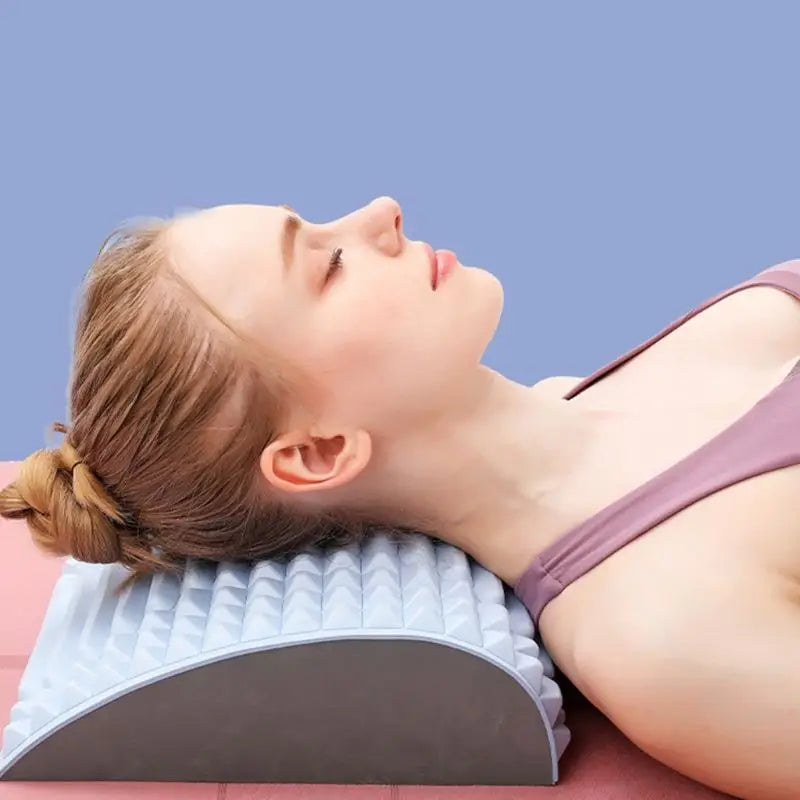
lumbar spine pillow for posture correction and daily relief See it in action
Struggling with constant stiffness after long hours sitting? You’re about to discover why traditional fixes often fail—and what actually works.
How does a lumbar spine pillow work?
A lumbar spine pillow works by supporting the lower back's natural curve, reducing compressive forces on spinal discs and decreasing muscle strain. Unlike a spine decompression pillow or rigid stretching device, a lumbar support pillow primarily maintains alignment rather than actively stretching the spine.
Understanding the natural lumbar curve
The lumbar region forms a gentle inward curve called lordosis. Poor sitting posture often flattens this curve, increasing stress throughout the lower back. A properly positioned lumbar pillow helps preserve this natural shape.
How pressure redistribution reduces discomfort
Supporting the lumbar area helps spread body weight more evenly across the backrest, reducing concentrated pressure on muscles and connective tissues. Many users notice improved sitting comfort during work, commuting, or travel.
Spine decompression pillow vs lumbar support pillow
- Lumbar support pillow: Maintains posture during sitting.
- Spine decompression pillow: Designed to gently stretch the lumbar region during short sessions.
- Back stretcher pillow: Often features a firmer arch intended for flexibility and spinal mobility exercises.
Benefits of using a lumbar spine pillow
The best lumbar spine pillow for lower back relief provides consistent support throughout daily activities rather than promising instant pain elimination.
- Supports healthy sitting posture
- May reduce lower back fatigue during prolonged sitting
- Improves comfort while driving
- Helps maintain ergonomic alignment at work
- Can complement physical therapy and exercise programs
Who may benefit most
Office workers, drivers, students, remote workers, and individuals who spend long periods sitting are among those most likely to benefit from lumbar support.
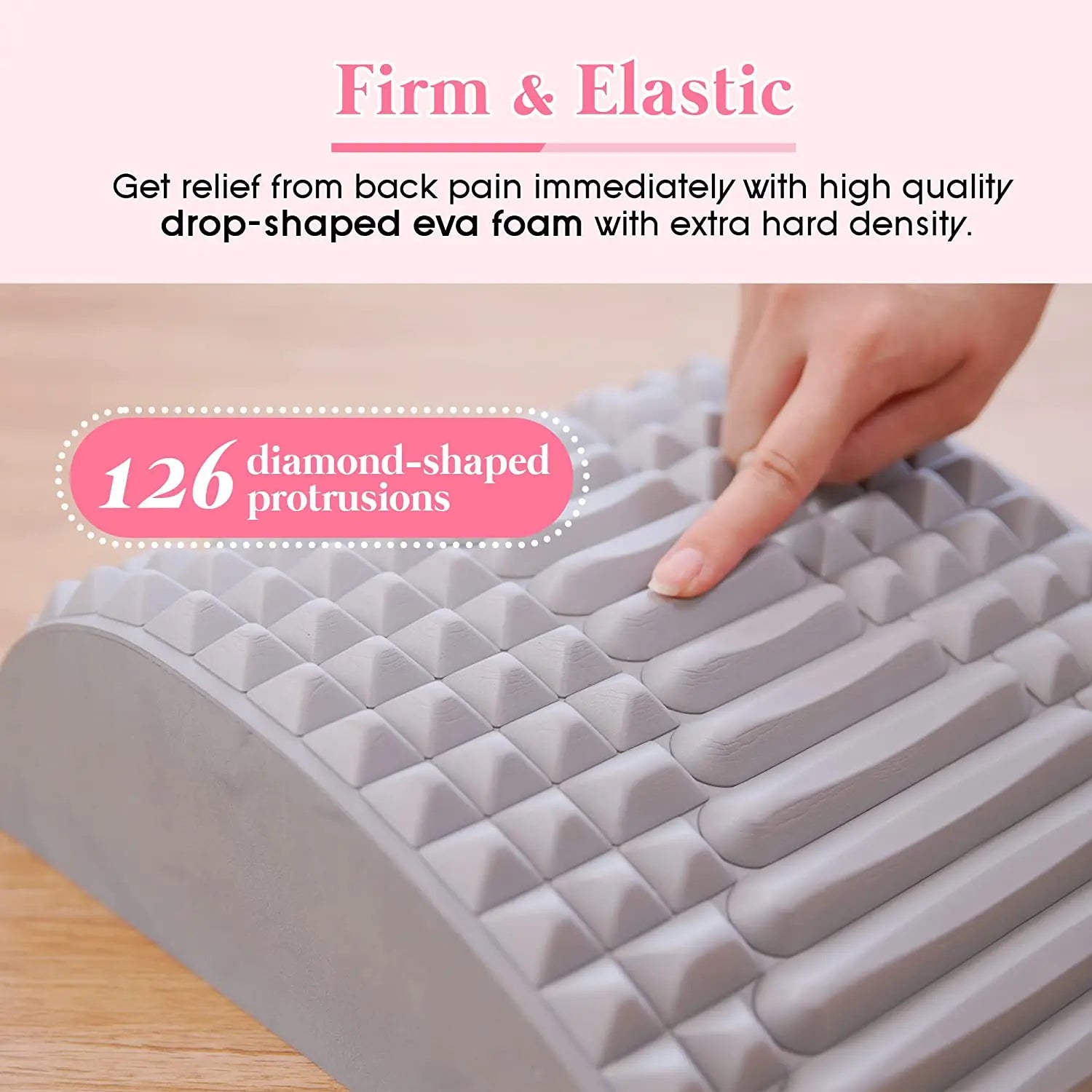
ergonomic back stretcher pillow for home use Feel the stretch instantly
Lumbar pillow vs back stretcher pillow vs inversion table
Each product serves a different purpose. Understanding the differences helps buyers select the most appropriate option.
Which device fits different back problems
- Lumbar pillow: Daily posture support while sitting.
- Back stretcher pillow: Short stretching sessions to improve mobility.
- Inversion table: Temporary spinal unloading under appropriate supervision.
Pros and limitations of each option
- Lumbar pillows are convenient for everyday use.
- Back stretchers may improve flexibility but require correct technique.
- Inversion tables are larger, more expensive, and unsuitable for some medical conditions.
| Feature | Lumbar Spine Pillow | Back Stretchers | Inversion Tables |
|---|---|---|---|
| Ease of Use | Very easy | Moderate | Complex |
| Portability | Lightweight | Medium | Bulky |
| Daily Use | Safe | Depends | Limited |
| Cost | Affordable | Mid-range | Expensive |
| Effectiveness | Consistent support | Variable | Intense decompression |
Choosing the best lumbar spine pillow for lower back relief
Not every lumbar pillow fits every body type or activity. Consider the following factors before purchasing.
Material and firmness
- Memory foam for contouring support
- High-density foam for firmer stability
- Breathable covers for temperature regulation
Shape and ergonomic design
An ergonomic back stretcher pillow for home use typically features a more pronounced curve than a lumbar support pillow intended for office chairs.
Size and body type
Select dimensions that fit both your torso and your chair. Oversized pillows may push the spine too far forward.
Sleeping vs sitting vs driving
Different lumbar pillows are optimized for different environments. Office chairs, car seats, and beds often require different shapes and support levels.
How to use a lumbar spine pillow correctly
- Place the pillow directly above your belt line.
- Keep your hips fully against the chair.
- Maintain both feet flat on the floor.
- Relax your shoulders.
- Stand and stretch every 30–60 minutes.
Common mistakes to avoid
- Using a pillow that is too thick.
- Positioning it too high.
- Leaning forward continuously.
- Expecting the pillow to replace exercise or therapy.
Are back stretcher pillows safe for daily use?
Most lumbar support pillows are designed for regular daily use. Back stretcher pillows that place the spine into extension should be introduced gradually, especially for individuals with existing spinal conditions.
Who benefits most
- Office workers
- Drivers
- Students
- Remote workers
When to avoid using one
Individuals with recent spinal surgery, severe osteoporosis, acute fractures, or significant neurological symptoms should seek medical guidance before using stretching devices.
When to consult a healthcare professional
Persistent pain lasting several weeks, numbness, weakness, or worsening symptoms warrant professional evaluation rather than continued self-treatment.
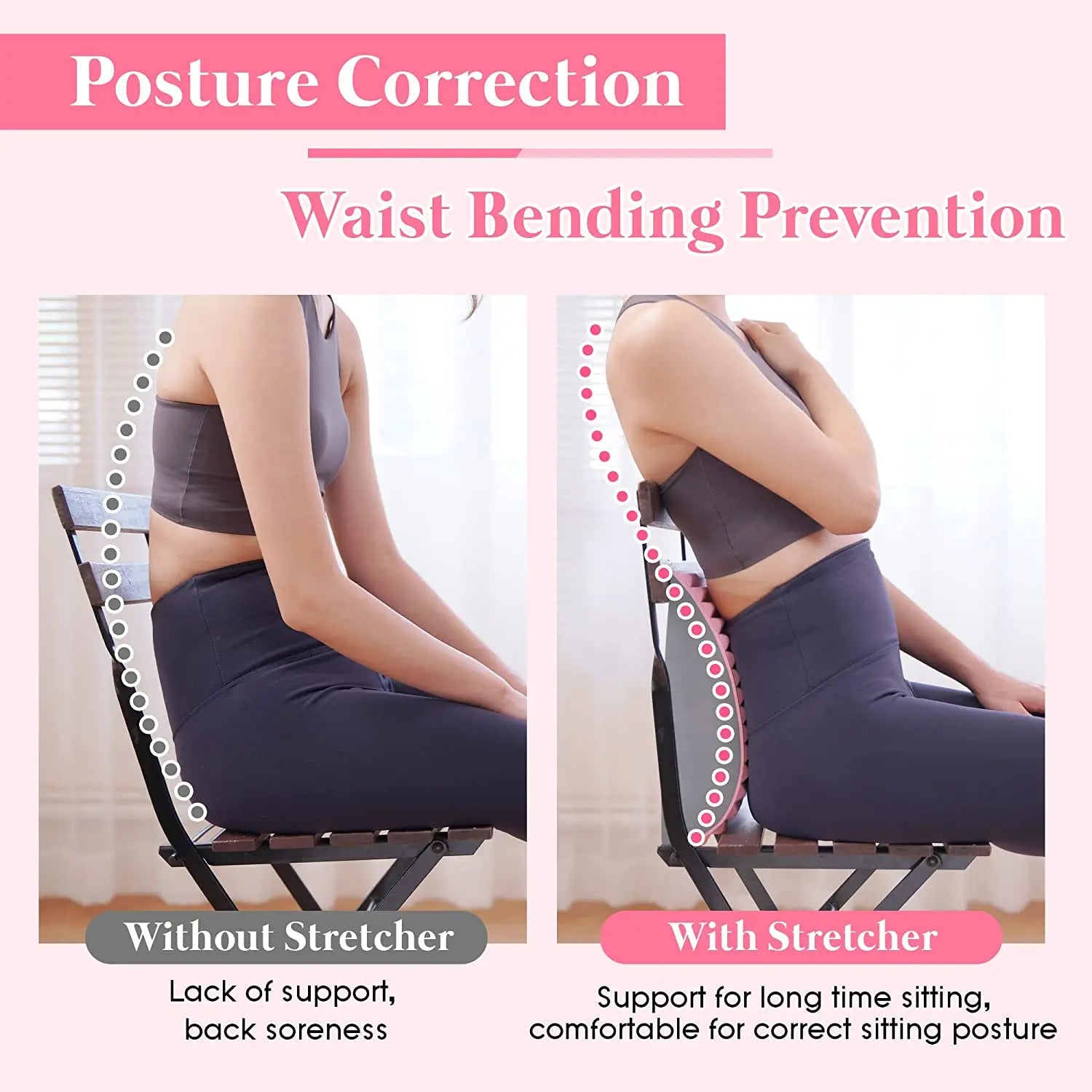
spine decompression pillow for daily relief Upgrade your routine today
Cleaning, maintenance, and expected lifespan
Proper maintenance extends both hygiene and support performance.
Cleaning memory foam
- Remove and wash the cover according to instructions.
- Spot-clean the foam only.
- Allow complete air drying.
Replacing worn pillows
Most quality memory foam lumbar pillows maintain support for approximately two to five years depending on usage and material quality.
Storage tips
Store in a cool, dry place and avoid compressing the foam for prolonged periods.
Real user results and expectations
Many users report improved sitting comfort within the first few days of consistent use. Postural improvements typically develop gradually as healthier sitting habits become routine.
Typical improvement timeline
- Days 1–7: Increased sitting comfort.
- Weeks 2–4: Improved posture awareness.
- Long term: Better ergonomic habits when combined with exercise and workstation adjustments.
What a lumbar pillow cannot fix
A lumbar pillow cannot correct structural spinal deformities, heal herniated discs, or replace individualized medical care.
Final verdict: Is it worth buying?
A lumbar spine pillow is a worthwhile investment for many people seeking better sitting posture and improved daily comfort. The greatest benefits come from choosing the right design for your body and using it consistently alongside ergonomic adjustments and regular movement.
If your primary goal is office support, a lumbar support pillow is generally the best choice. If you're seeking flexibility exercises, an ergonomic back stretcher pillow for home use may be a useful complement rather than a replacement.
Frequently Asked Questions
Can I sleep on a lumbar spine pillow?
Some lumbar pillows are designed specifically for sleeping, while others are intended only for sitting. Always follow the manufacturer's recommendations.
Which lumbar pillow is best for office chairs?
Look for adjustable memory foam models with ergonomic contours, breathable covers, and secure attachment straps.
Can a lumbar pillow worsen back pain?
An incorrectly sized or poorly positioned pillow may increase discomfort. Choosing the correct thickness and placement is essential.
How often should I replace my lumbar pillow?
Most quality lumbar pillows should be replaced when they lose their shape, firmness, or supportive properties, typically after several years of regular use.
Pillar Article: Massage Pillow for Back: Full Review, Pros & Cons Guide
Other Related Articles:
Explore More:













