

Does Lumbar Traction Really Work? Evidence-Based Answer
Lumbar traction can provide short-term relief for some people with lower back pain, particularly when symptoms are related to nerve irritation or disc-related problems. However, it is not a universal cure, and the benefits can vary depending on the underlying condition, the traction method, and how consistently it is used.
A lumbar traction device applies a controlled pulling force intended to temporarily reduce compressive loading in the lower spine. A lumbar traction belt, by contrast, primarily provides external compression, support, and stabilization. That difference matters: support is not the same as spinal traction or decompression.
Research on traction for low back pain has produced mixed results, so realistic expectations are important. Some people experience temporary pain relief or improved movement, while others may see little benefit. Traction is generally best viewed as one part of a broader treatment plan rather than a standalone solution.
Bottom line: A lumbar traction device may be more appropriate when controlled traction is the goal, while a lumbar traction belt is better suited to light support during daily activities. Neither option should be used to self-treat an undiagnosed or serious spinal condition.
Lumbar Traction Device vs Belt: Which Is Better?
Lower back pain can quietly drain your energy, confidence, and daily comfort. If you’ve tried stretches, supports, or clinic visits with limited results, you may be wondering: is a lumbar traction device really better than a lumbar traction belt for home use? Understanding how each option works—and who it’s best for—can save you time, money, and frustration.
⏱ 7 min read
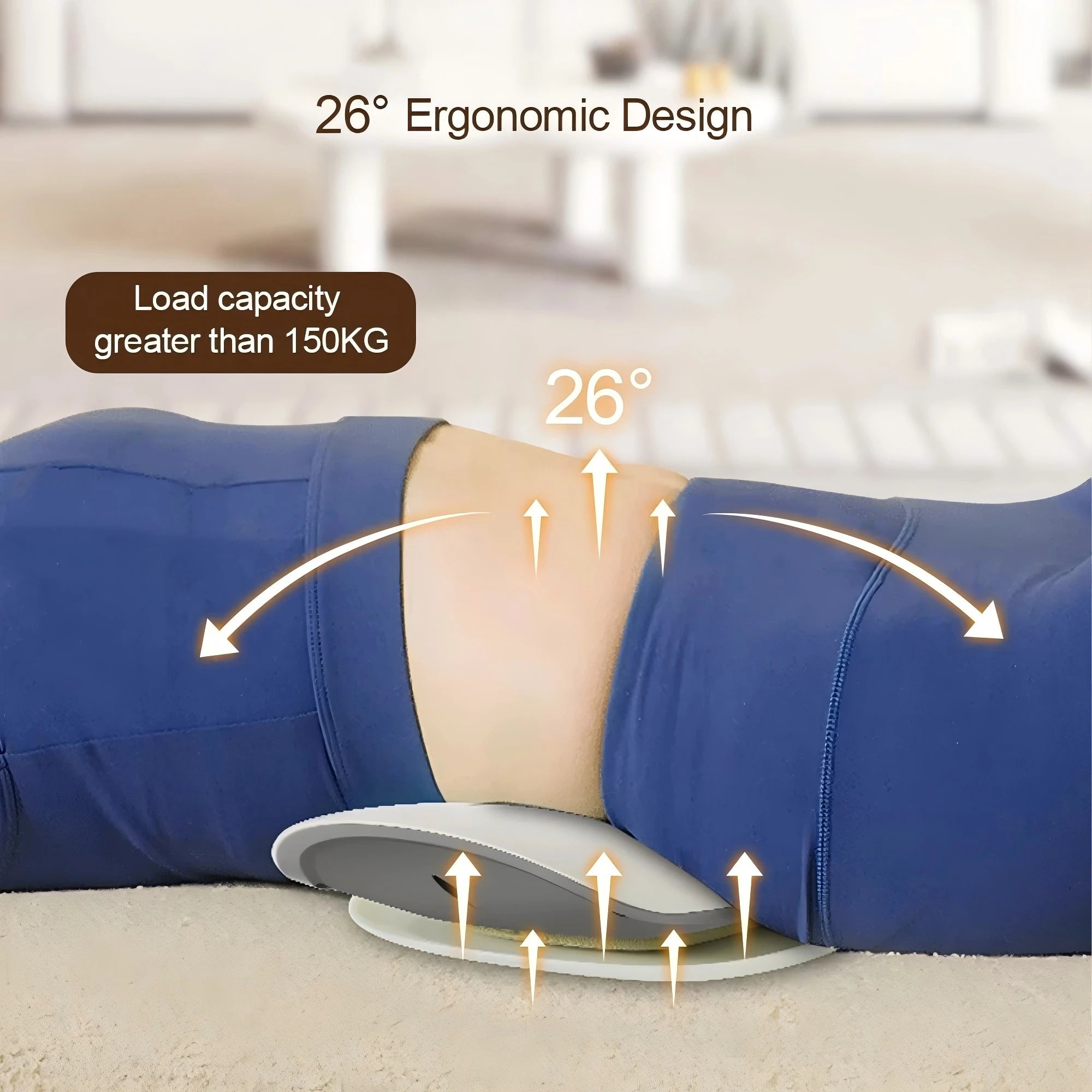
Lumbar traction device vs lumbar traction belt for traction for lower back at home
Lumbar Traction Device vs Belt: Quick Comparison Table
If you're deciding between a lumbar traction device vs belt, the biggest difference is simple: a device is designed to apply controlled traction, while a belt is primarily designed to support and stabilize the lower back.
| Feature | Lumbar Traction Device | Lumbar Traction Belt |
|---|---|---|
| Primary mechanism | Controlled pulling force intended to provide lumbar traction | Compression, support, and stabilization |
| Traction control | Usually adjustable depending on the design | Limited or indirect traction, depending on the belt |
| Best suited for | People seeking structured traction for certain disc- or nerve-related symptoms | Mild discomfort, activity-related support, and temporary stabilization |
| Portability | Moderate; generally designed for home sessions | High; wearable during many daily activities |
| Ease of use | Requires setup and correct positioning | Simple to put on and adjust |
| Potential benefit | May provide temporary relief and improved comfort for some users | May reduce perceived strain through support and compression |
| Main limitation | Not appropriate for every condition and requires careful use | Does not provide the same controlled traction as a dedicated device |
| Cost and convenience | Typically a larger home-care investment | Usually simpler and more convenient for daily wear |
Quick takeaway: Choose a lumbar traction device when controlled traction is the main goal. Choose a lumbar traction belt when portability, support, and everyday comfort matter more.
Lumbar Traction Device vs Belt: Key Differences Explained
How Each Option Works (Biomechanics Simplified)
A lumbar traction device applies a controlled force along the lower spine. Depending on the design, this may create a gentle stretching sensation and temporarily reduce compressive loading around spinal structures. The goal is to provide traction for the lower back in a controlled environment.
A lumbar traction belt works differently. It wraps around the waist and lower back to provide compression, support, and sometimes a feeling of stabilization. Some designs may provide a mild stretching or unloading effect, but a support belt should not automatically be considered equivalent to a clinical traction system.
In simple terms: a traction device attempts to pull and unload; a belt primarily supports and holds.
Traction Force, Decompression, and Effectiveness
The most important difference between a lumbar traction belt vs device is the degree of control over the applied force. A dedicated device is generally designed around a specific traction mechanism, allowing the user to follow a structured setup and session routine.
A belt offers less control over spinal traction. Its main value is often reducing the sensation of strain during movement or providing additional support when standing, walking, lifting, or completing daily tasks.
Neither option guarantees permanent pain relief. The right choice depends on the cause of your symptoms, your tolerance for traction, and whether your goal is temporary support or a structured home therapy routine.
Comfort, Mobility, and Daily Use
Belts are usually easier to integrate into daily life. A person may wear one during selected activities when additional support feels helpful. However, a belt should not be so tight that it causes discomfort, restricts breathing, creates numbness, or increases pain.
Traction devices are generally better suited to dedicated sessions at home. They require more setup, but the controlled environment can make it easier to focus on positioning and consistent use.
Medical Conditions Each Option Treats Best
Herniated Disc
Lumbar traction for a herniated disc may help some people experience temporary symptom relief, particularly when irritation or compression contributes to radiating leg pain. However, traction does not repair a disc herniation, and persistent or worsening symptoms should be evaluated by a healthcare professional.
A dedicated lumbar traction device is generally more relevant than a basic support belt when the goal is controlled traction. A belt may still provide comfort during activities but should not be viewed as a treatment for the underlying disc problem.
Spinal Stenosis
Spinal stenosis can cause symptoms when space around spinal nerves becomes narrowed. The effect of traction may vary considerably depending on the location and severity of narrowing. Some people may tolerate certain positions better than others.
Because traction can aggravate symptoms in some situations, people with diagnosed spinal stenosis should seek professional guidance before using a home traction device. A belt may offer activity support, but it does not address the narrowing itself.
Degenerative Disc Disease
Degenerative changes in the spine are common and do not always directly explain pain. A lumbar traction device may provide temporary comfort for some people, but it cannot reverse age-related structural changes.
A belt may be useful for occasional support during activities that make the back feel strained. The best option depends on whether the main problem is activity-related discomfort, stiffness, nerve symptoms, or another diagnosed condition.
Muscle Strain and Nonspecific Low Back Pain
For uncomplicated muscle strain or nonspecific low back pain, aggressive traction is not automatically better. Gentle movement, appropriate exercises, activity modification, and other conservative approaches may be more appropriate depending on the situation.
A lumbar traction belt may provide temporary support during recovery, while a traction device may be considered if a healthcare professional believes controlled traction is appropriate.
Lumbar Traction Device Benefits
A lumbar traction device may be useful for people who want a structured home approach to controlled lower-back traction. The potential benefits depend on the underlying cause of pain and how the device is used.
- May provide temporary pain relief: Some users experience reduced discomfort after a traction session.
- May improve short-term mobility: Reduced discomfort can make certain movements feel easier for some people.
- Provides a structured home routine: A device can make it easier to follow consistent sessions rather than relying only on occasional support.
- Allows more controlled traction than a basic belt: The device is specifically designed around a traction mechanism.
- May suit people with recurring symptoms: Some users prefer a dedicated home-care tool for ongoing symptom management.
The best lumbar traction device for home use should be easy to position, comfortable enough for short sessions, appropriately adjustable, and used according to the manufacturer's instructions. More force is not automatically better, and increased discomfort is not a sign that traction is working.
Many people exploring home back therapy also browse tools in the Body Care and Health Devices collection to build a complete recovery routine.
Lumbar Traction Belt Effectiveness
A lumbar traction belt can be useful when the main goal is support rather than strong, controlled spinal traction. Its effectiveness is often best judged by whether it helps you move more comfortably during specific activities.
Advantages
- Portable: A belt is easier to carry and use than a larger home device.
- Simple to adjust: Most users can put on and remove a belt quickly.
- Provides external support: Compression may make the lower back feel more stable during selected activities.
- Useful for occasional discomfort: It may provide temporary comfort when the back feels strained.
Limitations
- Not equivalent to true controlled traction: Support and compression do not provide the same mechanism as a dedicated traction device.
- Relief may be temporary: A belt does not correct the underlying cause of most back conditions.
- Evidence varies by design and condition: A belt that helps one person may not help another.
- Overuse may be counterproductive: Wearing a support too tightly or relying on it constantly can make normal movement more difficult.
Best use case: A lumbar traction belt is generally more appropriate for short-term support and activity-related comfort than for attempting to treat a structural spinal problem.
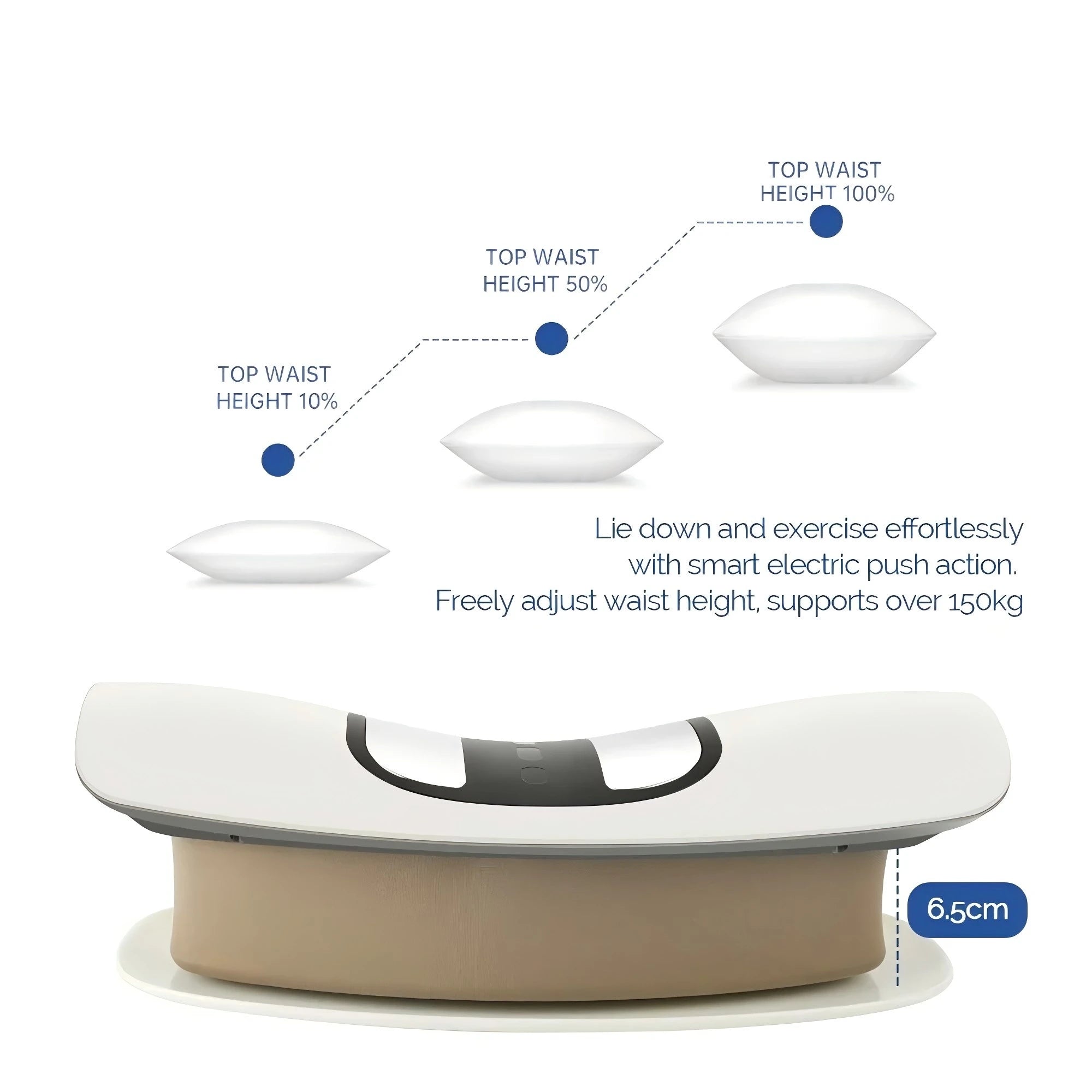
Comparing lumbar traction belt vs lumbar traction device for home back therapy
Lumbar Traction Device vs Inversion Table
Both a lumbar traction device and an inversion table aim to reduce compressive loading through different mechanisms, but they are not interchangeable.
- Inversion tables: Use body position and gravity by tilting the user backward or upside down.
- Lumbar traction devices: Apply controlled traction to the lower back while the user remains in a more conventional position.
A dedicated device may be more practical for people who want targeted lumbar traction without full-body inversion. An inversion table may provide a broader stretching sensation but can be unsuitable for people who should avoid inverted positions.
People with conditions affected by changes in blood pressure, balance, eye pressure, cardiovascular function, or other medical factors should seek professional advice before using an inversion table. In either case, the safest choice depends on the user's health status and the cause of their back pain.
Which Should You Choose? Condition-Based Decision Guide
Herniated Disc
If a healthcare professional has identified a disc-related problem and controlled traction is considered appropriate, a lumbar traction device is generally more relevant than a basic belt. It may provide temporary relief for some symptoms, but it should not be expected to repair the disc itself.
Sciatica
Sciatica can have several causes, including irritation of a spinal nerve. A traction device may be considered when symptoms are related to lumbar compression, but the cause of sciatica matters. A belt may provide support during activity but does not directly treat nerve irritation.
Muscle Strain
For a recent or mild muscle strain, a belt may provide temporary support during selected activities. A traction device is not automatically necessary, especially if the pain is improving with conservative care.
Daily Support and Prevention
If your primary goal is support during work, travel, walking, or occasional physical activity, a belt is usually more convenient. However, no support product can guarantee prevention of future back pain. Regular movement, appropriate strength and mobility work, and good lifting habits are also important.
How to Use a Lumbar Traction Belt or Device Safely at Home
Safe home use depends on correct positioning, gradual progression, and paying attention to how your body responds. Follow the product instructions rather than assuming that more pressure or longer sessions will produce better results.
Using a Lumbar Traction Belt
- Position the belt according to the manufacturer's instructions.
- Adjust it so it feels supportive but not painfully tight.
- Start with a short period of use rather than wearing it continuously.
- Remove it if you develop increased pain, numbness, tingling, weakness, breathing discomfort, or significant skin irritation.
- Use it as a support tool, not as a substitute for diagnosis or treatment of persistent back pain.
Using a Lumbar Traction Device
- Read the instructions and check that the device is correctly assembled before use.
- Position your body carefully so the traction force is applied as intended.
- Begin with the lowest comfortable intensity or the manufacturer's recommended starting setting.
- Keep the first sessions short and increase duration only according to the instructions or professional guidance.
- Stop if symptoms worsen or if you experience new neurological symptoms.
For traction for lower back at home, consistency and correct technique are generally more important than using the strongest possible setting.
For a more holistic wellness routine, many readers also explore recovery tools within the Body & Face Blog and Beauty & Self-Care Blog collections.
Is Lumbar Traction Safe? Risks, Contraindications, and Precautions
Is lumbar traction safe? For many people, gentle traction may be tolerated when used correctly. However, traction is not appropriate for everyone, and home treatment should not replace professional assessment when symptoms are severe, persistent, or unexplained.
Seek professional guidance before using lumbar traction if you have a diagnosed spinal condition or significant health concerns. Extra caution may be needed with conditions such as:
- Spinal fracture or suspected fracture
- Severe osteoporosis or significantly weakened bones
- Recent spinal surgery or serious spinal injury
- Unexplained progressive weakness or numbness
- Severe or worsening radiating pain
- Conditions in which traction or changes in body position may be inappropriate
Stop using traction and seek prompt medical evaluation if you develop new or worsening weakness, significant loss of sensation, severe pain, or changes in bladder or bowel control.
For general home use, start conservatively, follow the product instructions, and do not force a painful stretch. A comfortable sensation is more appropriate than sharp, intense, or escalating pain.
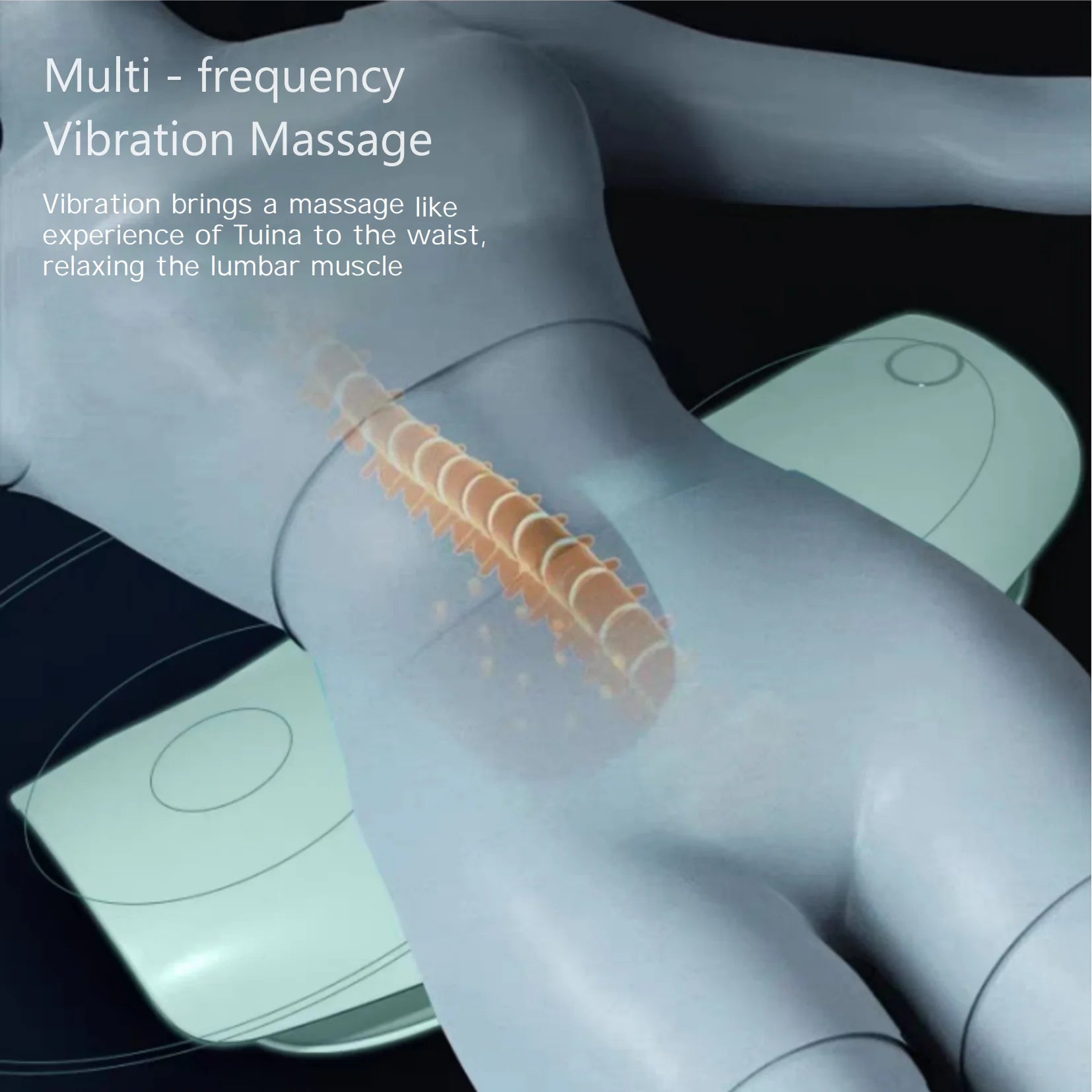
Using a lumbar traction device for consistent lower back pain relief
Best Lumbar Traction Devices and Belts for Home Use
The best choice depends on whether you need controlled traction or portable support. Instead of choosing based only on the product name, compare the mechanism, adjustability, comfort, and intended use.
For structured home traction: Look for a lumbar traction device with clear instructions, comfortable positioning, appropriate adjustability, and a design that allows you to use it consistently without excessive discomfort.
You can explore a dedicated option here: lumbar traction device .
For portable support: Look for a lumbar traction belt with a secure fit, breathable materials, easy adjustment, and enough flexibility for normal movement. Avoid choosing a belt solely because it is advertised as providing stronger pressure.
Selection rule: If you need a dedicated home traction routine, compare traction devices. If you need occasional support during daily activities, compare belts. If you have persistent or radiating symptoms, the underlying condition should guide the decision more than the product category.
Final Verdict: Lumbar Traction Device vs Belt
The better option depends on what you actually need from the product.
- Choose a lumbar traction device if controlled home traction is your primary goal and the approach is appropriate for your symptoms.
- Choose a lumbar traction belt if you want portable support and temporary comfort during selected daily activities.
- Consider professional guidance first if you have persistent pain, significant radiating symptoms, weakness, numbness, or a diagnosed spinal condition.
Best for structured traction: Lumbar traction device
Best for portability and everyday support: Lumbar traction belt
Best overall decision: Match the product to the cause and severity of your symptoms rather than assuming that stronger traction is always better.
Frequently Asked Questions
Can a lumbar traction device help a herniated disc?
It may provide temporary relief for some people with symptoms related to a herniated disc, particularly when nerve irritation or compression is involved. However, a lumbar traction device does not repair the disc itself, and persistent or worsening symptoms should be evaluated by a healthcare professional.
Is a lumbar traction belt as effective as a traction device?
Usually, no. A lumbar traction belt primarily provides compression and support, while a dedicated traction device is designed to apply controlled traction. The two products serve different purposes, so a belt should not automatically be considered a substitute for a traction device.
How long should you use a lumbar traction device at home?
Session length depends on the specific device, its instructions, and your individual condition. Start conservatively and follow the manufacturer's recommended duration. Longer or stronger sessions are not necessarily more effective.
Who should not use lumbar traction?
People with certain spinal injuries, fractures, severe bone weakness, recent spinal surgery, unexplained neurological symptoms, or other conditions that may make traction inappropriate should seek professional guidance before using it. Anyone who develops worsening symptoms during traction should stop and seek medical advice.
Can you use a lumbar traction belt every day?
Some people may use a lumbar traction belt regularly, but daily use should follow the product instructions and should not cause increased pain, numbness, skin irritation, or dependence on constant external support. If you need a belt continuously to function comfortably, consider discussing the underlying problem with a healthcare professional.
Is a traction device better than an inversion table?
Not for everyone. A traction device provides more targeted lumbar traction, while an inversion table uses body position and gravity to create a broader stretching effect. The better option depends on your symptoms, health status, comfort, and whether inverted positions are appropriate for you.
What is the best lumbar traction device for home use?
The best lumbar traction device for home use is one that provides a suitable level of adjustability, clear instructions, comfortable positioning, and a design you can use consistently. The most important factor is whether the traction approach is appropriate for your specific symptoms and condition.
Related Guide: Best Lumbar Traction Device Home Compared for Real Relief













