

Do Seat Cushion Massagers Work While Sitting at a Desk?
Yes. A seat cushion massager can be an effective way to reduce muscle stiffness, ease lower back tension, and promote comfort while working at a desk. Unlike handheld massage devices that require dedicated treatment time, a desk chair massage cushion is designed to provide gentle therapy while you continue typing, attending meetings, or reading.
Most models combine vibration, shiatsu-style kneading, heat therapy, or a combination of these features to help relax tight muscles caused by prolonged sitting. While results vary depending on the massage mechanism and your chair setup, many office workers find that regular short sessions improve day-to-day comfort without interrupting productivity.
A seat cushion massager while working at a desk should be viewed as part of an ergonomic workspace rather than a replacement for stretching, movement breaks, or professional medical care. Used alongside good posture and regular standing intervals, it can help reduce discomfort associated with long hours of sitting.
Best Seat Cushion Massager While Working at Desk (2026 Guide for Office Comfort & Back Pain Relief)
Top 7 Seat Cushion Massagers for Office Workers (Expert Picks)
If you spend most of your day in an office chair, choosing the right seat cushion massager can improve comfort, reduce fatigue, and make extended work sessions more manageable. The expert picks below focus on practical office use, balancing massage performance with noise levels, ergonomics, portability, and all-day usability.
Best Overall
An all-around desk chair massage cushion with multiple massage modes, adjustable intensity, optional heat, and quiet operation that works well for everyday office use.
Best for Lower Back Pain
A model with enhanced lumbar support and targeted massage zones designed to relieve stiffness that develops after hours of continuous sitting.
Best Budget
An affordable vibration-based cushion that delivers gentle muscle stimulation and improved sitting comfort without unnecessary premium features.
Best Full-Back Coverage
A full-length massage cushion that supports the seat, lumbar region, mid-back, and upper back for users who remain seated throughout most of the workday.
Best Heated
A massage cushion with integrated heat therapy that helps relax tight muscles during breaks or after prolonged periods of desk work.
Best for 8+ Hour Desk Work
A breathable, ergonomic design featuring low-noise operation and multiple comfort settings suitable for extended daily office use.
Best Portable
A lightweight cushion that's easy to transfer between your home office, workplace, and vehicle without sacrificing everyday comfort.
Comparison Table: Best Seat Cushion Massagers for Desk Work
| Model Type | Massage Style | Heat | Intensity | Noise Level | Auto Shut-Off | Portability | Best For |
|---|---|---|---|---|---|---|---|
| Full-Back Cushion | Vibration + Heat | Yes | 3–5 Levels | Low | Yes | Moderate | All-day desk work |
| Lumbar-Focused | Targeted Vibration | Optional | 2–4 Levels | Low | Varies | High | Lower back pain |
| Shiatsu Cushion | Kneading Massage | Yes | Fixed/Adjustable | Moderate | Yes | Moderate | Deep muscle relief |
| Portable Seat Pad | Light Vibration | No | 1–3 Levels | Very Low | Varies | Excellent | Short work sessions |
Long workdays don't have to end with an aching back and stiff hips. Whether you work from home or in a traditional office, the right seat cushion massager can help relieve muscle fatigue, encourage better sitting posture, and make extended desk sessions more comfortable. This guide explains which features matter most, how different massage technologies compare, and which type of cushion best fits your work routine.
⏱ 7 min read
Discover practical ways to stay comfortable throughout the workday.
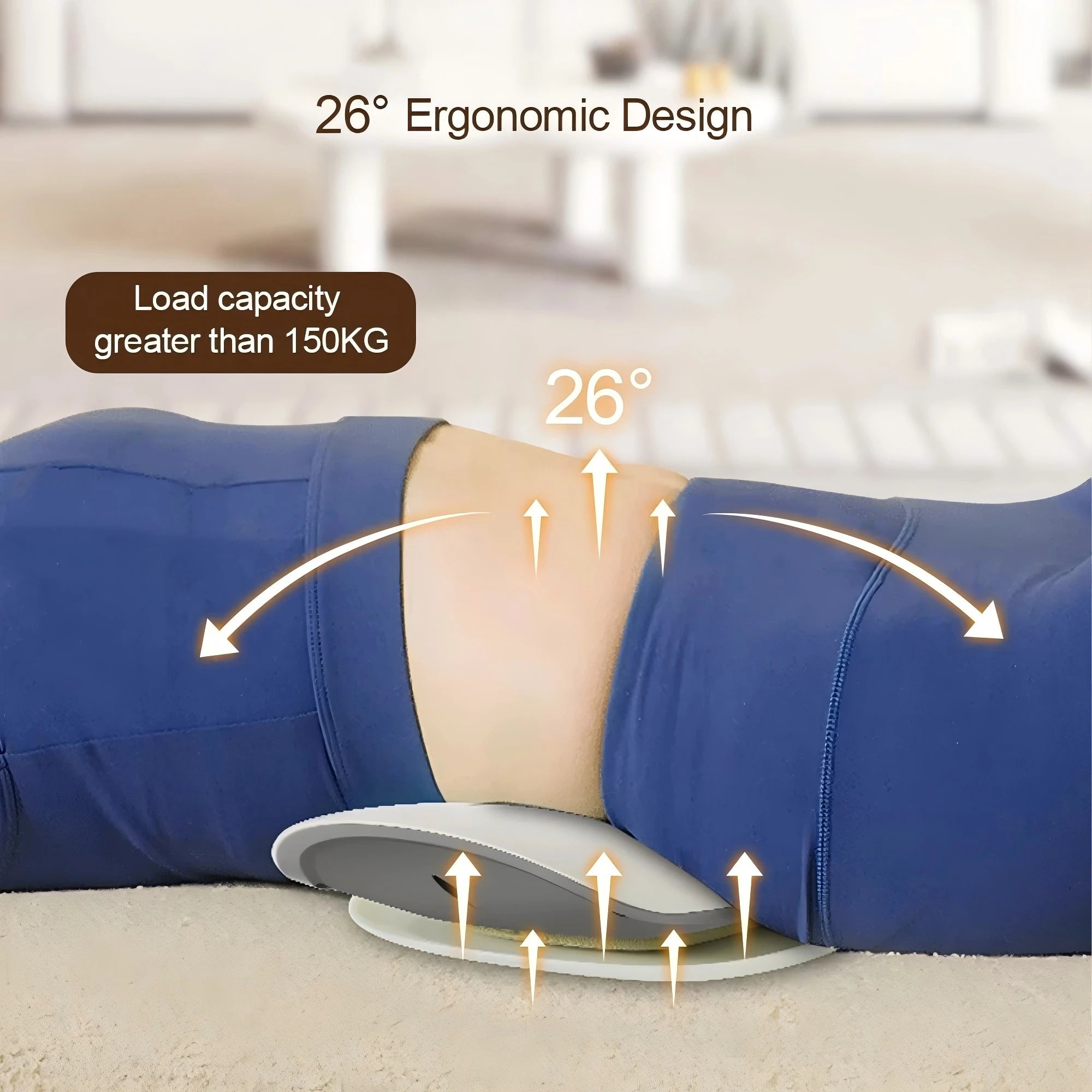
Ergonomic support in action — See it in action
Why Sitting All Day Causes Lower Back Pain
Extended periods of sitting place continuous pressure on the lumbar spine, hips, and surrounding muscles. When movement is limited, circulation slows, the hip flexors tighten, and the muscles that support healthy posture gradually fatigue. The result is a combination of stiffness, lower back discomfort, and reduced mobility that often becomes more noticeable as the workday progresses.
Even with an ergonomic chair, remaining in the same position for hours can increase spinal loading and compress the tissues around the lower back. A lower back massager for office chair use may help reduce muscle tension during the day, but it delivers the best results when combined with proper workstation ergonomics and regular movement breaks.
- Increased pressure on the lumbar discs during prolonged sitting
- Tight hip flexors that contribute to poor pelvic alignment
- Reduced circulation that can leave muscles feeling stiff and fatigued
- Slouching that places additional strain on the neck, shoulders, and lower back
- Decreased focus and productivity as discomfort builds throughout the day
Helpful resources: posture correction guide and best ergonomic office chairs .
How Seat Cushion Massagers Work
Vibration
Vibration massage uses rhythmic pulses to stimulate soft tissue and encourage circulation while you remain seated. Because vibration systems operate quietly and produce gentle movement, they are often the preferred choice for shared offices, home workspaces, and long computer sessions.
Shiatsu
Shiatsu massage cushions use rotating nodes that imitate the feel of hand kneading. They provide deeper muscle stimulation than vibration models, making them suitable for relieving persistent tightness after extended periods of sitting. However, the stronger massage action may be more noticeable during tasks requiring intense concentration.
Rolling
Rolling massage mechanisms travel along the back to provide broader muscle coverage with less pressure than shiatsu. They offer a comfortable balance between relaxation and continuous desk work, making them a practical option for users who prefer consistent, moderate massage sessions.
Heat Therapy
Many massage cushions include optional heat to gently warm the muscles of the lower back. Heat can increase comfort, reduce feelings of stiffness, and complement vibration or kneading massage, particularly during cooler weather or after long periods of uninterrupted sitting.
Lumbar Traction vs Massage Cushions
Although both products aim to improve sitting comfort, they work differently. Massage cushions primarily target muscle relaxation through vibration, rolling, kneading, or heat. Lumbar traction devices focus on supporting spinal decompression and posture. Users experiencing muscular fatigue from desk work often benefit from a massage cushion during the workday, while those seeking additional spinal support may choose a dedicated traction device as part of their overall routine.
Who Should Use a Seat Cushion Massager at Work?
A seat cushion massager for office workers is best suited for people who spend long periods sitting and experience recurring muscle fatigue rather than acute injuries. Whether you work in a corporate office, a home workspace, or a shared study environment, regular massage sessions can make extended sitting more comfortable when combined with proper posture and scheduled movement breaks.
- Office professionals: Employees who spend 6–10 hours each day at a computer and want to reduce lower back fatigue.
- Remote and hybrid workers: People working from home without a fully ergonomic chair or workstation.
- Students: Those attending long lectures or study sessions who experience stiffness from remaining seated for extended periods.
- Frequent computer users: Designers, programmers, accountants, and customer support professionals who rarely leave their desks.
- People with occasional muscular tightness: Individuals seeking a non-invasive way to improve daily comfort during prolonged sitting.
Benefits and Limitations of Using a Seat Cushion Massager During Desk Work
A back massager while working at a desk can improve overall comfort throughout the workday, but it's important to have realistic expectations. Massage cushions are designed to reduce muscle tension and encourage relaxation—they are not intended to diagnose, treat, or cure underlying medical conditions.
- Helps reduce muscle stiffness caused by prolonged sitting.
- May encourage healthy circulation by promoting gentle muscle stimulation.
- Provides additional comfort during long work sessions without requiring you to leave your chair.
- Can complement ergonomic seating and good posture habits.
- Offers a convenient way to relax tight muscles during scheduled work breaks.
Limitations to keep in mind:
- Does not replace regular stretching, walking, or strength exercises.
- Cannot correct poor workstation ergonomics on its own.
- May not provide sufficient relief for chronic or medically diagnosed back conditions.
- Results vary depending on massage style, chair compatibility, and individual comfort preferences.
See how massage support fits into your daily routine.
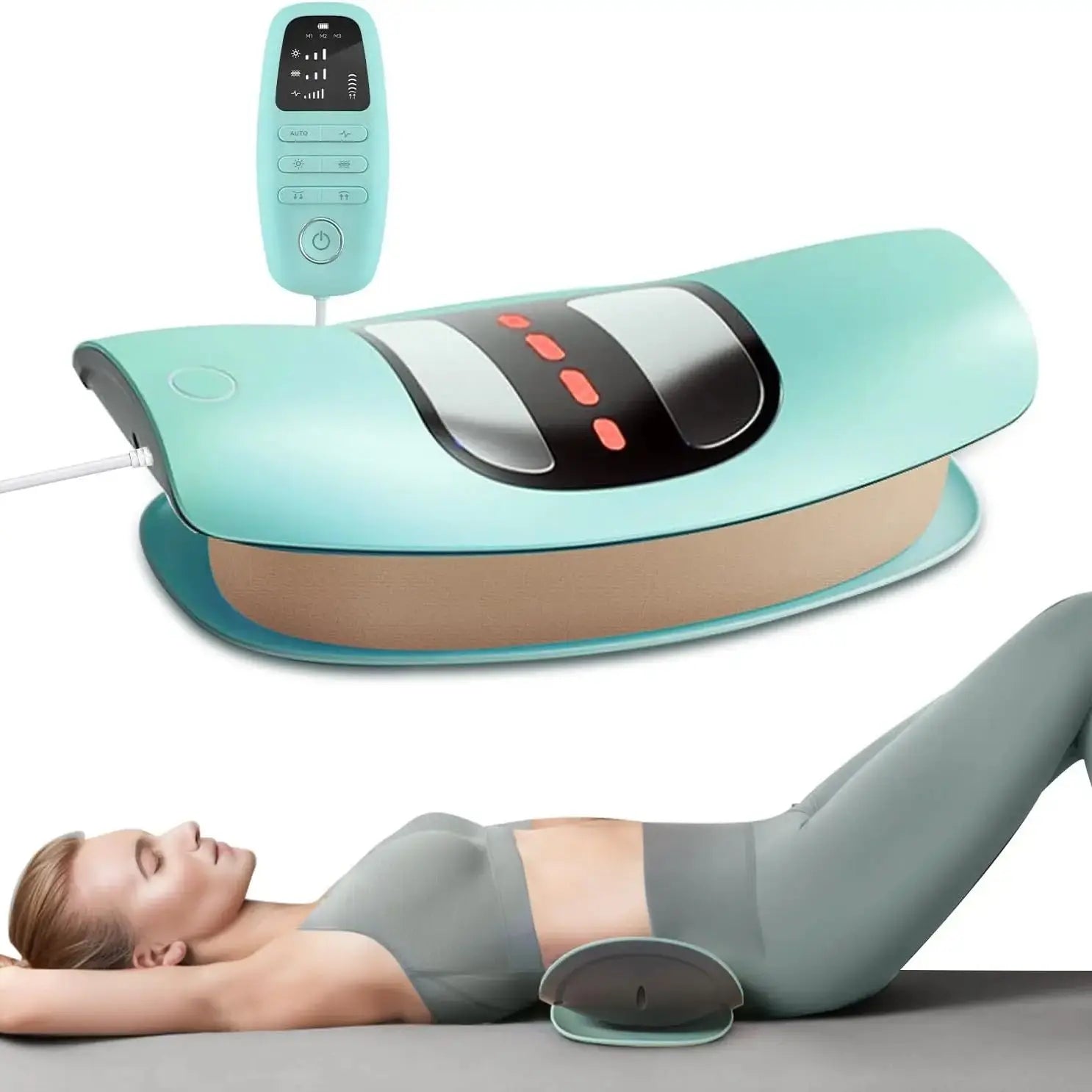
Designed for modern desks — improve posture
Seat Cushion Massager Safety for Daily Office Use
Most seat cushion massagers are safe for everyday office use when operated according to the manufacturer's instructions. Moderate session lengths, appropriate intensity settings, and proper chair positioning help maximize comfort while minimizing unnecessary strain.
Who Should Avoid It
- People recovering from serious back injuries unless cleared by a healthcare professional.
- Anyone experiencing severe or unexplained back pain that worsens with massage.
- Individuals with medical conditions for which vibration or heat therapy has been specifically discouraged.
Recommended Session Length
For most users, 15–30 minute sessions one to three times per day provide effective muscle relaxation without excessive stimulation. Many office workers schedule a session during the morning, another after lunch, or at the end of the workday.
Heat and Workplace Safety
If your massage cushion includes heat therapy, use moderate heat settings during desk work and switch the feature off before leaving your workstation. Follow the automatic shut-off function whenever available.
Office Etiquette
Choose lower massage intensities and quieter modes in shared offices to minimize distractions. If you're attending meetings or performing highly focused work, consider using vibration-only or scheduling massage sessions during breaks.
How to Use a Seat Cushion Massager While Working at Your Desk
Using a seat cushion massager correctly helps you stay comfortable without interfering with concentration or productivity. The goal is to support your workday with short, targeted massage sessions rather than continuous high-intensity use.
Best Settings
- Choose low to medium intensity while typing, reading, or attending virtual meetings.
- Reserve higher massage settings for scheduled breaks when you can fully relax.
- Use heat therapy during cooler days or after extended sitting if your cushion includes this feature.
- Select quiet massage modes in shared office environments.
Timing During the Workday
- Start the morning with a 10–15 minute session to loosen muscles before long periods of sitting.
- Use another session after lunch when stiffness commonly increases.
- Schedule additional massage during breaks instead of running the cushion continuously for several hours.
- Finish the workday with heat and gentle massage to reduce accumulated muscle tension.
Posture Tips
- Sit with both feet flat on the floor or on a footrest.
- Keep your hips positioned fully against the chair back.
- Adjust the cushion so the massage targets your lower back instead of pushing you into a slouched position.
- Stand, stretch, and walk briefly every 30–60 minutes to complement massage therapy.
Seat Cushion Massager vs Lumbar Support vs Standing Desk
Each solution addresses workplace comfort differently. An ergonomic seat massager for desk work provides active muscle relaxation, while lumbar supports and standing desks improve posture through different mechanisms. Many professionals achieve the best long-term results by combining these approaches.
| Solution | Muscle Relief | Posture Support | Ease of Use | Best Use Case |
|---|---|---|---|---|
| Seat Cushion Massager | ✅ Active | ✅ Moderate | ✅ High | Reducing muscle fatigue during prolonged sitting |
| Lumbar Support | ❌ Passive | ✅ High | ✅ High | Maintaining spinal alignment throughout the day |
| Standing Desk | ❌ None | ⚠️ Indirect | ⚠️ Medium | Reducing total sitting time by alternating positions |
Rather than choosing one solution exclusively, many office workers benefit from combining lumbar support for posture, a massage cushion for muscle relaxation, and a sit-stand routine to reduce continuous spinal loading.
Buying Guide: Choosing the Best Desk Chair Massage Cushion
Features That Matter
- Massage mechanism: Choose vibration for quieter operation or shiatsu for deeper muscle relief.
- Heat function: Useful for relaxing tight muscles after extended desk sessions.
- Adjustable intensity: Multiple settings let you match massage strength to different tasks.
- Coverage area: Decide whether you need lumbar-only support or full-back coverage.
- Noise level: Quieter models are better suited to shared offices and video meetings.
- Chair compatibility: Ensure the cushion fits securely on your office chair without sliding.
- Portability: Lightweight models are easier to move between home, office, and vehicle.
Decision Framework
- Choose vibration massage if you work in quiet office environments.
- Select shiatsu if deeper muscle relief is your priority.
- Look for heat therapy if you frequently experience muscle tightness.
- Consider full-back models for extended desk work and lumbar-focused designs for localized discomfort.
Mistakes to Avoid
- Using maximum intensity throughout the workday instead of shorter, moderate sessions.
- Buying a cushion without checking compatibility with your office chair.
- Ignoring noise levels if you work in a shared office.
- Assuming a massage cushion can replace proper ergonomics and regular movement.
You can explore related wellness tools within the Body Care and Health Devices collection to build a complete comfort routine.
Best Daily Routine for Using a Seat Cushion Massager During an 8-Hour Workday
Consistent timing is more effective than continuous use. Scheduling short massage sessions throughout the day helps reduce muscle fatigue while allowing you to maintain focus and productivity.
- Morning: Use a 10–15 minute low-intensity session to loosen muscles before extended computer work.
- Midday: Run another short session after lunch to ease stiffness caused by prolonged sitting.
- Afternoon: Pair gentle massage with posture correction and a brief standing or walking break.
- End of the workday: Activate heat therapy and a relaxing massage mode to help reduce accumulated muscle tension.
Complement your routine with a stretching routine for desk workers and regular movement breaks for the best long-term results.
Experience daily comfort with the lumbar traction device .
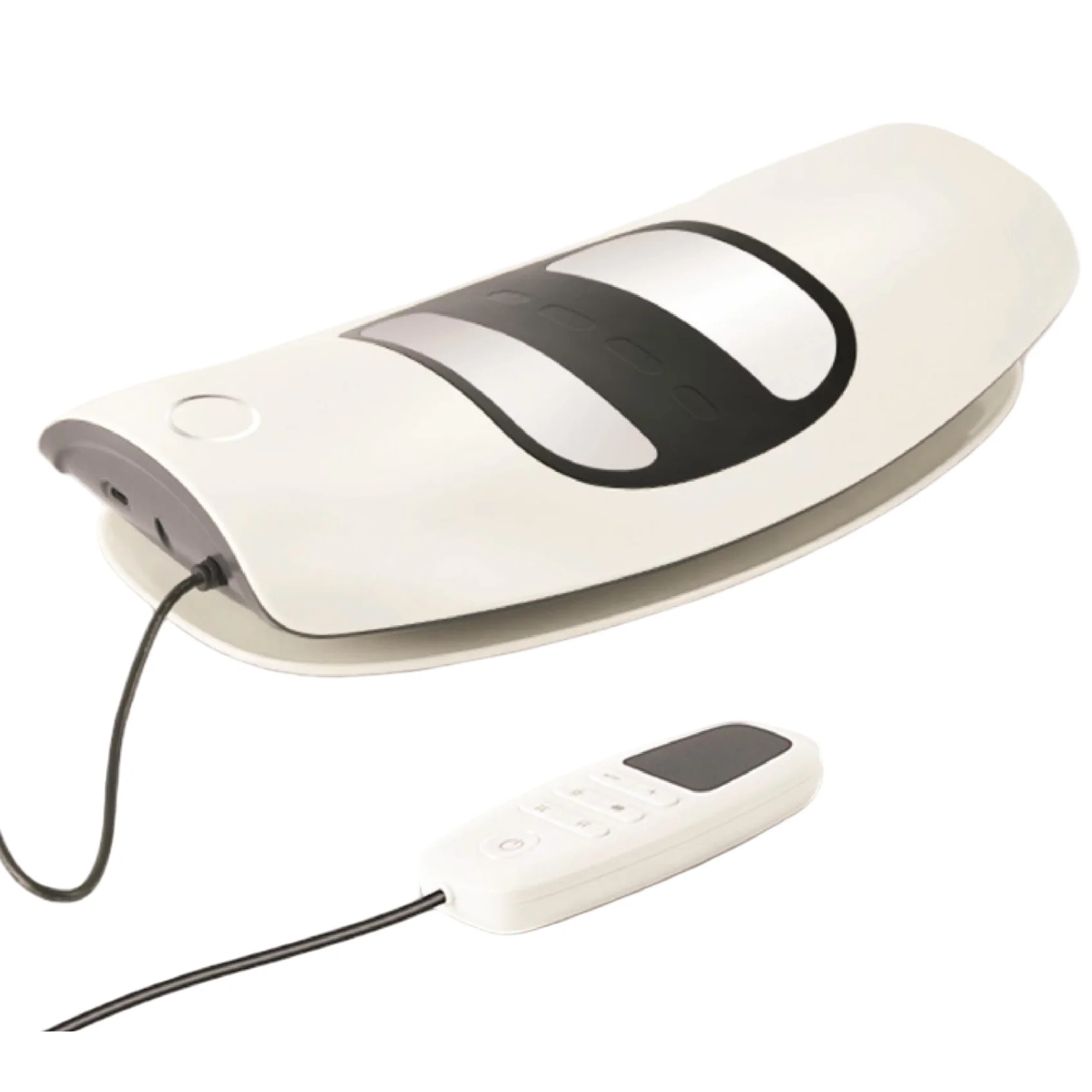
Target lower back fatigue — See it in action
Frequently Asked Questions
Can you use a seat cushion massager at work?
Yes. Most modern seat cushion massagers are designed for quiet operation and can be used safely during normal desk work. Low or medium intensity settings are generally the least distracting for typing, video meetings, and other office tasks.
Is it safe to use every day?
For most healthy adults, daily use is appropriate when you follow the manufacturer's instructions, use moderate intensity, and avoid excessively long sessions. If you have an existing medical condition or are recovering from a back injury, consult a healthcare professional before regular use.
How long should each session last?
Most users benefit from sessions lasting 15–30 minutes. One to three sessions spread throughout the workday typically provide sufficient muscle relaxation without overusing the massage function.
Does it improve posture?
A massage cushion can make sitting more comfortable by reducing muscle tension, but it does not automatically correct posture. Proper chair adjustment, monitor height, lumbar support, and regular movement remain essential for maintaining healthy alignment.
Can it replace stretching?
No. Massage cushions are most effective when combined with stretching, walking breaks, and an ergonomic workstation. Regular movement helps maintain joint mobility and muscle function throughout the day.
Are massage cushions noisy in an office?
Most vibration-based models operate quietly enough for typical office environments. Shiatsu models may produce slightly more mechanical noise because of their rotating massage nodes, so they are often best used during breaks or in private workspaces.
Which massage type is best for desk workers?
Vibration massage is generally the best choice for users who want quiet, continuous comfort while working. Shiatsu massage provides deeper muscle relief for persistent tightness, while cushions that combine vibration and heat offer a balanced solution for everyday office use.













