

Do shoulder pain relief devices really work?
Shoulder pain relief devices can be highly effective when matched to the right condition. Research and clinical use show that massage, heat therapy, and TENS units can reduce pain, improve circulation, and support mobility when used consistently.
- Best-supported: Massage therapy, heat therapy, and TENS for pain modulation
- Most effective for: Muscle tension, stiffness, and mild-to-moderate chronic pain
- Limitations: Less effective for structural injuries (e.g., severe tears)
- Best results: Daily use combined with stretching or rehab exercises
In short, devices don’t “fix” every condition—but they can significantly reduce symptoms and speed recovery when used correctly.
Best Devices for Shoulder Pain: Top Picks, Reviews & Buyer’s Guide (2026)
⏱ 6 min read
Shoulder pain can feel relentless—tight mornings, limited movement, and a dull ache that follows you throughout the day. If stretching and rest haven’t worked, modern at-home devices offer a practical, consistent solution. This expert guide breaks down the best shoulder pain relief devices, how they work, and which ones actually deliver results.
What Causes Shoulder Pain and Which Device Fits Each Condition?
Rotator cuff injuries
Often caused by repetitive motion or strain. Best devices: gentle heat therapy, TENS units, and light massage (avoid deep pressure early).
Frozen shoulder
Characterized by stiffness and reduced mobility. Best devices: heat therapy and low-intensity vibration to improve circulation.
Arthritis
Joint inflammation leading to chronic discomfort. Best devices: heating pads and infrared therapy.
Tendonitis and bursitis
Inflammation-related pain. Best devices: cold therapy in early stages, followed by heat and light massage.
Muscle strain and post-workout soreness
Most common cause. Best devices: massage guns, electric massagers, and vibration devices.
Red flags: sharp pain, weakness, or loss of function may indicate a more serious injury requiring medical evaluation.
How We Selected and Evaluated the Best Shoulder Pain Devices
To identify the best devices, we evaluated products based on real-world performance and usability:
- Effectiveness: Pain reduction and muscle relaxation
- Comfort: Ergonomic fit for shoulder anatomy
- Ease of use: Controls, portability, setup
- Durability: Build quality and long-term reliability
- Value: Performance relative to price
Devices that combine multiple therapies (e.g., heat + massage) consistently ranked higher in user satisfaction.
Types of Shoulder Pain Relief Devices Explained
Electric shoulder massagers
Use rotating nodes or kneading motions. Ideal for muscle tension and daily relaxation.
Massage guns
Deliver deep percussion therapy. Best for athletes and deep muscle knots.
TENS and EMS devices
Use electrical impulses to block pain signals or stimulate muscles. Effective for chronic or nerve-related pain.
Heating pads and infrared therapy
Improve circulation and reduce stiffness. Best for chronic pain and arthritis.
Cold therapy machines
Reduce inflammation and swelling. Useful after injury or intense activity.
Vibration therapy devices
Provide gentle stimulation and circulation support. Best for sensitive users.
Shoulder braces and compression wraps
Support posture and stabilize joints to prevent recurring pain.
Red light therapy devices
Use specific wavelengths to promote cellular recovery and reduce inflammation.
Best Devices for Shoulder Pain (Top Picks by Category)
Best overall
A heated shoulder massager with adjustable intensity provides the best balance of comfort, effectiveness, and convenience.
Best shoulder massager for pain relief
Deep-kneading or shiatsu-style massagers for targeting tight muscles.
Best TENS unit
Compact devices with multiple modes for customized nerve pain relief.
Best heating device
Infrared or electric heating pads for chronic stiffness.
Best cold therapy device
Cold compression systems for inflammation and injury recovery.
Best vibration therapy device
Lightweight and portable devices for daily recovery.
Best shoulder brace
Posture-correcting braces to prevent recurring strain.
Best value
Affordable massagers with essential features for everyday use.
Comparison Table: Best Shoulder Pain Devices at a Glance
- Massagers: Best for muscle tension | Mid-range price | Strong relief
- TENS units: Best for nerve pain | Affordable | Requires setup
- Heating devices: Best for stiffness | Budget-friendly | Gentle relief
- Cold therapy: Best for inflammation | Moderate | Short-term use
- Vibration devices: Best for recovery | Portable | Light intensity
- Braces: Best for posture | Low cost | Preventative use
Evidence Summary: Which Shoulder Pain Technologies Have the Strongest Research?
Massage therapy
Strong evidence supports massage for reducing muscle tension and improving mobility.
TENS and EMS
Moderate evidence shows effectiveness for pain modulation, especially chronic conditions.
Heat therapy
Well-supported for improving blood flow and reducing stiffness.
Cold therapy
Effective for acute inflammation and injury recovery.
Vibration therapy
Emerging evidence suggests benefits for circulation and mild soreness.
Takeaway: No single device works for all conditions—combining therapies often delivers the best results.
How to Choose the Best Shoulder Pain Relief Device
Match the device to your symptoms
- Muscle pain → Massager or massage gun
- Nerve pain → TENS unit
- Stiffness → Heat therapy
Home vs travel use
Choose portable devices if you need relief at work or on the go.
Safety features
Look for auto shut-off, adjustable intensity, and overheating protection.
Maintenance and durability
Durable materials and reliable battery life ensure long-term value.
Should You See a Doctor Instead of Buying a Device?
You should seek medical advice if you experience:
- Severe or sudden pain
- Limited range of motion
- Weakness or numbness
- Pain lasting longer than 2–3 weeks
Devices are best for symptom management—not diagnosis or treatment of serious injuries.
How to Use Shoulder Pain Relief Devices Safely
Recommended session length
Use for 10–20 minutes per session, once or twice daily.
Common mistakes
- Using high intensity too soon
- Applying pressure directly on joints
- Overusing without rest
Who should avoid certain devices
- People with pacemakers (avoid TENS)
- Those with acute injuries (avoid deep massage early)
- Individuals with medical conditions should consult a professional
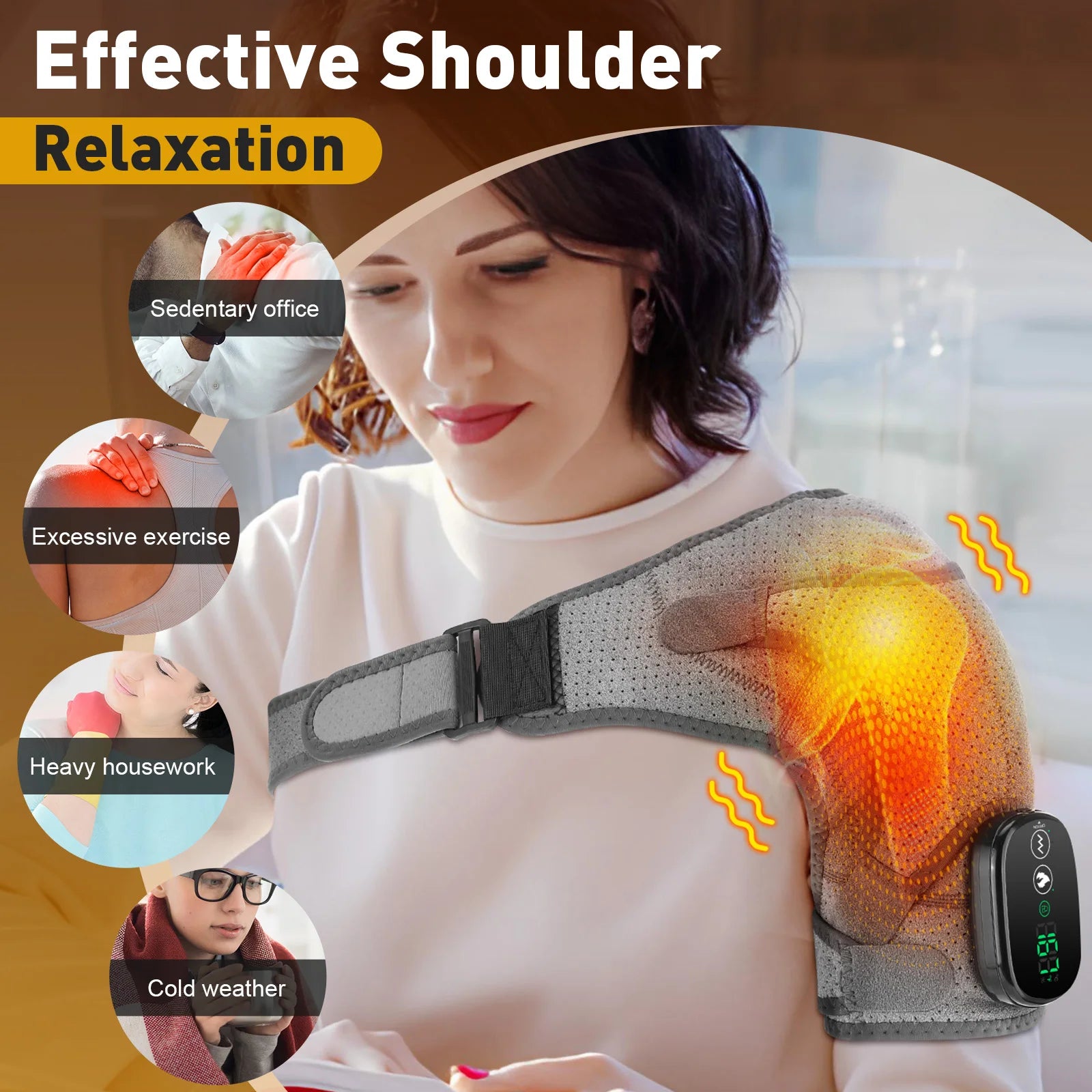
Vibration massage device for daily recovery See it in action
Final Verdict: Which Shoulder Pain Device Is Best for You?
Best overall: Heated shoulder massager for daily comfort and convenience
Best for nerve pain: TENS unit
Best for stiffness: Heating pad or infrared therapy
Best for athletes: Massage gun
Best budget: Basic vibration or heat device
The right device depends on your condition—but consistency is what delivers results.
Many users choose a dedicated solution like the heated shoulder massager for reliable daily relief.
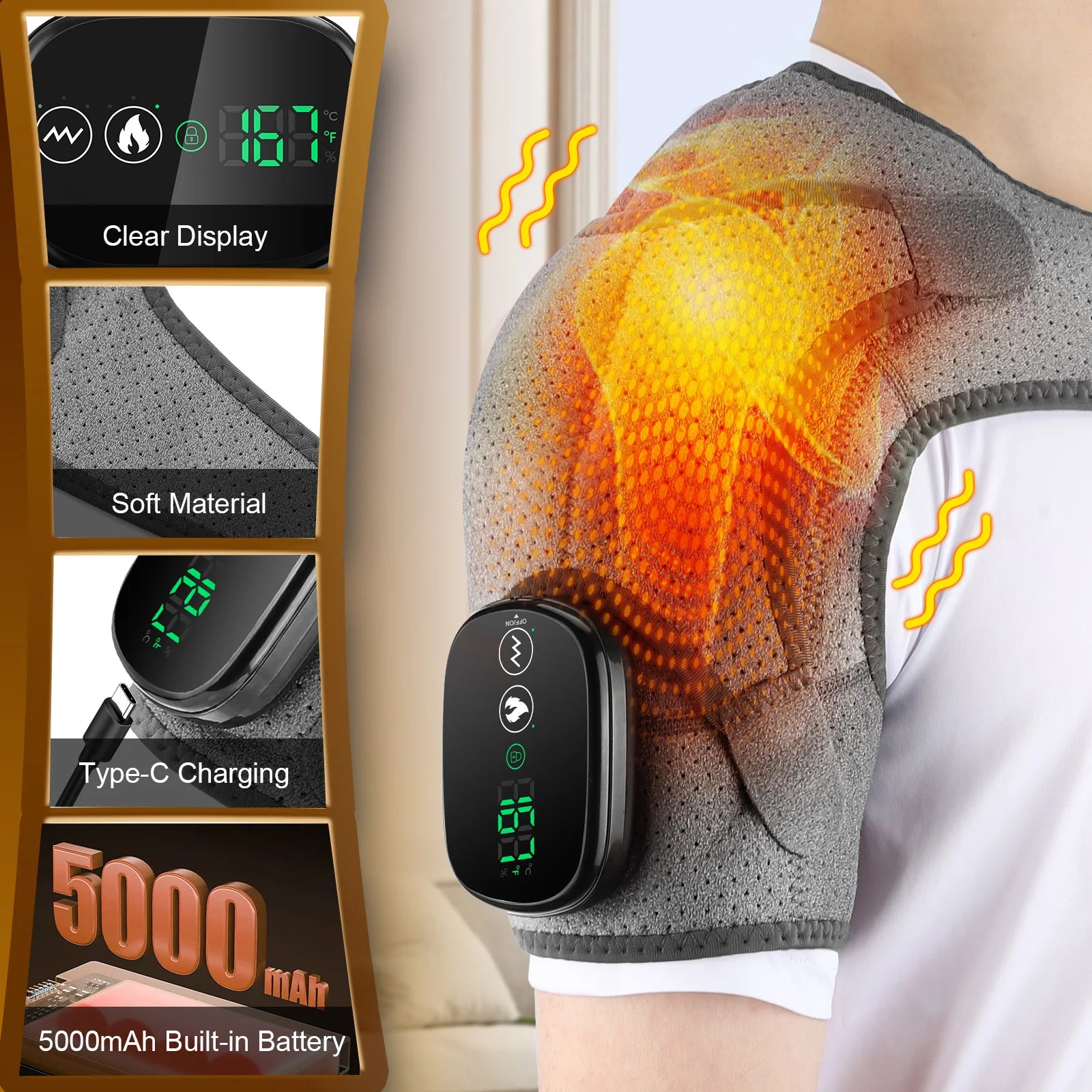
Trusted massage therapy equipment for real results See it in action
Frequently Asked Questions
What is the best device for shoulder pain at home?
A heated shoulder massager is the best all-around option for most users.
Do massage devices help shoulder pain?
Yes, especially for muscle tension and stiffness when used consistently.
Are vibration massagers effective for sore muscles?
They are effective for mild soreness and improving circulation.
Can I use a shoulder massager every day?
Yes, daily use is safe when following recommended duration and intensity.
Should I choose heat or cold therapy?
Use heat for stiffness and chronic pain, cold for inflammation and injury.
Can TENS replace massage therapy?
No, but it complements massage by targeting nerve-related pain.
Related Guide: Heated Shoulder Massage Review: Why It’s a Top Choice for Relief













