

Menstrual Cramp Relief: Evidence-Based Ways to Feel Better
Menstrual cramp relief often starts with simple measures you can use at home, at work, or while traveling. For many people, lower-abdominal heat can provide practical comfort, while nonsteroidal anti-inflammatory drugs (NSAIDs) such as ibuprofen or naproxen may help when they are appropriate for the individual. Gentle movement, rest, and other comfort measures can complement these approaches.
Menstrual cramps, also called dysmenorrhea, are commonly caused by prostaglandins that encourage the uterus to contract during menstruation. The right relief strategy depends on how severe the symptoms are, how quickly you need comfort, and whether you need to stay mobile. This guide explains the evidence-based options, how to use heat safely, and when period pain deserves medical evaluation.
What Causes Menstrual Cramps?
Menstrual cramps usually occur in the lower abdomen and may spread toward the lower back or thighs. The medical term for painful menstruation is dysmenorrhea. For some people, cramps are mild and manageable; for others, they can interfere with work, sleep, exercise, or everyday activities.
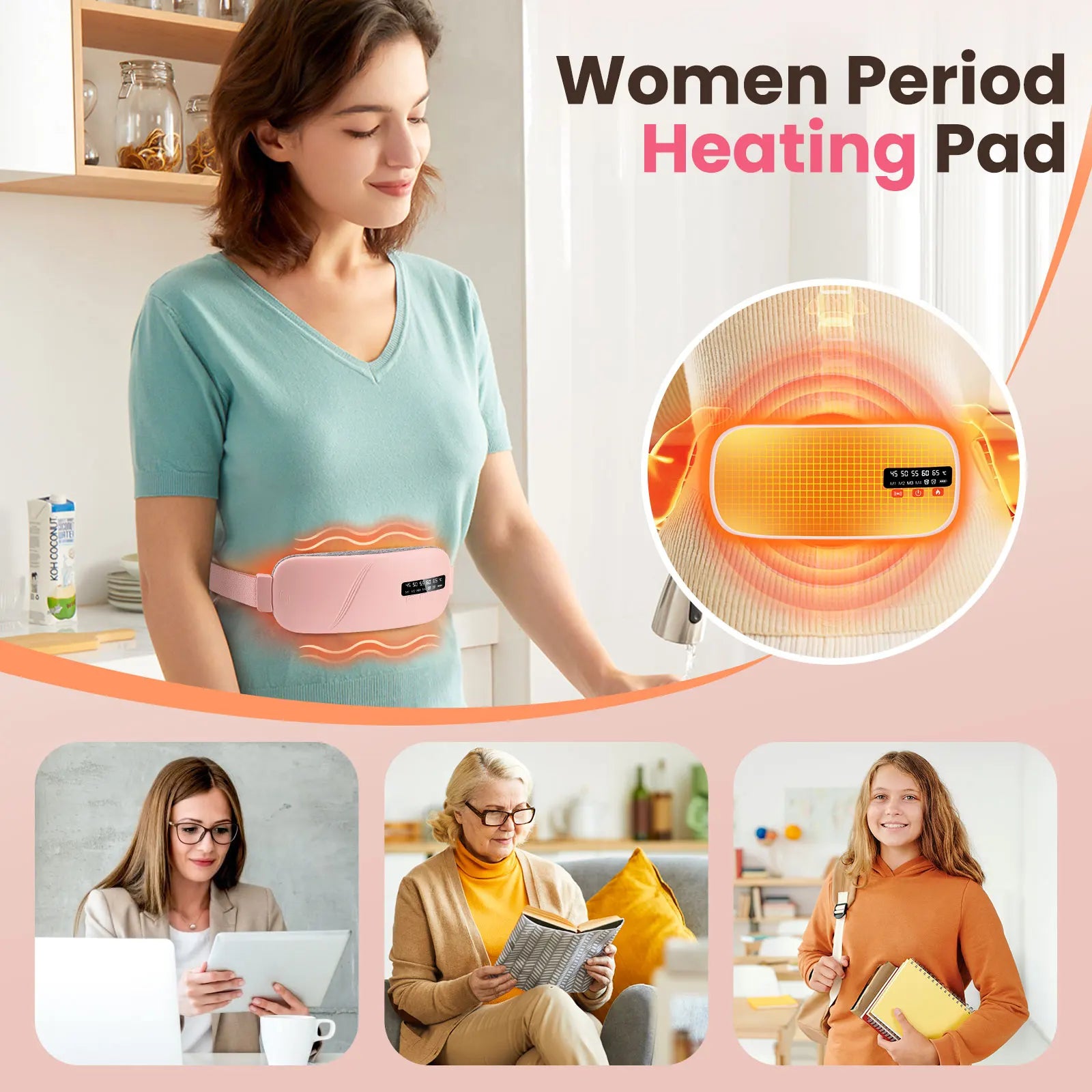
Primary vs. Secondary Dysmenorrhea
Primary dysmenorrhea refers to menstrual pain that is not caused by another identifiable pelvic condition. It commonly begins around the time periods become established and may vary from cycle to cycle.
Secondary dysmenorrhea occurs when menstrual pain is associated with another condition. Endometriosis, adenomyosis, uterine fibroids, and pelvic inflammatory disease are among the possible causes. Pain that becomes progressively worse, begins later than usual, occurs outside the menstrual period, or is accompanied by other unusual symptoms should not simply be assumed to be ordinary cramps.
Why Prostaglandins Can Make Cramps Feel Worse
During menstruation, the uterine lining releases prostaglandins. These substances are involved in uterine contractions that help the uterus shed its lining. Higher prostaglandin activity can contribute to stronger contractions and more noticeable cramping.
This helps explain why NSAIDs can be useful for some people: these medicines reduce prostaglandin production. Heat works differently. It is primarily a comfort measure that may help reduce the perception of pain and ease muscle discomfort without addressing the underlying cause of dysmenorrhea.
The Fastest Evidence-Based Ways to Relieve Menstrual Cramps
There is no single fastest menstrual cramp relief method that works equally well for everyone. For many people, a practical first-line approach is to use comfortable heat and, when medically appropriate, an OTC NSAID according to its label directions. Supportive measures such as gentle movement or rest can then be added according to how you feel.
Heat Therapy for Quick, At-Home Comfort
Applying warmth to the lower abdomen is a widely used approach for menstrual discomfort. A heating pad, hot water bottle, or wearable heating belt can deliver warmth directly where cramps are felt.
Heat can be especially convenient when you want non-drug comfort while reading, resting, watching television, or working from home. The goal is comfortable warmth rather than the highest possible temperature. Always follow the instructions supplied with the heat product.
NSAIDs Such as Ibuprofen or Naproxen
NSAIDs can reduce menstrual pain by inhibiting enzymes involved in prostaglandin production. They may work best when taken according to the product labeling and appropriate timing for the individual rather than waiting until pain becomes severe.
NSAIDs are not suitable for everyone. Follow the package directions, avoid taking multiple NSAID products together unless a healthcare professional specifically tells you to do so, and ask a healthcare professional or pharmacist whether an NSAID is appropriate if you have relevant medical conditions, take blood-thinning medicines, have medication allergies, or have other factors that could affect safe use.
Gentle Movement, Rest, and Other Supportive Measures
Some people find that walking, gentle stretching, yoga-style movement, or other light activity makes menstrual discomfort easier to manage. Others feel better resting with warmth applied to the lower abdomen. Neither response is unusual.
Hydration, adequate sleep, comfortable clothing, and taking breaks during demanding days can also support overall comfort. These measures should be viewed as complementary strategies rather than guaranteed treatments for menstrual pain.
Does Heat Help With Menstrual Cramps?
Yes. Heat can help some people manage menstrual cramps by providing soothing warmth to the lower abdomen and reducing the sensation of discomfort. It is a symptom-management strategy rather than a treatment for an underlying pelvic condition.
How Lower-Abdominal Warmth May Ease Discomfort
Warmth can promote a feeling of relaxation around the area where cramps are experienced and may influence how pain signals are perceived. This makes heat particularly useful when the main goal is immediate, localized comfort.
A heat source can also be easier to use than medication for someone who prefers a non-drug option or wants an additional comfort measure alongside an appropriate pain-relief strategy.
What Heat Can and Cannot Do
Heat may make menstrual discomfort more manageable, but it does not establish why severe cramps are happening. It also does not treat conditions such as endometriosis, fibroids, or adenomyosis.
If you repeatedly need increasingly intense heat to function, if your pain is worsening, or if cramps are substantially disrupting normal activities, consider discussing the symptoms with a healthcare professional rather than relying exclusively on home heat therapy.
How to Use Heat Safely for Period Cramps
Safe heat therapy is about using enough warmth to feel comfortable without exposing the skin to excessive temperature or prolonged contact. Device instructions should take priority over generic recommendations.
Heating Pads
Place a heating pad over the lower abdomen or another area where you experience menstrual discomfort. Use a comfortable setting and follow the manufacturer's instructions for temperature, session length, and automatic shutoff.
Avoid falling asleep with a heating pad unless the specific device is designed and approved for that type of use. Check your skin periodically, particularly when using a higher heat setting. Excessive redness, burning, irritation, numbness, or discomfort is a reason to stop.
Hot Water Bottles
Hot water bottles provide a simple, low-tech alternative. Use appropriately hot rather than boiling water, check the bottle and stopper for damage or leaks, and use a cover or layer of fabric between the bottle and your skin when recommended.
Do not place excessive pressure on a hot water bottle or continue using one if the material shows signs of deterioration. The objective is gentle warmth, not intense heat.
Wearable Rechargeable Heating Belts
A wearable rechargeable heating belt can be useful when you want lower-abdominal warmth without remaining beside an electrical outlet. Adjustable heat can help you choose a comfortable setting, while a wearable design can be practical during quiet activities around the home or when working.
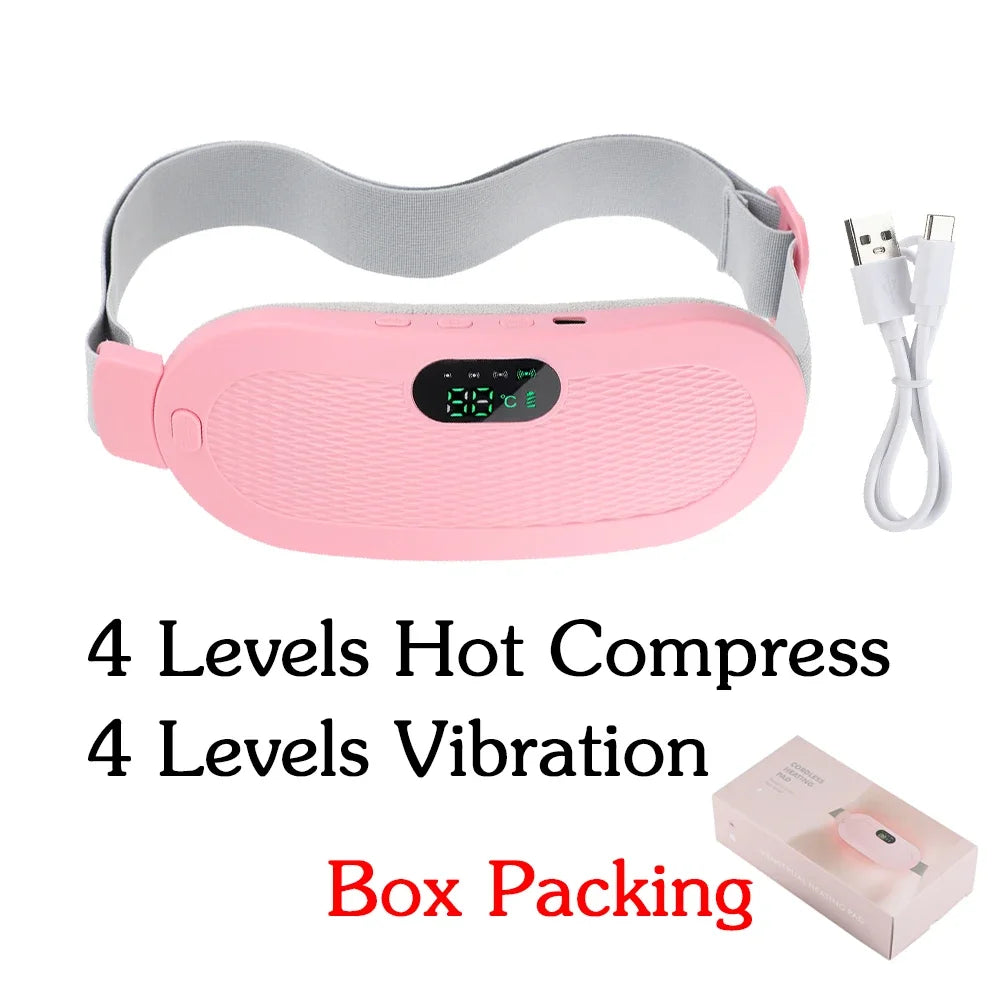
When evaluating a cordless device, look at the temperature settings, session timer, battery capacity, charging method, fit, fabric, and manufacturer safety instructions. For example, the Menstrual Heating Pad for Period Relief & Soothing Heat Belt combines adjustable warmth with selectable gentle vibration, a 15- or 30-minute automatic timer, and a rechargeable 1800mAh battery.
Heat Safety: When to Stop
Stop using heat if your skin becomes painful, excessively red, irritated, numb, or burned. Never use a damaged electrical or rechargeable heating product. Keep charging equipment and connections dry, and follow the manufacturer's instructions for charging and operation.
For consumer heating products, safety depends on the actual device design, electrical construction, materials, instructions, and intended use. Look for clear manufacturer safety information and, where applicable, relevant consumer-product and electrical safety compliance rather than assuming that every heating device has the same safety characteristics.
Heating Pad vs. Hot Water Bottle vs. Wearable Heat Belt
The best heat format depends less on a universal ranking and more on where and how you expect to use it.
| Heat format | Best suited to | Main advantage | Important consideration |
| Heating pad | Home or near an outlet | Consistent, adjustable warmth | Usually less convenient for moving around |
| Hot water bottle | Simple home comfort | Low-tech and easy to use | Requires hot-water preparation and leak checks |
| Rechargeable heat belt | Work, rest, or travel | Cordless, wearable warmth | Requires charging and attention to fit and temperature |
Best for Home Use: Heating Pads
A traditional heating pad can be a straightforward choice when you are resting in one place. Many models offer multiple heat settings and are useful when you want sustained warmth without preparing hot water.
If you regularly use wellness devices at home, the Body Care and Health Devices collection provides a broader place to explore body-focused comfort and personal-care devices.
Best for Simple, Low-Tech Use: Hot Water Bottles
Hot water bottles require no battery or electrical connection and can be convenient for relaxing in bed or on the sofa. Their limitations include the need to prepare hot water and the need to monitor temperature, condition, and skin contact carefully.
Best for Hands-Free Mobility: Wearable Heating Belts
A wearable belt can make more sense when being attached to an outlet would interfere with what you are doing. This can be particularly relevant for menstrual cramps during work, reading, light household activities, or travel.
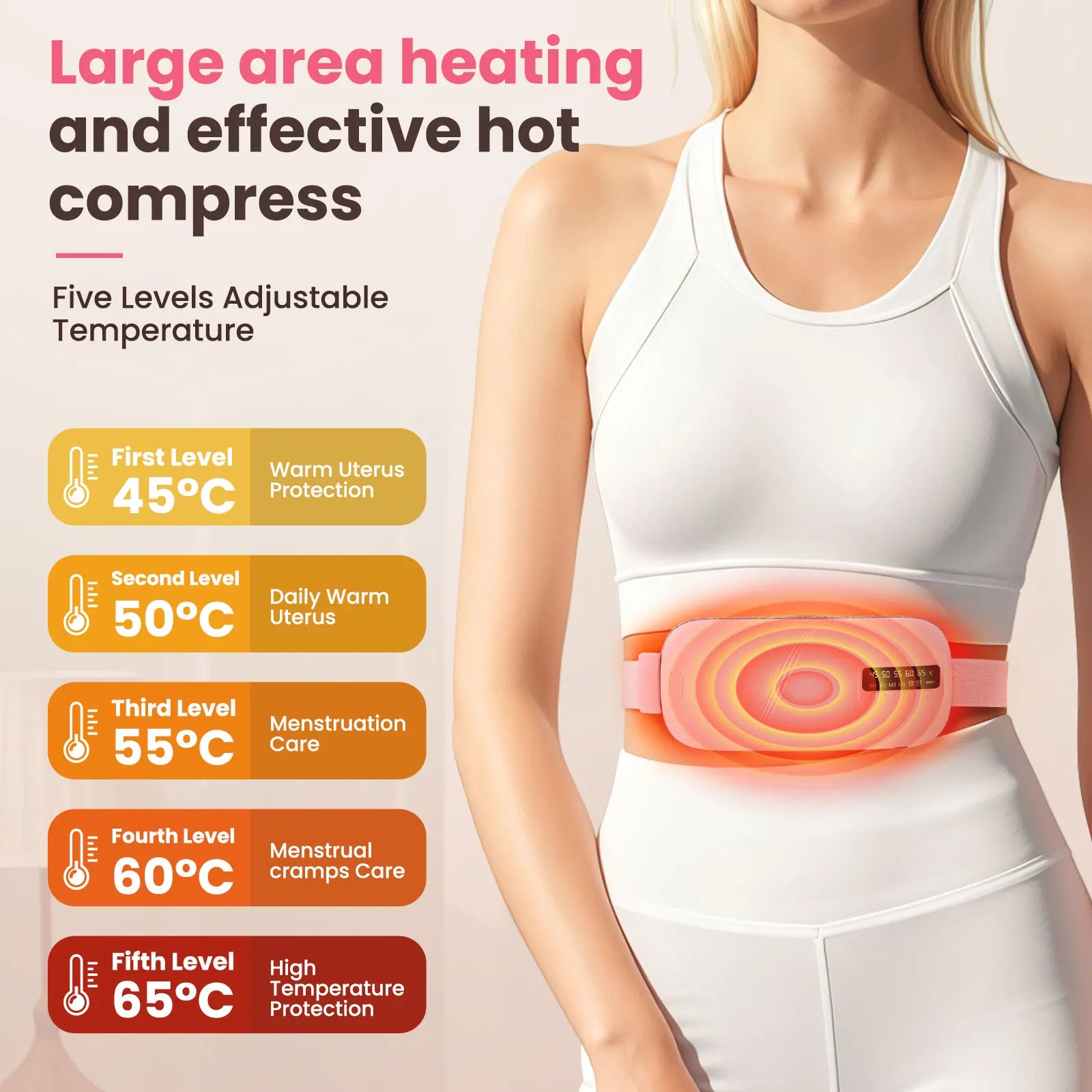
If hands-free warmth is the main reason you are considering a wearable format, the rechargeable menstrual heating belt is one option to consider. Its cordless design, USB Type-C charging, adjustable warmth, and automatic session timer are practical features for portable comfort; they should not be interpreted as evidence that the device treats the cause of menstrual pain.
Can You Combine Heat and Pain Medication?
Heat and appropriately used pain medication can serve different roles in menstrual symptom management. Heat provides localized comfort, while NSAIDs can reduce prostaglandin-related pain. Some people may therefore use both, provided the medication is appropriate for them and both approaches are used according to their respective safety instructions.
Using Heat Alongside NSAIDs
There is no general requirement that you choose between heat and an appropriate OTC pain reliever. If you use an NSAID, follow its label carefully and do not exceed the recommended amount. Heat should likewise be kept at a comfortable temperature and used for the duration recommended by the device manufacturer.
NSAID Safety Basics
Ask a healthcare professional before using NSAIDs if you have a history of stomach ulcers or gastrointestinal bleeding, kidney problems, certain cardiovascular conditions, medication allergies, or other relevant health concerns. Pregnancy can also affect which pain medicines are appropriate. Blood-thinning medicines and other medications may create additional considerations.
This article does not provide individualized medication or dosing advice. If you are unsure whether ibuprofen, naproxen, or another pain reliever is suitable for you, a pharmacist or healthcare professional can help you make that decision.
Lifestyle Measures That May Support Menstrual Cramp Relief
Gentle Exercise and Stretching
Light movement may help some people feel less uncomfortable during menstruation. A short walk, gentle stretching, or low-intensity movement can be worth trying if activity feels comfortable. If movement increases your pain, rest instead.
Rest, Sleep, Hydration, and Comfort Measures
Menstrual discomfort can make normal routines harder, especially when cramps interfere with sleep. A comfortable sleeping position, appropriate warmth, hydration, and permission to reduce demanding activities can make the period experience more manageable.
For broader self-care ideas and wellness-oriented devices, you can also browse the Lifestyle collection as part of a wider personal-comfort routine.
Track Symptoms Across the Menstrual Cycle
Tracking your symptoms can reveal useful patterns. Record when pain begins, how severe it becomes, how long it lasts, whether bleeding changes, and which measures seem to help.
Consistent tracking can also make a healthcare appointment more productive if your symptoms change. A clear history may help a clinician determine whether the pattern is consistent with typical primary dysmenorrhea or warrants further evaluation.
When Menstrual Cramps Should Be Evaluated by a Doctor
Menstrual pain is common, but severe or changing pain should not automatically be dismissed as normal. Medical evaluation is appropriate when symptoms are unusually intense, progressively worsening, or interfering significantly with everyday life.
Signs Your Period Pain May Not Be Typical
- Pain is severe enough to substantially interfere with school, work, sleep, exercise, or normal activities.
- Menstrual pain is becoming progressively worse over time.
- Pain begins for the first time after years of relatively manageable periods.
- You experience pelvic or abdominal pain between periods.
- You have unusually heavy or changing menstrual bleeding.
- You experience pain during sex or other new pelvic symptoms.
- Usual self-care measures no longer provide adequate relief.
Possible Causes of Secondary Dysmenorrhea
Secondary menstrual pain can have several causes, including endometriosis, adenomyosis, uterine fibroids, pelvic inflammatory disease, and other gynecologic conditions. These conditions require clinical assessment rather than diagnosis through a home heat device or symptom checklist.
When to Seek Prompt Medical Attention
Seek prompt medical assessment for severe or sudden pelvic or abdominal pain, fainting, fever, or other symptoms that feel significantly different from your usual menstrual experience. Particularly intense or unusual symptoms should not be managed indefinitely with heat alone.
A Simple Menstrual Cramp Relief Routine
If You Need Relief at Home
- Assess the symptoms. Consider whether the pain resembles your usual menstrual cramps or is unusually severe or different.
- Apply comfortable lower-abdominal warmth. Use a heating pad, hot water bottle, or wearable heat belt according to its instructions.
- Consider appropriate OTC pain relief. If an NSAID is suitable for you, follow the product label and relevant healthcare guidance.
- Choose rest or gentle movement. Walk or stretch if it feels helpful; rest if activity makes you feel worse.
- Monitor the response. If symptoms remain severe, repeatedly disrupt daily life, or become unusual for you, consider medical evaluation.
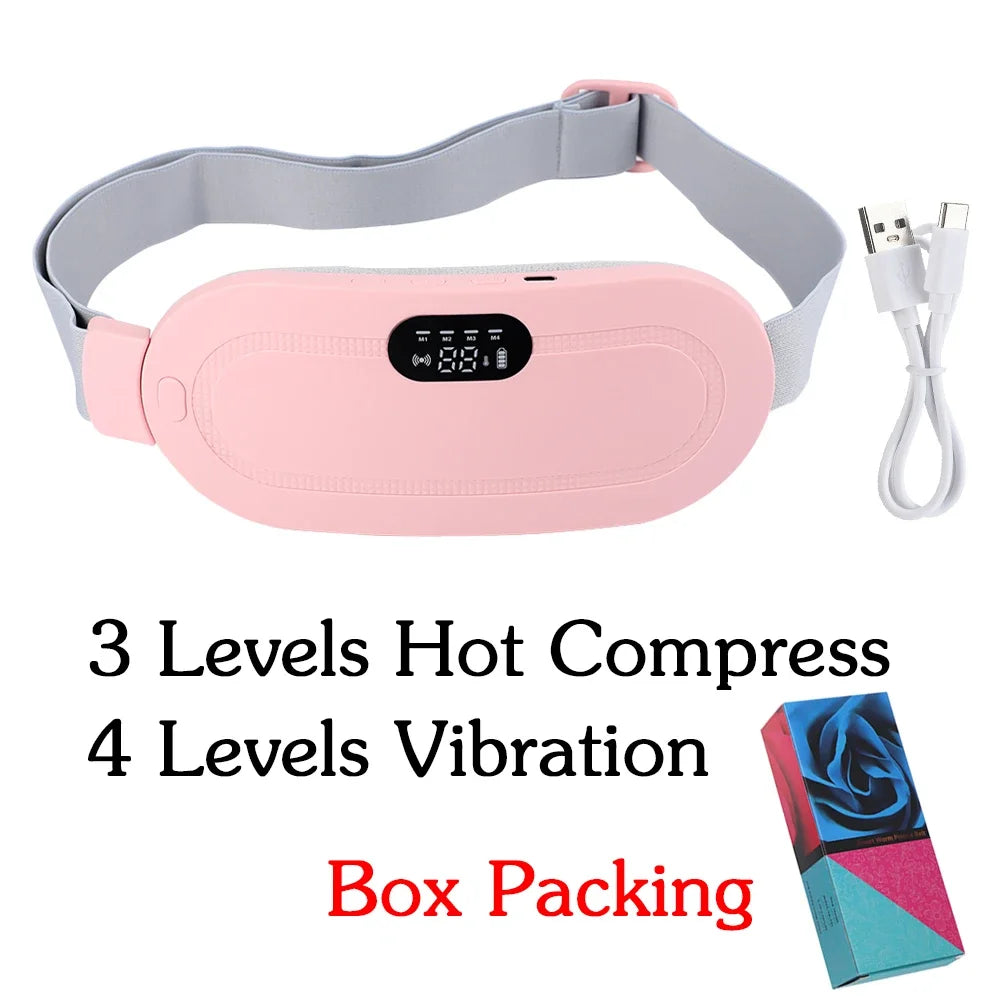
For people who prefer cordless warmth, the portable menstrual heating pad and soothing heat belt can be considered as an optional heat-delivery format. It provides adjustable warmth, gentle vibration, and timed 15- or 30-minute sessions, with an 1800mAh rechargeable battery for use away from an outlet.
If You Need Relief While Working or Traveling
Portability becomes more important when menstrual discomfort occurs during a workday, commute, reading session, or trip. A wearable rechargeable belt can provide targeted warmth without requiring you to remain next to a wall outlet. Before travel, charge the device fully, check its operating instructions, and make sure the fit allows comfortable movement.
For broader personal-care content that can complement a practical wellness routine, the Beauty & Self-Care Blog offers additional self-care topics.
The Bottom Line on Menstrual Cramp Relief
Effective menstrual cramp relief is usually about matching the method to the situation. Heat can provide practical lower-abdominal comfort at home, at work, or while traveling. NSAIDs may provide stronger pain relief for people who can safely use them, while gentle movement, rest, sleep, hydration, and other comfort measures can complement the main approach.
When choosing between a heating pad, hot water bottle, and wearable heat belt, consider where you will use it, how much mobility you need, whether you prefer cordless operation, and how easily you can control temperature and session length. A rechargeable belt can be a convenient option when hands-free warmth matters, while a traditional heating pad may be simpler when you are resting at home.
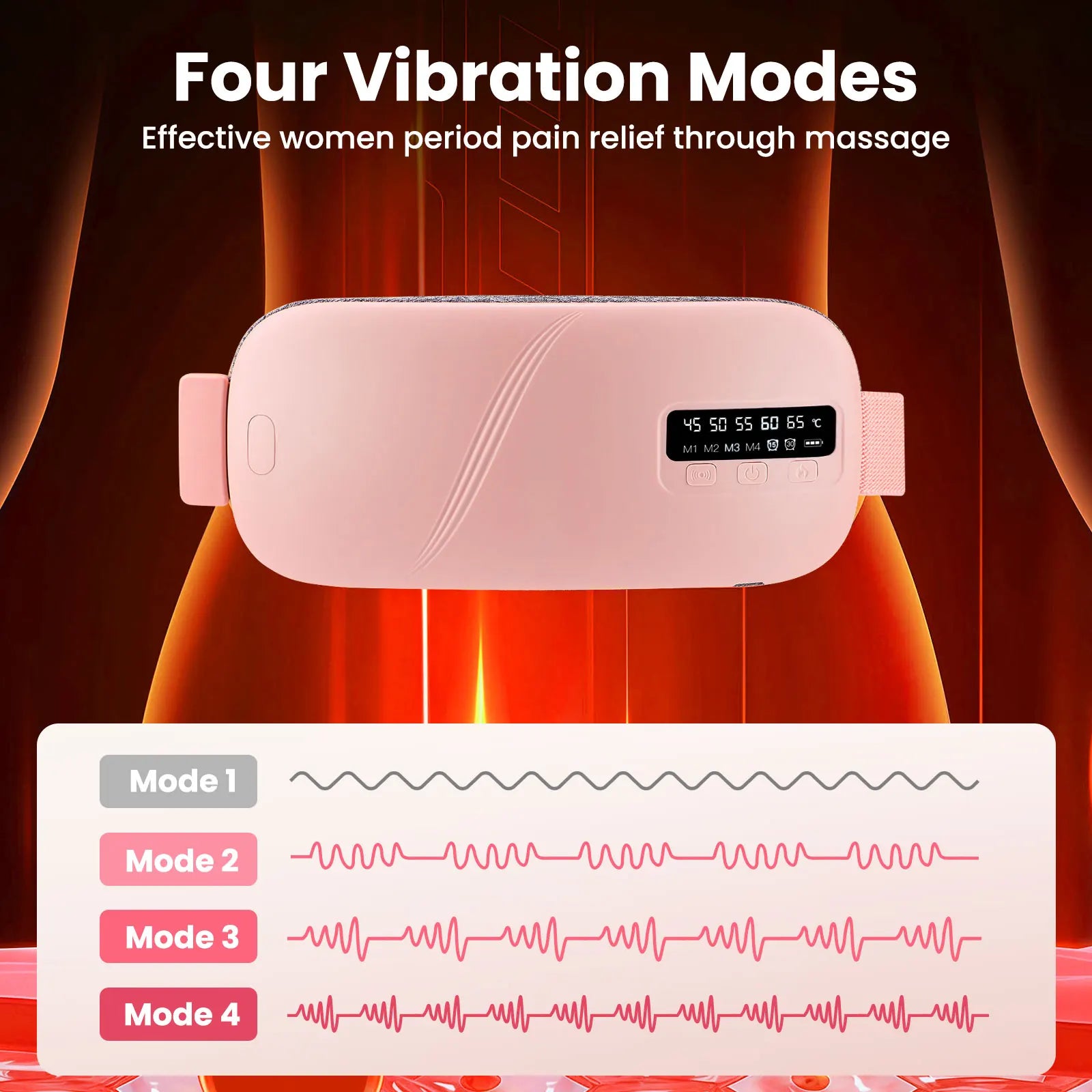
If you are looking for a convenient heat-delivery format, you can explore the Menstrual Heating Pad for Period Relief & Soothing Heat Belt as one portable option. Its adjustable warmth, gentle vibration, automatic timer, and rechargeable design are intended for convenient comfort rather than diagnosis or treatment of an underlying medical condition.
Most importantly, do not let the convenience of home heat therapy obscure significant symptoms. Persistent, worsening, unusually severe, or otherwise abnormal menstrual pain deserves appropriate medical evaluation.
Pillar Article: Best Heated Abdominal Belt for Women: Top Picks for Comfort













