

Microfiber vs Fleece Blanket: Which One Is Better for Warmth, Comfort, and Everyday Use?
Microfiber vs Fleece Blanket: Quick Comparison Table
| Feature | Microfiber Blanket | Fleece Blanket |
|---|---|---|
| Warmth | Provides lightweight warmth with balanced heat retention, making it suitable for year-round comfort and layering. | Offers stronger insulation because the raised fibers create more space to trap warm air, making it better for cold conditions. |
| Softness and Feel | Has a smooth, silky surface with a lightweight drape that feels comfortable against the skin. | Features a plush, fluffy texture that creates a cozy, warmer blanket feel. |
| Weight and Thickness | Usually thinner and lighter, making it easier to fold, store, and carry. | Typically thicker with more loft, adding warmth but slightly increasing weight. |
| Breathability | Allows better airflow and is less likely to feel overly warm during mild temperatures. | Retains more heat, which is useful in winter but may feel warmer for hot sleepers. |
| Moisture and Drying | Dries quickly and handles frequent washing well, making it practical for everyday use. | Also dries relatively fast but may require more careful washing to maintain its soft pile. |
| Durability and Care | Resists wrinkles, shrinking, and everyday wear while maintaining a smooth texture. | Durable and cozy, but repeated friction or washing may increase the chance of pilling. |
| Static and Pet Hair | May attract some static but its smooth surface can make cleaning easier. | Can hold static and may collect more visible pet hair because of its fuzzy texture. |
| Best For | All-season bedding, travel, layering, guest rooms, and users who prefer lightweight comfort. | Winter bedding, cold sleepers, movie nights, and anyone who prefers a thicker cozy feel. |
When comparing microfiber vs fleece blanket options, the material alone does not determine performance. Thickness, fiber construction, stitching, and surface texture can significantly affect warmth, softness, and long-term comfort.
Microfiber vs Fleece: Which Is Better Overall? (Quick Verdict)
The better choice between microfiber and fleece depends on how you use your blanket. A microfiber blanket is the stronger everyday option if you want lightweight softness, easy maintenance, and comfort across different seasons. A fleece blanket is the better pick when maximum warmth, plush texture, and cold-weather insulation matter most.
For a quick decision:
- Choose microfiber if you want a versatile blanket that is lightweight, breathable, easy to wash, and comfortable for daily use.
- Choose fleece if you need extra warmth, a thicker feel, and cozy insulation for colder nights.
For most households, microfiber works well as an everyday blanket, while fleece is ideal as a winter layer or extra-warm option. The right choice depends on your preferred balance of warmth, weight, and breathability.
What Is a Microfiber Blanket?
A microfiber blanket is made from extremely fine synthetic fibers, most commonly polyester or polyester blends. These fibers are thinner than traditional textile fibers, allowing manufacturers to create a smooth fabric with a soft feel, lightweight structure, and comfortable drape.
The tightly constructed fibers help a microfiber blanket retain warmth without creating excessive bulk. This makes microfiber popular for everyday bedding, travel blankets, and layering because it provides comfort without feeling heavy.
One of the main microfiber blanket benefits is its balance between softness and practicality. The smooth surface feels gentle against the skin, while the fabric’s quick-drying properties and resistance to wrinkles make it easier to maintain compared with many heavier blanket materials.
What Is a Fleece Blanket?
A fleece blanket is a soft synthetic blanket fabric, usually made from polyester fibers that are brushed to create a raised, plush surface. This lofted texture gives fleece its familiar cozy feel while helping it hold warm air between the fibers.
The warmth of a fleece blanket depends on factors such as pile height, thickness, and overall construction. A lightweight fleece may provide comfortable everyday warmth, while thicker or higher-pile fleece designs are better suited for cold rooms and winter use.
Compared with microfiber, fleece generally feels more substantial because its brushed surface creates more insulation. This makes fleece a popular choice for people who prefer a warmer, softer blanket for lounging, sleeping, or colder environments.
Does a Microfiber or Fleece Blanket Keep You Warmer?
When comparing microfiber vs fleece blanket warmth, fleece usually provides more insulation because its thicker, lofted fibers create more space to trap body heat. This extra air retention helps fleece feel warmer, especially during cold nights or in rooms with lower temperatures.
However, warmth is not determined by material alone. Blanket thickness, fiber density, and construction can have a major impact on heat retention. A lightweight fleece may feel cooler than a thicker microfiber blanket, while a premium high-pile fleece can provide significantly more cozy warmth.
For maximum cold-weather comfort, a fleece blanket is typically the better choice. For lightweight everyday warmth with better temperature balance, microfiber remains a practical option.
⏱ 6 min read
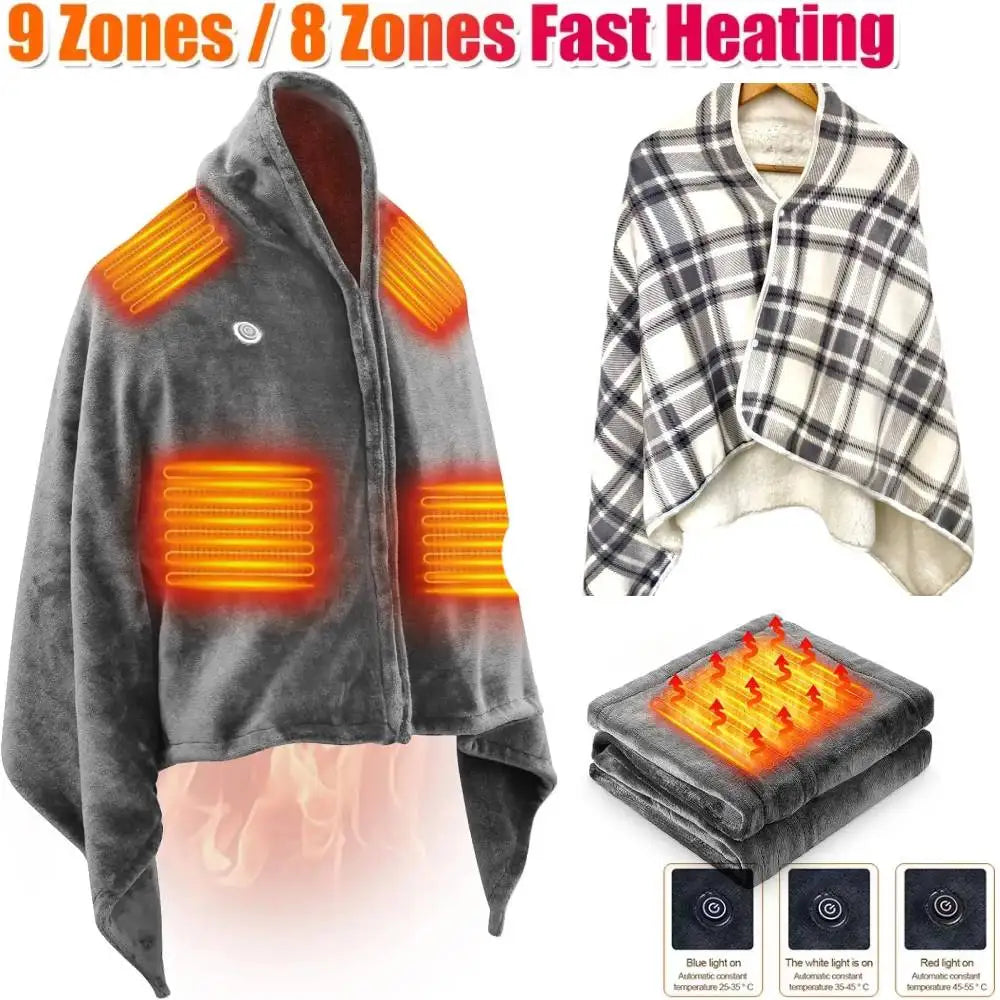
Soft, breathable comfort that stays warm without weight See it in action
Microfiber vs Fleece Blanket: Key Differences Explained
Warmth and Insulation
When comparing microfiber vs fleece blanket warmth, fleece typically provides stronger insulation because its brushed fibers create more loft and trap more warm air. This makes fleece a better option for cold bedrooms, winter nights, and users who prefer a cozy, heat-retaining blanket.
Microfiber provides lighter warmth with a thinner construction, making it better suited for layering, moderate climates, and people who want comfort without excessive heat buildup.
Softness and Feel
Microfiber has a smooth, sleek texture that feels soft and lightweight against the skin. Its fine fibers create a silky surface that works well for everyday bedding and travel blankets.
Fleece has a thicker, plush texture created by its brushed surface. Many users prefer fleece because it provides a warmer, more traditional cozy blanket feel, especially for relaxing on couches or during colder weather.
Breathability and Temperature Control
Microfiber generally offers better temperature balance because its lightweight structure allows heat and moisture to move away more easily. This makes it a practical choice for sleepers who tend to get warm during the night.
Fleece is designed to hold heat, which is an advantage in colder conditions but may feel too warm for hot sleepers or warmer climates.
Weight and Drape
Microfiber blankets are usually thinner, lighter, and easier to fold or pack. Their flexible drape makes them convenient for travel, guest rooms, and everyday use.
Fleece blankets are often thicker with more loft, giving them a fuller feel and greater warmth. The added thickness can make fleece feel more luxurious but slightly less compact.
Moisture, Odor, and Drying
Microfiber is known for quick drying and efficient moisture management, which makes it useful for blankets that require frequent washing. Its smooth fibers also help prevent moisture from lingering on the surface.
Fleece can also dry quickly, but its thicker pile may require proper airflow during drying to maintain freshness and softness over time.
Durability, Pilling, and Longevity
Both microfiber and fleece can provide long-lasting performance when properly cared for. Microfiber often maintains its smooth appearance because it resists wrinkles and shrinking.
Fleece is durable but may develop pilling after repeated friction or washing, especially with lower-quality fabrics. Choosing a well-made fleece blanket and following care instructions can help preserve its texture.
Static and Pet Hair
Microfiber’s smooth surface can make it easier to remove pet hair, although synthetic fabrics may still generate some static depending on the environment.
Fleece can attract more visible pet hair because of its fuzzy texture. It may also hold more static, particularly in dry indoor conditions.
Washing and Care
Microfiber blankets are generally easy to maintain and can handle regular washing while keeping their soft feel. They typically dry quickly and require minimal special care.
Fleece blankets should be washed with gentle settings and moderate heat to help reduce pilling and protect the brushed surface. Proper care helps maintain fleece’s softness and insulation properties.
Pros and Cons: Fleece Blanket vs Microfiber
Microfiber Blanket Pros and Cons
- Pros: Lightweight, smooth, breathable, quick-drying, easy to store, and practical for year-round use.
- Cons: Provides less insulation than thick fleece, making it less suitable for extremely cold conditions.
Fleece Blanket Pros and Cons
- Pros: Excellent warmth retention, plush comfort, soft texture, and strong cold-weather performance.
- Cons: Can feel warmer than needed in mild climates, may collect more pet hair, and can develop pilling over time.
Best Use Cases: When to Choose Microfiber vs Fleece
Best for Cold Sleepers and Winter Warmth
Fleece is usually the better choice for cold sleepers because its thicker pile traps more heat and creates a warmer sleeping environment. It works especially well as a winter blanket or an additional layer during colder months.
Best for Hot Sleepers and Mild Weather
Microfiber is a better fit for hot sleepers and moderate climates because it provides comfortable warmth without the heavier heat retention of fleece. Its lightweight construction makes it easier to use throughout changing seasons.
Best for Travel and Portability
Microfiber is ideal for travel because it is lightweight, compact, and easy to pack. A microfiber blanket can work well for road trips, offices, camping, or keeping in a bag for extra comfort.
Best for Children and Everyday Family Use
Microfiber can be a practical choice for children and busy households because it is easy to wash, dries quickly, and handles frequent everyday use well. Fleece can also be a good option when extra warmth and a soft cozy feel are priorities.
Best for Sensitive Skin or Allergies
Microfiber’s smooth surface may feel more comfortable for some people with sensitive skin because it has fewer raised fibers than fleece. However, allergy suitability depends on individual sensitivity and regular laundering habits rather than the fabric type alone.
Best for Pets and Managing Pet Hair
Microfiber is often easier to clean in homes with pets because its smoother texture makes hair removal simpler. Fleece provides excellent comfort for pets but may require more frequent cleaning because its plush surface can hold onto hair more easily.
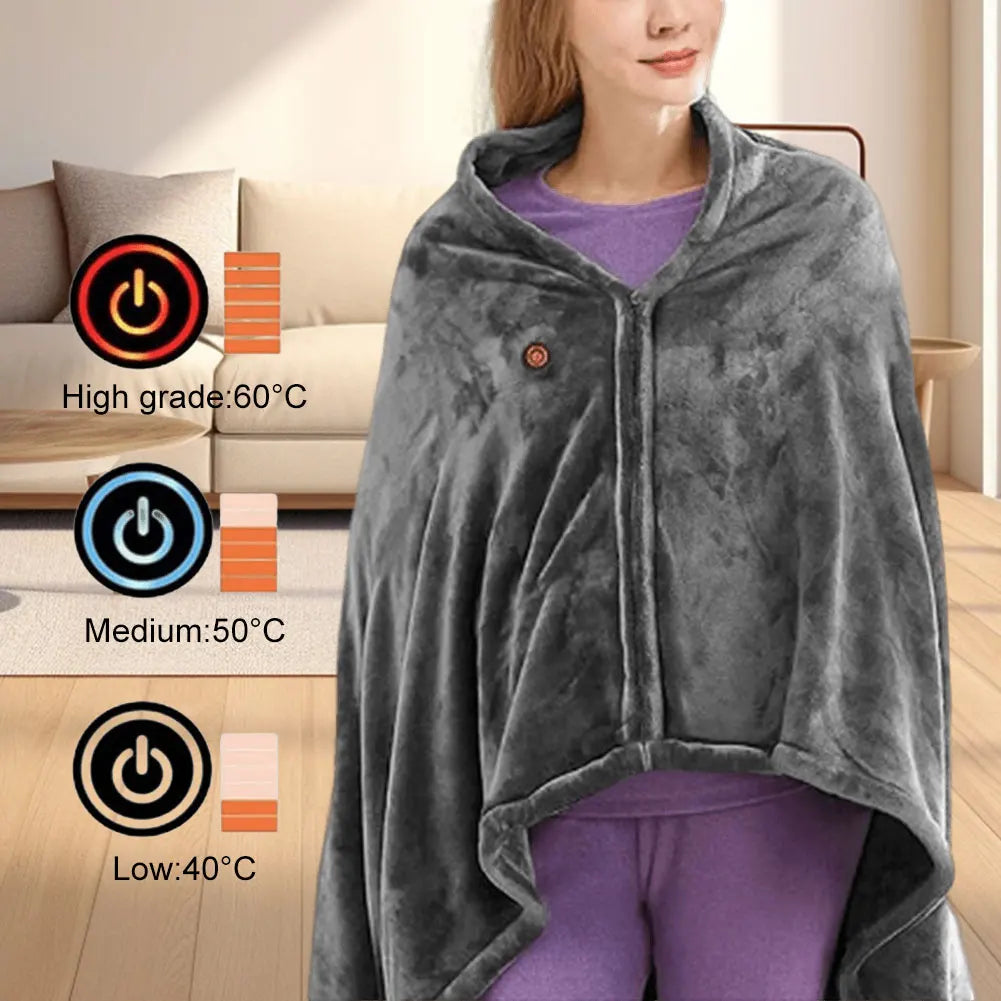
Perfect as a fleece travel blanket or soft fleece blanket throws See it in action
How to Wash and Care for Microfiber and Fleece Blankets
Washing and Drying Microfiber
Microfiber blankets are generally easy to maintain because their fine synthetic fibers handle frequent washing well. Use a gentle machine wash with cold or lukewarm water to help preserve softness and prevent unnecessary fabric wear.
- Wash with similar fabrics to reduce friction
- Use mild detergent and avoid harsh chemicals
- Tumble dry on low heat or air dry when possible
- Avoid excessive heat, which can affect synthetic fibers
Washing and Drying Fleece
Fleece blankets should be washed carefully to protect their soft brushed surface. Gentle cycles and lower temperatures help reduce pilling and maintain the blanket’s loft over time.
- Machine wash using a gentle cycle
- Use cold water to help protect the fleece texture
- Dry on low heat or allow the blanket to air dry
- Avoid high heat that may damage the fibers
How to Reduce Pilling, Static, and Fabric Damage
Proper care can extend the lifespan of both microfiber and fleece blankets. Avoiding excessive heat, heavy fabric softeners, and rough washing cycles helps maintain softness while reducing common issues such as pilling and static buildup.
- Wash blankets separately when possible to reduce friction
- Do not overload the washing machine
- Remove blankets promptly after drying to prevent wrinkles
- Follow the care label instructions for the specific blanket construction
For people balancing comfort with busy schedules, pairing cozy bedding with relaxation tools from Body Care and Health Devices can help create simple at-home comfort routines.
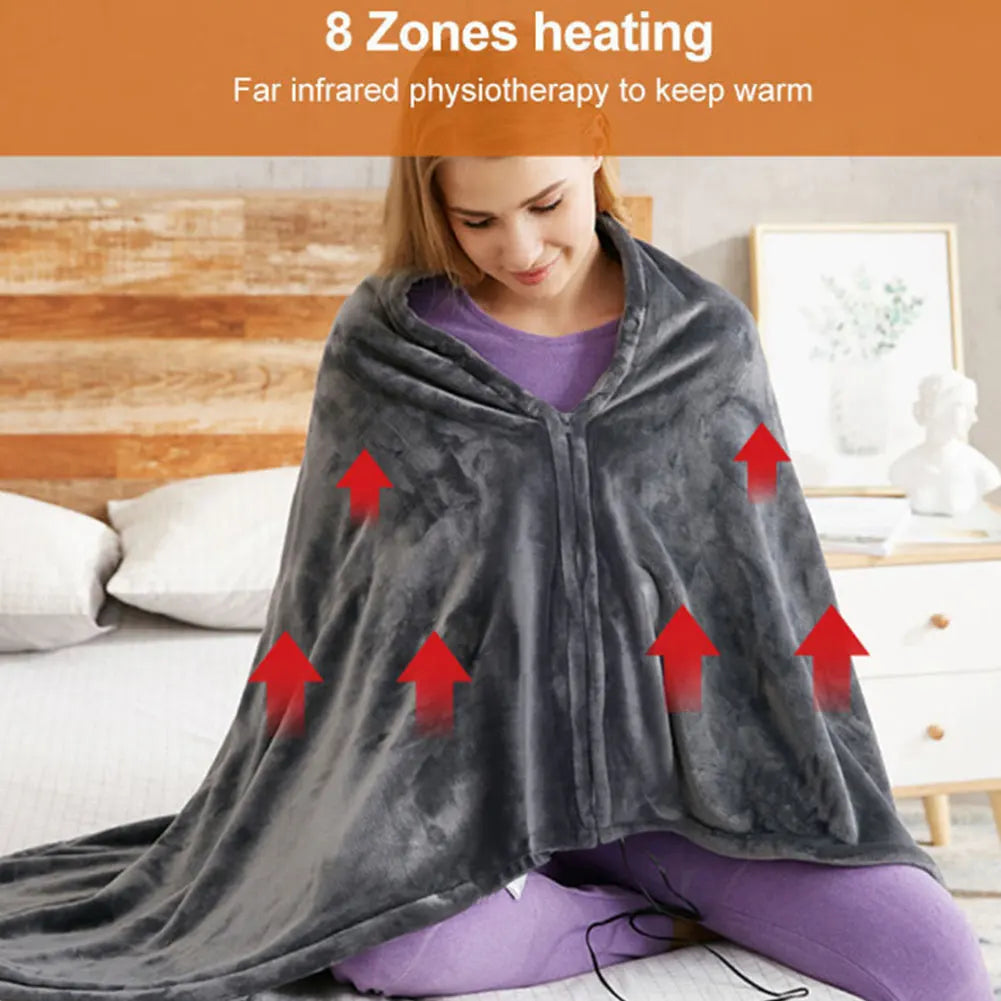
Warm without weight, at home or on the go See it in action
Frequently Asked Questions About Microfiber vs Fleece Blankets
Is microfiber warmer than fleece?
No. Fleece is usually warmer because its thicker, raised fibers create more insulation and trap more heat. Microfiber provides lighter warmth with better temperature balance, making it useful for everyday comfort.
Is fleece more breathable than microfiber?
No. Microfiber is generally more breathable because its lightweight construction allows better airflow. Fleece retains more heat, which makes it useful for cold weather but potentially too warm for some hot sleepers.
Which lasts longer: fleece or microfiber?
Both materials can be durable with proper care. Microfiber often maintains its smooth appearance longer because it resists wrinkles and shrinking, while fleece may develop pilling after repeated friction or washing.
Are microfiber blankets good for hot sleepers?
Yes. Microfiber blankets can be a good choice for hot sleepers because they provide comfortable warmth without the heavier heat retention of fleece. Choosing a lightweight construction can improve temperature comfort.
Which blanket is better for sensitive skin?
Microfiber may feel more comfortable for some people with sensitive skin because its surface is smooth and soft. However, individual preferences vary, and regular washing is important for keeping any blanket fresh.
Does fleece attract more pet hair or static?
Fleece can attract more visible pet hair because its plush fibers create a textured surface. It may also build up static more easily in dry environments compared with smoother microfiber fabrics.
Can you wash microfiber and fleece blankets in a washing machine?
Yes. Both microfiber and fleece blankets can usually be machine washed. Use gentle cycles, cooler water, and lower drying temperatures to help protect softness, reduce pilling, and extend the blanket’s lifespan.
Related Guide: Heated Blanket Batteries: Features That Keep You Warm Longer
Final Verdict: Microfiber vs Fleece — Which Should You Choose?
The best choice between microfiber and fleece depends on your comfort priorities. If you want a lightweight, versatile blanket that works across seasons, travels easily, and is simple to maintain, microfiber is the better option.
If your priority is maximum warmth, a plush texture, and extra insulation for cold nights, fleece is the stronger choice. Keep in mind that thickness, fiber quality, and blanket construction can affect performance as much as the material itself.
For many households, having both types provides the most flexibility: microfiber for everyday comfort, layering, and travel, and fleece for colder nights when extra warmth is needed.













