

What does a motorcycle helmet safety rating really tell you?
Motorcycle helmet safety rating explains how well a helmet protects your head during real crashes, not just lab claims. It reflects motorcycle helmet safety test results, compliance with helmet safety standard benchmarks, and impact performance data. Higher ratings signal better energy absorption, shell integrity, and protection against rotational forces.
Motorcycle Helmet Testing: How Safety Ratings Actually Work
Motorcycle helmet testing is the foundation of every safety rating you see. Instead of relying on branding or marketing claims, these tests measure how helmets perform under controlled crash simulations. From impact absorption to chin strap strength, understanding how testing works helps you choose protection based on real data—not guesswork.
⏱ 6 min read
Explore how safety ratings reveal real performance differences before you ride.
Which helmet actually keeps you safer when it counts? Read on.
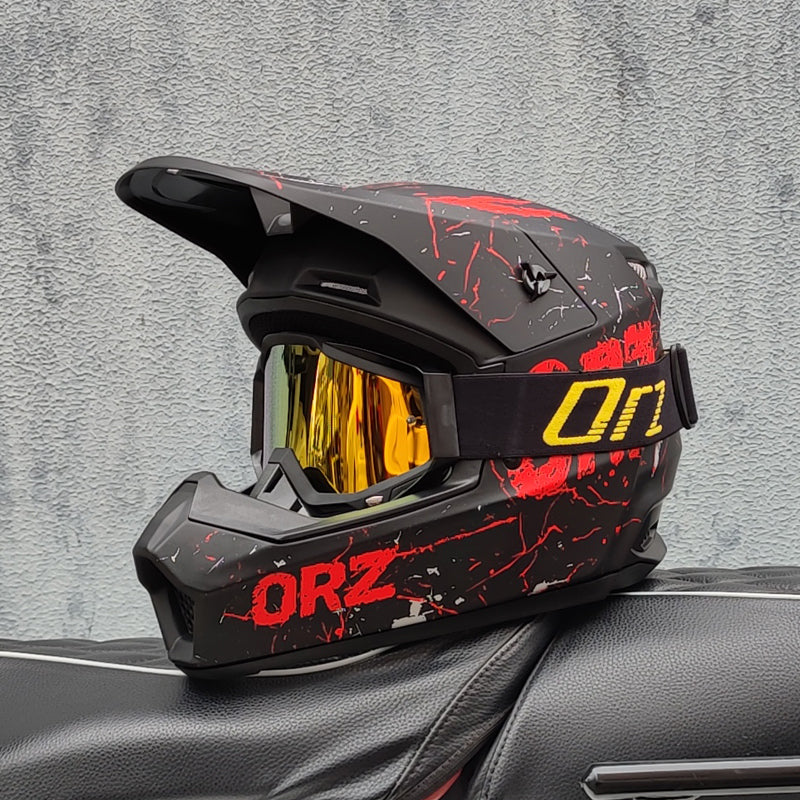
Understanding motorcycle helmet safety rating helps riders choose smarter protection 💡 See it in action
What Is Motorcycle Helmet Safety Certification and Why It Matters
Motorcycle helmet testing is governed by formal safety certifications that define how helmets must perform under controlled lab conditions. These certifications are not just labels—they represent standardized motorcycle helmet safety tests designed to measure impact protection, structural integrity, and retention strength.
Key Motorcycle Helmet Safety Standards (DOT vs ECE vs Snell vs SHARP)
- DOT (FMVSS 218): A self-certification system used in the U.S., focusing on impact absorption and penetration resistance.
- ECE 22.05 / 22.06: Widely used in Europe, requiring more rigorous and consistent lab testing across multiple impact points.
- Snell: A voluntary, high-performance standard with stricter impact thresholds and multiple hit tests.
- SHARP: A UK-based rating system that evaluates real-world crash performance and assigns star ratings.
Motorcycle Helmet Safety Ratings UK (SHARP Explained)
The SHARP (Safety Helmet Assessment and Rating Programme) system expands on ECE certification by performing additional impact tests and publishing a star-based helmet safety rating. Unlike pass/fail systems, SHARP helps riders compare how different helmets perform under varied crash scenarios.
How Motorcycle Helmet Testing Works (Step-by-Step Lab Process)
Motorcycle helmet testing follows a strict sequence of lab procedures designed to simulate real crash conditions. Each motorcycle helmet safety test focuses on a specific failure point that could occur during an accident.
Impact Testing (Drop Tests Explained)
Helmets are dropped onto hard surfaces at controlled speeds to measure how well they absorb energy. Sensors inside the helmet record G-forces transmitted to the headform. Lower G-force readings indicate better protection against brain injury.
Penetration Testing (Sharp Object Resistance)
A pointed striker is dropped onto the helmet shell to test whether sharp objects can penetrate through to the skull. A helmet passes if the object does not make contact with the headform.
Retention System Testing (Chin Strap Strength)
The helmet’s chin strap is subjected to sudden force to ensure it does not stretch excessively or break. This ensures the helmet stays securely on the rider’s head during a crash.
Field of Vision and Roll-Off Tests
- Field of vision: Ensures riders maintain adequate peripheral awareness.
- Roll-off test: Checks whether the helmet can be pulled off from the head during impact.
How Motorcycle Helmet Safety Tests Measure Real Protection
Motorcycle helmet testing is not just about passing or failing—it measures how effectively a helmet reduces the forces that cause serious head injuries.
Energy Absorption and G-Force Explained
When a helmet hits a surface, its inner foam liner compresses to absorb kinetic energy. The goal is to reduce the peak G-force transferred to the brain. Even small reductions in G-force can significantly lower the risk of traumatic brain injury. Learn more about how materials like EPS foam enhance energy absorption.
What Testing Data Reveals About Brain Injury Risk
Testing data shows that helmets with better energy management systems reduce both linear and rotational forces. These forces are directly linked to concussions and more severe brain injuries, making energy absorption one of the most critical performance metrics in helmet safety ratings.
Discover which designs deliver measurable protection advantages.
Motorcycle Helmets Safety Standards Compared (DOT vs ECE vs Snell)
Not all motorcycle helmet safety standards use the same testing methods. Understanding the differences helps riders interpret helmet ratings more accurately.
Key Differences in Testing Methods
- DOT: Focuses on basic impact and penetration tests with manufacturer self-certification.
- ECE: Requires batch testing and multiple impact points for more consistent validation.
- Snell: Uses higher impact speeds and multiple strikes on the same location.
Which Standard Is the Most Strict?
Snell is often considered the most demanding due to higher impact thresholds, while ECE provides a balanced approach with realistic testing conditions. DOT ensures baseline safety but is generally less rigorous in enforcement.
How to Interpret Motorcycle Helmet Safety Ratings
Instead of focusing on brands, it is more useful to understand how helmet safety ratings translate into real-world protection.
- Pass/Fail Standards (DOT, ECE, Snell): Confirm minimum safety requirements are met.
- Star Ratings (SHARP): Provide comparative performance insights across models. See a deeper breakdown in this SHARP ratings guide.
- Test Data: Indicates how well a helmet manages impact energy and reduces injury risk.
A higher rating generally means better performance under test conditions, but proper fit and helmet type remain equally important for actual safety.
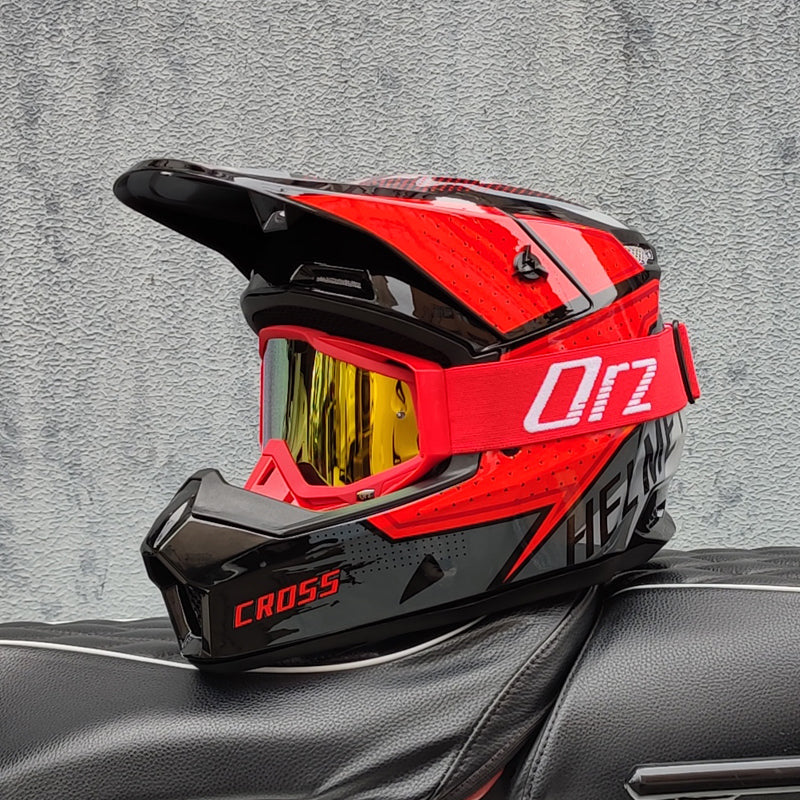
Side-by-side motorcycle helmet safety rating comparisons reveal hidden standouts 💡 See it in action
Why Full-Face Helmets Often Lead in Safety Ratings
Full-face helmets consistently achieve higher motorcycle helmet safety ratings due to extended coverage and stronger structural integrity. The chin bar adds a critical impact zone often involved in crashes. Compare different designs in this helmet types guide.
Safety Advantages of Full-Face Designs
- Greater energy absorption across more surface area
- Improved protection for jaw and face
- Enhanced shell rigidity during multi-point impacts
- Better noise reduction and stability at speed
Riders seeking an impact resistant helmet with balanced comfort often gravitate toward full-face models. Explore a full-face motorcycle helmet option designed with protection-first engineering.
How to Choose the Right Helmet Based on Safety Ratings
Choosing a helmet should be based on how well it performs in motorcycle helmet testing—not just its certification label.
- Check certification: Look for ECE, DOT, or Snell approval depending on your region.
- Use SHARP ratings if available: Compare real-world performance between models.
- Prioritize fit: A poorly fitted helmet reduces protection regardless of rating. See this helmet sizing guide.
- Consider riding conditions: High-speed riders may benefit from stricter standards like Snell.
Ultimately, the safest helmet is one that combines strong test performance with proper fit and consistent use.
Choose a helmet that delivers proven safety performance when it matters most.
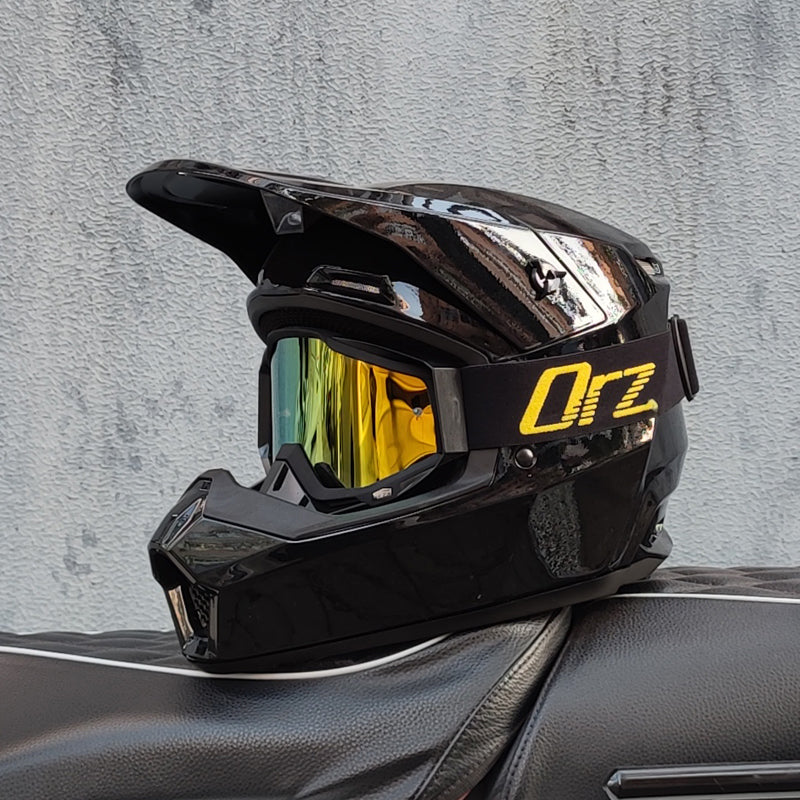
Choosing the right motorcycle helmet safety rating builds confidence every ride 💡 See it in action
Frequently Asked Questions
Is a higher motorcycle helmet safety rating always better?
Generally yes, because higher ratings indicate better performance in motorcycle helmet safety tests. However, proper fit and correct use are equally important for real-world protection.
Do all certified helmets offer the same level of safety?
No. Motorcycle helmet safety certification ensures minimum standards, but safety ratings reveal how helmets compare beyond basic compliance.
How often should I replace my helmet?
Most manufacturers recommend replacement every five years or immediately after any significant impact, even if no damage is visible.
Explore helmets built for confidence, comfort, and proven impact protection.
Related Guide: DOT Approved Motorcycle Helmet: Best Picks Compared













