

Does motorcycle safety gear really protect riders?
Yes. Proper motorcycle safety gear can significantly reduce the severity of injuries by absorbing impact energy, resisting abrasion, and protecting vulnerable parts of the body during a crash. While no equipment can prevent every injury, wearing certified protective gear greatly improves a rider's chances of avoiding life-threatening or permanently disabling injuries.
What crash research shows
Crash investigations consistently show that helmets are the single most effective piece of motorcycle safety gear for reducing fatal head injuries. Jackets, gloves, riding pants, boots, and certified body armor work together to lessen impact forces, reduce road rash, and help protect joints, the spine, and soft tissue during both low- and high-speed incidents.
Which injuries gear helps reduce
A complete motorcycle protective gear guide emphasizes protecting the entire body rather than relying on a single item. Helmets help reduce traumatic brain injuries, armored jackets protect the shoulders, elbows, chest, and back, gloves reduce hand injuries, reinforced pants shield the hips and knees, and motorcycle boots stabilize the ankles while helping prevent crushing and twisting injuries.
Motorcycle safety gear cannot eliminate every risk, but it provides critical protection against the most common crash injuries. That's why experienced riders follow the ATGATT principle—All The Gear All The Time—whether commuting across town or heading out on a long-distance ride.
⏱ 7 min read
Motorcycle Safety Gear Guide: How to Choose Protection That Works
Every ride comes with unpredictable risks, but the right motorcycle safety gear can dramatically improve your protection. Whether you commute daily, enjoy weekend rides, or explore long-distance routes, choosing certified gear that fits correctly helps reduce injuries from impacts, slides, weather, and road hazards. This motorcycle safety gear guide explains what to wear, why it matters, and how to build a protective system that works together.
Explore what matters before your next ride.
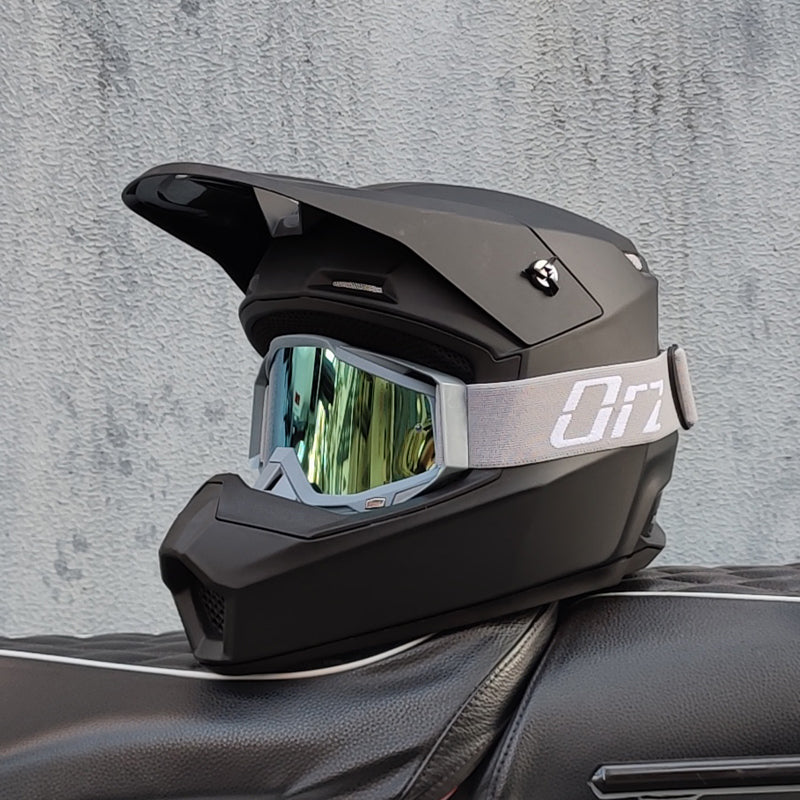
Motorcycle safety gear that protects where it matters most — See it in action
What Is Motorcycle Safety Gear and Why It Matters
Motorcycle safety gear is specialized equipment designed to protect riders from impact, abrasion, weather, and flying debris. Unlike everyday clothing, helmets, jackets, gloves, pants, boots, and protective armor are engineered to absorb crash forces, resist tearing during a slide, and help keep vulnerable body areas protected.
Choosing essential motorcycle gear for safety should be viewed as an investment rather than an accessory purchase. Every piece contributes to a layered protection system that helps reduce injury severity while improving comfort, visibility, and rider confidence.
Core purposes of motorcycle safety gear
- Absorb and disperse impact energy during collisions.
- Reduce road rash with abrasion-resistant materials.
- Protect major joints, the spine, and vital organs using integrated armor.
- Improve visibility, comfort, and control in changing riding conditions.
What gear is legally required vs. strongly recommended
Motorcycle equipment laws vary by country, state, and region. In many areas, a certified helmet is legally required, while jackets, gloves, riding pants, boots, and body armor remain optional under the law. However, safety experts strongly recommend wearing a complete set of protective gear on every ride because crashes can happen at any speed and on even the shortest journeys.
Understanding the Real Risk of Riding a Motorcycle
Motorcyclists face greater exposure than occupants of passenger vehicles because there is no surrounding frame, seat belt, or airbag to absorb crash forces. Everyday hazards such as distracted drivers, changing weather, loose gravel, potholes, and unexpected road debris can quickly turn a routine ride into an emergency.
Motorcycle safety gear helps reduce these risks by protecting the body while also improving comfort and concentration. Gear that minimizes wind fatigue, manages changing temperatures, and enhances visibility allows riders to stay more alert, react more quickly, and maintain better control throughout the ride.
How Motorcycle Safety Gear Protects You in a Crash
Impact protection vs abrasion protection
Every crash places different forces on the rider, which is why modern motorcycle protective gear is engineered to address both impact injuries and abrasion injuries. Together, these two forms of protection create the foundation of the best motorcycle protective equipment.
Impact injuries occur when the body strikes the pavement, another vehicle, or roadside objects. Certified armor inserts, energy-absorbing helmet liners, and reinforced protective panels disperse crash forces before they reach vulnerable bones and joints, helping reduce the severity of fractures and blunt-force trauma.
Abrasion injuries happen when a rider slides across asphalt or gravel. Materials such as premium leather, abrasion-resistant textiles, and reinforced aramid or Kevlar® panels are designed to resist tearing, minimizing road rash while preserving the integrity of the protective garment.
Sliding vs impact injuries
Many real-world motorcycle crashes involve both an initial impact followed by a slide. Effective motorcycle safety gear is designed for this complete crash sequence, allowing durable outer materials to slide across the road surface while integrated armor continues protecting critical impact zones.
Coverage around the shoulders, elbows, hips, knees, and back helps maintain protection throughout the slide instead of allowing garments to shift away from vulnerable areas.
CE Level 1 vs Level 2 armor
Protective armor is commonly tested under CE certification standards. CE Level 1 armor provides dependable impact protection for everyday street riding, while CE Level 2 armor is engineered to transmit even less impact energy during higher-force collisions. Riders who regularly commute, tour, or ride at highway speeds often prefer CE Level 2 protection for its increased performance, although proper fit remains just as important as the armor rating itself.
Essential Motorcycle Safety Gear Every Rider Should Wear
A complete motorcycle protective gear setup works as a coordinated system rather than a collection of individual products. Each item protects specific parts of the body, and together they provide the essential motorcycle gear for safety on every ride.
Motorcycle helmets
A quality helmet remains the most important investment any rider can make. Full-face helmets provide the broadest coverage by protecting the skull, chin, and jaw while reducing exposure to debris, weather, and impacts. Choosing a certified helmet with the correct fit should always be the first priority.
Riding jackets
Motorcycle jackets combine abrasion-resistant materials with impact armor positioned at the shoulders, elbows, and back. Premium textile and leather jackets also improve comfort through ventilation, weather resistance, and adjustable fit systems that help keep armor correctly positioned.
Riding gloves
Hands instinctively reach toward the ground during a fall. Riding gloves protect palms, knuckles, and fingers while improving grip, reducing vibration, and maintaining control in changing weather conditions.
Riding pants
Dedicated motorcycle riding pants include reinforced construction and protective armor around the hips and knees. Compared with ordinary denim or casual clothing, purpose-built riding pants offer substantially greater resistance to tearing and abrasion during a slide.
Motorcycle boots
Motorcycle boots stabilize the feet and ankles while providing reinforced soles, toe protection, heel support, and ankle reinforcement. Proper riding boots also improve footing when stopping, maneuvering, or riding on uneven surfaces.
Body armor and impact protectors
Back protectors, chest protectors, shoulder armor, knee protectors, and airbag vests provide additional protection for riders seeking greater crash performance. These upgrades are particularly valuable for touring, spirited road riding, track days, and adventure riding.
High-visibility and weather gear
Bright colors, reflective panels, waterproof layers, and removable thermal liners improve visibility and comfort throughout changing riding conditions. Staying dry, visible, and comfortable helps reduce fatigue while allowing riders to maintain better concentration over longer distances.
For riders who value everyday comfort and lifestyle integration, curated gear inspiration can be found in the Lifestyle collection.
Motorcycle Helmet Safety Features That Matter Most
Helmet safety certifications (DOT, ECE 22.06, Snell)
Helmet certifications verify that a helmet has been tested against recognized impact-performance standards. DOT certification is required for road-legal helmets in the United States, ECE 22.06 represents one of the newest internationally recognized testing standards, and Snell certification adds rigorous voluntary testing with demanding performance criteria. Selecting a certified helmet is more important than choosing one based solely on appearance.
Impact-absorbing helmet construction
Modern helmets use multiple protective layers that work together during a crash. A durable outer shell distributes impact forces over a larger area, while an EPS foam liner compresses to absorb energy before it reaches the rider's head. Comfort padding secures the fit without replacing the protective function of the impact liner.
Chin bar and face protection
Full-face helmets extend protection across the jaw and lower face through an integrated chin bar. Because facial impacts are common during motorcycle crashes, this additional coverage offers an important safety advantage over more open helmet styles.
Ventilation, visibility, and retention systems
Effective airflow channels help reduce heat buildup and visor fogging, while quality face shields improve visibility in varying weather conditions. Secure retention systems, including double D-ring and advanced ratchet designs, help keep the helmet correctly positioned throughout normal riding and during an impact.
To explore full protection designs, see a reliable option like this full-face motorcycle helmet.
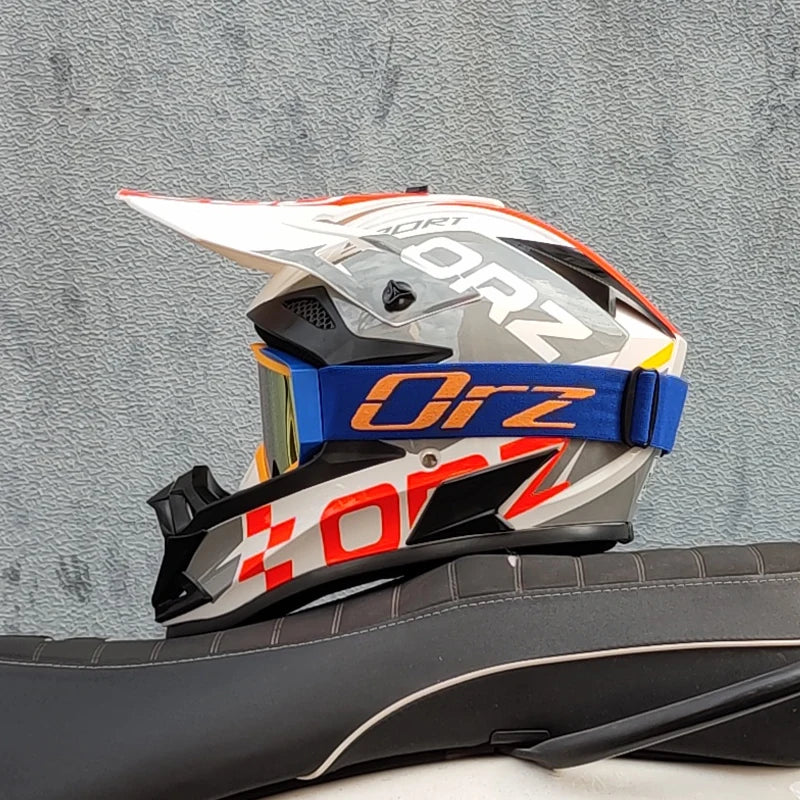
Impact resistant helmet design that absorbs real-world force — See it in action
How to Choose an Impact Resistant Helmet That Fits Your Ride
An impact resistant motorcycle helmet is only effective when it combines certified construction with the correct fit. Even the safest helmet can provide reduced protection if it is too loose, too tight, or mismatched to your head shape. Choosing the right helmet means balancing safety, comfort, and the type of riding you do most often.
Helmet sizing guide
- Measure your head circumference with a flexible tape just above your eyebrows and ears.
- Compare your measurement with the manufacturer's sizing chart rather than relying on your usual clothing size.
- Select a helmet that matches both your head circumference and head shape, whether round, intermediate oval, or long oval.
- Check that the helmet feels snug with even pressure, without painful hot spots.
- Fasten the chin strap and gently move the helmet to confirm it stays securely in place without excessive movement.
Helmet types by riding style
The best helmet depends on how and where you ride. Full-face helmets provide the highest level of overall protection for commuting, touring, and everyday road use. Modular helmets offer added convenience for touring riders, while off-road and dual-sport helmets are designed for adventure riding and increased ventilation. Whatever the style, always prioritize certified protection and proper fit over appearance alone.
Confidence starts before the engine turns on.
How to Choose Motorcycle Safety Gear That Fits Properly
Signs your gear fits correctly
Learning how to choose motorcycle safety gear begins with proper sizing. Protective equipment should fit close to the body while allowing unrestricted movement on and off the motorcycle. Armor should remain centered over the shoulders, elbows, hips, knees, and back whether you are standing, sitting, or leaning into a riding position.
- Armor stays aligned during normal riding movements.
- Jackets and pants remain in position without riding up or twisting.
- Gloves provide full dexterity while maintaining secure wrist closure.
- Boots support the ankles without limiting gear shifting or braking.
- Closures, straps, and adjustment systems remain secure throughout the ride.
Why loose gear fails during crashes
Protective equipment is designed to absorb energy where impacts are most likely to occur. If jackets, pants, gloves, or boots shift during a crash, armor may no longer cover the intended protection zones, reducing its effectiveness. Proper sizing helps keep every protective component in the correct position throughout an impact and subsequent slide.
Fit checklist for jackets, gloves, pants and boots
- Jacket sleeves reach the wrists while riding and back armor covers the spine.
- Gloves overlap jacket cuffs and allow comfortable operation of all controls.
- Pants position hip and knee armor correctly when seated on the motorcycle.
- Boots fully support the ankles with secure closures and slip-resistant soles.
When comparing gear, prioritize protection, mobility, and long-term comfort equally. Adjustable straps, stretch panels, and accurate sizing help ensure your motorcycle safety gear performs as intended if you ever need it.
Motorcycle Safety Gear Checklist for New Riders
Essential gear for every ride
- Certified motorcycle helmet.
- Armored motorcycle jacket.
- Protective riding gloves.
- Abrasion-resistant riding pants with impact armor.
- Motorcycle-specific riding boots.
Optional gear for advanced protection
- Back protector or chest protector.
- Airbag riding vest.
- Moisture-wicking or thermal base layers.
- High-visibility or reflective riding gear.
- Waterproof outer layers for adverse weather.
Budget, mid-range and premium buying priorities
New riders do not need to purchase the most expensive equipment immediately, but they should avoid compromising on certification or fit. A practical upgrade path is to invest first in a quality helmet, jacket, gloves, pants, and boots, then add advanced protection such as CE Level 2 armor, airbag technology, or specialized seasonal gear as riding experience and budget grow.
This motorcycle gear checklist provides a reliable starting point for riders asking what gear do you need for motorcycle riding while helping prioritize purchases that deliver the greatest safety benefits.
Common Motorcycle Safety Gear Mistakes Riders Regret
Many motorcycle injuries are made worse by gear that fits poorly, lacks proper certification, or is chosen for appearance instead of protection. Avoiding these common mistakes helps ensure your motorcycle safety gear performs as intended when it matters most.
Buying for style over protection
Modern riding gear comes in a wide range of styles, but appearance should never outweigh safety. Look for abrasion-resistant materials, impact-rated armor, and quality construction before considering color or design. A comfortable jacket that lacks protective features offers far less protection than purpose-built riding apparel.
Ignoring certifications
Always verify that helmets and protective armor meet recognized safety standards. Certified equipment has been tested for impact performance, retention, and durability, giving riders greater confidence that the gear will perform during a crash. Labels and certification markings should be clearly visible rather than assumed.
Choosing the wrong fit
Even premium gear loses effectiveness if it shifts during an impact. Helmets should fit snugly without painful pressure points, while jackets, pants, gloves, and boots should keep protective armor correctly positioned throughout normal riding movements.
Routine inspection is equally important. Replace worn straps, damaged armor, or gear that has experienced a significant crash, even if exterior damage appears minor.
| ❌ Common Mistake | ✅ Better Choice |
|---|---|
| Choosing gear based only on appearance | Prioritize certified protection and proper fit |
| Buying an oversized helmet | Select a snug fit matched to your head shape |
| Ignoring ventilation and climate | Choose gear suited to your riding conditions |
| Mixing casual clothing with protective gear | Wear a complete protective riding system |
| Never inspecting aging equipment | Replace damaged or crash-involved gear promptly |
Motorcycle Riding Safety Tips That Work With Protective Gear
ATGATT: All The Gear All The Time
Experienced riders often follow the ATGATT principle—All The Gear All The Time. Whether you're riding across town or embarking on a full-day tour, wearing complete protective equipment every ride reduces unnecessary risk and encourages consistent safety habits.
Visibility and defensive riding
Motorcycle safety gear is most effective when paired with defensive riding techniques. Wear high-visibility or reflective clothing whenever practical, maintain safe following distances, anticipate other drivers' mistakes, and position yourself where you are easiest to see. Safe riding habits help avoid crashes, while protective gear helps reduce injuries if one occurs.
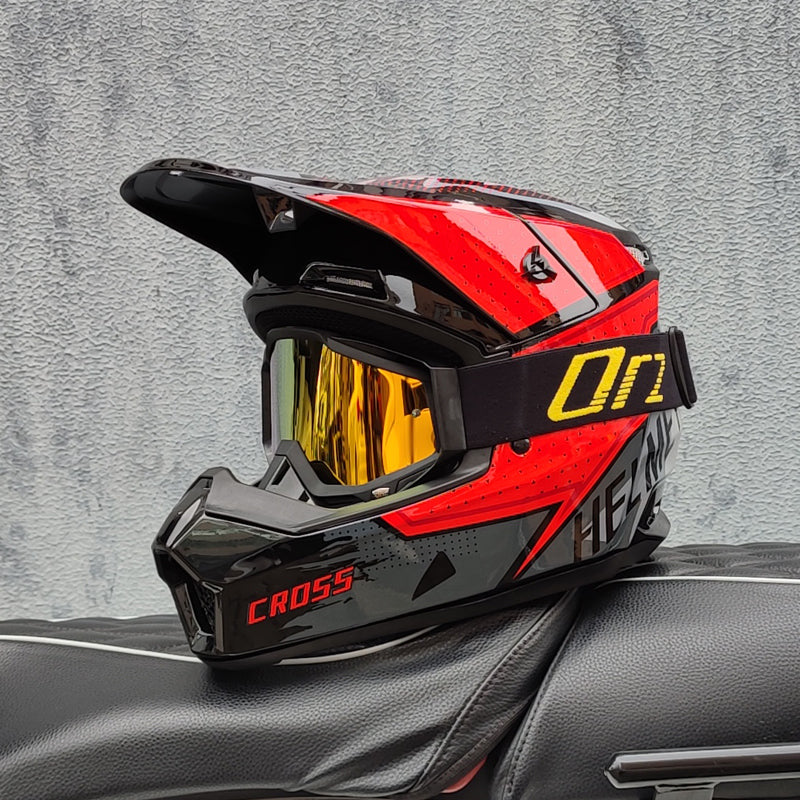
Protection that supports every mile you ride. See it in action.
Smart gear makes every ride safer.
Frequently Asked Questions
Is motorcycle safety gear really necessary for short rides?
Yes. Many motorcycle crashes happen on familiar roads and relatively short trips. Wearing complete motorcycle safety gear on every ride helps protect against unexpected hazards regardless of speed or distance.
How often should I replace my helmet?
Most manufacturers recommend replacing a motorcycle helmet approximately every five years under normal use, or immediately after any crash or significant impact. Even if the shell appears undamaged, the impact-absorbing liner may no longer provide adequate protection.
Does expensive gear always mean better protection?
No. Price alone does not determine safety. A properly fitted helmet or riding suit with recognized safety certifications and quality construction often provides better protection than a more expensive product chosen only for its appearance or brand.
Can motorcycle safety gear improve riding confidence?
Yes. Properly fitted protective gear improves comfort, reduces wind fatigue, and allows riders to focus more on traffic, road conditions, and defensive riding rather than worrying about inadequate protection.
What certifications should I look for?
Choose helmets that meet recognized standards such as DOT, ECE 22.06, or Snell where appropriate. For jackets, pants, gloves, and armor, look for CE-certified impact protectors and abrasion-resistant construction that matches your riding style.
Can one set of gear be used year-round?
In many climates, yes—if you choose versatile equipment with removable thermal liners, adjustable ventilation, and waterproof outer layers. Riders in areas with extreme weather may benefit from maintaining separate warm-weather and cold-weather gear.
How much should beginners spend on gear?
New riders should prioritize purchasing a certified helmet, protective jacket, gloves, pants, and boots before investing in motorcycle accessories. Building a complete, properly fitted protective system is usually a better investment than purchasing premium individual items while leaving other areas unprotected.













