

Are kerosene heaters effective for heating and cooking?
Kerosene heaters are effective for heating small to medium spaces and can provide a backup cooking option during emergencies or off-grid situations. They offer reliable heat without electricity, but they require careful ventilation, correct fuel handling, and safe operation. For UK households comparing portable heating options, understanding the advantages and disadvantages of gas and kerosene heaters helps determine which solution fits their needs.
⏱ 12 min read
Advantages and Disadvantages of Gas and Kerosene Heaters in the UK: Efficiency, Safety, Costs, and Real-World Use Guide
Cold winters, rising energy costs, power outages, garages, workshops, and off-grid locations often make portable heating a practical consideration. This guide compares gas and kerosene heaters, explaining how they work, their efficiency, running costs, safety requirements, and the situations where each heating option performs best.
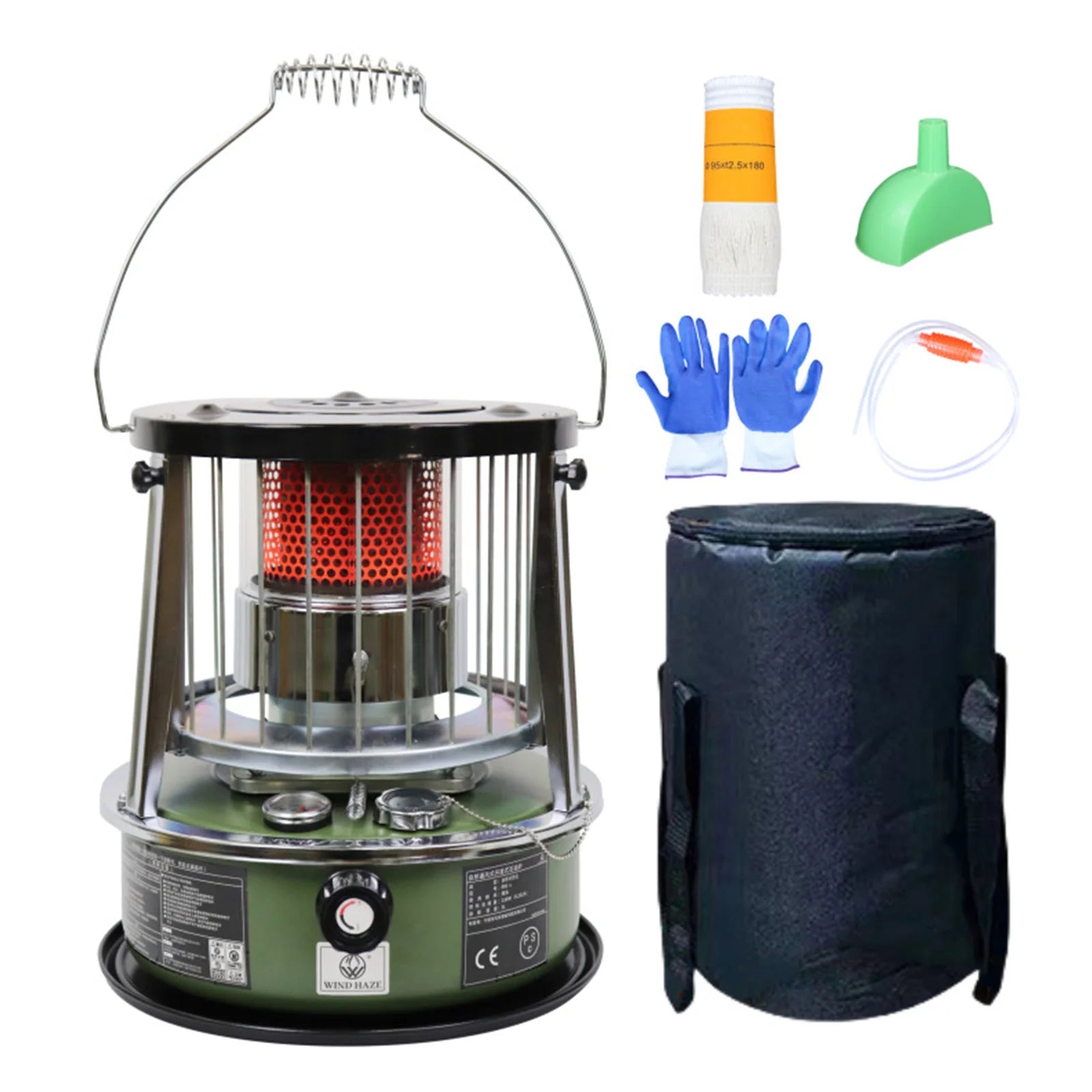
Multi purpose kerosene heater used as indoor emergency heat See it in action
Advantages and Disadvantages of Gas and Kerosene Heaters in the UK
Direct answer
The main advantage of kerosene heaters is their ability to provide powerful heat without electricity, making them useful for emergencies, workshops, caravans, and off-grid spaces. Gas heaters often provide fast heat and convenient fuel availability, but they require gas cylinders and additional storage considerations.
Quick comparison table
| Feature | Kerosene Heater | Gas Heater |
|---|---|---|
| Power source | Kerosene fuel | Propane or LPG cylinders |
| Best advantage | Strong heat output without electricity | Fast heat and easy portability |
| Emergency use | Excellent for power outages | Useful when gas supply is available |
| Main drawback | Fuel handling and ventilation requirements | Cylinder storage and gas safety concerns |
Which heater suits which situation
- Kerosene heaters: Best for emergency heating, rural properties, garages, workshops, and off-grid living.
- Gas heaters: Better for quick temporary heating where gas cylinders are easy to access.
- Electric heaters: Better for everyday indoor heating where reliable electricity is available.
How Gas and Kerosene Heaters Work
Kerosene heating stove
A kerosene heating stove burns liquid kerosene through a wick or combustion system. The fuel is drawn upward, vaporised, and burned to create radiant or convective heat. Many portable models are designed as an emergency indoor heater for situations where electricity is unavailable.
Gas heater operation
Gas heaters burn LPG or propane supplied from a cylinder. The fuel mixes with air inside the burner and produces heat through controlled combustion. Gas heaters typically provide rapid warmth but depend on stored fuel supply.
Heat output and combustion
Both systems rely on combustion to generate heat. Kerosene models commonly deliver strong radiant warmth, while gas heaters often provide faster air heating. Clean fuel, correct maintenance, and proper ventilation are essential for efficient operation.
Heating Performance, Efficiency and Fuel Consumption
Kerosene heater efficiency
Kerosene heater efficiency depends on heater design, fuel quality, wick condition, insulation, and room size. A well-maintained unit converts a large percentage of fuel energy into usable heat, making it practical for targeted heating.
Typical fuel consumption
Kerosene heater fuel consumption varies by heat output. Many portable models use approximately 0.1 to 0.3 gallons per hour depending on the setting.
For reference, a heater producing around 3 kW of heat may consume approximately 0.3 to 0.35 litres of kerosene per hour, while a 2.5 kW model may use slightly less depending on efficiency and operating conditions.
Running duration and cost factors
- Fuel tank size
- Heat setting selected
- Room insulation
- Outdoor temperature
- Fuel quality and maintenance
Understanding kerosene heater fuel consumption helps estimate how long one tank will last and whether the heater is suitable for regular or emergency use.
Advantages of Gas and Kerosene Heaters
Benefits of kerosene heaters
- Works during electricity outages
- High heat output for portable heating
- Suitable for garages, workshops, and emergency situations
- Simple fuel storage compared with some alternatives
- Can provide heating and limited cooking capability
Benefits of gas heaters
- Fast heat production
- Portable and easy to move
- Useful for temporary heating spaces
- Widely available fuel options
Best use cases
Both options are valuable when conventional heating is unavailable. Kerosene is often preferred for long-lasting emergency heat, while gas is commonly selected for quick warmth and portability.
Disadvantages and Limitations
Ventilation needs
Combustion heaters require adequate airflow. Poor ventilation can increase indoor air quality concerns and carbon monoxide risk.
Fuel storage
Kerosene requires safe fuel storage containers, while gas heaters require careful handling of cylinders and connections.
Maintenance and emissions
- Wicks and burners need periodic cleaning
- Incorrect operation can create unpleasant odours
- Combustion produces gases that require proper ventilation
Safety Guidelines for UK Users
Carbon monoxide risks
Kerosene and gas heaters can produce carbon monoxide if combustion is incomplete or ventilation is inadequate. Carbon monoxide is colourless and odourless, so a carbon monoxide detector is an important safety measure.
Ventilation requirements
- Keep airflow available when using combustion heaters indoors
- Never block ventilation openings
- Follow manufacturer instructions carefully
Indoor and outdoor suitability
- Indoor: Only use models designed for indoor operation with proper safety precautions.
- Outdoor: Suitable for open areas, but heat retention is lower.
UK safety recommendations
- Use approved fuel only
- Keep heaters away from flammable materials
- Never leave a running heater unattended
- Store fuel safely away from heat sources
Can You Cook on a Kerosene Heater?
Suitable heater types
Some multi-purpose kerosene heaters are designed to provide both warmth and basic cooking capability. They can act as a kerosene cook stove during emergencies.
Kerosene cook stove
A kerosene cook stove can boil water, warm food, and prepare simple meals. However, it does not offer the temperature precision of a standard kitchen appliance.
Safety precautions
- Use only models designed for cooking
- Maintain proper ventilation
- Avoid unattended cooking
- Keep combustible materials away
Running Cost Comparison: Gas vs Kerosene vs Electric
Fuel price considerations
Running costs depend on local fuel prices, heater efficiency, and usage patterns. Electricity may be convenient but becomes less practical during outages, while kerosene and gas provide independent heat sources.
Cost per hour
Kerosene heater fuel consumption and gas consumption vary by output level. Lower heat settings reduce fuel use, while larger rooms require more energy.
Long-term ownership
When choosing a heater, consider purchase price, maintenance, fuel storage, expected lifespan, and how often the heater will be used.
Best Uses: Home, Garage, Workshop, Caravan and Emergencies
When kerosene is the better choice
- Emergency indoor heater situations
- Power outage preparation
- Workshops and garages
- Off-grid cabins
When gas is preferable
- Short-term heating needs
- Portable outdoor activities
- Situations where gas cylinders are convenient
When neither is recommended
Combustion heaters may not be suitable for poorly ventilated rooms, unattended overnight heating, or homes without safe fuel storage options.
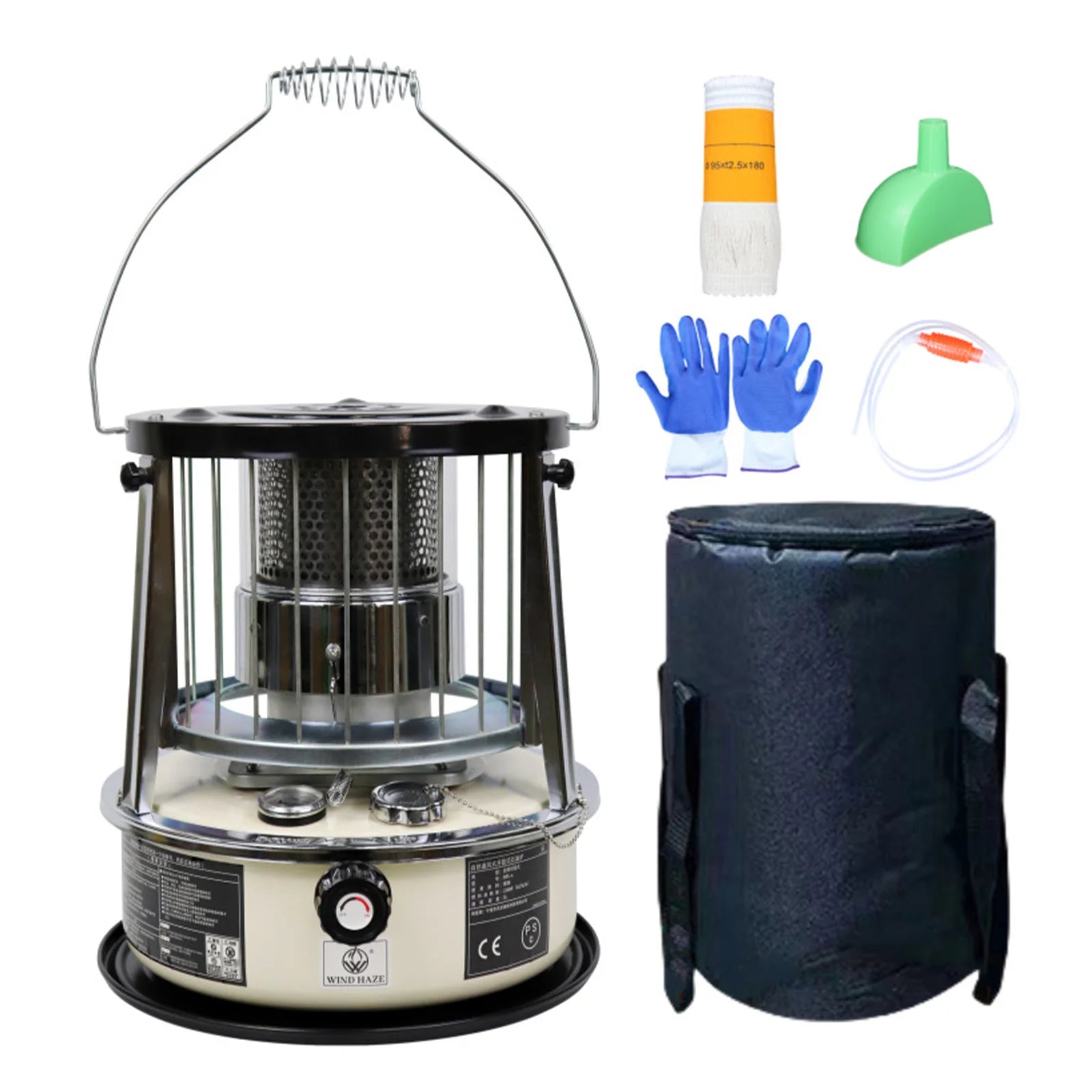
Emergency indoor heater ready for winter outages See it in action
Kerosene Heater Reviews and Real-World Feedback
Common praise
Users often appreciate kerosene heaters for dependable heat output during winter emergencies and locations where electricity is unreliable.
Common complaints
- Fuel odour during startup or shutdown
- Need for regular cleaning
- Ventilation requirements
Long-term reliability
With proper maintenance, quality fuel, and correct operation, kerosene heaters can provide years of reliable emergency heating.
Alternatives to Gas and Kerosene Heaters
Electric heaters
Electric heaters are convenient and clean for indoor use but depend completely on electricity availability.
Heat pumps
Heat pumps are highly efficient for permanent home heating but require installation and reliable power.
Wood-burning options
Wood heating can provide strong heat but requires storage space, maintenance, and suitable ventilation systems.
Buying Checklist
Choose the right heat output
Select a heater size based on room dimensions, insulation, and intended use.
Safety features
- Automatic shut-off functions
- Stable design
- Clear manufacturer safety guidance
Fuel availability
Consider whether kerosene or gas is easily available in your area before purchasing.
Maintenance considerations
Check replacement parts, cleaning requirements, and long-term operating costs.
Mini FAQ
Are kerosene heaters safe indoors in the UK?
Yes, when using an approved model with proper ventilation, correct fuel, and carbon monoxide protection.
Are gas heaters cheaper to run than electric heaters?
Running costs depend on energy prices and heater efficiency, but gas can be competitive where electricity costs are high.
How much fuel does a 3 kW kerosene heater use per hour?
A typical 3 kW kerosene heater may use around 0.3 to 0.35 litres of fuel per hour depending on efficiency and settings.
Can you cook on a kerosene heater safely?
Only on models designed for cooking. Always follow safety instructions and maintain ventilation.
What is the difference between a kerosene heater and a gas heater?
Kerosene heaters use liquid fuel and are excellent for off-grid emergency heating, while gas heaters use cylinders and often provide faster heat.
Which heater is best for a garage or workshop?
A kerosene heater is often suitable for workshops because it provides strong portable heat without requiring electricity.
Do kerosene heaters produce carbon monoxide?
Yes, any fuel-burning appliance can produce carbon monoxide if combustion is incomplete or ventilation is inadequate.
What is the most efficient portable heater for emergency use?
The most efficient option depends on fuel availability, room size, and safety requirements. Kerosene heaters are popular for emergency situations because they operate without electricity.













