

Does a multi purpose wax heater really work for both hair removal and DIY projects?
Yes. A multi purpose wax heater uses controlled electric heating to melt and maintain wax at a stable working temperature for both beauty and craft applications. With adjustable temperature settings and even heat distribution, it helps reduce overheating, improves wax consistency, and delivers more reliable results whether you're removing hair, making candles, or melting sealing wax.
What is a multi purpose wax heater and how does it work?
A multi purpose wax heater is an electric device designed to melt and maintain different wax types at a controlled temperature. Unlike microwaves or stovetop methods that can create hot spots, an electric wax melting pot gradually heats wax and keeps it at a consistent working consistency. This helps improve comfort during hair removal while also producing smoother pours for candles, wax seals, and other DIY crafts.
Core Components of an Electric Wax Melting Pot
- Heating element that delivers consistent, even heat
- Removable inner pot for easier pouring and cleaning
- Adjustable temperature dial or digital control
- Heat-resistant housing and insulated exterior
- Stable non-slip base to reduce accidental spills
Compatible Wax Types
- Hard wax: Best for facial areas, underarms, bikini line, and coarse hair.
- Soft wax: Applied with strips for larger body areas like legs and arms.
- Paraffin wax: Common for spa treatments and moisturizing hand or foot therapy.
- Soy, beeswax, and craft wax: Suitable for candle making, sealing wax, and creative projects.
Multi Purpose Wax Heater: Best Models for Hair Removal & DIY Projects (2026 Guide)
⏱ 8 min read
A quality multi purpose wax heater makes it easier to achieve consistent results whether you're performing at-home hair removal or creating candles and other wax crafts. This guide explains how to choose compatible wax, use your heater safely, maintain the correct temperature, troubleshoot common problems, and keep your electric wax melting pot performing like new.
Choose the Right Wax for Your Heater
Hard Wax vs Soft Wax
Selecting the correct wax is just as important as choosing the heater itself.
| Wax Type | Best For | Temperature Sensitivity |
|---|---|---|
| Hard Wax | Sensitive areas and coarse hair | Requires medium heat and thicker consistency |
| Soft Wax | Large body areas | Needs smooth flowing consistency |
| Paraffin Wax | Spa treatments | Lower working temperature |
| Soy/Craft Wax | Candles and DIY projects | Depends on wax formulation |
Craft Wax Compatibility
A quality electric wax melting pot can handle candle wax, sealing wax, paraffin, soy wax, and many hobby formulations. Always confirm compatibility recommended by the wax manufacturer before mixing different wax types in the same pot.
When to Use a Multi Purpose Wax Heater
A multi purpose wax warmer is ideal if you want one appliance for multiple applications. Instead of purchasing separate melting equipment, one adjustable heater can support regular waxing sessions, candle making, wax sealing, and small craft projects while maintaining more consistent temperatures.
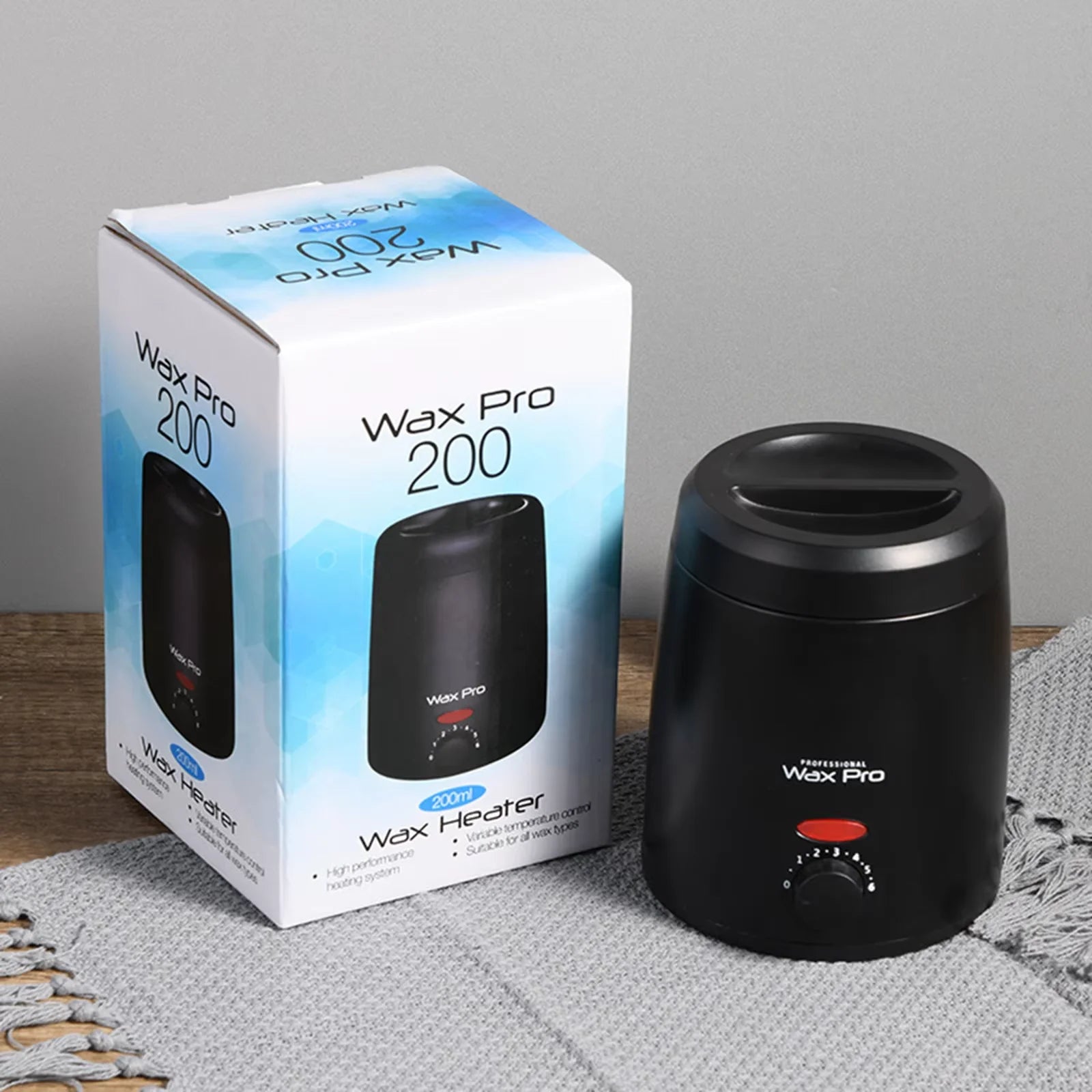
Using a wax melting pot electric setup for precise DIY pours See it in action
Ideal Temperature and Wax Consistency
Signs Wax Is Too Hot
- Very thin, watery appearance
- Produces excessive steam or smoke
- Feels uncomfortable during a skin patch test
- May increase the risk of burns
Signs Wax Is Too Thick or Too Thin
Proper consistency resembles warm honey. Wax that is too thick becomes difficult to spread and may not grip hair effectively. Wax that is too thin can drip, spread unevenly, and reduce removal performance.
How to Adjust Temperature
Increase heat gradually if wax remains solid after stirring. Reduce the setting if wax becomes overly runny. Give the melting wax pot several minutes to stabilize after every temperature adjustment before testing consistency again.
Before and After Waxing Care
Prepare Skin Before Waxing
- Wash and dry the skin thoroughly.
- Avoid heavy lotions or oils.
- Trim excessively long hair if needed.
- Perform a patch test if using a new wax.
Post-Wax Skincare
- Apply a soothing fragrance-free moisturizer or aloe vera.
- Avoid hot showers, saunas, and intense exercise for 24 hours.
- Wear loose clothing if waxing larger body areas.
- Avoid exfoliation immediately after treatment.
When to Avoid Waxing
Skip waxing over sunburned skin, open wounds, active infections, irritated rashes, or immediately after chemical peels or certain prescription skincare treatments.
Wax Heater Safety Tips (Must-Read Before Use)
Electrical Safety
- Place the heater on a stable, heat-resistant surface.
- Keep the power cord away from water and hot surfaces.
- Unplug the unit after every session.
Burn Prevention
- Always test wax on the inside of your wrist before application.
- Never apply freshly melted wax directly to skin.
- Allow the temperature to stabilize before use.
Cross-Contamination
- Never dip used applicators back into the wax.
- Use clean spatulas throughout each session.
- Replace contaminated wax instead of reheating repeatedly.
Safe Storage
- Allow the heater to cool completely before storing.
- Store in a dry location away from children and pets.
- Cover the pot to minimize dust buildup.
How to Use a Wax Heater: Step-by-Step Guide
Prepare Your Workspace and Supplies
Gather your wax, applicators, thermometer if desired, cleaning materials, and protective surface. Position the wax heater where it cannot be easily knocked over.
Melt Wax to the Correct Temperature
- Add wax beads or blocks into the melting pot.
- Turn on the wax heater for hair removal.
- Select a medium temperature setting.
- Allow 10–20 minutes for complete melting.
- Stir occasionally for even heating.
Test Wax Consistency Before Application
Check that the wax spreads smoothly without dripping excessively. Test a small amount on your wrist before applying to skin or pouring into molds.
Apply and Remove Wax Correctly
Apply wax in the direction of hair growth. Remove according to the wax manufacturer's instructions using either strip-free or strip methods. For DIY projects, pour slowly to minimize bubbles and uneven surfaces.
Clean the Heater After Use
Switch off the heater, allow remaining wax to soften slightly, then wipe the removable pot with paper towels before using an appropriate wax cleaner if necessary.
Get yours now — limited stock!
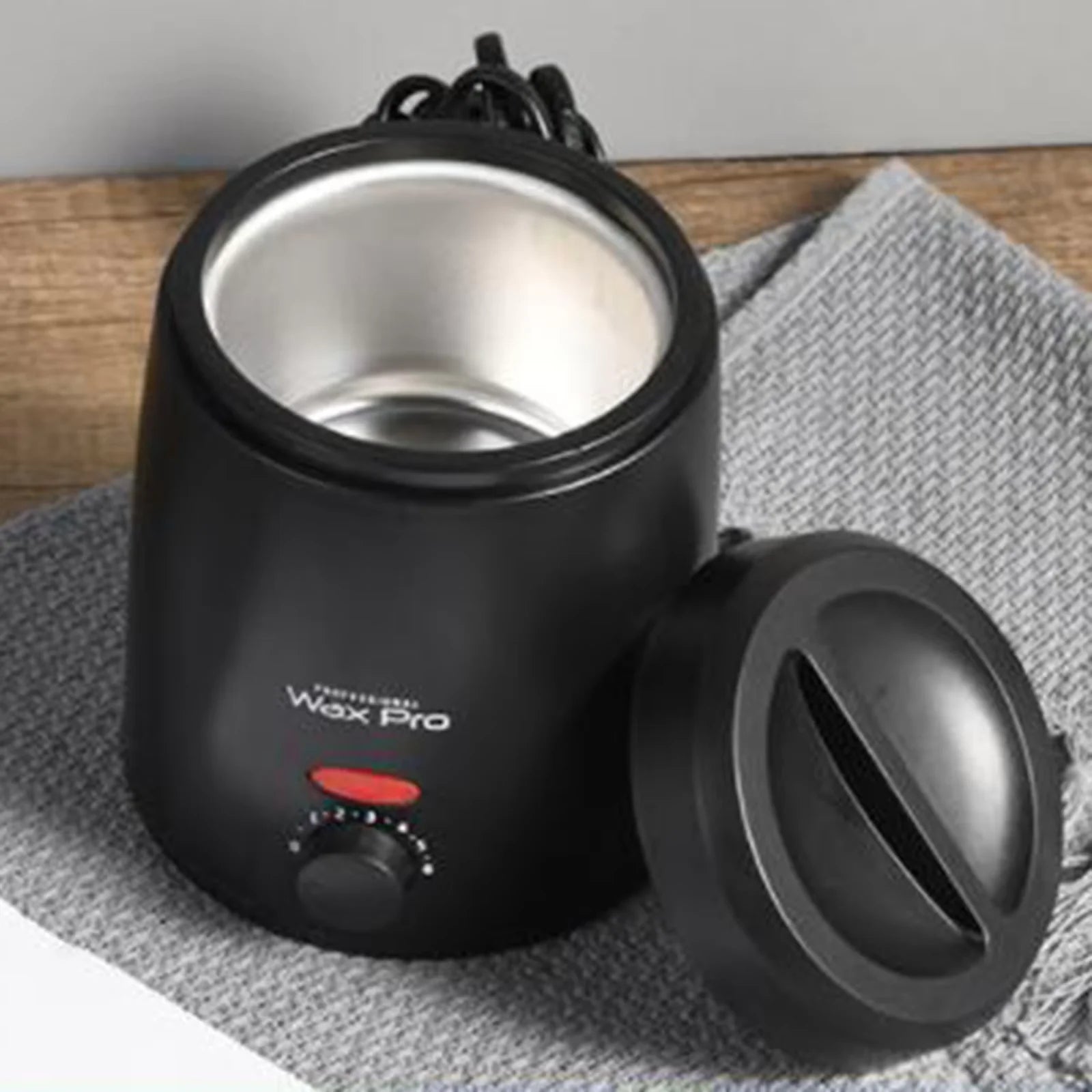
From hair removal to crafts, one melting wax pot does it all See it in action
Troubleshooting Common Wax Heater Problems
Wax Not Melting
Check the temperature setting, power connection, and whether the heater has reached operating temperature. Larger wax blocks may simply require additional melting time.
Wax Too Stringy
Stringy wax is often cooling too quickly or hasn't fully melted. Stir thoroughly and increase temperature slightly if needed.
Wax Not Gripping Hair
Hair may be too short, skin may contain oil, or the wax consistency may be incorrect. Clean the skin and adjust the temperature until the wax spreads evenly.
Overheated Wax
Turn the temperature down immediately and allow the wax to cool before testing again. Never add cool water to hot wax.
Cleaning and Maintaining Your Wax Heater
Remove Leftover Wax
Allow remaining wax to soften slightly while the heater is still warm—not hot—then remove it using paper towels or a silicone spatula.
Clean the Pot Safely
Most removable pots can be cleaned with wax remover or mineral oil followed by warm soapy water once fully cooled. Avoid abrasive tools that could damage the interior coating.
Routine Maintenance
- Inspect the cord regularly.
- Keep the heating plate free from residue.
- Store with the lid on whenever possible.
- Deep clean after every few uses.
Comparing Wax Heating Methods
Electric Heater vs Microwave
| Method | Advantages | Limitations |
|---|---|---|
| Electric Wax Heater | Consistent temperature, reusable, safer control | Requires countertop space |
| Microwave | Fast heating | Uneven heating and overheating risk |
| Double Boiler | Gentle heating | Slower and less convenient |
Electric Heater vs Double Boiler
An electric wax melting pot maintains a stable working temperature without constant supervision, whereas a double boiler requires frequent monitoring and reheating.
Which Method Is Best for DIY Projects?
For candle making, wax sealing, and repeated craft sessions, a wax melting pot for crafts offers the most consistent results because it keeps wax at the desired pouring temperature throughout your project.
Frequently Asked Questions
How long does a wax heater take to melt wax?
Most waxes melt within 10 to 20 minutes depending on the quantity, wax formulation, and selected temperature.
What temperature should wax be before application?
Wax should be warm enough to spread smoothly without becoming watery. Always perform a skin patch test before full application.
Can I use the same wax heater for hair removal and crafts?
Yes, but clean the removable pot thoroughly between uses to avoid contamination, especially when switching between cosmetic and craft waxes.
Why is my wax too thick or stringy?
The wax may not be fully melted or may have cooled below its working temperature. Stir well and adjust the heater gradually.
How do I clean hardened wax from a wax heater?
Warm the pot slightly to soften the wax, remove as much as possible with paper towels, then clean with an appropriate wax remover.
Can beginners safely use an electric wax heater?
Yes. Modern heaters with adjustable temperature controls are beginner-friendly when used according to the manufacturer's instructions.
What wax works best in a multi purpose wax heater?
Hard wax and soft wax are excellent for hair removal, while paraffin, soy, beeswax, and other craft waxes work well for creative projects if the heater supports them.
How often should I clean my wax heater?
Wipe away residue after every session and perform a deeper cleaning regularly to improve hygiene, extend heater lifespan, and maintain consistent performance.
Final thought: A multi purpose wax heater is a practical tool for anyone who wants reliable temperature control for both beauty treatments and DIY wax projects. With the right wax selection, safe operating practices, and routine maintenance, a quality heater can deliver cleaner, more consistent results for years.













