

What Is a Muscle Relaxer Home Remedy?
A muscle relaxer home remedy is a natural, non-prescription approach that helps reduce muscle tension, stiffness, or spasms by improving circulation, restoring flexibility, and encouraging the muscles to relax. Rather than masking discomfort, these strategies aim to address common triggers such as prolonged sitting, physical overuse, dehydration, poor posture, stress, or mild nutrient deficiencies.
A natural muscle relaxer home remedy may include gentle stretching, heat therapy, massage, adequate hydration, magnesium-rich foods, breathing exercises, and other healthy lifestyle habits. These techniques are generally safe for mild muscle tightness and can be combined to provide both immediate comfort and long-term relief.
What Muscle Tension Is
Muscle tension occurs when muscle fibers remain partially contracted instead of fully relaxing. This can happen after exercise, repetitive movements, emotional stress, or long periods of sitting. Although the terms are often used interchangeably, they describe different conditions:
- Muscle soreness: Aching or tenderness that commonly develops after physical activity.
- Muscle stiffness: Reduced flexibility or difficulty moving a joint through its normal range of motion.
- Muscle spasms or cramps: Sudden, involuntary muscle contractions that may be painful and short-lived.
Understanding the difference helps you choose the most appropriate home remedy and avoid treatments that may not match the underlying problem.
Common Symptoms
People experiencing muscle tightness may notice one or more of the following symptoms:
- Persistent tight or "knotted" muscles
- Reduced flexibility or limited range of motion
- Aching after sitting or standing for long periods
- Mild muscle spasms or cramping
- Tenderness when pressing on affected muscles
- Neck, shoulder, or back discomfort that improves with movement
If pain is severe, follows a significant injury, or is accompanied by weakness, numbness, swelling, fever, or loss of bladder or bowel control, seek prompt medical evaluation rather than relying solely on home treatment.
Who Can Benefit from Home Remedies
Home remedies work best for mild to moderate muscle tension caused by everyday activities. You may benefit if your symptoms are related to:
- Desk work and prolonged sitting
- Exercise-related muscle fatigue
- Stress-induced neck and shoulder tension
- Poor sleeping positions
- Minor overuse from work or household activities
While many people experience noticeable improvement within minutes from heat or gentle movement, lasting results usually require consistent daily habits that improve muscle health over time.
Muscle Relaxer Home Remedy Guide: Simple Steps to Loosen Tension Fast
A muscle relaxer home remedy doesn't have to be complicated. Simple habits such as applying heat, staying hydrated, stretching regularly, and practicing stress management can help loosen tight muscles naturally. This guide explains why muscles become tense, which remedies work best for different situations, and how to build a practical routine for lasting relief.
⏱ 7 min read
Start with the essentials: heat, gentle stretching, hydration, and smart recovery habits.
Learn which natural muscle relaxation methods are most effective for everyday muscle tension.
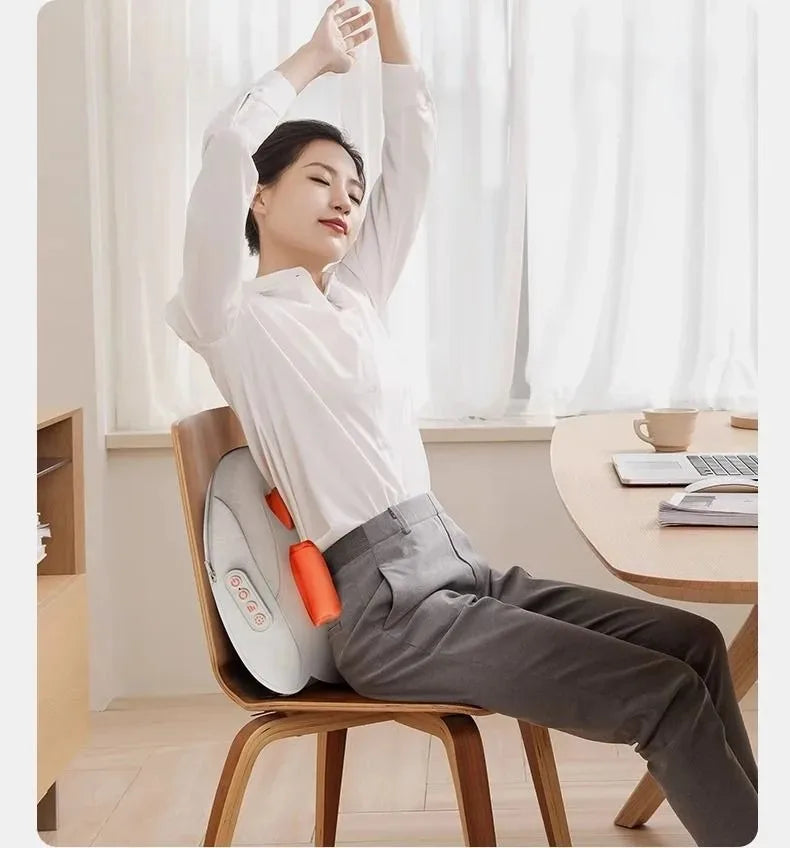
muscle relaxer home remedy – See it in action
What Causes Tight Muscles?
Common Causes of Muscle Tightness
Muscle tightness develops when muscle fibers remain contracted for longer than they should. Common causes include overuse during exercise, prolonged sitting, repetitive movements, inadequate recovery, dehydration, and insufficient flexibility. Identifying the root cause makes it easier to choose the most effective home remedy for muscle tension and prevent symptoms from returning.
Stress, Posture, and Overuse
Physical and emotional stress both contribute to muscle tension. During stressful situations, the body naturally contracts muscles as part of its protective response. Poor posture, poorly adjusted workstations, carrying heavy bags, or repeating the same movements for hours can keep muscles under constant strain, especially in the neck, shoulders, and lower back.
Dehydration and Nutrient Deficiencies
Muscles rely on adequate fluids and electrolytes to contract and relax properly. Dehydration, along with low levels of magnesium, potassium, or calcium, may increase the likelihood of stiffness or occasional muscle cramps. Drinking enough water and eating a balanced diet rich in leafy greens, nuts, seeds, beans, dairy products, and fruit supports healthy muscle function.
When Tight Muscles Signal a Medical Condition
Most cases of muscle tightness improve with home care, but persistent or worsening symptoms should not be ignored. Seek medical advice if muscle stiffness lasts several weeks without improvement, repeatedly interferes with daily activities, follows a traumatic injury, or occurs with severe pain, numbness, weakness, swelling, fever, or unexplained weight loss. These symptoms may indicate an underlying condition that requires professional evaluation rather than self-treatment alone.
Best Natural Muscle Relaxer Home Remedies
Featured Snippet: What Is the Best Natural Muscle Relaxer?
The best natural muscle relaxer home remedy depends on what is causing your symptoms. Heat therapy and gentle massage are ideal for chronic muscle tightness, while light stretching improves flexibility and mobility. Hydration, electrolyte balance, anti-inflammatory foods, and stress-reduction techniques support long-term muscle health. Combining several remedies usually provides better results than relying on a single method.
1. Heat Therapy
Heat increases blood flow, relaxes tight muscle fibers, and improves tissue flexibility, making it one of the most effective remedies for chronic stiffness in the neck, shoulders, back, and hips.
Use heat when your muscles feel tight, sore from overuse, or stiff after sitting for long periods. Avoid applying heat immediately after an acute injury with significant swelling.
- Apply a warm compress or heating pad for 15–20 minutes.
- Take a warm shower or bath to relax multiple muscle groups.
- Add Epsom salts to a bath if you find they help you unwind, although the warmth itself is the primary source of relief.
2. Cold Therapy
Cold therapy is most beneficial during the first 24 to 48 hours after a strain, sprain, or other minor soft-tissue injury. It helps reduce swelling, temporarily numbs pain, and limits inflammation.
- Wrap an ice pack in a towel before applying it.
- Use for 10–15 minutes at a time.
- Allow the skin to return to normal temperature before repeating.
If your discomfort has progressed from swelling to stiffness, switching from cold to heat is often more effective.
3. Gentle Stretching and Mobility Exercises
Stretching restores normal muscle length, improves circulation, and reduces joint stiffness. Move slowly and avoid bouncing, which may increase muscle irritation.
- Hold each stretch for 20–30 seconds.
- Repeat 2–4 times without forcing the movement.
- Breathe steadily throughout each stretch.
- Perform stretching daily for lasting improvements in flexibility.
Helpful stretches include:
- Neck side stretch
- Chest-opening stretch
- Shoulder rolls
- Upper-back wall stretch
- Gentle spinal rotation for the lower back
4. Massage and Self-Massage
Massage helps release muscle knots, improves circulation, and encourages muscles to relax. It is especially useful for tension caused by prolonged sitting, repetitive work, or stress.
Use your hands, a massage ball, or a foam roller to apply gentle pressure to tender areas for 30–60 seconds. Avoid pressing directly on joints or areas with bruising, swelling, or recent injuries.
Explore helpful options in Body Care and Health Devices .
5. Hydration and Electrolyte Support
Even mild dehydration can contribute to muscle fatigue and occasional cramping. Drinking enough water throughout the day helps muscles contract and relax efficiently.
Support hydration by including foods rich in:
- Magnesium from leafy greens, nuts, seeds, and legumes
- Potassium from bananas, potatoes, avocados, and beans
- Calcium from dairy products or calcium-fortified alternatives
After prolonged exercise or heavy sweating, replacing both fluids and electrolytes may improve recovery.
6. Anti-Inflammatory Foods and Herbal Remedies
Diet plays an important role in recovery from muscle soreness. While food is not an instant muscle relaxer, a balanced eating pattern can help reduce inflammation over time.
- Fatty fish rich in omega-3 fatty acids
- Berries and colorful vegetables
- Turmeric and ginger used in cooking
- Extra-virgin olive oil
Some people also use herbal products such as chamomile, valerian root, or passionflower to encourage relaxation. Because herbal supplements may interact with medications, consult your healthcare provider before using them regularly.
7. Breathing and Relaxation Techniques
Stress often causes muscles to tighten without you realizing it. Slow breathing and relaxation exercises help calm the nervous system and reduce unnecessary muscle contraction.
- Inhale through your nose for four seconds.
- Exhale slowly through your mouth for six seconds.
- Repeat for 2–5 minutes while consciously relaxing your shoulders and jaw.
- Pair breathing exercises with stretching or heat therapy for greater benefit.
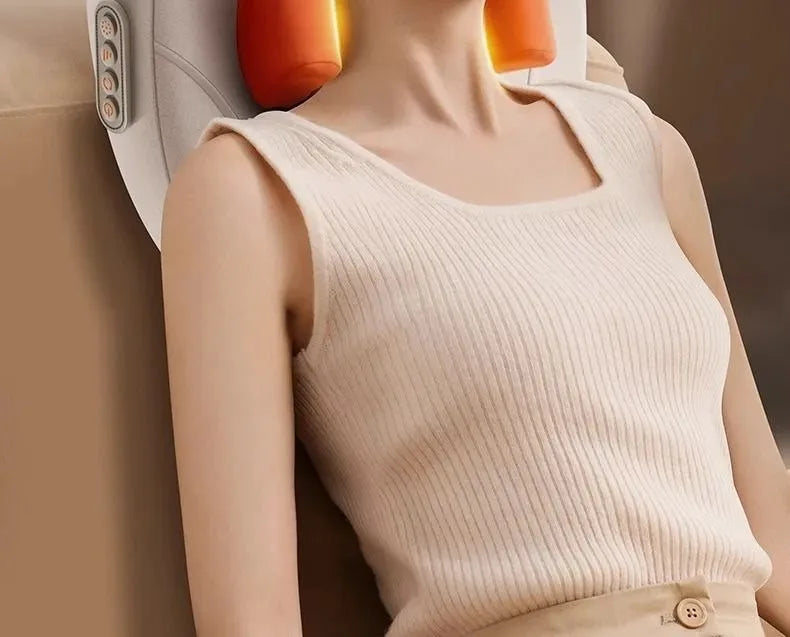
muscle relaxer home remedy – combining natural techniques for better recovery
Learn how to combine heat, mobility exercises, hydration, and relaxation techniques to reduce muscle tension naturally.
Step-by-Step Daily Muscle Relief Routine
Featured Snippet: How to Relax Tight Muscles at Home
For everyday muscle tension, begin with gentle mobility exercises, stay hydrated, take regular movement breaks throughout the day, and finish with heat therapy or self-massage in the evening. Consistency is more effective than occasional intensive treatment.
Morning Mobility (5 Minutes)
- Perform gentle neck, shoulder, and upper-back stretches.
- Drink a full glass of water after waking.
- Practice deep breathing for 1–2 minutes.
- Take a short walk if you have been sleeping in one position all night.
Midday Movement Break (3–5 Minutes)
- Stand up at least once every hour if you work at a desk.
- Walk briefly to improve circulation.
- Stretch tight muscle groups without forcing the movement.
- Apply gentle heat if stiffness develops during the day.
Evening Recovery Routine (10–15 Minutes)
- Use a foam roller or self-massage on sore muscles.
- Take a warm shower or bath to encourage relaxation.
- Finish with gentle stretching while muscles are warm.
- Practice slow breathing before bedtime to reduce stress-related muscle tension.
Long-Term Prevention Habits
- Maintain good posture throughout the day.
- Stay hydrated consistently rather than only when thirsty.
- Eat a balanced diet containing magnesium, potassium, and calcium.
- Exercise regularly to improve flexibility and strength.
- Take movement breaks every 30–60 minutes during prolonged sitting.
- Aim for sufficient sleep to support muscle recovery.
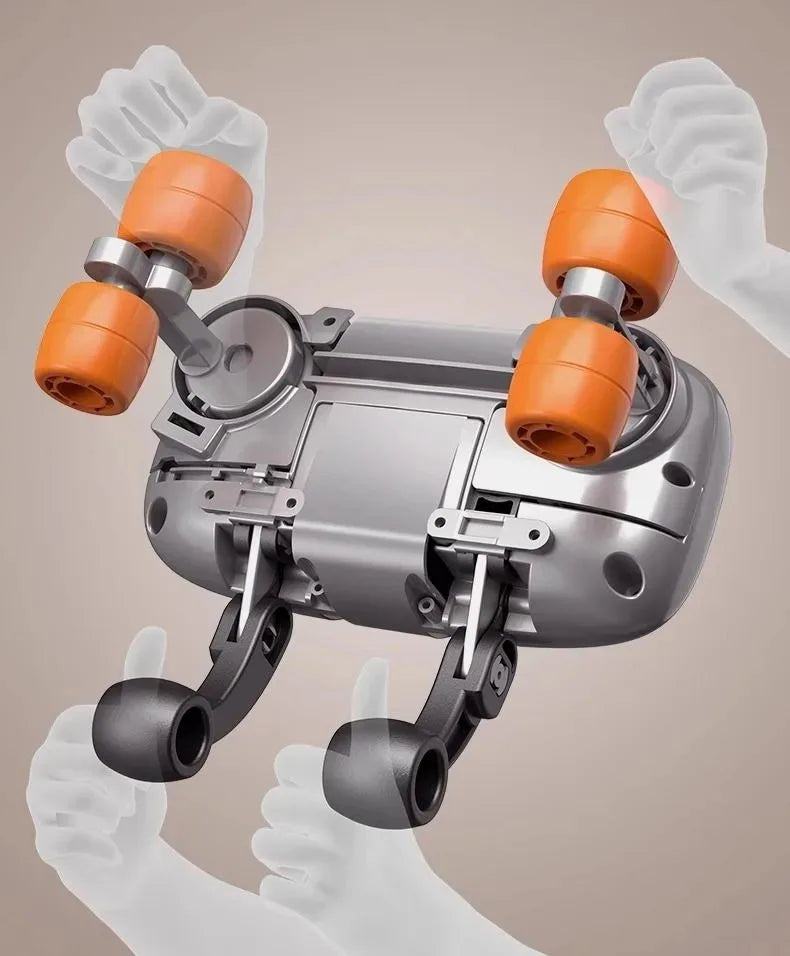
muscle relaxer home remedy – supporting natural muscle recovery at home
If muscle tightness continues despite consistent stretching, hydration, heat therapy, and other self-care strategies, an at-home massage device can be used as a complementary tool—not a replacement for healthy daily habits. Combining gentle massage with mobility exercises and proper recovery may help improve comfort and reduce recurring stiffness for many people.
Browse similar recovery tools in Body Care and Health Devices .
Pair your stretching, heat therapy, and hydration habits with soothing deep-kneading massage at home for added comfort after long workdays or workouts.
Get yours now — limited stock!
Best Bluetooth Sunglasses with Headphones (Tested & Compared for 2026)
The latest bluetooth sunglasses with headphones combine premium UV-protective eyewear with discreet open-ear speakers, giving you hands-free music, calls, and voice assistant access without blocking the sounds around you. After comparing today's leading bluetooth smart sunglasses for audio quality, comfort, battery life, durability, and everyday usability, we've identified the models that deliver the best overall value for commuting, outdoor adventures, workouts, and daily wear.
⏱ 7 min read
What Are Bluetooth Sunglasses with Headphones & How Do They Work?
Bluetooth sunglasses with headphones are smart wearable devices that integrate wireless speakers into the temples of UV-protective sunglasses. Instead of placing earbuds inside your ears, these smart sunglasses with speakers project directional sound just outside your ear, allowing you to enjoy music, podcasts, navigation, and phone calls while remaining aware of nearby traffic, conversations, and environmental sounds.
If you've wondered how do bluetooth sunglasses work , the process is surprisingly simple. The glasses pair wirelessly with your smartphone, tablet, or laptop using Bluetooth, then stream audio through miniature speakers built into each arm of the frame. Integrated microphones also allow hands-free calling and voice assistant activation without reaching for your phone.
How Open-Ear Audio Technology Works
Unlike conventional headphones, open ear sunglasses audio systems position compact directional speakers a short distance from your ears. The speakers are carefully angled to direct sound toward the listener while reducing unnecessary sound dispersion.
This design provides several practical advantages:
- Greater situational awareness when walking, cycling, or commuting
- No ear fatigue from prolonged earbud use
- Comfortable all-day wear without blocking ambient sounds
- Easy transitions between conversations and media playback
Open-Ear Audio vs Bone Conduction
Many people assume all audio eyewear uses bone conduction, but most modern music sunglasses actually rely on directional open-ear speakers instead.
- Open-ear sunglasses: Use miniature air-conduction speakers positioned near the ears for clearer music, fuller vocals, and a more natural listening experience.
- Bone conduction headphones: Send vibrations through your cheekbones, making them popular for high-intensity sports but generally producing less detailed music reproduction.
For everyday commuting, casual exercise, phone calls, and podcasts, open-ear technology typically offers the better balance between comfort and sound quality.
Bluetooth Pairing, Controls & Microphones
Most modern bluetooth audio sunglasses pair in seconds through your device's Bluetooth settings. Once connected, built-in buttons or touch controls let you:
- Play or pause music
- Adjust volume
- Skip tracks
- Answer or end phone calls
- Activate Siri or Google Assistant
Dual microphones with environmental noise reduction have also become common, helping improve voice clarity during calls whether you're working remotely or taking calls while outdoors.
Are Bluetooth Sunglasses Safe?
One of the biggest reasons people choose bluetooth sunglasses with headphones is improved awareness compared with traditional earbuds. Because your ears remain uncovered, you can hear traffic, warning signals, approaching cyclists, and conversations while still enjoying audio playback.
Like any listening device, safety depends on responsible use. Excessively high volume may reduce environmental awareness, and some sound leakage can occur in very quiet environments. Most premium models minimize leakage through directional speaker placement, making them well suited for walking, commuting, hiking, and outdoor recreation.
Why Bluetooth Sunglasses with Headphones Are Trending
Bluetooth sunglasses with headphones have evolved from a niche gadget into practical everyday wearable technology. Improvements in speaker design, battery efficiency, lightweight frames, and call quality have made today's wireless audio sunglasses suitable for commuting, outdoor exercise, travel, remote work, and daily errands.
Instead of constantly switching between sunglasses and earbuds, users can enjoy music, navigation prompts, podcasts, and phone calls while maintaining greater awareness of their surroundings. This combination of convenience, comfort, and hands-free functionality explains why bluetooth smart sunglasses continue to grow in popularity among commuters, cyclists, runners, and frequent travelers.
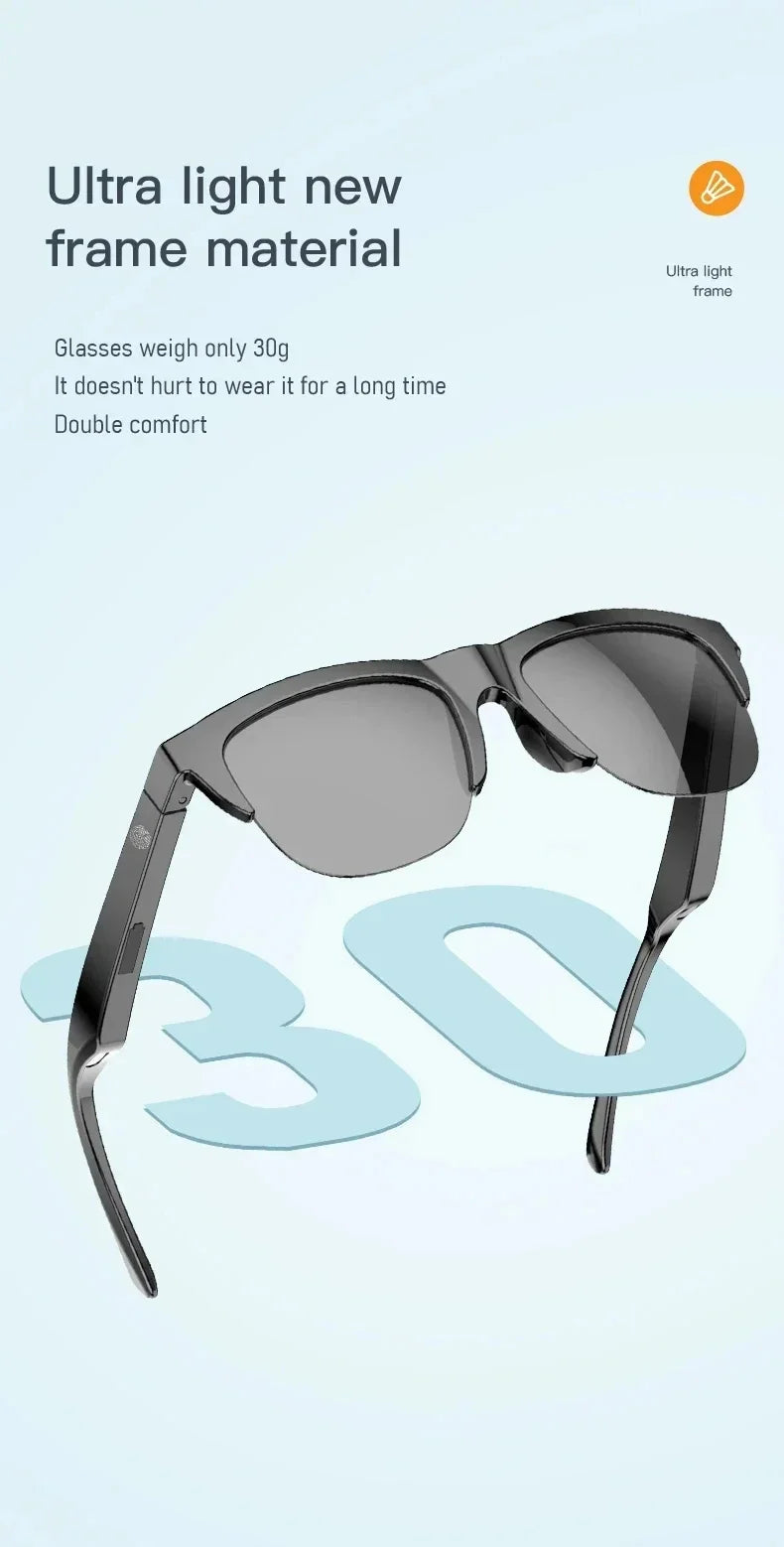
Smart eyewear that blends sound quality, UV protection, hands-free convenience, and everyday safety.
Quick Comparison Table: Best Bluetooth Audio Sunglasses
Before comparing individual models, here's a quick snapshot of the features you'll typically find in the best bluetooth sunglasses .
Compare Battery, Weight & Bluetooth Version
| Feature | Typical Range | Why It Matters |
|---|---|---|
| Battery Life | 4–10 hours | Longer listening between charges |
| Weight | 30–50 g | Improves comfort during extended wear |
| Bluetooth Version | 5.0–5.4 | More stable wireless connections and improved efficiency |
Compare Audio, IP Rating & Lens Options
| Specification | Typical Options | Best For |
|---|---|---|
| Audio System | Open-ear directional speakers | Music, podcasts, and calls |
| Lens Protection | UV400, polarized, interchangeable | Eye protection and glare reduction |
| Water Resistance | IPX4–IPX7 | Outdoor activities and light rain |













