

What Is Muscle Soreness After Exercise?
Muscle soreness after exercise is a normal response to physical activity, especially when your muscles experience new movements, increased intensity, or unfamiliar training demands. It usually feels like stiffness, tenderness, tightness, or aching that affects movement and comfort.
The most common type is delayed-onset muscle soreness (DOMS), which develops after exercise rather than during the workout itself. DOMS is part of the body's adaptation process as muscles repair and adjust to new levels of stress.
Understanding why soreness happens, how long it lasts, and what helps sore muscles after workout sessions can help you recover effectively while maintaining training consistency.
Muscle Soreness After Exercise: Causes, Timeline & Best Recovery Methods
Muscle soreness after exercise can be a sign that your body is adapting—but excessive stiffness can make everyday movement and future workouts more difficult. Learning how muscle recovery works allows you to choose smarter strategies for post workout muscle soreness relief and better long-term performance.
⏱ 8 min read
Explore smarter ways to feel better, faster.
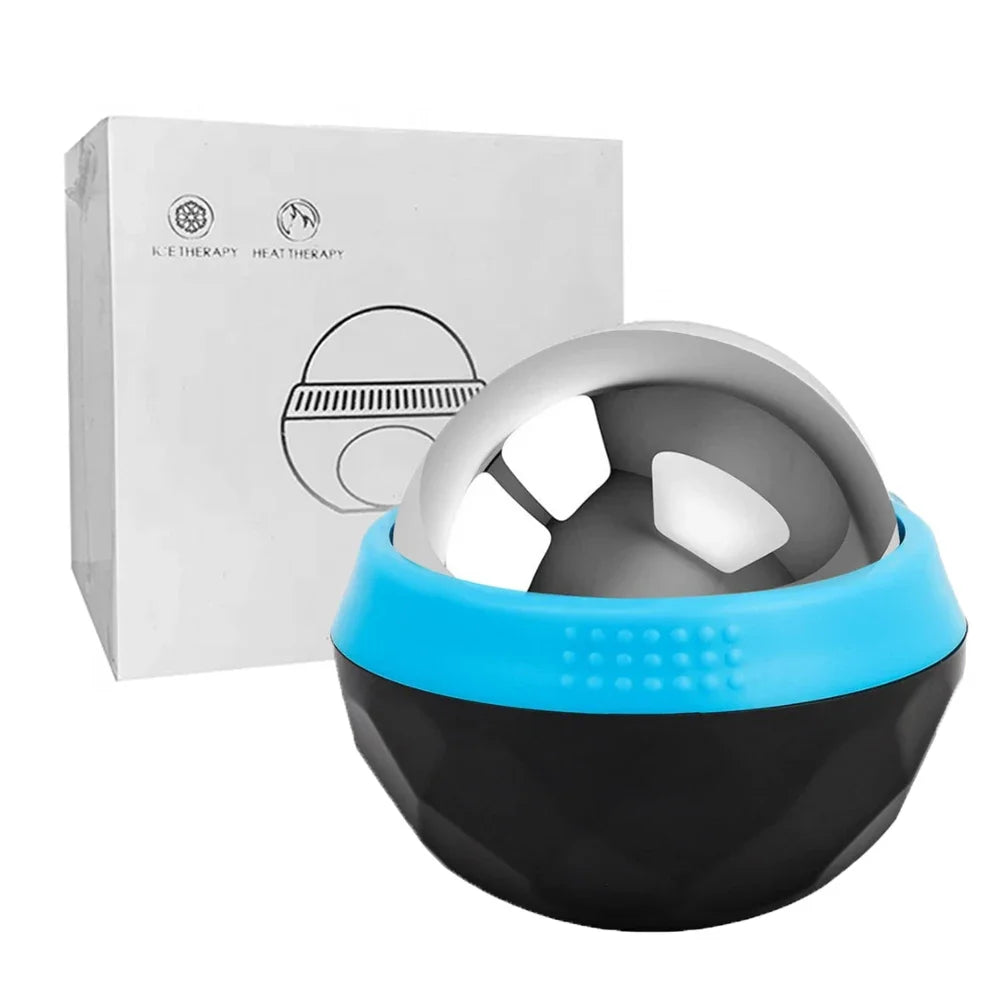
Target muscle soreness after exercise early for faster post workout muscle soreness relief See it in action
Why Muscle Soreness Happens (The Science Explained)
Microtears and Muscle Repair
During exercise, especially resistance training, downhill running, or eccentric movements, small amounts of stress occur within muscle fibers. This process triggers repair mechanisms that help muscles become more resilient over time.
These microscopic changes are a normal part of training adaptation. The repair process does not mean your muscles are damaged in a harmful way—it is how your body adjusts to increasing physical demands.
Inflammation and Recovery Response
Muscle inflammation after exercise occurs as your body responds to training stress. Repair cells, fluids, and nutrients are delivered to affected areas, which can create temporary stiffness, tenderness, and reduced mobility.
This inflammatory response supports recovery, but excessive training without enough rest may prolong discomfort and delay performance improvements.
Why New or Intense Exercise Causes DOMS
New exercises, heavier resistance, higher volume, or sudden increases in activity commonly trigger more noticeable soreness because the muscles are not fully adapted to that workload.
Gradually increasing exercise intensity allows your body to adjust while reducing the severity of delayed-onset muscle soreness.
DOMS vs Normal Fatigue vs Injury
Immediate Muscle Fatigue
Muscle fatigue happens during or immediately after exercise. It is caused by temporary changes in muscle energy systems and usually improves within hours after stopping activity.
Fatigue typically feels like heaviness, weakness, or reduced power rather than lasting pain.
Delayed-Onset Muscle Soreness (DOMS)
Delayed-onset muscle soreness usually appears 12–24 hours after exercise and often reaches its highest intensity between 24–72 hours. Symptoms may include stiffness, tenderness, and temporary decreases in strength.
Effective DOMS recovery methods focus on supporting circulation, movement, hydration, nutrition, and adequate rest.
Warning Signs of Injury
Normal soreness is usually a widespread dull ache affecting the trained muscles. Injury-related pain is often sharper, more localized, or associated with symptoms that worsen over time.
- Sudden sharp pain during exercise
- Significant swelling or bruising
- Loss of normal movement
- Pain that continues beyond typical recovery periods
Muscle Recovery Timeline: What to Do in the First 24, 48, and 72 Hours
First 24 Hours
During the first day after exercise, muscles begin the repair process. Mild tightness may appear, but severe soreness often has not reached its peak.
- Perform light movement such as walking
- Drink enough fluids
- Eat a balanced recovery meal
- Avoid repeating intense training on the same muscles
24–48 Hours
This is when many people experience the strongest DOMS symptoms. Muscles may feel stiff, sensitive, and temporarily weaker.
Focus on gentle activity, mobility work, proper nutrition, and recovery strategies that improve comfort without adding additional stress.
48–72 Hours and Beyond
Most soreness gradually decreases as muscles adapt and repair. Recovery speed depends on workout intensity, training experience, sleep quality, and overall recovery habits.
If soreness continues beyond one week or becomes worse instead of improving, consider whether an injury may be involved.
How to Relieve Sore Muscles After Workout
Start With Active Recovery
Active recovery is one of the most practical ways to reduce stiffness after exercise. Low-intensity activities such as walking, gentle cycling, or mobility exercises increase circulation without placing additional strain on sore muscles.
Instead of complete inactivity, light movement can help maintain flexibility and support the recovery process.
Hydrate, Refuel, and Prioritize Sleep
Proper hydration helps maintain normal muscle function, while quality nutrition provides the building blocks needed for repair.
Sleep is also a critical recovery factor because the body performs many repair processes during rest.
Use Gentle Stretching and Mobility
Gentle stretching and mobility exercises can help reduce the feeling of tightness and improve range of motion after workouts.
Avoid aggressive stretching when muscles are highly sore, as excessive force may increase discomfort.
Choose Heat or Cold at the Right Time
Cold therapy may help temporarily reduce discomfort after intense exercise, while heat can be useful for relaxing stiff muscles and improving mobility.
The best approach depends on your symptoms, timing, and personal response.
Best Recovery Tools for Sore Muscles
Foam Roller
A foam roller for muscle soreness is commonly used for self-myofascial release. It can help relieve muscle tightness, improve mobility, and support recovery after training.
Foam rollers work best for larger muscle groups such as legs, back, and hips.
Massage Gun
A massage gun for muscle recovery uses rapid percussion to target specific areas of muscle tension. It can be useful for athletes who prefer deeper, more targeted stimulation.
However, beginners may need to start with lower intensity settings to avoid discomfort.
Compression and Heat Therapy
Compression products may support circulation and comfort after exercise, while heat therapy can help relax stiff muscles before movement or stretching.
Cold Therapy and Ice Massage
Cold therapy tools combine cooling effects with targeted application. They may help manage temporary soreness and sensitivity after demanding workouts.
Muscle Recovery Tools Comparison
| Tool | Best For | Benefits | Limitations |
|---|---|---|---|
| Foam Roller | Large muscle groups and mobility | Affordable, versatile, easy for beginners | Less precise for small areas |
| Massage Gun | Targeted muscle tension | Deep stimulation and adjustable intensity | Can feel intense for new users |
| Compression and Heat | Stiffness and relaxation | Comfort-focused recovery support | Results vary by individual |
| Cold Therapy | Post-exercise soreness management | Targeted cooling and temporary discomfort relief | Requires consistent use |
Nutrition and Hydration for Faster Recovery
Protein
Protein provides amino acids that support muscle repair after exercise. Including a protein source after training can help meet recovery needs as part of a balanced diet.
Carbohydrates
Carbohydrates help restore muscle glycogen, the stored energy source used during workouts. Refueling becomes especially important after longer or higher-intensity sessions.
Electrolytes and Fluids
Replacing fluids lost through sweat supports hydration status and normal muscle function. Electrolytes may be useful after prolonged exercise or heavy sweating.
Recovery Myths vs Facts
Is Lactic Acid the Cause?
One common misconception is that lactic acid causes delayed muscle soreness. In reality, DOMS is related to the body's repair response after exercise rather than leftover lactic acid.
Should You Stretch Aggressively?
More stretching is not always better. Gentle mobility can support comfort, but forcing sore muscles into intense stretches may increase irritation.
Are Ice Baths Always Better?
Cold therapy can be useful for managing soreness, but it is not automatically the best option for every workout or every person. Recovery strategies should match your goals and training routine.
When Muscle Soreness Is NOT Normal (Warning Signs)
Most muscle soreness after exercise is temporary, but certain symptoms require more attention:
- Sharp or stabbing pain
- Severe swelling or bruising
- Major loss of strength or mobility
- Pain that lasts longer than seven days
If these symptoms appear, stop intense exercise and seek medical advice.
How to Prevent Muscle Soreness After Exercise
- Warm up properly before workouts
- Increase training intensity gradually
- Use progressive overload instead of sudden increases
- Maintain hydration and balanced nutrition
- Schedule recovery days between demanding sessions
- Use mobility and recovery routines consistently
Building consistent habits helps reduce unnecessary soreness while improving long-term exercise performance.
Frequently Asked Questions
How long does muscle soreness after exercise usually last?
Muscle soreness after exercise commonly lasts 24–72 hours. More intense workouts may require up to a week for complete recovery.
Should I work out when sore?
Light activity is usually acceptable when muscles are mildly sore. Avoid intense training for the same muscle group until recovery improves.
How can I reduce muscle soreness quickly?
The best approach includes active recovery, hydration, proper nutrition, quality sleep, gentle mobility, and selecting recovery tools that match your needs.
Are massage guns or foam rollers better for DOMS?
Both can support muscle recovery. Foam rollers are often better for larger areas, while massage guns provide more targeted stimulation.
When should I see a doctor for muscle soreness?
Seek medical advice if soreness is severe, worsening, associated with swelling or bruising, or significantly limits normal movement.
Experience easier movement and faster recovery today.













