

Does a muscle stimulator device really work?
Yes. A muscle stimulation therapy unit works by delivering controlled electrical impulses that stimulate muscles or nerves through adhesive electrode pads. Depending on whether the device uses EMS, TENS, or both, it can help support muscle recovery, temporary pain relief, improved circulation, and at-home rehabilitation. While it is not a replacement for medical treatment or physical therapy, a quality muscle stimulator device can be an effective home physical therapy device when used consistently and according to the manufacturer's instructions.
Muscle Stimulator Device: Best EMS & TENS Units for Home Use (2026 Buyer's Guide)
⏱ 6 min read
Muscle stimulator device reviews often highlight professional rehabilitation clinics, but today's portable EMS and TENS units make electrical muscle stimulation accessible at home. Whether your goal is easing everyday aches, accelerating post-workout recovery, supporting rehabilitation, or improving muscle activation, this guide explains how these devices work, what features matter most, and how to choose the best option for your needs.
Discover how a modern muscle stimulation therapy unit can support comfortable recovery, targeted relief, and consistent muscle care from your own home.
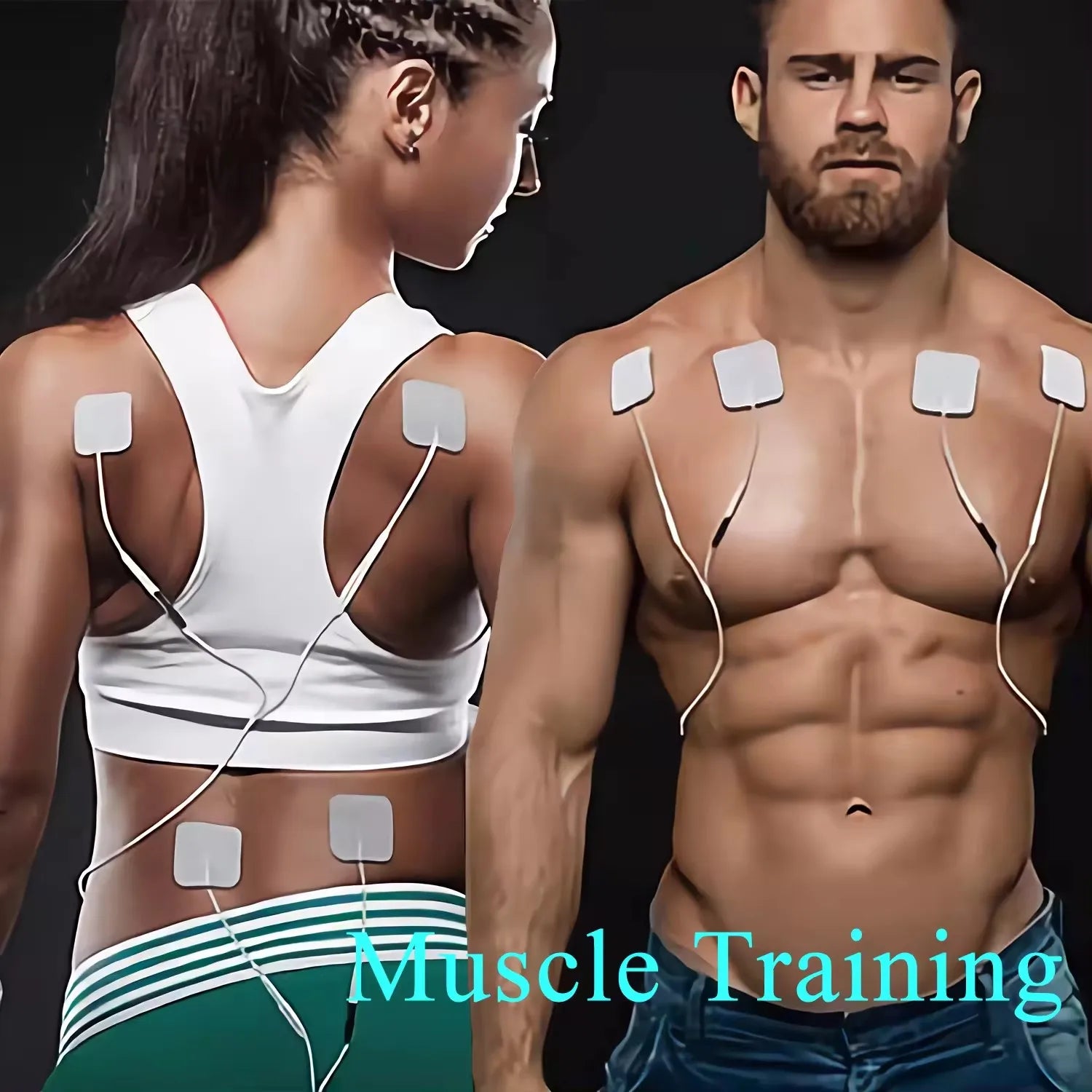
Targeted relief and recovery with a muscle stimulation therapy unit. See it in action.
What Is a Muscle Stimulator Device (EMS vs TENS Explained)
A muscle stimulator device is a compact electronic therapy system that delivers low-voltage electrical impulses through adhesive electrode pads placed on the skin. These impulses either activate muscles or stimulate sensory nerves, depending on the selected treatment mode. Modern units are commonly used at home for pain management, muscle recovery, rehabilitation support, and improving muscle activation between physical therapy sessions.
EMS vs TENS: What's the difference?
Although both technologies use electrical stimulation, they serve different purposes.
- EMS (Electrical Muscle Stimulation): Produces controlled muscle contractions by stimulating motor nerves. EMS is commonly used to support recovery after exercise, encourage circulation, reduce muscle fatigue, and help maintain muscle activation during rehabilitation.
- TENS (Transcutaneous Electrical Nerve Stimulation): Primarily targets sensory nerves rather than muscles. TENS is designed to provide temporary pain relief by helping interrupt pain signals and encouraging the body's natural pain-relieving responses.
Many of today's best muscle stimulators combine EMS and TENS functions in one device, allowing users to switch between recovery-focused muscle stimulation and pain-management therapy without purchasing separate equipment.
How electrical muscle stimulation works
After electrode pads are positioned on the treatment area, the device sends carefully controlled electrical pulses through the skin. In EMS mode, these pulses trigger repeated muscle contractions that resemble natural movement. In TENS mode, the impulses primarily stimulate sensory nerves to help reduce discomfort. Because intensity, pulse width, and treatment programs can be adjusted, users can tailor therapy to different recovery goals while remaining within comfortable stimulation levels recommended by the manufacturer.
Best Muscle Stimulator Devices for Home Use (Top Picks)
The best muscle stimulator depends on how you plan to use it. Some devices prioritize pain relief, while others emphasize muscle recovery, rehabilitation, portability, or overall versatility. The categories below highlight the strengths buyers should look for before making a purchase.
Best overall muscle stimulator device
A dual EMS/TENS unit with multiple treatment programs, adjustable intensity levels, intuitive controls, and durable electrode pads offers the best balance for most users. These all-in-one devices adapt easily to recovery, rehabilitation, and everyday pain management, making them the most versatile choice for home use.
Best for pain relief (TENS focus)
If your primary goal is managing recurring back pain, neck tension, shoulder discomfort, or joint soreness, a TENS-focused device provides targeted nerve stimulation with customizable pulse settings and comfortable treatment sessions suitable for regular home use.
Best for muscle recovery (EMS focus)
EMS-focused muscle stimulators are ideal for athletes, fitness enthusiasts, and active individuals looking to promote circulation, reduce post-workout soreness, improve muscle activation, and support faster recovery between training sessions.
Best budget muscle stimulation therapy unit
Entry-level muscle stimulation therapy units can still deliver reliable EMS and TENS performance for occasional use. Look for adjustable intensity, quality electrode pads, rechargeable batteries, and straightforward controls rather than paying for unnecessary advanced programs.
Best portable / cordless option
Wireless muscle stimulators maximize convenience by eliminating cables and bulky controllers. Lightweight, rechargeable designs are well suited for travel, office use, or quick recovery sessions at home while maintaining effective electrical muscle stimulation in a compact format.
Comparison Table: Features, Scores and Best Uses
| Device Type | Best For | Programs | Portability | Ease of Use | Overall Value |
|---|---|---|---|---|---|
| EMS + TENS Combo | All-around recovery & pain relief | Extensive | Medium | High | ★★★★★ |
| TENS Unit | Temporary pain management | Pain-focused | High | Very High | ★★★★☆ |
| EMS Device | Muscle recovery & activation | Recovery-focused | Medium | Medium | ★★★★☆ |
| Wireless Device | Travel and everyday convenience | Moderate | Very High | High | ★★★★☆ |
Do Muscle Stimulators Really Work? Evidence and Expectations
Clinical evidence
Electrical muscle stimulation has been used for decades in sports medicine, rehabilitation, and physical therapy. Research supports the use of TENS for temporary pain relief in appropriate patients, while EMS is commonly incorporated into rehabilitation programs to assist with muscle activation, circulation, and recovery. Results vary depending on the condition being treated, device quality, treatment consistency, and overall rehabilitation plan.
Pain relief vs muscle strengthening
Understanding the difference between treatment goals helps set realistic expectations. TENS is intended to reduce discomfort by stimulating sensory nerves and modifying pain perception. EMS, on the other hand, repeatedly contracts muscles to encourage circulation, improve neuromuscular activation, and support recovery. Although EMS can complement strength training or rehabilitation, it should not be viewed as a replacement for regular exercise or professionally prescribed therapy.
Realistic results
Many users notice temporary pain relief during or shortly after a TENS session, while improvements in muscle recovery or activation generally develop after repeated use over several weeks. Consistent sessions, correct electrode placement, and appropriate intensity settings typically produce better outcomes than occasional treatments.
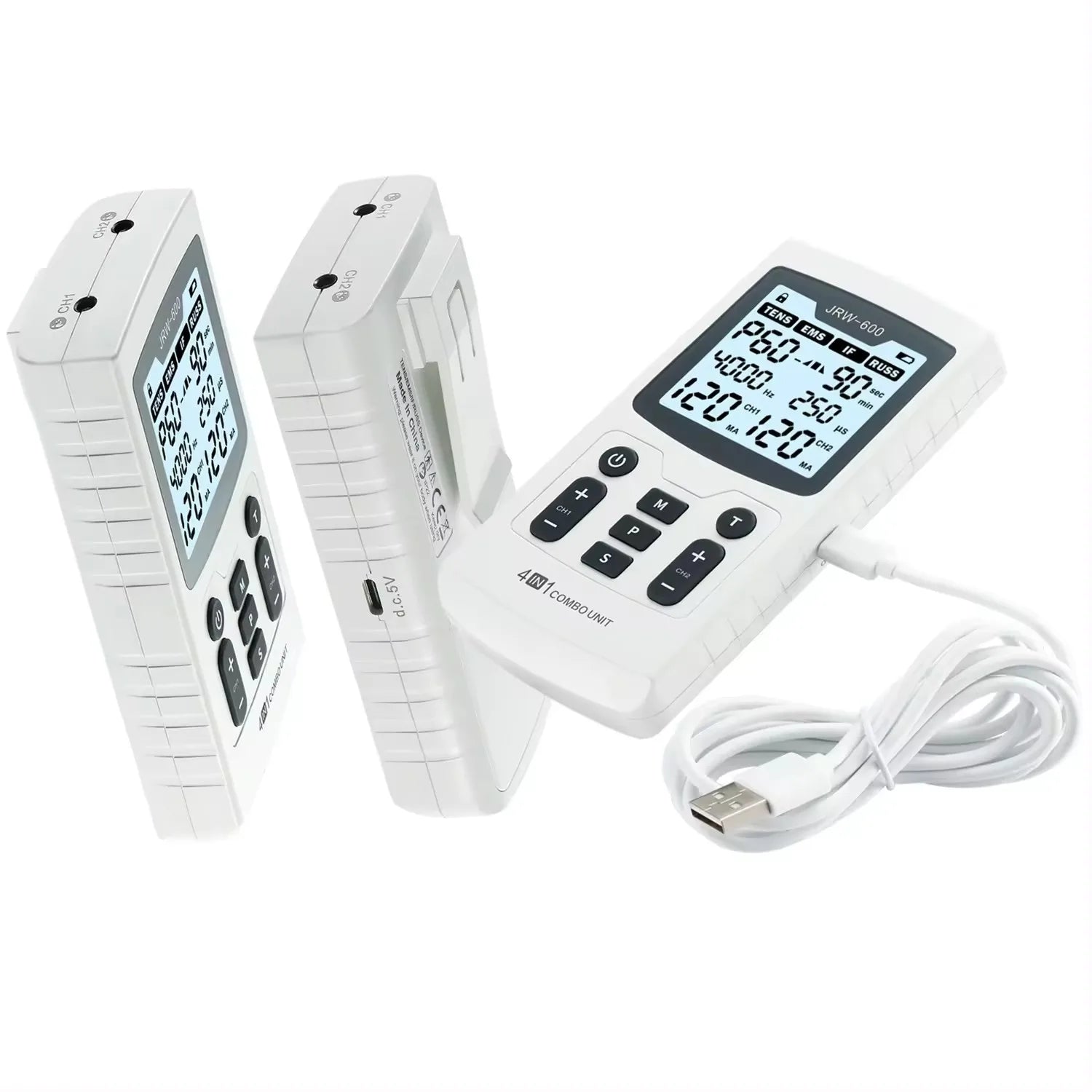
From soreness to strength, this muscle stimulator device adapts to your needs. See it in action.
Who Should Buy Each Muscle Stimulator?
Pain management
People experiencing recurring neck, shoulder, lower back, or joint discomfort often benefit most from a quality TENS unit or a dual EMS/TENS device that provides multiple pain-management programs and adjustable intensity levels.
Sports recovery
Athletes, runners, cyclists, and regular gym users may prefer EMS-focused muscle stimulators that help promote circulation, reduce post-workout soreness, and improve muscle activation between training sessions.
Home physical therapy
Individuals recovering from injury or following a rehabilitation program can use an EMS muscle stimulator alongside guidance from their healthcare provider to support muscle engagement and complement prescribed exercises.
Muscle activation
Anyone returning to exercise after inactivity or working to activate specific muscle groups may find adjustable EMS programs useful as part of a broader training and recovery routine.
If you already explore wellness tools from the Body Care and Health Devices collection, a muscle stimulation therapy unit can be a valuable addition to a comprehensive home recovery setup.
Buying Guide: How to Choose the Best Muscle Stimulator
Output modes
Choose a device that matches your primary goal. EMS programs are best for muscle activation and recovery, while TENS programs are designed for temporary pain relief. A dual EMS/TENS unit offers the greatest flexibility for long-term home use.
Intensity levels
Look for adjustable intensity with gradual increments rather than a few fixed settings. Fine adjustments make treatments more comfortable and allow the device to be used on different muscle groups and sensitivity levels.
Electrode quality
Reusable, high-quality electrode pads improve conductivity, adhere better to the skin, and typically last longer. Readily available replacement pads also help reduce ongoing ownership costs.
FDA considerations
If you're purchasing a muscle stimulator in markets where applicable, look for devices that are FDA-cleared or meet the regulatory requirements for their intended use. Clearance does not guarantee better results, but it indicates the device has met applicable regulatory standards.
Budget
Higher-priced models often include additional treatment programs, rechargeable batteries, memory functions, and better build quality. However, many mid-range EMS/TENS units provide excellent performance for most home users without unnecessary features.
Common Mistakes When Choosing a Muscle Stimulator
Choosing EMS instead of TENS
Many buyers assume every electrical muscle stimulator serves the same purpose. If pain management is your priority, ensure the device includes dedicated TENS modes. If recovery and muscle activation are more important, EMS programs should be your focus.
Ignoring pad quality
Electrode pads directly affect comfort and treatment effectiveness. Poor-quality pads lose adhesion quickly and deliver less consistent stimulation, making replacement availability an important buying consideration.
Buying based on programs alone
A long list of preset modes is less important than comfortable intensity adjustment, intuitive controls, dependable battery life, and durable construction. A well-designed device with fewer high-quality programs often delivers a better user experience.
Safety, Risks and Who Should Avoid EMS or TENS
Contraindications
Although EMS and TENS devices are generally considered safe when used as directed, they should not be used by individuals with implanted pacemakers or other electronic medical devices unless approved by a healthcare professional. People with certain heart conditions, uncontrolled epilepsy, or those who are pregnant should also seek medical advice before using electrical stimulation therapy.
Daily use
Most home muscle stimulators are designed for regular short sessions. Follow the manufacturer's recommended treatment duration, avoid excessively high intensity levels, and discontinue use if significant skin irritation or unusual discomfort develops.
When to consult a professional
If pain persists, worsens, follows a serious injury, or is accompanied by swelling, numbness, or loss of function, consult a qualified healthcare provider. A muscle stimulation therapy unit is intended to support recovery and temporary pain management rather than diagnose or treat underlying medical conditions.

Bring professional-style recovery home with a muscle stimulation therapy unit. See it in action.
Final Verdict: Which Muscle Stimulator Is Best?
The best muscle stimulator depends on your primary treatment goal, the features you value most, and how frequently you plan to use the device.
Best overall
A dual EMS/TENS muscle stimulator offers the best combination of versatility, adjustable treatment programs, and long-term value. It allows you to switch between muscle recovery and temporary pain relief without purchasing multiple devices.
Best value
For most home users, a mid-range rechargeable unit with adjustable intensity, reusable electrode pads, and several therapy programs provides an excellent balance between performance and affordability.
Best for therapy
If you're using a muscle stimulator alongside a rehabilitation plan, choose a model with precise intensity adjustments, multiple EMS programs, and reliable electrode quality to support consistent treatment.
Best for athletes
Active individuals and fitness enthusiasts benefit most from an EMS-focused device that promotes muscle activation, post-workout recovery, and circulation while complementing a structured training routine.
For the majority of buyers, the best muscle stimulator for home use is a dual-function EMS/TENS device that combines ease of use, dependable performance, and flexible treatment options.
FAQ: Muscle Stimulator Devices
What is the best muscle stimulator for home use?
For most users, the best choice is a dual EMS/TENS unit with adjustable intensity, multiple therapy programs, rechargeable power, and quality electrode pads. This combination provides flexibility for both muscle recovery and temporary pain relief.
Are EMS muscle stimulators worth buying?
Yes. EMS muscle stimulators can be worthwhile for people seeking additional support for muscle recovery, rehabilitation, circulation, or muscle activation. They work best when combined with appropriate exercise and healthy recovery habits.
What's the difference between EMS and TENS?
EMS stimulates muscles to create contractions that support recovery and muscle activation. TENS primarily stimulates sensory nerves to provide temporary pain relief. Many modern devices include both technologies.
Can a muscle stimulator replace physical therapy?
No. A muscle stimulator should be viewed as a complementary recovery tool rather than a replacement for professional physical therapy, exercise, or medical treatment when these are recommended.
How often should I use a muscle stimulator?
Most home devices can be used regularly according to the manufacturer's instructions. Session length and frequency vary by device, treatment goal, and individual tolerance.
Are electrical muscle stimulators FDA cleared?
Some electrical muscle stimulators are FDA-cleared for specific intended uses in the United States. If FDA clearance is important to you, verify the manufacturer's regulatory information before purchasing.
Which muscle stimulator is best for pain relief?
A TENS-focused unit or a dual EMS/TENS device with dedicated pain-relief programs is generally the best choice for managing temporary muscle and joint discomfort.
Which muscle stimulator is best for muscle recovery?
An EMS-focused device or a combination EMS/TENS unit with multiple recovery programs is typically the best option for improving muscle activation and supporting post-exercise recovery.
Related Guide: Does Electric Muscle Stimulator Work Real Reviews and Results













