Does musty smell in laundry have a real fix?
Yes. Musty smell in laundry is usually caused by trapped moisture, detergent residue, and mildew or bacteria growing inside fabrics or the washing machine. The most effective solution is to eliminate excess moisture, clean the washer regularly, use the correct amount of detergent, and dry clothes as quickly as possible. These simple habits remove musty smell from clothes while helping prevent mold in laundry from returning.
⏱ 7 min read
Why Do Clothes Smell Musty? Causes, Fixes, and Prevention Guide
A musty smell in laundry can make freshly washed clothes seem unclean, even when they've just come out of the washer. Whether it's your everyday clothing, towels, bedding, or gym wear, lingering damp odors usually point to excess moisture, detergent buildup, or mildew hiding in your laundry routine. The good news is that these problems are fixable. With the right washing habits, faster drying, and regular machine maintenance, you can remove musty smell from clothes and help prevent mold in laundry before it becomes a recurring issue.
Discover the simplest setup for your home and lifestyle.

musty smell in laundry & laundry smells musty — See it in action
Which everyday laundry habit is silently trapping moisture and causing musty odors to return? The answer may surprise you.
Common causes of musty laundry (most people overlook these)
Leaving clothes damp too long
Leaving wet laundry in the washer for several hours creates the ideal environment for bacteria and mildew to multiply. The longer fabrics remain damp, the more likely they are to develop odors that can persist even after another wash. Moving clothes to the dryer or drying rack as soon as the cycle finishes is one of the simplest ways to prevent musty smells.
Dirty washing machine or detergent buildup
Your washing machine should clean clothes, but accumulated detergent, fabric softener, lint, and body oils can build up inside the drum, door gasket, and detergent drawer. This residue traps moisture, encourages mold growth, and transfers unpleasant odors back onto freshly washed laundry.
Overloading or low-temperature washing
Packing too many clothes into one load prevents water and detergent from circulating effectively, leaving behind soil and odor-causing residue. While cold-water cycles are suitable for many everyday loads, heavily soiled items such as towels, sportswear, or pet bedding may require warmer water—when the care label allows—to achieve a more thorough clean.
Poor airflow in drying spaces or laundry rooms
If your laundry room smells like mildew, humidity is often part of the problem. Poor ventilation slows evaporation, allowing fabrics to stay damp longer and creating conditions where mildew can thrive on clothing, walls, and even inside the washing machine. Improving airflow with open windows, exhaust fans, or better ventilation helps clothes dry faster and reduces recurring odors.
Follow the practical steps that help keep clothes fresh load after load.
How to remove musty smell from clothes (step-by-step)
To remove musty smell from clothes successfully, you need to eliminate odor-causing residue, wash fabrics thoroughly, and dry them completely. Skipping any of these steps can allow mildew and bacteria to survive, causing the smell to return.
Deep-clean method
- Check the garment care label and choose the warmest water temperature recommended for the fabric.
- Run a complete wash cycle using the correct amount of detergent. For persistent odors, white vinegar can be used during a separate rinse cycle rather than mixed with detergent.
- If odors remain, wash the items a second time using fresh detergent.
- Dry clothing immediately with good airflow or direct sunlight whenever possible.
- Confirm garments are completely dry before folding or storing them.
Quick fixes for lightly musty clothes
- Run an extra rinse cycle to remove lingering detergent residue.
- Dry items outdoors in direct sunlight when weather permits.
- Rewash lightly affected garments instead of storing them while damp.
Fabric-specific tips (towels, synthetics, delicates)
- Towels: Wash with the warmest water allowed and avoid excessive fabric softener, which can reduce absorbency and trap residue.
- Synthetics: Allow enough wash time for detergent to remove sweat and body oils that cling to synthetic fibers.
- Delicates: Use a gentle cycle and dry promptly in a well-ventilated area to prevent lingering moisture.
remove musty smell from clothes & smelly clothes fix — See it in action
How to clean your washing machine to stop odors
If you've ever wondered, why does my laundry smell musty even after washing? , the washing machine itself may be the source. Routine maintenance removes detergent residue, prevents mold growth, and keeps freshly washed clothes from picking up unwanted odors.
Front-load vs top-load cleaning
- Front-load: Wipe the rubber door gasket thoroughly, clean the detergent drawer, then run the manufacturer's cleaning cycle or an empty hot wash with a suitable washing machine cleaner.
- Top-load: Run an empty hot cycle with a washing machine cleaner or another cleaner recommended by the manufacturer, then wipe the drum and lid before leaving the machine open to dry.
Detergent drawer and gasket
The detergent dispenser and rubber door seal are common places where moisture, detergent residue, and lint collect. Remove the drawer if possible, rinse it thoroughly, and wipe inside the compartment. Inspect the gasket folds for trapped debris and dry them completely after cleaning.
Monthly maintenance
- Run an empty maintenance cycle at least once each month.
- Leave the washer door or lid open after each load so moisture can escape.
- Clean the detergent drawer, rubber gasket, and other accessible surfaces regularly.
- Use only the recommended amount of detergent to reduce future buildup.
How to prevent mold in laundry long term
Prevent mold in laundry by reducing moisture at every stage of your routine. Dry clothes promptly, maintain good airflow, and keep your washing machine clean so mildew and odor-causing bacteria never have the conditions they need to grow.
Daily habits that stop odor before it starts
- Move clothes from the washer to the dryer or drying rack as soon as the cycle finishes.
- Hang garments with enough space between them so air can circulate freely.
- Store clothing only after it is completely dry.
- Keep the washer door or lid open between loads whenever possible.
Weekly 5-minute maintenance
- Wipe the door seal, detergent drawer, and drum opening to remove moisture and residue.
- Clean lint filters, dryer vents, and any visible buildup.
- Check for standing water around the washer, utility sink, or floor drain.
Monthly deep clean
- Run an empty maintenance cycle using a washing machine cleaner or the cleaning method recommended by the manufacturer.
- Remove and rinse the detergent tray thoroughly.
- Inspect hoses, drain connections, and water supply lines for leaks or trapped moisture.
- Look for signs of mildew around the door gasket and clean them before mold can spread.
Why your laundry room smells like mildew (and how to fix it)
Ventilation and humidity problems
A laundry room that smells like mildew often has excess humidity. When warm, moist air cannot escape, clothing dries more slowly and moisture collects on walls, floors, and appliances. Improving ventilation with an exhaust fan, open window, or better air circulation helps reduce humidity and discourages mold growth.
Hidden moisture sources
If odors persist even after cleaning, inspect for hidden moisture problems such as leaking hoses, slow plumbing leaks, clogged dryer vents, damp drywall, or water collecting beneath appliances. Identifying and fixing the moisture source is essential because cleaning alone will not eliminate recurring mildew odors.
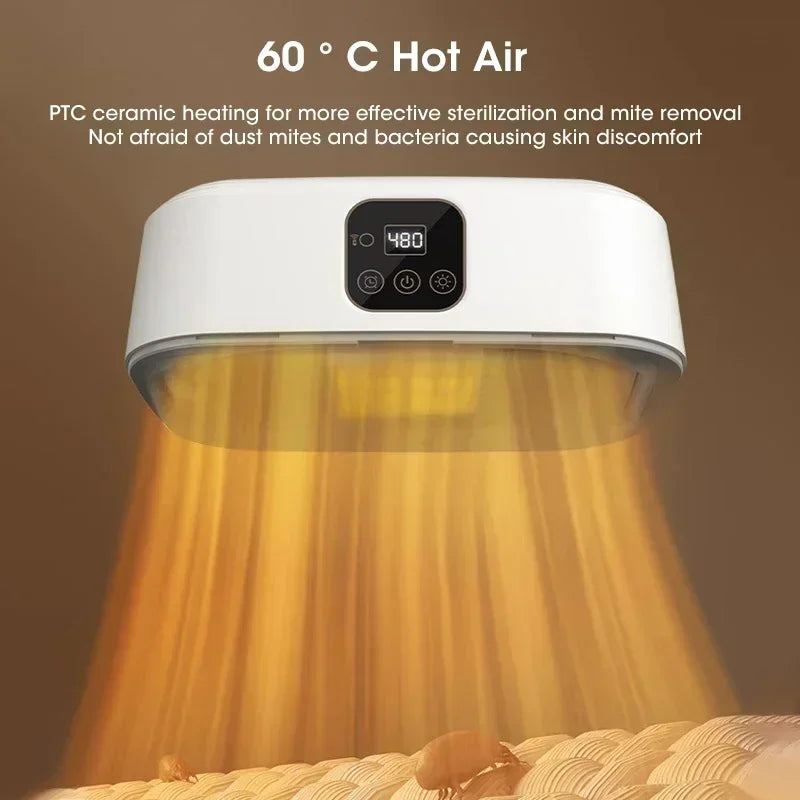
Upgrade to faster, fresher drying with the folding clothes dryer .
Common mistakes that make laundry smell worse
- Using too much detergent: Excess detergent often leaves residue behind, trapping moisture and creating an environment where odor-causing bacteria can thrive.
- Leaving clothes in the washer after the cycle ends: Even a few hours of sitting in a damp drum can allow mildew and bacteria to begin multiplying.
- Skipping routine washing machine maintenance: Ignoring the door gasket, detergent drawer, drum, and cleaning cycles allows residue and mold to accumulate over time.
- Overloading the washing machine: Crowded loads prevent water and detergent from reaching every garment, making it harder to remove soils and rinse away odor-causing residue.
- Drying clothes in humid or poorly ventilated spaces: Slow drying extends the time fabrics stay damp, increasing the risk of recurring musty smells.
- Storing laundry before it's completely dry: Even slightly damp clothing or towels can develop mildew odors once folded or placed in a closet.
- Ignoring small leaks or excess humidity: Moisture around the washer, utility sink, or laundry room can contribute to persistent mildew odors that eventually affect freshly washed clothes.
Mini-FAQ: Musty laundry questions answered
Why does my laundry room smell like mildew even when it's clean?
A clean-looking laundry room can still smell musty if hidden moisture is present. Damp washing machine seals, floor drains, clogged dryer vents, high indoor humidity, or slow plumbing leaks can all create conditions where mildew grows out of sight. Eliminating the moisture source is the key to removing the odor permanently.
Can a floor drain make a laundry room smell musty?
Yes. A dry drain trap, organic buildup, or plumbing issue can allow unpleasant odors to enter the room. If the smell seems strongest near the floor drain or utility sink, inspect and clean those areas before assuming the washing machine is responsible.
How do I know if mildew smell is coming from the washing machine or hidden mold?
If the odor is strongest when you open the washer door or after a load finishes, the washing machine likely needs cleaning. If the smell remains throughout the room even when the machine is empty, inspect nearby walls, flooring, plumbing connections, and ventilation for hidden moisture or mold.
Will a dehumidifier remove mildew odors?
A dehumidifier helps reduce excess moisture, making it harder for mold and mildew to grow. However, it works best after the existing odor source has been cleaned or repaired, since lowering humidity alone won't remove established mold or residue.
Why do my clothes smell musty after washing?
Clothes usually smell musty after washing because moisture, detergent residue, or bacteria remain in the fabric or inside the washing machine. Prompt drying, proper detergent use, and routine washer maintenance help prevent recurring odors.
How can I prevent mold in my laundry room?
Keep humidity under control, clean your washing machine regularly, repair leaks promptly, leave the washer door open between loads, and ensure clothing dries completely before storing it. Consistent maintenance is the most effective way to prevent mold and mildew from returning.
Stop the cycle of damp odors with the folding clothes dryer and enjoy consistently fresh laundry.
Related Guide: No Space for Dryer Solutions That Actually Fit Your Home