
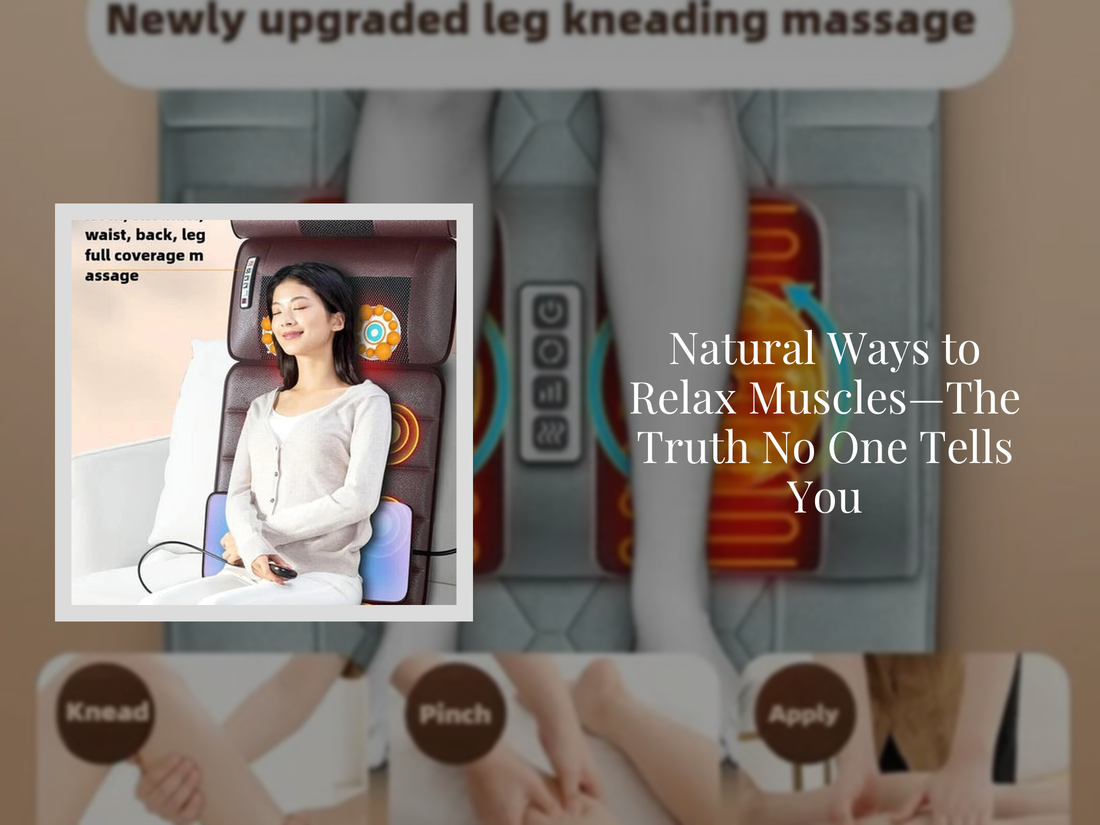
Natural Ways to Relax Muscles—The Truth No One Tells You
Discover natural ways to relax muscles that are supported by science and easy to practice at home. Whether your discomfort comes from exercise, stress, long hours at a desk, or everyday muscle fatigue, simple strategies such as gentle stretching, heat therapy, mindful breathing, hydration, and using the best massage mat can help reduce tension and support recovery. Learn how to soothe sore muscles at home safely while building a sustainable recovery routine that fits your lifestyle.
⏱ 7 min read
What Are the Most Effective Natural Ways to Relax Muscles?
The most effective natural ways to relax muscles include applying heat, performing gentle stretching, staying hydrated, practicing slow deep breathing, getting quality sleep, and using massage or self-myofascial release tools such as the best massage mat . These methods improve circulation, reduce muscle tension, encourage relaxation of overworked tissues, and support recovery without relying on medication. The best approach depends on whether your muscle tightness is caused by exercise, stress, poor posture, or prolonged inactivity.
Some techniques provide relief within minutes, while others work best when practiced consistently as part of a daily recovery routine. Combining two or three complementary methods—such as heat, gentle movement, and massage—often delivers better results than relying on a single strategy.
Do your muscles feel stiff when you wake up, after a workout, or at the end of a long workday? You're far from alone. Modern lifestyles often involve extended sitting, repetitive movements, intense exercise, and ongoing mental stress—all of which can contribute to persistent muscle tightness.
The encouraging news is that effective muscle relief doesn't always require expensive treatments or frequent spa visits. Many evidence-based techniques can be performed at home with minimal equipment, helping you improve comfort, mobility, and overall recovery while fitting naturally into your daily routine.
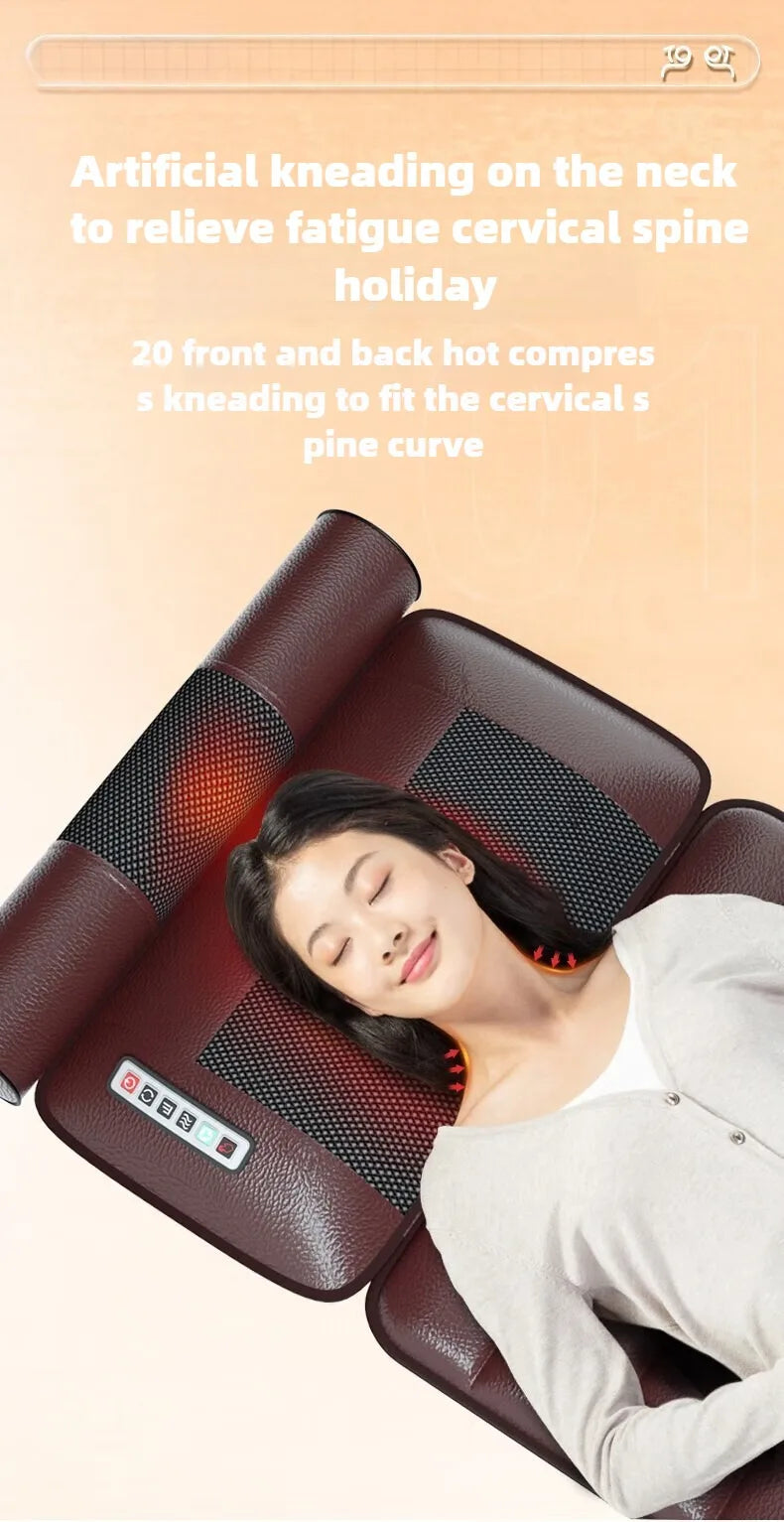
Explore natural ways to relax muscles with the best massage mat—feel relief anytime, anywhere.
Why Do Muscles Stay Tight?
Muscle tightness develops when muscle fibers remain partially contracted for extended periods instead of fully relaxing. This can happen after strenuous activity, prolonged sitting, repetitive movements, emotional stress, or inadequate recovery. While temporary tightness is common, recurring stiffness often signals that your muscles need improved circulation, movement, hydration, or rest rather than simply more stretching.
- Stress: Physical responses to stress increase muscle tension, particularly in the neck, shoulders, jaw, and lower back.
- Overuse: Repetitive exercise or physically demanding work creates microscopic muscle damage that requires adequate recovery time.
- Dehydration: Insufficient fluid intake and electrolyte imbalance can impair normal muscle contraction and relaxation.
- Poor Posture: Hours spent sitting or looking at screens place continuous strain on supporting muscles, leading to chronic stiffness.
Effective Natural Ways to Relax Muscles at Home
Most people can soothe sore muscles at home by combining several evidence-based recovery techniques instead of relying on a single solution. The following methods support circulation, reduce muscle tension, improve mobility, and encourage natural recovery.
- Apply Heat Therapy: A warm bath, heating pad, or heated massage session helps increase blood flow, improve tissue flexibility, and ease persistent muscle stiffness. Heat is generally most beneficial for chronic tightness rather than fresh injuries.
- Use Self-Massage Tools: A massage mat can provide consistent vibration and heat across multiple muscle groups, making it easier to relax areas that are difficult to reach manually. It works particularly well after long workdays, travel, or moderate exercise.
- Stretch Mindfully: Gentle stretching or beginner-friendly yoga helps restore range of motion without placing additional stress on sore muscles. Move slowly and avoid forcing stretches into painful positions.
- Stay Hydrated: Drinking enough water throughout the day supports normal muscle function and helps replace fluids lost during exercise or hot weather. After prolonged sweating, electrolyte-containing beverages may also be beneficial.
- Include Magnesium-Rich Foods: Foods such as spinach, pumpkin seeds, almonds, beans, and whole grains contribute to healthy muscle function. While supplements may be appropriate for some individuals, obtaining magnesium through a balanced diet is often the preferred first step.
- Keep Moving: Light walking or gentle mobility exercises often reduce stiffness more effectively than remaining completely inactive. Short periods of movement encourage circulation without overloading recovering muscles.
- Prioritize Rest and Sleep: Much of the body's muscle repair occurs during sleep. Maintaining a consistent sleep schedule allows tissues to recover more efficiently and may reduce next-day soreness.
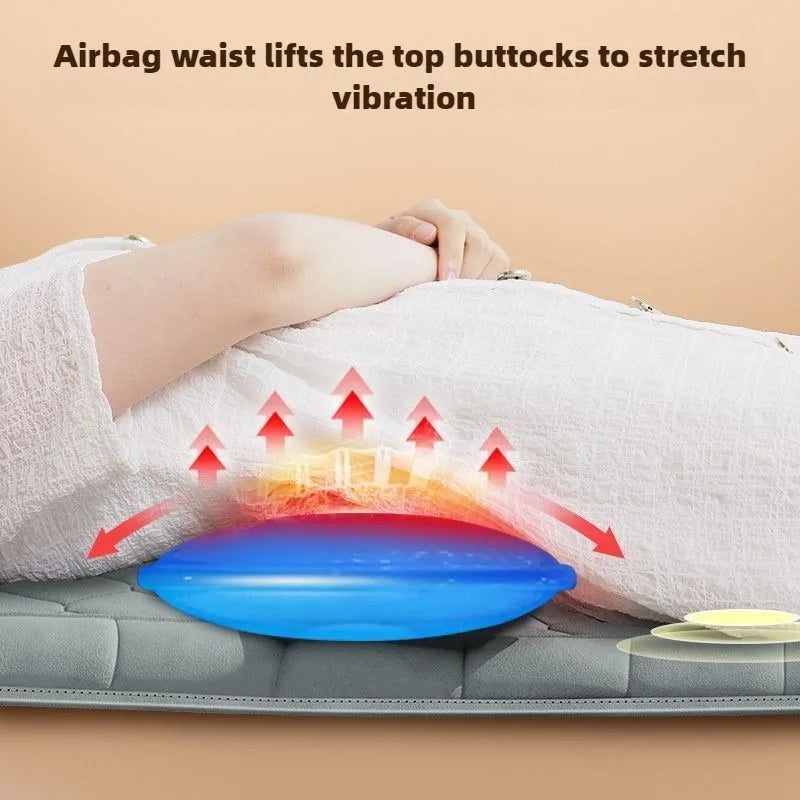
Soothe sore muscles at home with natural relaxation methods that support everyday recovery.
Best Massage Mat Review — KentDO Full Body Massage Mattress
The KentDO Full Body Massage Mattress is designed to complement a well-rounded muscle recovery routine by combining vibration massage with optional heat therapy. Rather than replacing stretching, movement, or healthy recovery habits, it provides a convenient way to reduce everyday muscle tension at home after work, exercise, or extended periods of sitting.
Compared with many compact massage pads that focus on a single body area, a full-body massage mat can help deliver more consistent relaxation across multiple muscle groups during one session.
| Feature | KentDO Massage Mattress | Standard Massage Pad |
|---|---|---|
| Coverage | Full body (neck to legs) | Typically focuses on the back or one region |
| Heat Therapy | Yes (3 adjustable levels) | Limited or unavailable on many models |
| Massage Programs | 5 customizable massage programs | Usually 1–2 basic settings |
| Storage | Foldable and easy to store | Varies by model |
Who may benefit most? The mat is well suited for desk workers, recreational athletes, frequent travelers, and anyone looking for a convenient way to incorporate massage into an existing recovery routine.
Pros
- Provides full-body coverage during one session.
- Combines massage with adjustable heat for added comfort.
- Simple to use at home without requiring another person.
- Foldable design makes storage and transport easier.
Limitations
- It is intended to promote relaxation and recovery rather than diagnose or treat medical conditions.
- Persistent or severe muscle pain should be evaluated by a healthcare professional.
- Best results are achieved when combined with stretching, hydration, regular movement, and adequate sleep.
Verdict: If you're looking for the best massage mat to support regular at-home muscle relaxation, the KentDO Full Body Massage Mattress offers comprehensive coverage, multiple massage settings, and heat therapy in a convenient, easy-to-store design.
How to Use a Massage Mat for Maximum Relief
Using a massage mat correctly helps maximize comfort while supporting healthy muscle recovery. A typical session lasts between 15 and 20 minutes, although beginners may prefer shorter sessions until they become accustomed to the massage intensity.
- Create a comfortable environment: Place the mat on a flat surface in a quiet room where you can fully relax.
- Begin with gentle settings: Start with a low heat level and a mild massage program before increasing intensity if comfortable.
- Maintain a natural position: Lie comfortably and allow the targeted muscles to relax instead of actively tensing during the session.
- Practice slow breathing: Deep, controlled breathing can help reduce stress-related muscle tension while enhancing relaxation.
- Combine with gentle stretching: Light stretching before or after using the mat may improve flexibility and reduce lingering stiffness.
- Rehydrate afterward: Drinking water supports normal recovery following massage and daily physical activity.
For ongoing muscle maintenance, many people benefit from using a massage mat several times per week alongside regular exercise, adequate sleep, and healthy recovery habits.
Frequently Asked Questions
How can I relax my body naturally?
A combination of gentle stretching, regular movement, deep breathing, adequate hydration, quality sleep, and heat therapy can help promote natural muscle relaxation. Many people also find that using the KentDO Massage Mattress as part of their recovery routine provides additional comfort after long workdays or exercise.
What is the fastest natural way to relax sore muscles?
For muscle tightness that is not related to an acute injury, combining heat therapy with light stretching and gentle massage often provides the quickest relief. A short 15–20 minute massage session followed by hydration and light walking may further reduce stiffness.
What causes muscles to stay tight?
Common causes include prolonged sitting, repetitive movements, overuse during exercise, emotional stress, poor posture, dehydration, insufficient recovery, and inadequate sleep. Identifying the underlying cause helps you choose the most effective recovery strategy.
Should I use heat or ice for muscle tension?
Heat is generally more helpful for chronic muscle tightness because it encourages blood flow and relaxation. Ice is usually reserved for new injuries or areas with noticeable swelling during the first 24 to 48 hours. If symptoms persist or worsen, consult a healthcare professional.
Does drinking water help relax muscles?
Yes. Proper hydration supports normal muscle contraction and relaxation while helping replace fluids lost during physical activity. If you've been sweating heavily, replenishing electrolytes may also be beneficial.
Can stress make muscles tight?
Yes. Psychological stress commonly increases muscle tension, particularly in the neck, shoulders, upper back, and jaw. Regular relaxation techniques, breathing exercises, physical activity, and massage may help reduce stress-related muscle tightness over time.
Are magnesium-rich foods effective for muscle relaxation?
Magnesium contributes to healthy muscle and nerve function. Foods such as leafy greens, legumes, nuts, seeds, and whole grains can help support overall muscle health as part of a balanced diet, although they are not an immediate treatment for muscle pain.
When should muscle pain be evaluated by a doctor?
Seek medical evaluation if muscle pain follows a serious injury, is accompanied by significant swelling, weakness, fever, numbness, or loss of function, or if soreness lasts longer than one to two weeks despite appropriate self-care.
Can I use a massage mat after workouts?
Yes. The KentDO Full Body Massage Mattress can be used after exercise to help promote relaxation and comfort as part of a broader recovery routine that includes hydration, stretching, balanced nutrition, and adequate rest.
Pillar Article: Heated Massage Mattress Pad—Why It’s the Best Investment for Rest
Other Related Articles:
Explore More:













