

Does a Neck Brace for Daily Use Really Work?
A neck brace for daily use can help reduce neck muscle tension and improve posture when used correctly—but it is not a universal or long-term solution. Its effectiveness depends on the underlying cause of your discomfort, the type of brace used, and how long you wear it. For mild strain or posture-related pain, a brace can provide temporary support and relief. However, it should not replace proper diagnosis, movement, or rehabilitation when needed.
Neck Brace for Daily Use: Best Options, Safety Guide & What Actually Works
Living with constant neck stiffness, screen-related strain, or recurring shoulder tightness can quietly drain your energy and focus. A neck brace for daily use offers a practical way to support your spine and reduce discomfort—but does it truly work long term? This expert guide explores benefits, risks, best types, and how to use one safely for real results.
⏱ 7 min read
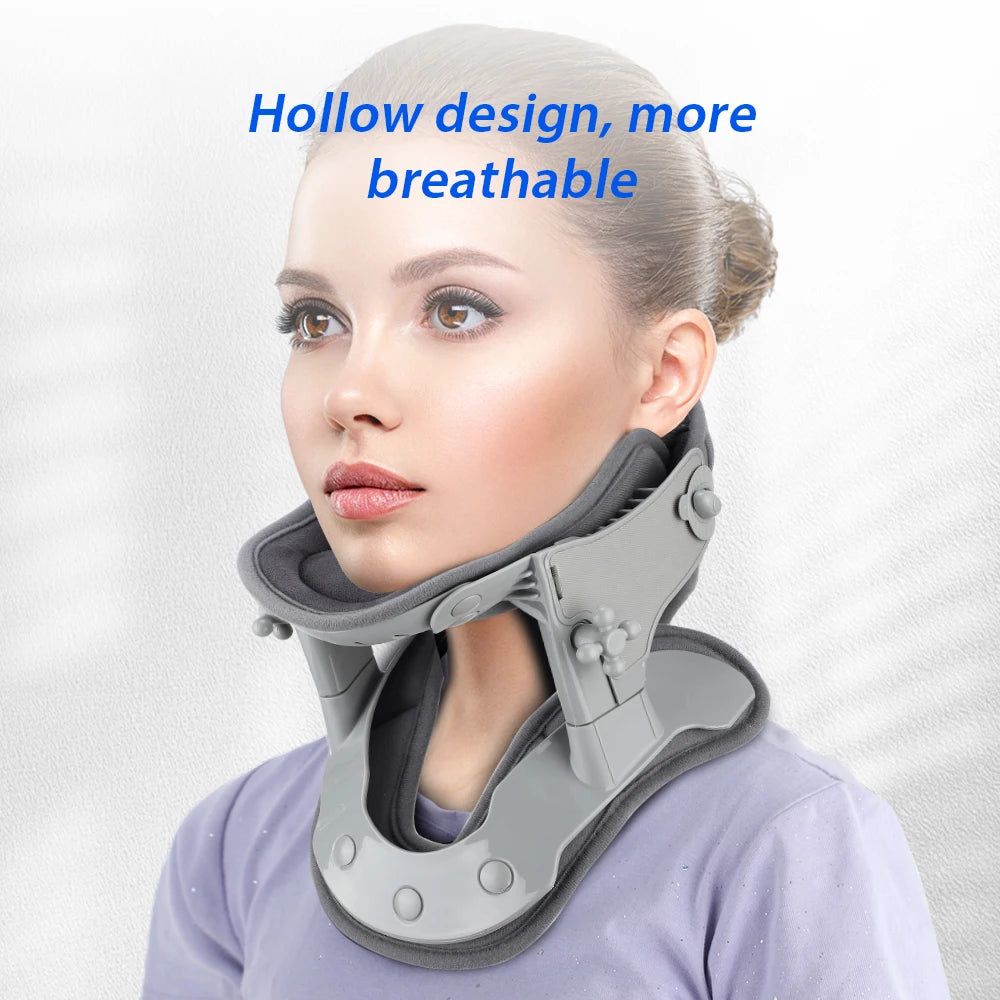
Comfort-focused cervical support for everyday routines — See it in action
What Is a Neck Brace for Daily Use?
How a Neck Brace Supports the Cervical Spine
A neck brace supports the cervical spine by limiting excessive movement and redistributing pressure away from overworked muscles. This can reduce strain during activities like prolonged sitting or screen use. Understanding basic cervical spine anatomy helps explain how external support improves alignment and reduces fatigue.
Soft, Semi-Rigid, and Rigid Neck Braces Explained
Daily-use braces are typically soft or semi-rigid, designed for comfort and flexibility. These differ from rigid medical collars, which are prescribed for injury and immobilization. Choosing the right type depends on whether you need temporary comfort, posture support, or medical stabilization.
Neck Brace Benefits and Risks (What Most Pages Miss)
Potential Benefits of Daily Neck Support
- Provides temporary relief from muscle tension
- Encourages posture awareness
- Reduces strain during repetitive tasks
- Supports recovery from mild discomfort
Risks of Wearing a Neck Brace Too Long
- Muscle weakening from reduced engagement
- Increased stiffness after removal
- Reduced natural range of motion
Muscle Deconditioning and Dependence
Over-reliance on a brace can prevent muscles from strengthening naturally. This is why it’s important to combine use with neck rehabilitation exercises and not depend on passive support alone.
How Long Should You Wear a Neck Brace? (Doctor-Backed Guidance)
Short-Term Support vs Extended Wear
For most users, a neck brace should be worn in short sessions rather than continuously.
How Wear Time Changes by Condition
- Mild tension: 30–60 minutes per day
- Posture support: 1–3 hours in intervals
- Recovery: Follow clinician guidance
When to Follow a Prescribed Schedule
If your brace is prescribed for injury or recovery, always follow medical instructions instead of general recommendations.
When Should You Use a Neck Brace—and When Should You Avoid One?
Common Situations Where a Neck Brace May Help
- Desk work and prolonged screen time
- Temporary posture support
- Mild neck strain or fatigue
When Medical Evaluation Comes First
Persistent or severe pain should not be managed with a brace alone. Explore broader neck pain relief options that address the root cause.
Red Flags That Need Professional Attention
- Numbness or tingling
- Weakness in arms or hands
- Pain after injury or accident
- Progressively worsening symptoms
Neck Brace for Daily Use vs Other Pain Relief Options
Neck Brace vs Stretching and Exercise
A brace provides passive support, while exercises actively improve strength and mobility.
Neck Brace vs Heat Therapy
Heat can relax muscles and improve circulation. Combining support with safe heat therapy for pain relief may enhance comfort.
Neck Brace vs Physical Therapy
Physical therapy addresses underlying issues and is often more effective for long-term improvement.
Best Neck Braces for Daily Use (2026 Picks)
Best for All-Day Comfort
Soft foam collars with breathable fabric are ideal for short, repeated use throughout the day.
Best for Posture Support (Desk Work)
Ergonomic designs help maintain alignment during work without restricting movement excessively.
Best Heated Neck Brace for Pain Relief
Heated models can support neck muscle tension relief by improving circulation.
Best Lightweight Soft Collar
Lightweight designs prioritize mobility and comfort during daily routines.
Best Adjustable Support Brace
Adjustable systems allow customized fit and pressure control for better usability.
Neck Brace Comparison Table (Comfort, Support, Wear Time)
- Soft Collar: High comfort, low support, 2–6 hours/day
- Posture Brace: Medium comfort, medium support, 4–8 hours/day
- Heated Brace: High comfort, low-medium support, 1–3 hours/session
- Rigid Collar: Low comfort, high support, short-term use only
How to Use a Neck Brace Safely at Home
Safe Daily Wearing Schedule
Start with 15–30 minutes and increase gradually based on comfort.
How to Fit a Neck Brace Correctly
The brace should feel snug but not tight. You should be able to breathe, swallow, and move comfortably without restriction.
Signs You’re Overusing It
- Increased stiffness
- Dependency on support
- Skin irritation or discomfort
What to Look for Before Buying (Daily Wear Focus)
Breathability & Skin Comfort
Choose materials that prevent irritation during repeated use.
Support Level (Soft vs Rigid)
Match the support level to your needs—avoid over-restrictive designs for daily wear.
Adjustability for Long Wear
Adjustable straps improve fit and comfort throughout the day.
Fit, Sizing, and Range of Motion
A proper fit ensures support without limiting necessary movement.
Explore additional solutions in Body Care and Health Devices to build a complete recovery routine.
FAQ: Neck Brace for Daily Use
Can you wear a neck brace all day?
No, continuous wear is not recommended unless prescribed.
Is it safe to wear a neck brace daily?
Yes, in moderation and for short sessions.
How long should you wear a neck brace?
Typically 15–60 minutes at a time depending on need.
Does a neck brace help neck pain?
It can provide temporary relief but does not treat underlying causes.
When should you use a neck brace?
During mild discomfort, posture strain, or recovery support.
Can wearing a neck brace weaken neck muscles?
Yes, prolonged use without exercise can reduce muscle strength.
Is a heated neck brace better for muscle tension?
Heat may improve comfort, but should be used in short sessions.
What is the difference between a soft and rigid neck brace?
Soft braces provide comfort and flexibility, while rigid braces are used for medical immobilization.













